Compare costs and benefits of factory-built cranes versus locally fabricated structures to find the best 15 ton crane solution.
Introduction
Overhead bridge cranes with a 15 ton lifting capacity are becoming increasingly common across many industries. From manufacturing plants and warehouses to steel mills and construction sites, the need for reliable lifting equipment that can handle heavy loads safely and efficiently is clear. These cranes help businesses move materials faster, improve workflow, and reduce manual labor risks.
When it comes to buying a 15 ton overhead bridge crane, one of the biggest questions buyers face is about the structure itself: Should they go for a factory-built crane delivered as a complete system? Or would it be better to purchase a crane kit and then have the main steel structure fabricated locally? Both options have their own sets of costs, benefits, and challenges.
This comparison is meant to give you a practical look at the price factors involved. It’s not just about the sticker price — you’ll want to understand the full picture, including fabrication, installation, shipping, and long-term performance. By the end, you’ll be better equipped to decide which option fits your budget and project needs best.
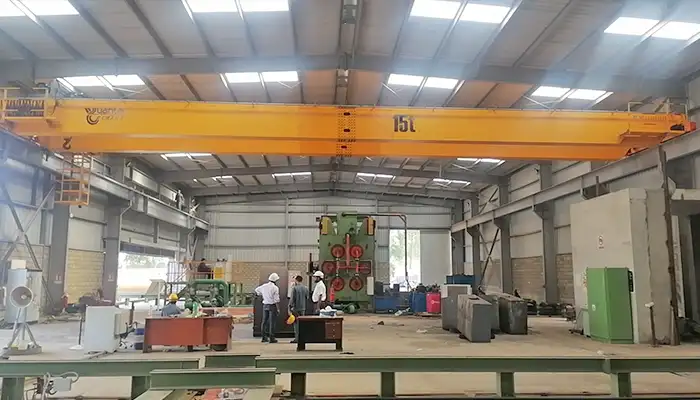
![15 ton overhead bridge crane for sale]()
15 ton overhead bridge crane for sale
What Is a Factory-Built 15 Ton Overhead Crane?
A factory-built 15 ton overhead crane is a complete lifting system that’s fully assembled, tested, and ready to be installed right out of the box. This means you receive everything as one package — from the main steel structure to the hoisting mechanism and control system.
Typical components include:
- Main girders: These are the large steel beams that span across the crane runway and support the entire load.
- End trucks: Mounted at each end of the main girders, these units have wheels that run on the runway rails, allowing the crane to move back and forth.
- Electric hoist: The heart of the crane responsible for lifting and lowering loads. It’s usually a wire rope or chain hoist with electric motor drive.
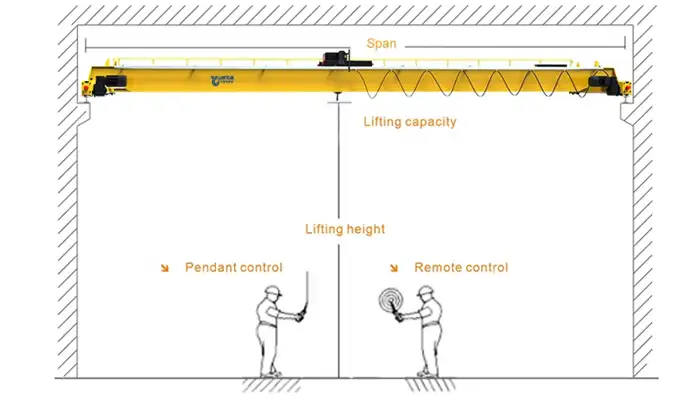
- Control system: Includes pendant controls, remote controls, or cabin controls that let the operator move the crane and hoist safely and precisely.
Because everything is factory-built, the crane is pre-assembled and undergoes quality checks before shipment. This usually means the crane is fully tested for load capacity, safety, and smooth operation, so you’re less likely to face surprises during installation.
Advantages of factory-built cranes:
- Turnkey solution: The crane arrives almost ready to go, reducing onsite assembly time.
- Quality assurance: Factory conditions allow for strict quality control and proper load testing.
- Consistent standards: Usually complies with international certifications like CE or ISO, giving buyers peace of mind.
- Reduced onsite risk: Less room for errors during installation because components are matched and calibrated in advance.
Typical applications:
Factory-built cranes are widely used in industries where time and reliability matter — like steel plants, automotive factories, and logistics hubs. When a business needs a crane that fits well with existing infrastructure and operates with minimal downtime, a factory-built model is often the go-to choice.
In short, factory-built cranes offer a smoother buying and installation process with proven performance, especially when you don’t have access to skilled fabrication locally or prefer to keep project timelines tight.
What Is a Locally Fabricated Crane Structure?
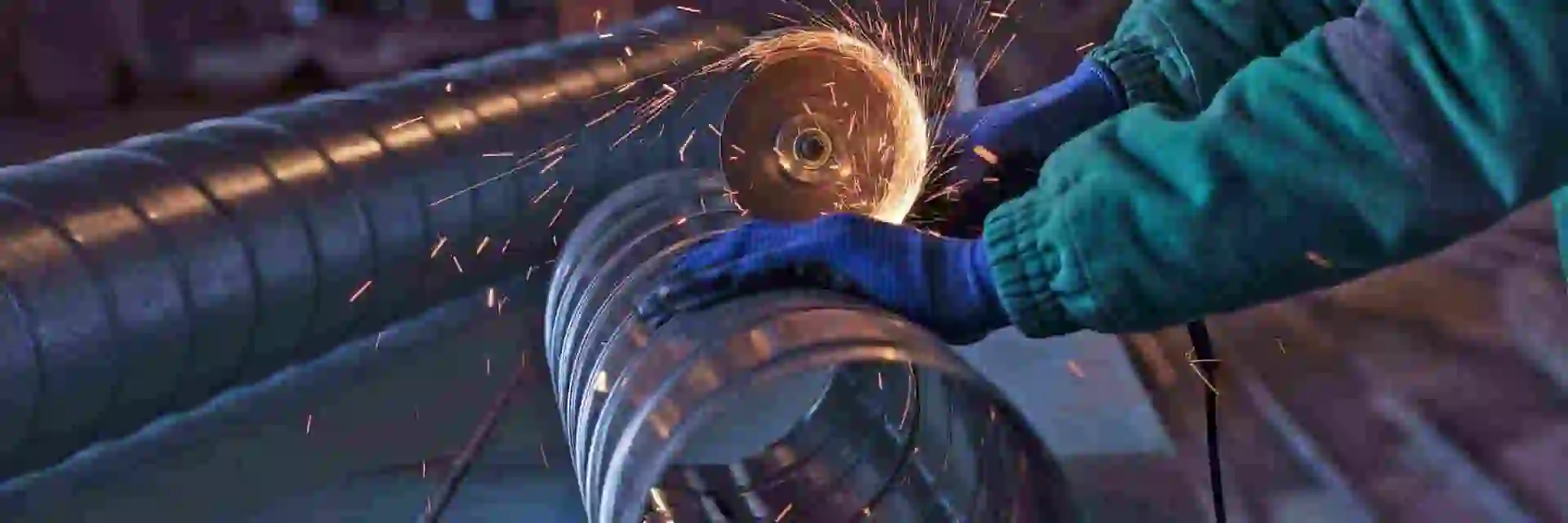
A locally fabricated crane structure means you buy the critical crane components—like the hoist, end trucks, and control system—as a crane kit from a supplier, but the main steel structure (the girders and sometimes even the runway beams) is fabricated and assembled on-site or nearby by a local workshop or your own fabrication team.
In other words, instead of getting a fully built crane from the factory, you receive the “mechanical heart” of the crane, and the steel frame is made locally using available materials and labor.
Key parts supplied in the crane kit:
- Electric hoist: The lifting mechanism.
- End trucks: The wheel assemblies that carry the crane on the runway.
- Control system: The electrical panels and operator controls.
- Other components: Such as trolley mechanism, wheels, motors, and electrical wiring.
Who usually chooses this option?
- Buyers with in-house fabrication workshops or easy access to skilled local steel fabricators.
- Companies located in regions where importing large steel structures is very expensive due to shipping or customs fees.
- Buyers who want more control over design modifications or material sourcing to better suit local conditions or cost targets.
- Firms aiming to reduce upfront capital spending by buying only the crane kit and managing fabrication themselves.
What you gain and what you take on:
- Flexibility in design: You can adjust the girder size, span, or even materials based on your specific site needs or available steel profiles.
- Potential cost savings: Fabricating steel locally can reduce freight costs and import tariffs.
- More control: You decide the fabrication schedule, can inspect steel quality directly, and often speed up delivery if your fabricator is reliable.
But — and this is important — this approach means higher buyer responsibility:
- You must ensure the local fabricator follows correct engineering standards, welding codes, and safety practices.
- The final crane structure quality depends heavily on local workmanship and materials.
- The assembly and installation process may take longer because of coordination between the kit supplier and fabricator.
- Load testing and final inspections often become your responsibility to confirm the crane meets performance and safety requirements.
In summary, locally fabricated cranes are a practical choice for buyers who have the technical knowledge, fabrication resources, or local partnerships to manage steel structure production. It’s a more hands-on approach that can save money but demands more attention to detail and project management.
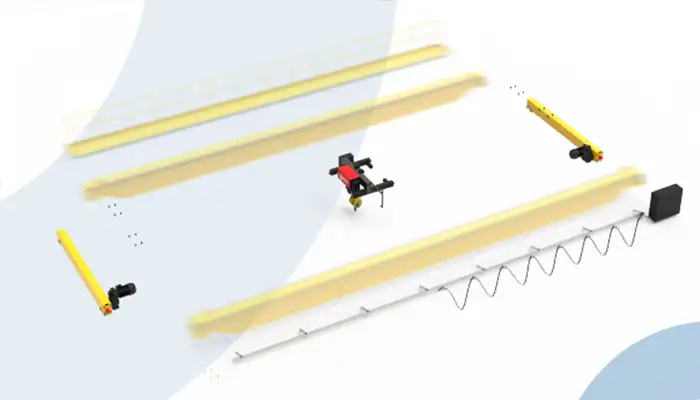
![15 ton overhead crane kit without main girder]()
15 ton overhead crane kit without main girder
Price Comparison: Factory-Built vs. Locally Fabricated
When it comes to the price of a 15 ton overhead bridge crane, the difference between factory-built and locally fabricated options goes beyond just the sticker price. Let’s break down the key cost areas you need to consider.
Base Price Differences
Factory-built cranes come as a full package—main girders, hoist, controls, and end trucks—all included in the quoted price. This means the price covers the steel structure, fabrication, assembly, and factory testing to ensure everything works perfectly before shipment.
- This convenience usually comes with a higher upfront cost.
- The price reflects the complete, ready-to-install crane.
- You’re paying for factory labor, quality control, and certification processes.
On the other hand, locally fabricated cranes typically involve purchasing just the crane kit—hoist, end trucks, and control system—from the supplier.
- The initial price for the crane kit is usually lower than a factory-built complete crane.
- But this doesn’t include the cost of fabricating the steel girders locally.
- Fabrication, welding, surface treatment, and assembly will add to your total cost.
- Depending on local labor rates and material prices, these extra costs can vary widely.
In short:
- Factory-built = higher upfront price, all-inclusive.
- Locally fabricated = lower kit price, but you must budget for fabrication and assembly separately.
Transportation & Logistics
Shipping plays a big role in the final cost. A factory-built crane arrives as a complete or mostly assembled unit, which means large, bulky steel structures to ship.
- Expect higher freight costs because the main girders and end trucks take up significant space.
- Heavy, oversized cargo requires special handling and sometimes expensive permits.
With locally fabricated cranes, you only ship the smaller, lighter crane kit components.
- This means lower shipping volume and weight.
- Freight costs are generally much cheaper.
- You avoid the headache of moving large steel beams across long distances.
For buyers in countries with high import tariffs or complicated customs, this difference can be a big deal.
Installation Costs
Factory-built cranes are designed for easy onsite installation.
- Since the system comes pre-assembled and tested, installation time is shorter.
- Standardized parts mean fewer surprises during setup.
- This reduces labor costs and speeds up your project timeline.
In contrast, locally fabricated cranes require more onsite work.
- Skilled welders and crane specialists are needed to assemble the girders and integrate the crane kit.
- The installation process can take longer, especially if coordination between the kit supplier and fabricator isn’t smooth.
- There’s a higher chance of delays due to rework or alignment issues.
- You may also have to arrange for load testing and certification locally, which can add time and expense.
Summary of Cost Considerations:
| Cost Aspect |
Factory-Built Crane |
Locally Fabricated Crane |
| Base Price |
Higher, includes full structure and testing |
Lower kit price, extra fabrication cost |
| Shipping |
Larger, heavier components; higher freight |
Smaller shipment; lower freight |
| Installation |
Faster, simpler, less labor cost |
Requires skilled labor; longer time |
Choosing between the two comes down to your project budget, timeline, and local fabrication capabilities. Understanding these cost layers helps you avoid unexpected expenses and pick the best value for your money.
Quality and Safety Considerations
When buying a 15 ton overhead crane, quality and safety should never be an afterthought. After all, these cranes handle heavy loads that can put people and equipment at risk if something goes wrong. Let’s look at how factory-built and locally fabricated cranes compare in this crucial area.
Factory-Built Cranes
Factory-built cranes are assembled and tested under controlled conditions at the manufacturer’s facility. This controlled environment allows for strict quality checks throughout the production process.
- Most factory-built cranes come with CE or ISO certifications, ensuring they meet international safety and quality standards.
- Components are matched and calibrated before shipment, reducing the chance of mechanical failures.
- Manufacturers conduct load testing and performance checks under simulated working conditions.
- Quality assurance is systematic, covering everything from welding quality to electrical system reliability.
Because of this, factory-built cranes generally provide greater peace of mind. You know the crane has been carefully inspected and tested before it arrives onsite.
Locally Fabricated Girders
With locally fabricated cranes, the quality and safety of the steel structure depend heavily on the materials used and the skill level of the local fabricators.
- The steel quality may vary based on what’s available locally.
- Welding and fabrication standards might not always align with international codes.
- Without proper oversight, inconsistencies in girder strength or assembly could lead to premature wear or safety hazards.
This means buyers must be proactive in choosing experienced fabricators and verifying that local production follows engineering and safety standards.
The Importance of Professional Testing and Commissioning
Regardless of whether you choose a factory-built or locally fabricated crane, professional load testing and commissioning are essential steps before putting the crane into service.
- Load testing ensures the crane can safely handle its rated capacity without structural or mechanical failure.
- Commissioning checks all systems — electrical controls, limit switches, brakes, and safety devices — to confirm they work correctly.
- In many countries, regulatory agencies require documented testing and certification before allowing crane operation.
Failing to properly test and commission a crane can lead to costly downtime, accidents, or legal liabilities.
In summary, factory-built cranes offer a more controlled quality assurance process, while locally fabricated cranes depend largely on local workmanship and materials. Either way, don’t skip thorough testing and certification — it’s critical to safe, reliable crane operation.
Customization and Lead Time
When deciding between factory-built and locally fabricated 15 ton overhead cranes, customization options and delivery schedules are important factors to weigh.
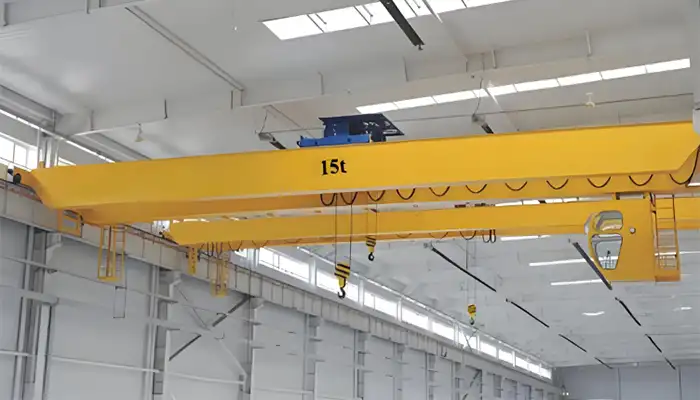
![Yuantai Crane - Customized factory built crane for your needs !]()
Yuantai Crane - Customized factory built crane for your needs !
Factory-Built Cranes
Factory-built cranes are designed and assembled as complete systems. This means:
- Customization is more straightforward because the manufacturer can tailor the entire crane—girders, hoist, controls, and accessories—to your exact specifications.
- You can specify features like span length, lifting height, duty class, power supply, and control type all at once.
However, this all-in-one approach requires longer lead times.
- Full production, assembly, and factory testing take time—often several weeks or months depending on complexity and order volume.
- Design approvals, engineering drawings, and manufacturing schedules add to the timeline.
If your project allows for planning ahead and you want a fully integrated crane with specific features, a factory-built solution can be the best fit.
Locally Fabricated Cranes
For locally fabricated cranes, the supplier ships just the crane kit components initially, which means:
- Crane kits can be delivered much faster because manufacturing the hoist, end trucks, and control system is quicker than building the whole crane.
- Meanwhile, your local fabricator can begin cutting, welding, and assembling the girders on-site or nearby.
- If well coordinated, the structural fabrication and kit delivery can happen in parallel, potentially speeding up overall project completion.
- This option offers more flexibility in adjusting design changes on the fly during fabrication, if needed.
But keep in mind, successful parallel work requires good project management and clear communication between the supplier, fabricator, and installation team to avoid delays.
In summary:
- Factory-built cranes = easier full-system customization, but longer wait times.
- Locally fabricated cranes = faster kit delivery and flexible girder fabrication, but require careful coordination.
Knowing your project timeline and ability to manage multiple parties will help you pick the right path.
Suitability Based on Buyer Profile
Choosing between a factory-built or locally fabricated 15 ton overhead crane often comes down to your company’s specific situation, resources, and project needs. Here’s a practical breakdown to help you decide which option fits best.
Factory-Built Cranes Are Better For:
- End users without fabrication capabilities:
If your company doesn’t have a workshop or local partners skilled in steel fabrication and welding, factory-built cranes save you from the complexity of managing those tasks.
- Projects that require turnkey delivery and assured quality:
When you want a crane that’s ready to install with minimal fuss, factory-built cranes come tested and certified, so you get peace of mind about safety and performance right away.
- Time-sensitive installations:
If your project has tight deadlines and you want to avoid delays caused by on-site fabrication or coordination issues, factory-built cranes provide a smoother, faster setup.
Locally Fabricated Cranes Are Better For:
- Buyers with experienced fabrication teams:
If your company or trusted local partners have the skills and equipment to fabricate steel girders to specification, this option lets you leverage that expertise.
- Locations with high import taxes on bulky steel structures:
Shipping large, heavy girders can be costly and subject to heavy customs fees in some countries. Buying crane kits and fabricating locally can reduce these extra expenses.
- Projects requiring cost control and flexibility:
Local fabrication allows you to adjust materials, girder size, or design on the fly to better fit budget or site conditions, giving you more control over the final cost and build.
Knowing your internal capabilities and project priorities will make this decision clearer. If you lean toward simplicity and guaranteed quality, factory-built cranes usually make sense. But if you want to save on shipping or have trusted fabricators, locally fabricated structures might be the smarter choice.
Real Cost Example of 15 Ton Overhead Bridge Cranes
To give you a clearer idea of how prices compare in the real world, here’s a rough example based on typical market rates for a 15 ton overhead double girder crane.
Price Range Comparison
- Factory-built 15 ton double girder crane:
Usually falls between $12,000 and $40,000, depending on span length, lifting height, and additional features like control type or special coatings. This price includes the main girders, end trucks, hoist, electrical controls, and factory testing.
- Crane kit only (excluding girders):
The crane kit—which includes the hoist, end trucks, trolley, and controls—typically costs between $12,000 and $18,000.
Keep in mind, you will need to add the cost of local fabrication for the girders, welding, painting, and assembly. Depending on your location and labor rates, fabrication can add anywhere from $8,000 to $20,000 or more.
Case Study: Steel Mill Crane Project
A steel mill client in Southeast Asia recently ordered a locally fabricated 15 ton overhead crane. They purchased the crane kit from a Chinese supplier for around $15,500. Meanwhile, their local workshop fabricated the main girders and assembled the crane structure for roughly $10,000.
Because of lower labor costs and reduced shipping fees on large steel parts, the total project cost came to about $25,500, saving them nearly 30% compared to a fully factory-built crane quote they had received.
However, the client noted that managing fabrication required close supervision to ensure welding quality and on-site adjustments, which added some project management effort.
This example highlights how the locally fabricated option can offer significant savings, but only if you have reliable fabrication resources and can handle the extra coordination.
If you prefer a hands-off experience with predictable delivery and guaranteed quality, factory-built cranes, despite a higher upfront price, might be worth the investment.
Summary & Recommendations
To wrap things up, choosing between a factory-built 15 ton overhead crane and a locally fabricated structure comes down to balancing cost, quality, and your specific project needs.
- Cost differences: Factory-built cranes come with a higher upfront price that includes the full structure and factory testing. Locally fabricated options have a lower initial price for the crane kit but add costs for local steel fabrication and assembly.
- Performance and quality: Factory-built cranes offer consistent quality control and certifications, while locally fabricated cranes depend on the skills of local fabricators and the quality of available materials.
- Installation and lead time: Factory-built cranes usually install faster with less risk, but take longer to produce. Locally fabricated cranes can have quicker kit delivery, but overall timing depends on local fabrication efficiency.
Before making a decision, it’s important to consult with manufacturers about your project specifics, including:
- Load duty classification: Understand how often and how heavy your loads will be to choose the right crane design and components.
- Span and runway conditions: The length of the crane’s span and the condition or type of runway beam affect structural requirements and pricing.
- Budget and fabrication capacity: Be clear about your available budget and whether you have the fabrication resources to handle local steelwork or prefer a turnkey solution.
Send Us An Inquiry on 15 Ton Overhead Bridge Cranes
If you’re considering a 15 ton overhead bridge crane and want expert advice, contact us for a free technical consultation or a detailed quotation tailored to your needs.
Please share your project details with us, such as:
- Span length and lifting height
- Installation environment and runway type
- Your fabrication capabilities or preference for factory-built cranes
At Yuantai Crane, we specialize in supplying both factory-built cranes and crane kits worldwide, backed by CE and ISO certifications and strict quality control. Let us help you find the best solution that fits your budget and application perfectly. Reach out today to get started!