Overhead Crane For Sale
1–50 Ton Overhead Crane for Sale Price & Customization Cost
Overhead crane for sale price. Check 1 ton to 50 ton overhead crane pricing, customization options, & smart buying tips for 1 ton to 50 ton overhead cranes.
Yuantai BetterCrane | Energy-Saving | Space-Saving | Cost-Efficient | CE/ISO/EX

Overhead crane for sale price. Check 1 ton to 50 ton overhead crane pricing, customization options, & smart buying tips for 1 ton to 50 ton overhead cranes.
Overhead Crane Cost by Capacity: What You Need to Know
When budgeting for an overhead crane, one of the most direct ways to estimate cost is by capacity. The higher the tonnage, the more structure, components, and engineering go into the system. But price doesn't scale linearly—there are jumps based on design complexity, hoist type, and usage intensity.
Below is a breakdown of crane capacity segments and what you can expect in terms of pricing, features, and cost factors.
Quick Linke of Hot Sale Overhead Cranes Price Overview
There’s more than one type of overhead crane. Your choice depends on your load, your building, and how often you plan to use the system.
Handles heavier loads (10–50 tons and beyond)
This range is popular in small workshops, warehouses, and light manufacturing plants. These cranes typically come in a single girder configuration and can be fitted with either chain or wire rope hoists.
What drives the price up?
Crane systems in this category are suitable for more regular use and slightly heavier materials. Single girder cranes still dominate here, but with more robust components.
Key cost drivers include:
This is the range where many buyers switch to double girder designs. More lifting power means more structure, and the trolley-hoist units are usually larger and more advanced.
Price influencers:
Cranes in this range often operate in demanding environments and require precise lifting capabilities. Double girder designs are standard, with higher-quality motors and safety systems.
Typical add-ons that raise the price:
This category is built for consistent, high-volume lifting. Pricing jumps significantly due to stronger structures, large trolley assemblies, and increased safety/automation demands.
Cost considerations include:
Typical Cost Drivers Within Each Segment
No matter the capacity, certain design choices will always impact the cost:
Examples of Average Market Prices (for Reference Only)
Keep in mind: Prices vary based on country of manufacture, local steel costs, certifications (like CE/ISO), and the level of after-sales support.
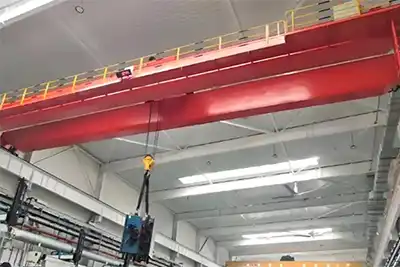
30 ton overhead crane for sale, good price. Check design options, budgeting strategies & essential buyer tips to get the best 30 ton overhead crane price.
Inquiry Online Leave a Message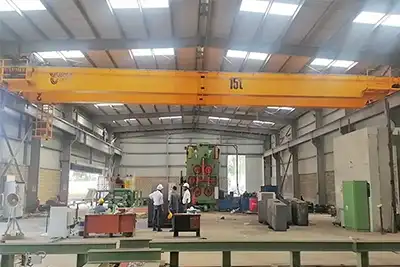
Compare costs and benefits of factory-built cranes versus locally fabricated structures to find the best 15 ton crane solution.
Inquiry Online Leave a Message
Explore price ranges and options for 20 ton overhead cranes, including custom single and double girder EOT models.Get your 20 ton overhead crane price!
Inquiry Online Leave a Message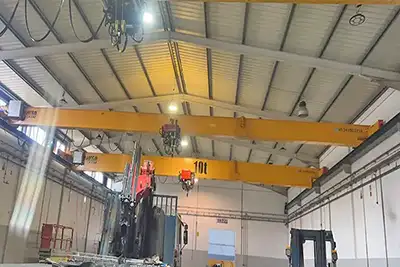
Get latest 10 ton overhead crane for sale price! Check crane design choices & practical tips for industr gantry crane buyerto get good price gantry crane!
Inquiry Online Leave a Message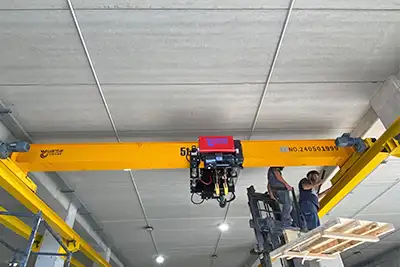
Check 5-ton overhead crane costs, key options & how features, duty class & industry use affect final price. Get latest 5 ton overhead crane for sale price!
Inquiry Online Leave a Message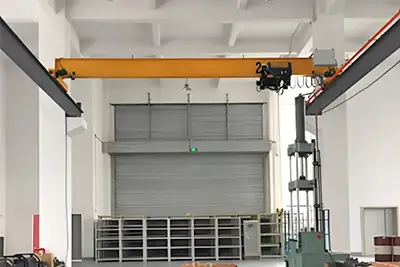
Affordable solution with flexible options for small workshops needing efficient, budget-friendly overhead crane systems. Get 2 ton overhead crane price !
Inquiry Online Leave a MessageWhat is the price of a 10-ton overhead crane? How much does a 5-ton overhead crane cost? What is the cost of a 1-ton overhead crane? How much is a 2-ton overhead crane? What is the price of a 25-ton overhead crane? How much does an overhead crane with a 10-ton capacity cost? What is the average price for a 30-ton overhead crane? How much does a 50-ton overhead crane typically cost?
Not all overhead cranes are built the same—and they don’t need to be. For some facilities, a basic crane that gets the job done is enough. For others, especially where downtime is costly or the load is highly valuable, it makes sense to invest in a premium system.
This section helps you understand what makes economical and premium cranes different, when to choose one over the other, and how to avoid paying more than you need.
Differences in Price and Features
The first thing you'll notice is the price difference—but there's a reason for it.
Economical cranes are built for general-purpose lifting. They use simplified designs and standard components to keep costs low.
Premium cranes, on the other hand, are engineered for precision, durability, and continuous operation—often with specialized hoists and automation options.
Key differences include:
Design & materials
Hoist system
Controls
Maintenance
Price range
Economical cranes aren’t cheap—they’re cost-efficient for the right application. If your lifting needs are straightforward and infrequent, there’s no reason to overpay.
Ideal for:
A simple 5-ton single girder crane with a chain hoist and pendant control can be fully functional for under $10,000. It's more than enough for light industrial use.
When lifting becomes a daily part of production—or when failure isn’t an option—it pays to invest in quality.
Key advantages:
For example: A 20-ton double girder crane with a European hoist, wireless control, and automatic centering can operate 10+ hours/day with minimal maintenance—and still last 15–20 years.
Choosing between economical and premium overhead cranes isn’t about which one is “better”—it’s about which one fits your actual needs. A crane that’s too weak is dangerous and inefficient. But one that’s overbuilt can drain your budget with no real return.
If in doubt, consult with the manufacturer and share full project details—working hours, load type, installation height, and budget. A good supplier should help you strike the right balance.
Overhead crane pricing isn't just about the tonnage. Several factors—some obvious, some easy to overlook—can drive up or bring down the final cost. Here's a breakdown of the key elements that affect what you'll pay for a 1 to 50 ton overhead crane.
Overhead crane pricing isn't just about the tonnage. Several factors—some obvious, some easy to overlook—can drive up or bring down the final cost. Here's a breakdown of the key elements that affect what you'll pay for a 1 to 50 ton overhead crane.
This is usually the first thing buyers ask about—and rightly so. The crane's lifting capacity directly impacts its structure, motor size, hoist strength, and overall design.
The higher the tonnage, the more steel, power, and engineering goes into the system—which all adds up in price.
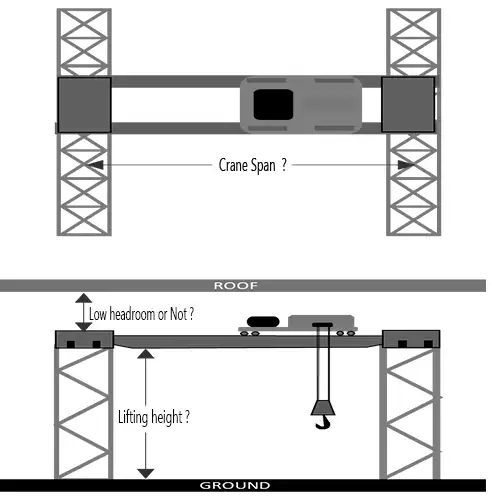
Don't forget to consider how far your crane needs to reach and how high it needs to lift.
Longer spans and greater heights mean more materials, bigger motors, and increased complexity in design and safety features.
The crane's bridge structure matters—a lot.
Also, note that some applications, especially when high lifting height is needed, require double girders even at moderate capacities.
The hoist is the heart of your crane. Its quality, type, and safety rating make a real difference in both performance and cost.
You'll also see a price difference based on brand, country of origin, and whether the hoist is standard-duty or heavy-duty.
How your crane is operated also affects the total cost. Controls can range from basic to fully automated.
For many buyers, remote control is worth the extra investment for safety alone.
Where and how the crane is used impacts what features are needed to protect both equipment and personnel.
Each environmental requirement adds complexity, but these aren't corners you want to cut.
You can choose between standard models that fit general applications or customized solutions tailored to your exact needs. Of course, customization will affect the price.
Sometimes, it's not about wanting custom—it's about needing it to fit your building or product line.
The purchase price of the crane is only part of your total cost. Getting it delivered, assembled, and installed is a project on its own.
Always ask for a breakdown of these costs in your quotation, especially if you're importing from another country.
No two factories are the same—and neither are their cranes. While standard overhead crane models may meet basic lifting needs, many buyers end up needing at least some level of customization. These tweaks can be simple, like adjusting the span to fit existing runways, or complex, like adding automation for production line integration.
Here's a breakdown of the most common customization requests and how they influence crane pricing.
Adjusting the span of the crane (the horizontal distance between runway rails) is one of the most frequent modifications.
Impact on price: Custom span engineering and steel reinforcement can increase base crane cost by 10–20%. Also, custom runway beams (if supplied with the crane) are often priced separately and depend heavily on length and support structure.
Sometimes, a standard electric hoist won't cut it. Certain industries or load types require specialized lifting devices—and they do add cost.
Impact on price: Specialized hoists can cost 1.5x to 3x more than standard hoists of the same lifting capacity, depending on their complexity and certification requirements.
Basic cranes usually come with wired pendant controls, but many buyers request something more advanced for convenience and safety.
Impact on price: Remote controls are relatively affordable (~$300–$1,200 extra), but full PLC or automation systems can add $3,000–$15,000+, depending on the level of complexity and integration.
For cranes that work outdoors, near corrosive materials, or in extreme temperatures, standard steel and paint won't last.
Impact on price: Protective coatings and materials can increase the total crane cost by 5–15%, depending on the environment and how many components are upgraded.
Even basic cranes include standard safety features, but higher-risk operations often need more.
Impact on price: Safety upgrades vary in cost—simple limit switches may add only a few hundred dollars, while advanced collision detection systems can cost several thousand.
Some buildings pose challenges—obstacles, support columns, or unusual shapes that standard cranes can't easily work around. In these cases, structural customization becomes necessary.
Impact on price: Structural redesign may involve custom engineering and additional materials, adding 10–30% to the crane cost depending on complexity.
Customization doesn't always mean luxury—it's often required to make the crane fit your space or handle your product safely. But every modification means added engineering, production time, and in many cases, extra shipping and installation needs.
When requesting a quote, be as detailed as possible about your workshop conditions, lifting tasks, and long-term use plans. It'll help the manufacturer recommend the right features and avoid unnecessary costs.
Buying an overhead crane is not just about picking a lifting capacity and getting the lowest price. It’s about balancing performance, safety, cost, and long-term suitability. A crane that fits your current needs, installation space, and operation frequency will always give you better value than one chosen purely by tonnage or discount.
Below are some practical tips to help you avoid overspending—and avoid buying a crane that ends up being either overbuilt or underpowered.
Not every crane needs advanced automation or premium finishes. Start with what you absolutely need to lift safely and efficiently—then see what’s worth adding based on your specific situation.
Practical examples:
Tip: When reviewing a quote, ask which items are optional. You might be able to cut 10–20% of the cost by removing features you don’t immediately need.
Buyers often overestimate the crane capacity they need “just in case.” But oversizing a crane can lead to unnecessary structural reinforcement and higher hoist costs.
What to check:
A well-matched 10-ton crane used efficiently is better than an overbuilt 20-ton system that runs underloaded 90% of the time.
A crane’s purchase price is only part of the picture. Over time, maintenance, repair, and energy usage can exceed the initial cost—especially if low-quality parts or improper sizing were used.
What to evaluate:
Tip: European hoists with VFDs may cost more upfront, but they often reduce wear and lower electricity costs in daily use.
A good crane supplier will break down your quote—not just give you a lump-sum figure. Transparency allows you to understand what you’re paying for and where you can trim the budget if needed.
Look for cost details on:
Ask for multiple options: one standard, one with premium hoist, and one with full automation. This way, you can compare and choose wisely.
Choosing the right supplier is just as important as choosing the right crane. A well-built crane from a certified manufacturer reduces long-term risk and ensures safety.
Key things to look for:
Tip: Don’t be shy—ask the supplier for client references, videos of similar installations, or photos from recent shipments.
The best budget isn’t the lowest—it’s the one that delivers the right performance, reliability, and service life for your actual needs. Take your time to understand what matters most to your factory, and involve your technical team in the selection process.
A properly selected overhead crane should last 10–20 years with regular maintenance. That makes getting the specifications right from the beginning worth every hour spent reviewing quotes.
Even experienced buyers can make missteps when purchasing an overhead crane—especially when trying to cut costs or rush the process. These mistakes often lead to added expenses, delays during installation, or worse, long-term operational issues that are harder and more expensive to fix later.
Here’s a breakdown of the most common pitfalls—and how to sidestep them with a little foresight and planning.
Total Installation Cost
The crane itself isn’t the only cost. Transportation, runway installation, power wiring, foundation modifications, and commissioning can easily add 20–40% to the overall project budget if they’re not planned in advance.
Avoid this by:
Tip: If your site is remote or has limited lifting equipment, confirm whether installation supervision or local contractor support is available.
Ignoring Future Expansion or Capacity Increases
It’s tempting to size the crane for your current needs only. But if your production grows—or you plan to handle heavier loads in the future—you may outgrow your crane sooner than expected.
Avoid this by:
Example: Installing a 10-ton crane now? Make sure your runway can later handle a 15-ton upgrade if needed. It costs less to prepare than to rebuild.
Overlooking Compatibility with Existing Infrastructure
If your facility already has runway rails, electrical systems, or support beams, the new crane must match these precisely. Incompatibility here often leads to costly redesign or retrofitting.
Avoid this by:
Tip: Don’t assume “standard” crane specs will fit. Even 100 mm off in the end carriage width can mean major on-site adjustments.
Not Verifying Compliance with Safety Standards
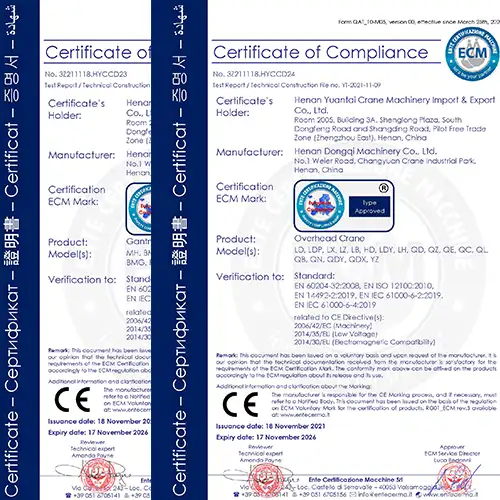
Each country or industry has its own rules—and ignoring them can cause big trouble. From CE certification in Europe to explosion-proof classifications in petrochemical plants, overlooking compliance can result in rejection at inspection or voided insurance.
Avoid this by:
Example: Some buyers forget that using a crane in a hazardous zone requires not just an explosion-proof hoist, but also explosion-proof motors, switches, and even cables.
Final Thought: Plan with the End in Mind
The easiest mistakes to make are the ones you only notice when it’s too late—like the crane being too short to reach the far end of the workshop, or the hoist not having the speed you expected.
Prevent these pitfalls by communicating clearly with your supplier, asking detailed questions, and double-checking the specs. A few extra days spent planning can save months of headaches down the road.
Getting a quote for an overhead crane may seem as simple as asking for a price—but that rarely gives you the full picture. In reality, a quote is only as accurate as the information you provide. And comparing quotes without understanding the breakdown can lead to underbuying, overspending, or receiving something that doesn't fit your facility.
This section shows how to request precise offers and avoid hidden costs.
Information to Provide Suppliers for Precise Quotes
The more complete your inquiry is, the faster and more accurately a supplier can quote your project. Vague requests like “I need a 10-ton crane” often result in ballpark numbers that don’t reflect your actual needs—or leave out critical items.
Always include the following:
Tip: Include photos or layout drawings if available. A sketch of your workshop helps more than you might think.
Questions to Ask Potential Manufacturers or Suppliers
Not all suppliers offer the same scope, service level, or engineering quality. Asking smart questions helps you filter out suppliers who might cut corners or aren't suited to your project scale.
Ask these questions before making a decision:
Bonus: If you’re buying from overseas, confirm if they can assist with export customs, packing, and shipping insurance.
Understanding Hidden Costs
A crane quote might look affordable at first glance—but unless it’s a complete package, you could be facing unexpected costs down the line. These often aren’t malicious omissions; sometimes, suppliers assume the buyer already has infrastructure or knows what’s excluded.
Watch out for:
Tip: Ask for a quote “with full scope including shipping and installation supervision” and one “for crane equipment only” so you can compare apples to apples.
Final Advice: Don’t Just Look at the Bottom Line
Price is important—but the value of what you’re getting matters more. A cheaper crane with missing components, a weak hoist, or poor after-sales support may cost more over time than a higher-quality system that works reliably for years.
Ask for clarity. Read the specs. And most importantly, choose a supplier that understands your needs and responds to questions thoroughly.
The average price of an overhead crane typically ranges from $4,000 to $150,000 or more, depending on lifting capacity, span length, lifting height, hoist type, and automation level. Light-duty cranes (1–5 tons) are usually the most affordable, while heavy-duty cranes (30–50 tons) require stronger structures and advanced components, significantly increasing the price.
A 1–5 ton overhead crane generally costs $4,000 to $15,000.
These cranes are commonly used in small workshops, warehouses, and maintenance areas. Most models use single girder designs with chain or wire rope hoists, making them cost-effective for light industrial lifting.
The typical price for a 6–10 ton overhead crane ranges from $8,000 to $25,000.
These cranes are suitable for medium-duty operations such as machine shops, equipment repair lines, and general manufacturing facilities.
An 11–20 ton overhead crane usually costs $18,000 to $60,000, depending on span, lifting height, and hoist configuration.
In this range, many systems transition to double girder designs to provide higher lifting height and stronger structural stability.
The price of a 21–30 ton overhead crane typically ranges from $35,000 to $90,000.
These cranes are commonly used in heavy industrial environments, including foundries, steel processing plants, and large assembly lines.
A 31–50 ton overhead crane can cost $60,000 to $150,000 or more.
These high-capacity cranes are designed for continuous heavy-duty operations in industries such as steel mills, shipbuilding, and energy infrastructure.
Several factors influence the total cost of an overhead crane, including:
These factors can significantly change the final price even for cranes with the same lifting capacity.
Yes. Single girder overhead cranes are generally more affordable because they require less steel and simpler components.
They are commonly used for 1–20 ton lifting tasks.
Double girder cranes cost more but provide higher lifting capacity, greater lifting height, and better durability for heavy industrial applications.
Besides the crane itself, buyers should also consider:
These costs can add 20–40% to the total project budget.
To receive an accurate quotation, buyers should provide detailed project information, including:
Providing complete information helps manufacturers recommend the most suitable crane configuration and avoid unnecessary costs.
If you'd like, I can also help you create:
Buying an overhead crane—especially in the 1 to 50-ton range—is a big decision. It affects not just your budget, but also your workshop layout, production flow, and long-term maintenance responsibilities. Whether you're setting up a new line or upgrading an old crane, thoughtful planning and clear communication with your supplier can make a world of difference.
Need Help Choosing the Right Crane?
If you're currently planning or budgeting for an overhead crane and want expert guidance:
Here's what you can do next:
If you need a tailored quote or technical suggestion based on your actual workshop setup, feel free to contact our team. We can help you:
We, Yuantai Crane, has worked with clients from steel mills, machinery workshops, foundries, and logistics centers across 50+ countries. Whether you're sourcing a basic 5-ton crane or a fully customized 50-ton solution, we're ready to help.
Access our product brochures, technical datasheets, manuals, and company documents.Download brochures, technical documents, and product information to learn more about Yuantai Cranes’ solutions.
Watch Yuantai Cranes in action through product demonstrations, installation guides, and real-world lifting applications. Our videos showcase crane performance, reliability, and advanced lifting solutions across various industries.
Check Yuantai Cranes’ products, industrial applications, installation projects, customer experiences, and global events and shows that showcase our expertise, quality, and commitment to reliable lifting solutions.
Use our interactive configurators to quickly select and customize crane solutions based on your lifting requirements. Find the right equipment by adjusting key parameters such as capacity, span, lifting height, and application conditions
Need Latest Crane Price? Please leave us the required Crane's Capacity, Lifting Height, Span, Travelling Length & Voltage for Quick Quotation. Yuantai Crane www.bettercrane.com

Hi, there. I'm Lydia Liang, in Yuantai Crane since 2016. With years experiences in material handling crane equiment and industries ,we know so well about chinese cranes and chinese crane maufacuers , the advantages and limitations. Contact us now to check what we, Yuantai Crane, can do for you! And we will reply your inquiry within 24 working hours.

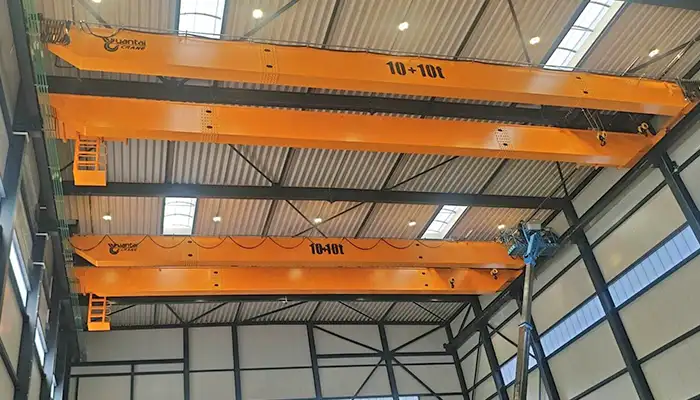
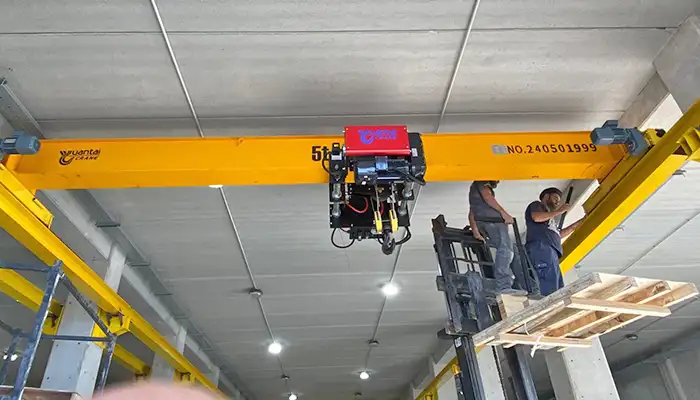
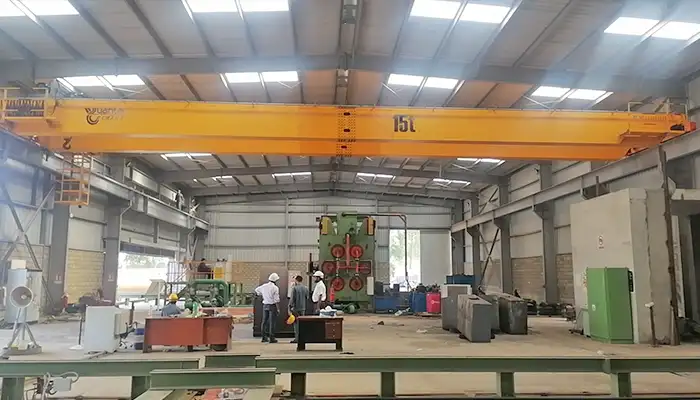
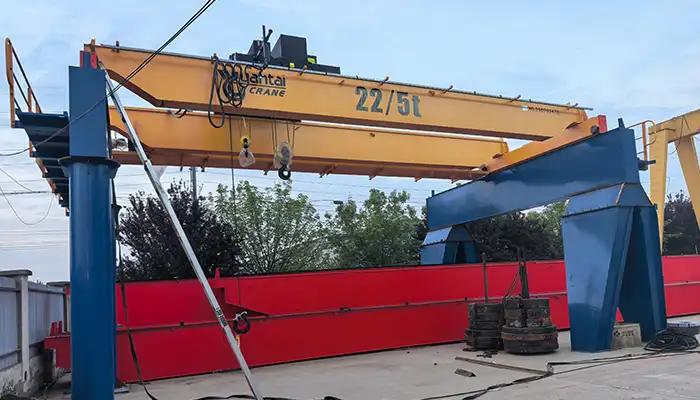
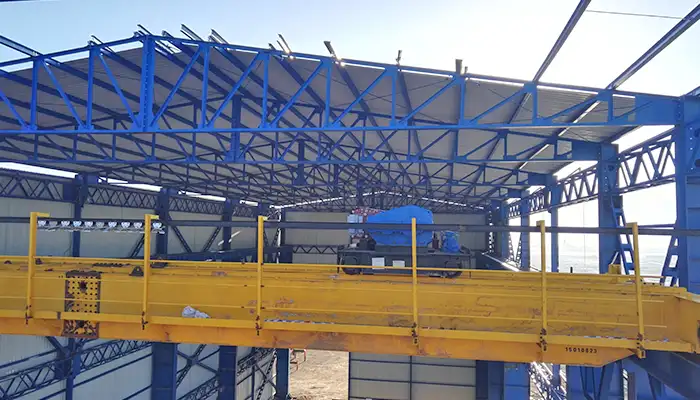
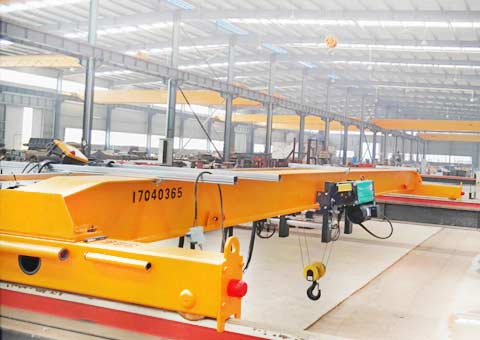
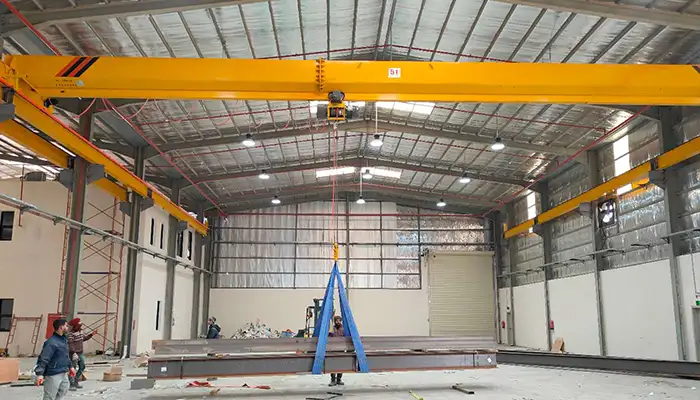 Single girder 5 ton overhead crane with relatively lower price