Yuantai BetterCrane | Energy-Saving | Space-Saving | Cost-Efficient | CE/ISO/EX

yuantai crane
yuantai crane

Custom Gantry Cranes As Per Your Specifications: Any Capacity, Span & Lifting Height to Fit Your Needs (1–550 Ton)

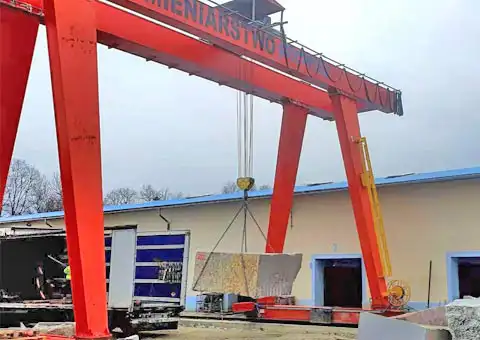
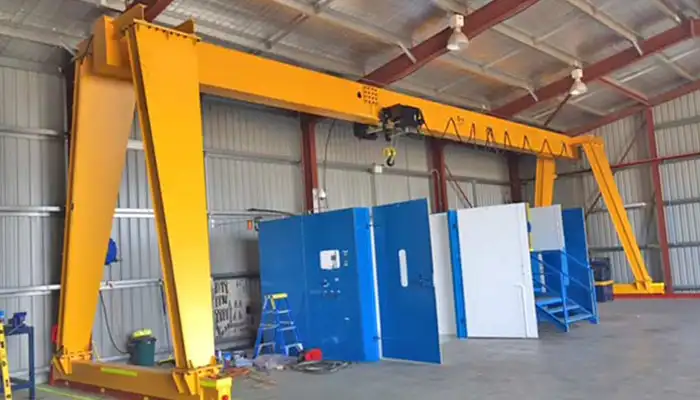
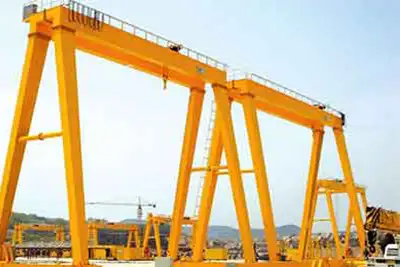
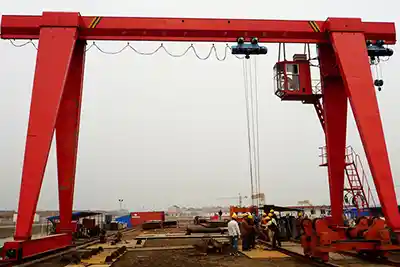
A gantry crane system is a bridge overhead crane variation in which two support legs are installed under the main beam and run directly on the ground track. Gantry cranes are available in a variety of styles and designs to meet a variety of lifting needs.

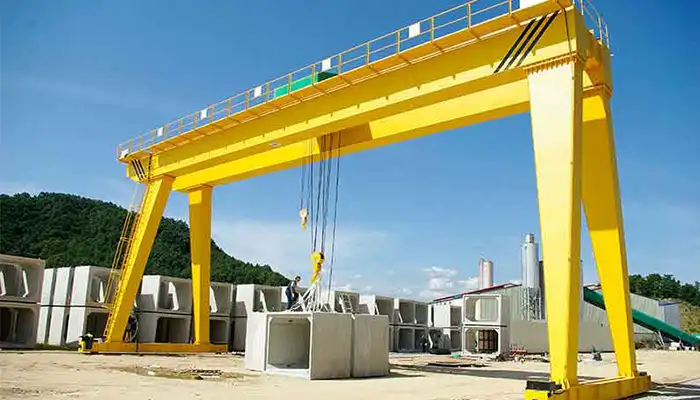
There are three types of gantry cranes based on their gantry frame structure: full gantry cranes, semi gantry cranes, and cantilever gantry cranes. They are classified as single beam gantry cranes or double beam gantry cranes based on the main beam structure. There are two main beam structures to choose from: box-shaped structure and truss structure. There are general gantry cranes, container gantry cranes, shipyard gantry cranes, and hydro-power station gantry cranes, depending on the application.

Portable Gantry Crane Specifications & Crane Price

portable gantry crane specifications

Portable Gantry Crane For Sale

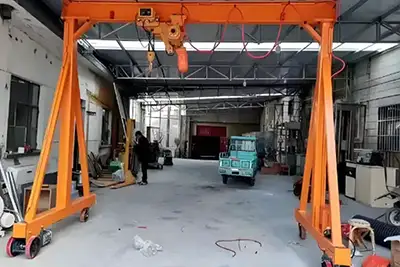
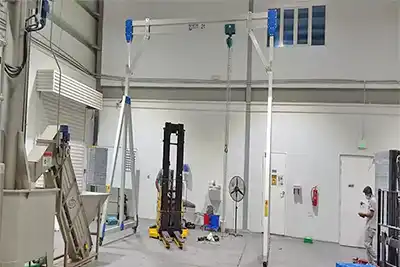
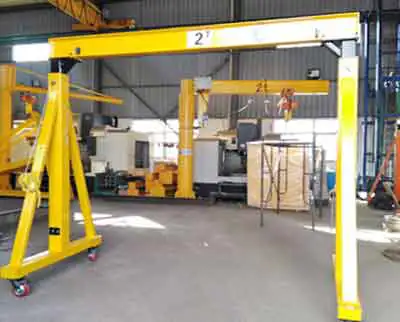
The portable gantry crane is versatile and portable, and it may be used in a variety of settings and transferred to new locations at any time after use. It is a great piece of material handling cranes for loads handling under ten tons.

  • Lifting Capacity of Portable Gantry Crane: 0.25~10 ton
  • Lifting Height of Portable Gantry Crane: 1~9m
  • Span of Portable Gantry Crane: 2~12m
  • Working Duty of Portable Gantry Crane: A3, A4

Main Crane Specifications and Crane Price for Your Reference


Portable Gantry Crane

Span(m)

Lifting Height(m)

Power Supply(V)

Price(USD)

0.25 ton

2~12

1~9

220-480/3/50

$900~9000

0.5 ton

2~12

1~9

220-480/3/50

$1200~12000

1 ton

2~12

1~9

220-480/3/50

$1500~15000

2 ton

2~12

1~9

220-480/3/50

$2000~20000

3 ton

2~12

1~9

220-480/3/50

$3000~30000

5 ton

2~12

1~9

220-480/3/50

$4500~46000

10 ton

2~12

1~9

220-480/3/50

$7000~65000

The above-mentioned portable gantry gantry cranes' prices are provided as a reference, which are subject to change at any time based on market conditions. Please get in touch with us if you need a precise gantry crane price soon.

For other special lifting weights, Yuantai Crane Crane supports custom designs. If you need them, you can contact us.

Single Girder Gantry Crane Specifications & Crane Price

single girder gantry crane specifications

Single Girder Gantry Crane For Sale

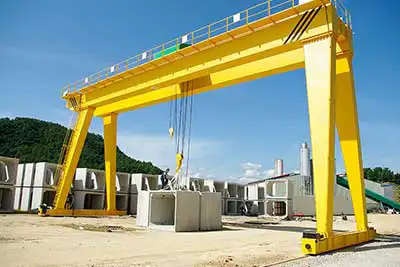
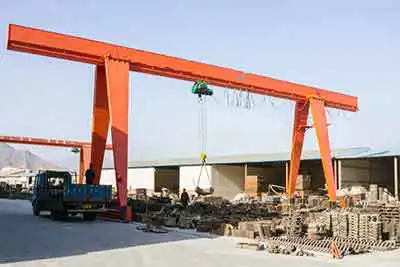
The single girder gantry crane, which can be equipped with a dual-speed electric hoist, is frequently used in warehouses, ports, hydroelectric power plants, and other outside locations. The single beam gantry crane are usually used for handling loads with capacity from 1 ton to 20 ton.

  • Lifting Capacity of Single Girder Gantry Crane: 1~20 ton
  • Lifting Height of Single Girder Gantry Crane: 6-30m
  • Span of Single Girder Gantry Crane: 7.5~35m
  • Working Duty of Single Girder Gantry Crane: A3, A4

Main Crane Specifications and Crane Price for Your Reference


Single Girder Gantry Crane

Span(m)

Lifting Height(m)

Power Supply(V)

Price(USD)

1 ton

7.5~31.5

6~30

220-480/3/50

$2200~40000

2 ton

7.5~31.5

6~30

220-480/3/50

$2500~40800

3 ton

7.5~31.5

6~30

220-480/3/50

$2600~41000

5 ton

7.5~31.5

6~30

220-480/3/50

$3000~41500

10 ton

7.5~31.5

6~30

220-480/3/50

$4000~45000

16 ton

7.5~31.5

6~30

220-480/3/50

$5000~48000

20 ton

7.5~31.5

6~30

220-480/3/50

$6000~50000

25 ton

7.5~31.5

6~30

220-480/3/50

$8000~56000

The cost of the single girder gantry cranes is provided as a reference only and is subject to change at any time in accordance with the market. Please get in touch with us if you need a precise single girder gantry crane price soon.

Request Your Quote

Double Girder Gantry Crane Specifications & Crane Price

double girder gantry crane specifications

General-purpose Double Girder Gantry Crane

Double Girder Gantry Crane For Sale

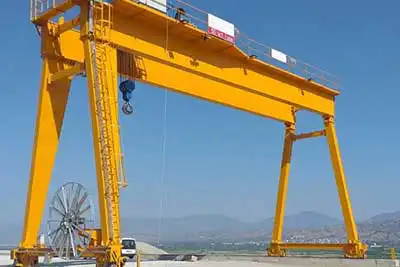
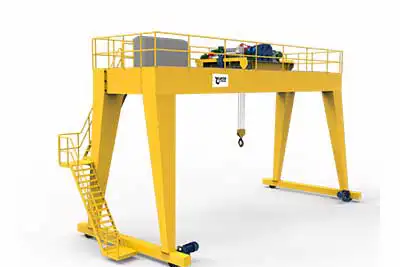
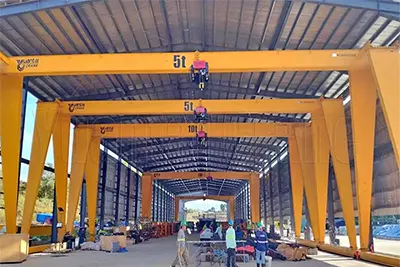
For general handling and lifting tasks, the double girder gantry crane is used in open warehouses or along rail lines. The double girder gantry crane has a lifting capacity of 5 to 500 tons.

  • Lifting Capacity of Double Girder Gantry Crane : 5~500 ton
  • Lifting Height of Double Girder Gantry Crane: 6-30m
  • Span of Double Girder Gantry Crane: 7.5~35m
  • Working Duty of Double Girder Gantry Crane: A3, A4, A5

Main Crane Specifications and Crane Price for Your Reference


Double Girder Gantry Crane

Span(m)

Lifting Height(m)

Power Supply(V)

Price(USD)

1 ton

7.5~31.5

6~30

220-480/3/50

$4000-60000

2 ton

7.5~31.5

6~30

220-480/3/50

$4500-62000

3 ton

7.5~31.5

6~30

220-480/3/50

$5000-66000

5 ton

7.5~31.5

6~30

220-480/3/50

$5800-72000

10 ton

7.5~31.5

6~30

220-480/3/50

$6500-79000

16 ton

7.5~31.5

6~30

220-480/3/50

$7800-86000

20 ton

7.5~31.5

6~30

220-480/3/50

$8600-95000

25 ton

7.5~31.5

6~30

220-480/3/50

$9800-110000

The double girder gantry cranes' prices are provided as a reference only and are subject to change at any time based on market conditions. Please get in touch with us if you need a precise double beam gantry crane price soon.

Request Your Quote

How to get the tailored gantry crane specifications and gantry crane price?

Each customer has different actual operating conditions, so a gantry crane with the same tonnage will cost a different amount. Lifting capacity, span, lifting height, power supply, the real working environment, and the specific needs of the customer are the primary factors that influence price. Any one factor that varies will result in a different price. Therefore, give us a detailed request that includes the following data if you'd want to know the cost of the gantry crane that suits your working requirements:

Gantry crane with tailored specificaiton for your particular needs
  • - Capacity for lifting
  • - Span (S) (S)
  • - Height of the lift (H)
  • - Power source (e.g. 380V 50Hz 3Phase)
  • -Crane traveling distance (L)
  • - Specific crane operating circumstances
  • -How many hours a day should the crane work?
  • -Should we provide you the crane's travelling rails?
  • - Other requirements

You can send an email to [email protected] or fill out the form at the bottom of this page with your gantry crane requirements. You will receive a detailed solution and offer when we design the gantry crane solution for you in accordance with your actual needs.

Request Your Quote



1 Ton Gantry Crane – Buy Portable & Adjustable Lifting Cranes

Explore 1-ton gantry cranes for workshops and job sites. Portable, adjustable, manual or electric hoists. Request a quote or download specs today.

Inquiry Online Leave a Message

3 Ton Gantry Crane for Sale – Compact & Customizable

Buy a 3 ton gantry crane from Yuantai Crane. Compact, flexible, and customizable for workshops, maintenance yards, and small fabrication plants.

Inquiry Online Leave a Message

2 Ton Gantry Cranes: Buyer’s Guide for Workshops & Factories

Learn to choose the right 2-ton gantry crane for your workshop—compare aluminum vs steel, hoists, mobility, safety, and cost. Get your 2 ton gantry crane!

Inquiry Online Leave a Message

50 Ton Gantry Crane for Sale

50 ton gantry crane for sale. 50 ton double girder gantry crane for wide industrial sector. Reliable crane supplier from China, Custom gantry crane design.

Inquiry Online Leave a Message

40 Ton Gantry Crane for Sale, Chinese 40 Ton Gantry Crane Maker & Supplier

40 ton gantry crane for sale. Double girder gantry crane 40 ton for indoor /outdoor use with A frame / U frame gantry, rubber tire / rail travelling for sale.

Inquiry Online Leave a Message

25 Ton Gantry Crane for Sale, Custom Gantry Crane for Sale

25 ton gantry crane for sale. Custom gantry crane with tailored gantry crane specifications for your particular needs. Check 25 ton gantry crane designs now.

Inquiry Online Leave a Message

20 Ton Gantry Crane for Sale, Good Price Gantry Cranes

20 ton gantry crane for sale, types of gantry cranes in single girder or double girder, full gantry or semi gantry crane designs to meet your needs. Check now.

Inquiry Online Leave a Message

15 Ton Gantry Crane For Sale, Good Price Custom Gantry Crane 15 Ton

15 ton gantry crane for sale. Types of gantry crane designs & configurations for your selection, cusotmized 15 ton gantry crane specifications for your applications.

Inquiry Online Leave a Message

12 Ton Gantry Crane for Sale, Indoor & Outdoor Gantry Crane

Indoor gantry & outdoor gantry crane 12 ton for sale. Types of gantry crane designs & configurations  are available to custom your indoor & outdoor cranes.

Inquiry Online Leave a Message

Cantilever Gantry Crane10 Ton for Sale, Outdoor Use Gantry Crane

10 ton gantry crane for sale, cantilever gantry cranes for outdoor use 10 ton for sale. Types of cantilever gantry cranes 10 ton for selection. Check now.

Inquiry Online Leave a Message

6 Ton Gantry Crane for Sale, Various Types & Designs, Economical Gantry Crane

6 ton gantry crane for sale good price, single girder gantry crane, economical electric hoist gantry, customized for your application. Check now.

Inquiry Online Leave a Message

5 Ton Gantry Crane- Single Girder Gantry Crane Design 5 Ton

Gantry Crane for sale 5 Ton, single beam girder, suspension hoist, remote control & pendant control gantry crane 5 ton for sale.

Inquiry Online Leave a Message

Portable A Frame Crane 0.5 Ton, 1 Ton, 2 Ton, 3 Ton, 5 Ton

A frame crane for sale. 2 ton small gantry crane with roller travelling & rail travelling, customized gantry crane are available. Design your a frame gantry crane now!

Inquiry Online Leave a Message
Tonnages & Specifications Basics

All you want to know

What is a gantry crane used for?What is difference between overhead and gantry crane?Why is it called a gantry crane?How much weight can a gantry crane lift?

Key Gantry Crane Specifications Buyers Must Know

Understanding the right gantry crane specifications is crucial for buyers who want reliable performance, safety, and long-term value. Choosing a crane isn't just about picking a model off the shelf—it's about matching its design and capabilities to your actual operations. Below, we'll break down the key specifications you need to consider.

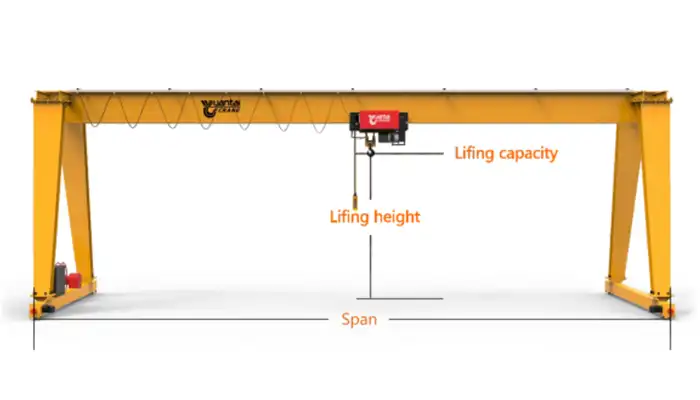
Single girder gantry crane  main specificaitons - no cantilever type for indoor and outdoor use Single girder gantry crane  main specificaitons - no cantilever type for indoor and outdoor use 
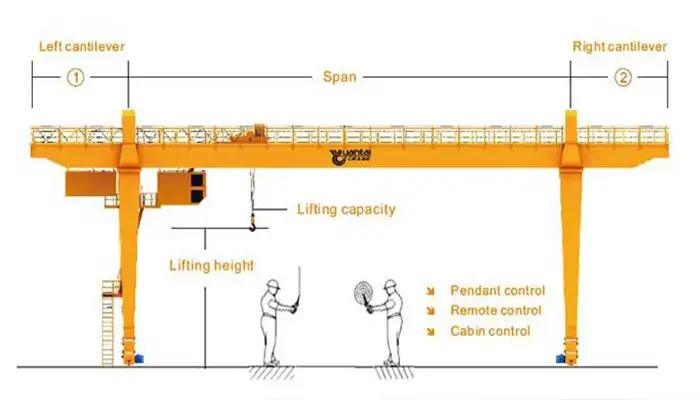
Double girder gantry crane main specification, double cantilever type, typically for outdoor yard use Double girder gantry crane main specification, double cantilever type, typically for outdoor yard use 


One of the first questions you'll face is: "How much weight will I actually lift?" This is more than just picking the heaviest load you expect. Consider how often that weight will be lifted and whether the crane can handle occasional peaks safely.

  • Maximum vs Average Loads: Regularly lifting near the crane's maximum requires higher capacity to avoid wear. Occasional heavy lifts impact motor sizing, hoist selection, and structural integrity.
  • Safety Margins: Include at least 10–20% above your heaviest load to ensure reliability and compliance with ISO 4301 or FEM duty classes.
  • Industry Standards: Verify compliance with local or international safety standards covering overload protection, brakes, and mechanical strength.

Practical tip: Request a load curve or duty cycle chart from your supplier to see real-world performance.

The span of a gantry crane—the distance between its legs—determines coverage area and stability under load.

  • Calculating Span: Measure workspace including stacking/storage zones and add extra clearance to avoid collisions.
  • Single vs Double Girder: Single girder cranes are lighter and cheaper but have lower capacity and shorter spans. Double girder cranes handle heavier loads more stably but require stronger foundations.
  • Runway and Ground Support: Ensure beams or rails support the crane weight plus dynamic loads. Ground quality, welding, and concrete strength are crucial for safety.

Practical tip: If future expansion is possible, plan for extra span or modular runway adjustments for easier upgrades.

Hook height affects stacking, clearance, and workflow efficiency.

  • Adequate Clearance: Ensure hooks reach the tallest load plus additional clearance for safety.
  • Lifting Stroke: Vertical travel of the hoist determines lifting speed and efficiency; longer strokes may require stronger mechanisms.

Practical tip: For containers, pallets, or steel slabs, measure the tallest stack and add at least 0.5 meters for safe maneuvering.

The material and structure affect durability and performance. Steel quality and design standards determine how long the crane will operate safely.

  • Steel Grade: High-strength, low-alloy steel is recommended for durability, especially in industrial or outdoor settings.
  • Corrosion Resistance: Outdoor cranes require anti-corrosion coatings or galvanization to withstand rain, chemicals, or coastal air.
  • Frame Type: Lightweight frames are easier to install; heavy-duty frames handle larger loads and harsher environments. Match frame type to operation frequency and load types.

Practical tip: Request structural drawings or FEM classification for a clear understanding of stress handling.

Power supply affects crane operation, energy use, and maintenance requirements.

  • Single vs Three-Phase: Small indoor cranes may use single-phase; larger outdoor cranes require three-phase for efficiency.
  • Frequency and Speed Control: Variable frequency drives allow smooth acceleration and precise positioning, reducing sway and mechanical stress.
  • Electrical Protection: Wet, dusty, or explosive environments need sealed motors, IP-rated controls, and explosion-proof wiring.

Practical tip: Ensure voltage and phase compatibility to prevent costly modifications during installation.

Control method affects productivity, safety, and operator comfort.

  • Control Options: Manual push-button, semi-automatic, or fully automated systems—choose based on task complexity and precision needs.
  • Safety Devices: Limit switches, overload sensors, and anti-collision devices prevent accidents and equipment damage.
  • Remote Operation: For large or outdoor cranes, wireless control improves safety and visibility.

Practical tip: Test safety systems under real operating conditions before final acceptance.

Consider how and where the crane will move, and ease of installation or modification.

  • Fixed vs Mobile: Fixed cranes are stable and robust; mobile cranes can be relocated for flexible layouts.
  • Wheels and Track: Wheel type, track gauge, and floor strength affect smoothness and load distribution.
  • Modular Design: Modular cranes ship in sections for easier transport, assembly, and future expansion.

Practical tip: Check foundation plans and site leveling; even slight slopes can cause uneven load distribution and mechanical issues.

Customization Considerations for Buyers

Not every gantry crane is one-size-fits-all. The environment, the materials you handle, and your operational workflow can all require specific modifications. Understanding what can be customized—and why—helps you avoid costly adjustments later.

When cranes operate outside, exposure to rain, sun, wind, or coastal air can quickly damage standard equipment. Buyers often underestimate the importance of weatherproofing and corrosion resistance.

  • Weatherproof Covers: Enclosing electrical components, motors, and control panels protects against water ingress and dust accumulation.
  • Anti-Corrosion Treatments: Galvanized steel, powder coatings, or epoxy paints extend the service life of the crane structure.
  • UV and Temperature Resistance: For sunny regions or extreme climates, coatings that resist heat expansion or UV damage prevent warping and premature wear.

Practical tip: Ask suppliers to provide IP ratings for motors and control boxes. IP55 or higher is ideal for outdoor applications where dust and moisture are present.

Some industries, like electronics assembly, chemical handling, or precision metal fabrication, need cranes that can move loads smoothly and accurately. High-precision cranes reduce load sway and prevent damage.

  • Smooth Hoisting Mechanisms: Variable frequency drives and fine-speed controls allow delicate positioning.
  • Enhanced Alignment: Double-girder structures or reinforced tracks improve stability for heavy or sensitive materials.
  • Repeatable Operations: Semi-automatic or automated systems ensure the same movement patterns for repetitive tasks, reducing errors.

Practical tip: If your materials are fragile or extremely heavy, request a demo or simulation of the crane's lifting accuracy before finalizing the order.

Different industries place different demands on crane design. Understanding these needs upfront ensures the crane will work reliably in your environment.

  • Steel Mills: Require cranes with high lifting capacity, heat-resistant coatings, and heavy-duty wire rope or magnet hoists.
  • Ports and Shipping Yards: Often need mobile or gantry cranes with long spans, weatherproof electricals, and wide hook reach for containers.
  • Shipyards: Cranes may require customized hook heights, modular sections for large loads, or corrosion-resistant coatings for salty air.

Practical tip: Share detailed information about your facility, material types, and handling methods with your supplier. The more specific they are, the more precise the customization.

The choice of hoist affects load handling efficiency, precision, and durability. Different materials or operational needs may require specific hoist types.

  • Electric Hoists: Ideal for smooth, controlled lifting in standard environments. They are easy to maintain and energy-efficient.
  • Wire Rope Hoists: Suitable for heavy-duty operations or long spans. They offer durability and reliability for frequent, high-capacity lifting.
  • Chain Hoists: Better for lower-capacity, rugged environments. Compact and easy to install, but may be slower than wire rope options.

Practical tip: Consider whether your operation involves frequent load changes or high-cycle lifting. Wire rope hoists handle repetitive heavy work better, while chain hoists work well for smaller, intermittent loads.

Practical Tips for Spec Selection

Choosing the right gantry crane specifications is one thing—but applying them correctly to your facility and workflow is where many buyers run into trouble. A crane may meet the load chart on paper, but if installation, maintenance, or environmental conditions aren't considered, it can lead to downtime, costly repairs, or even safety hazards. Here are some practical tips to make sure your spec selection works in the real world.

It's tempting to base your crane selection only on the average load you handle, but this can be risky. Every operation has moments when loads exceed the average weight.

  • Peak Load Considerations: Identify the heaviest load you expect to lift and add a safety margin of at least 10–20%.
  • Overload Scenarios: Even occasional overloads stress motors, hoists, and structural components. Check if the crane's duty cycle can handle short-term spikes.
  • Duty Classification: Verify the crane's FEM or ISO duty class to ensure it matches your lifting frequency and load weights.

Practical tip: Keep a record of maximum loads over several months. Real-world data helps prevent under-specification and ensures long-term reliability.

Even the best crane won't function properly if it doesn't fit the space or if the supporting structure is inadequate.

  • Hook Clearance: Measure vertical and horizontal clearance carefully so the crane can reach all required lifting points without obstruction.
  • Runway Beam Capacity: Ensure runway beams, rails, or floors support the crane weight plus dynamic loads during operation.
  • Foundation Strength: Confirm concrete foundations or ground supports meet manufacturer specifications. Weak foundations can cause misalignment, vibration, or structural issues.

Practical tip: Conduct a site survey with both your structural engineer and the crane supplier before finalizing specifications.

A crane that is difficult to service will cost time and money. Consider long-term maintenance when selecting specifications.

  • Maintenance Access: Ensure motors, gearboxes, and control panels are reachable for inspection and repairs.
  • Spare Parts Availability: Confirm the manufacturer can supply replacement parts locally or internationally to avoid downtime.
  • Service Intervals: Features like easy-lubrication points or modular components help reduce downtime.

Practical tip: Request a preventive maintenance plan tailored to your crane's duty cycle and operating conditions.

Where your crane operates can be just as important as what it lifts. Temperature, humidity, dust, or chemical exposure all affect equipment longevity and safety.

  • Temperature and Humidity: Extreme heat or cold can impact motors, lubricants, and electrical systems. Choose materials and coatings suitable for your climate.
  • Dust and Particles: For steel mills, woodworking, or cement plants, ensure motors and controls are sealed or filtered to prevent clogging or overheating.
  • Chemical Exposure: In chemical plants or outdoor storage yards with corrosive materials, anti-corrosion coatings, stainless components, or special sealing may be required.

Practical tip: Provide your supplier with detailed environmental conditions to ensure coatings, hoists, and electrical systems are rated appropriately for your site.

FAQ – Practical Buyer Questions About Gantry Crane Specifications

Selecting the right gantry crane is more than just choosing a lifting device—it's about matching capacity, structure, control systems, and environmental adaptations to your operations. Below are the most common buyer questions, with practical insights into specifications.

Picking the correct lifting capacity isn't just about the heaviest item. You have to consider how often you lift, the type of load, and even future growth.

  • Maximum vs Average Load: Identify the heaviest load your crane will lift regularly and consider occasional overloads.
  • Duty Cycle and Frequency: Cranes lifting heavy loads continuously need stronger motors, hoists, and reinforced girders.
  • Safety Margin: Add at least 10–20% over the heaviest load for safety.
  • Hoist Type Matters: Wire rope hoists suit heavy, repetitive lifts; chain hoists work better for lighter, less frequent loads.

Practical tip: Ask your supplier for a load curve or duty cycle rating to ensure the crane can handle your real-world operations safely.

The girder configuration directly affects the crane's span, stability, and lifting capacity.

  • Single Girder: Best for shorter spans and lighter loads. Easier to install and maintain.
  • Double Girder: Required for longer spans, higher capacities, and more stable operation.
  • Span vs Runway Considerations: Ensure the crane can cover your workspace without overloading the structure. Longer spans may require reinforced runway beams.
  • Load Distribution: Double girder cranes distribute weight more evenly, reducing wear on wheels and rails.

Practical tip: Review your facility layout carefully and measure clearances to avoid choosing a crane that's too short or too heavy for your space.

Environmental conditions affect both structure and electrical systems.

  • Outdoor Cranes: Need corrosion-resistant steel, weatherproof electrical components, UV-resistant coatings, and often heavier frames to withstand wind or rain.
  • Indoor Cranes: Typically lighter, may have dust-resistant motors, but clearance and ceiling height still affect hook reach and lifting stroke.
  • Temperature and Humidity: Motors and gearboxes must be rated for your facility's climate to avoid overheating or premature wear.

Practical tip: Ask suppliers for IP ratings (water and dust protection) and confirm that coatings or materials match your operating environment.

Your facility's power setup affects crane speed, efficiency, and operational reliability.

  • Single vs Three-Phase Power: Small indoor cranes can use single-phase, while heavy-duty or outdoor cranes usually require three-phase systems.
  • Frequency Control and Speed Regulation: Smooth lifting and positioning reduce load sway and mechanical stress.
  • Voltage Compatibility: Ensure the crane matches your local supply to avoid costly electrical upgrades.

Practical tip: Verify if the crane can handle voltage fluctuations common in your region—especially for industrial or port applications.

Yes. Gantry cranes can be tailored for material type, load handling method, or precision requirements.

  • Hoist Options: Electric, wire rope, or chain hoists based on load weight and frequency.
  • Attachments: Clamps, magnets, vacuum lifters, or hooks can be customized for steel plates, coils, or containers.
  • High-Precision Operation: Variable frequency drives, semi-automatic, or fully automated cranes improve load positioning.
  • Industry-Specific Adaptations: Steel mills, shipyards, and ports often require reinforced frames, long spans, or specialized coatings.

Practical tip: Provide detailed load dimensions, weight, and handling method to the supplier for precise customization.

Proper planning ensures the crane operates safely and efficiently over time.

  • Access for Maintenance: Motors, gearboxes, and hoists should be easy to inspect and service.
  • Spare Parts Availability: Check if parts are available locally or if the supplier can ship quickly.
  • Lubrication Points and Safety Checks: Ensure all moving parts are accessible and easy to maintain.
  • Inspection of Runway, Wheels, and Girders: Regular checks prevent misalignment or uneven wear.

Practical tip: Ask your supplier for a preventive maintenance schedule and confirm the crane's design allows for easy servicing without halting production.

Safety isn't optional—it's legally required and crucial for workplace protection.

  • Local Standards: Verify which industrial standards apply (ISO, CE, ANSI, or regional regulations).
  • Manufacturer Certifications: Ensure the crane comes with proper quality and safety certifications.
  • Inspections and Testing: Ask about load testing, electrical safety checks, and structural integrity tests before acceptance.
  • Operator Training: Some regulations require certified operators for heavy or specialized cranes.

Practical tip: Work with certified suppliers who can provide documentation for audits, insurance, and regulatory compliance.

Get a quote    Energy-Saving | Space-Saving | Cost-Efficient | CE/ISO/EX

Inquire Yuantai Crane Now

Need Latest Crane Price? Please leave us the required Crane's Capacity, Lifting Height, Span, Travelling Length & Voltage for Quick Quotation. Yuantai Crane www.bettercrane.com