
Yuantai Crane for Better Solutions:
Energy-Saving | Space-Saving | Cost-Efficient | CE/ISO/EX
Learn to choose the right 2-ton gantry crane for your workshop—compare aluminum vs steel, hoists, mobility, safety, and cost. Get your 2 ton gantry crane!
2 Ton Gantry Cranes: Buyer’s Guide for Workshops & Factories
| Product Type: | 2 Ton Gantry Cranes |
|---|---|
| Lifting Capacity: | 2 Ton, 2,000KG |
| Span: | As your request |
| Lifting Height: | As your request |
| Working Class: | A3-A4 |
| Ambient Temperature: | -20-+40 ℃ |
| Crane Price Rangs | More Inquiry Form |
| $800 to $1,500 | |
| [email protected] 008615038346929 | |
2 Ton Gantry Cranes: Complete Buyer’s Guide for Workshops & Factories
Learn how to choose the right 2-ton gantry crane for your workshop or factory. Compare aluminum vs steel cranes, hoist options, mobility, safety, and cost to make the best purchase decision.
When it comes to moving heavy materials in small-to-medium workshops or factories, a 2-ton gantry crane is often the go-to solution. It’s compact enough to fit in tighter spaces but still strong enough to handle a wide range of lifting tasks, from machine parts to raw materials. Many workshop managers underestimate how much a properly chosen gantry crane can improve day-to-day operations, but even a small crane can save time, reduce manual labor, and improve overall workflow.
This guide is designed specifically for crane buyers and decision-makers who want practical advice on choosing the right 2-ton gantry crane for their facility. Instead of vague marketing promises, you’ll find clear, hands-on information about the types of cranes available, mobility options, hoist choices, and safety considerations. By the end, you should feel confident about making a purchase that fits your workshop’s needs and budget.
Why a 2-Ton Gantry Crane Matters
A small-to-medium workshop or factory might not require the huge lifting capacity of industrial bridge cranes, but the right 2-ton gantry crane can make a noticeable difference. Here’s why:
- Efficiency: Reduces manual lifting, speeds up production, and lets your team focus on higher-value tasks.
- Safety: Proper lifting equipment reduces the risk of workplace injuries from heavy or awkward loads.
- Cost-effectiveness: Smaller cranes are less expensive to buy, maintain, and operate, but still handle most workshop lifting needs.
- Flexibility: Many 2-ton gantry cranes are portable or semi-portable, allowing you to move them where you need them most.
Even if your operations are modest, investing in the right gantry crane can make daily workflow smoother and safer. This guide will break down exactly what to look for so you don’t end up buying a crane that doesn’t match your lifting tasks, space, or budget.
Who Should Consider a 2 Ton Gantry Crane
Not every workshop or factory needs a giant overhead crane, but a 2-ton gantry crane hits the sweet spot for many small-to-medium operations. It's strong enough to handle common lifting tasks, yet compact and flexible for tighter spaces. If you're wondering whether this crane fits your facility, this section will help you decide.
A 2-ton gantry crane is particularly practical in industries where loads are moderate and mobility is helpful:
- Workshops: Automotive repair, metalworking, and fabrication shops.
- Small factories: Electronics assembly, light machinery manufacturing, and small-scale production lines.
- Maintenance areas: Lifting heavy parts, motors, or machine components during repair or replacement.
- Assembly lines: Moving components between workstations without slowing production.
The crane isn't just for operators—it's for anyone responsible for smooth workshop operations:
- Procurement managers looking to buy equipment that balances cost and functionality.
- Plant engineers who need to plan layout, floor load, and workflow efficiency.
- Workshop supervisors responsible for daily operations and safety compliance.
Here's where a 2-ton gantry crane really shines:
- Light-to-medium lifting tasks: Perfect for loads up to 2 tons, including machinery parts, raw materials, or molds.
- Flexible mobility needs: Many models are portable or semi-portable, allowing you to move them around the workshop as needed.
- Space-constrained environments: Ideal for shops with limited ceiling height or floor space where a large overhead crane wouldn't fit.
If your facility matches any of these industries, users, or scenarios, a 2-ton gantry crane can make daily operations safer, faster, and more efficient. It's a small investment with immediate practical benefits for the team on the floor.
Key Features to Look for When Buying
Choosing the right 2-ton gantry crane isn't just about picking the first model you see. There are several critical features that will affect daily operation, safety, and long-term value. Let's break down what buyers need to pay attention to.
Before anything else, make sure the crane can handle your heaviest loads safely. A 2-ton crane should have a rated lifting capacity of 2 tons, but you also need to consider the safety factor—the extra strength built into the crane to handle unexpected stress.
- Check the manufacturer's specified maximum load.
- Ensure the crane meets local safety standards and certifications.
- Factor in lifting frequency: frequent use might require a slightly higher capacity or reinforced structure.
Not all 2-ton gantry cranes are built the same. The main types are:
- Portable aluminum gantry cranes: Lightweight, easy to move, and ideal for workshops where the crane needs to be relocated frequently.
- Mobile steel gantry cranes: Heavier, more durable, suitable for repeated heavy lifting and long-term installation in one area.
Your choice depends on how often you need to move the crane and the type of loads you lift.
The span (distance between the legs) and lifting height can affect workflow efficiency.
- Make sure the crane can cover the workspace you need without obstructing other equipment.
- Adjustable height cranes offer flexibility for different load sizes or stacking requirements.
- Consider whether your ceiling height or floor layout limits crane movement.
The hoist is the part of the crane that actually lifts the load, and there are several types:
- Manual chain hoists: Simple, low-cost, but labor-intensive—best for light or infrequent lifts.
- Electric wire rope hoists: Faster, more efficient, and suitable for repetitive lifting tasks.
- Electric chain hoists: Compact, reliable, and ideal for small workshops with limited space.
Choose a hoist based on load weight, lifting speed requirements, and available power supply.
How you plan to move the crane is just as important as its lifting capacity.
- Wheeled gantry cranes: Easy to move across flat floors, often used for temporary setups.
- Rail-mounted cranes: Offer precise movement along a fixed path, better for assembly lines.
- Fixed setups: Installed permanently in one location—best for repeated heavy-duty lifting.
A crane is an investment, so look at long-term durability.
- Check the materials: aluminum for lightweight mobility, steel for strength.
- Look for corrosion resistance, especially in humid or outdoor environments.
- Consider maintenance needs: simpler designs often require less upkeep, saving time and money over the years.
Comparison: Portable Aluminum vs Mobile Steel Gantry Cranes
When selecting a 2-ton gantry crane, one of the biggest decisions is choosing between portable aluminum and mobile steel models. Both have their advantages, but knowing the differences can help you pick the right crane for your workshop or factory.
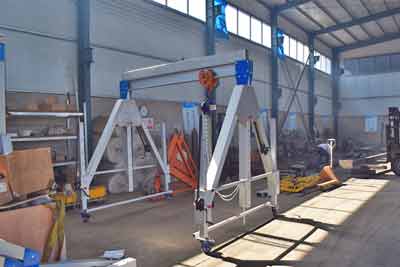
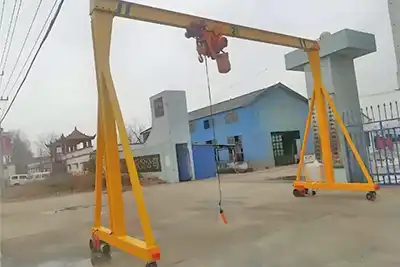
The most obvious difference is weight.
- Aluminum cranes are lightweight, making them easy to move around the workshop without extra equipment. This is ideal if you need a crane that can be relocated frequently.
- Steel cranes are heavier and more robust. They stay put better, handle repeated heavy lifting, and are generally more stable under full load.
How you plan to install the crane affects daily workflow.
- Portable aluminum gantry cranes usually require minimal assembly and can be set up in minutes. Perfect for temporary jobs or workshops that need flexible lifting solutions.
- Mobile steel gantry cranes might take more time to assemble or move, and in some cases are semi-permanent. They're better suited for areas where lifting tasks are repetitive and fixed.
Budget is always a factor.
- Aluminum cranes tend to have a lower upfront cost and are cheaper to move, but may wear faster under heavy or frequent loads.
- Steel cranes are more expensive initially but offer long-term durability, often reducing maintenance and replacement costs over time.
Choosing the right crane comes down to your specific workflow:
- Aluminum gantry cranes: Quick workshop tasks, occasional lifting, or setups that require frequent movement.
- Steel gantry cranes: Repeated heavy lifting, long-term installation, or situations where stability is critical.
Buying a 2-ton gantry crane can feel overwhelming if you're not sure what to prioritize. A clear checklist helps you make the right choice and avoid buying a crane that doesn't fit your workshop's needs. Ask yourself these questions first:
- What's the heaviest load I need to lift?
Knowing your peak load ensures the crane has enough capacity and safety margin. Don't forget to consider occasional heavier loads as well. - How often will the crane operate?
If the crane will be used multiple times a day, you may need a more robust model with an electric hoist. For occasional use, a manual or lighter aluminum crane might suffice. - Do I need a mobile or fixed crane?
Think about whether the crane needs to move across the workshop or stay in one location. Portability affects setup, workflow, and long-term convenience. - What's the workshop floor layout and available space?
Check the ceiling height, floor strength, and overall dimensions. Make sure the crane's span, height, and mobility fit the workspace without obstructing other equipment.
Practical Selection Checklist
Buying a 2-ton gantry crane can feel overwhelming if you’re not sure what to prioritize. A clear checklist helps you make the right choice and avoid buying a crane that doesn’t fit your workshop’s needs. Ask yourself these questions first:
Key Questions for Buyers
- What’s the heaviest load I need to lift?
Knowing your peak load ensures the crane has enough capacity and safety margin. Don’t forget to consider occasional heavier loads as well. - How often will the crane operate?
If the crane will be used multiple times a day, you may need a more robust model with an electric hoist. For occasional use, a manual or lighter aluminum crane might suffice. - Do I need a mobile or fixed crane?
Think about whether the crane needs to move across the workshop or stay in one location. Portability affects setup, workflow, and long-term convenience. - What’s the workshop floor layout and available space?
Check the ceiling height, floor strength, and overall dimensions. Make sure the crane’s span, height, and mobility fit the workspace without obstructing other equipment.
Quick Comparison Table
| Feature | Portable Aluminum Crane | Mobile Steel Crane | Notes / Buyer Considerations |
|---|---|---|---|
| Load Capacity | 2 tons | 2 tons | Both meet 2-ton lifting needs, consider safety factor for heavy use |
| Span | Adjustable, smaller | Adjustable, longer | Steel models can cover wider areas for repetitive lifting |
| Hoist Type | Manual / Electric Chain | Electric Wire Rope | Choose based on lifting frequency and speed needs |
| Mobility | High, easy to move | Moderate, semi-fixed | Aluminum for flexible workshops, steel for stability |
| Installation / Setup | Quick, minimal tools | Requires assembly | Consider time and manpower for setup |
| Durability & Maintenance | Moderate, light use | High, frequent use | Steel lasts longer under heavy repetitive loads |
Installation & Safety Considerations
Installing a 2-ton gantry crane isn't just about putting it together and starting to lift. Proper installation and safety measures are critical to protect your team and ensure smooth, long-term operation. Overlooking these details can lead to accidents, equipment damage, or costly downtime.
The crane needs a stable foundation.
- Make sure the workshop floor can handle the crane's weight plus the maximum load.
- Verify that the surface is level—uneven floors can cause the crane to wobble or tip, reducing safety and efficiency.
- For mobile cranes, check that wheel tracks or rails are aligned properly.
If you choose an electric hoist, check your facility's power setup:
- Ensure the voltage and current meet the hoist manufacturer's specifications.
- Plan for proper grounding and circuit protection to prevent electrical hazards.
- Consider if additional wiring or outlets are needed for portable or mobile cranes.
Keeping your team safe is non-negotiable. Look for:
- Emergency stop buttons easily accessible from the operator's position.
- Warning systems such as audible alarms or flashing lights during lifting operations.
- Proper training for all operators on safe use, load limits, and emergency procedures.
Even a small crane needs regular attention:
- Follow the manufacturer's recommended maintenance intervals for hoists, wheels, and structural parts.
- Keep essential spare parts on hand, such as hoist chains, wire ropes, or replacement wheels.
- Regular inspection helps prevent downtime and extends the crane's service life.
Cost & ROI Considerations
When buying a 2-ton gantry crane, the price tag is just one part of the equation. Smart buyers think about the total cost of ownership and the return on investment over time. A well-chosen crane can pay for itself quickly by improving efficiency and reducing labor costs.
- Initial cost: Aluminum cranes are usually cheaper upfront, while steel cranes cost more but offer greater durability.
- Operating costs: Electric hoists consume power, and maintenance adds up over time. Manual hoists have lower running costs but require more physical labor.
- Consider the balance between upfront investment and ongoing expenses to make a financially sound choice.
A crane that fits your workshop needs can save money in several ways:
- Reduced manual labor: Lifting heavy loads safely without extra manpower cuts labor costs.
- Faster workflow: Efficient material handling means production moves faster and downtime is minimized.
- Fewer workplace injuries: Safer lifting reduces accident-related expenses and lost time.
Some gantry cranes can be adapted to better suit your operations:
- Adjustable height or span for different lifting tasks.
- Modular components that allow future upgrades without buying a new crane.
- Optional attachments or hoists to handle specialized loads.
By considering both the upfront purchase and the long-term benefits, you can make a decision that maximizes value, efficiency, and safety in your workshop.
Buyer FAQs
Buying a 2-ton gantry crane often comes with practical questions from buyers. Here are the most common ones, answered clearly to help you make an informed decision.
Yes, many models are designed for mobility.
- Portable aluminum cranes can be moved easily across flat floors or even disassembled for transport.
- Mobile steel cranes can also be relocated but may require additional manpower or lifting equipment due to their heavier structure.
- Always consider the workshop layout and door widths to ensure smooth movement.
The choice depends on load frequency, speed, and budget:
- Manual hoists: Best for occasional lifting or very light tasks. Lower cost but require more physical effort.
- Electric hoists (chain or wire rope): Ideal for frequent lifting, faster operation, and heavier loads. Slightly higher initial cost but save labor and time in the long run.
With regular inspection and care, a 2-ton gantry crane can last 10–15 years or more, depending on usage:
- Inspect hoists, chains, and wheels regularly.
- Keep spare parts on hand for replacements.
- Lubricate moving parts and check structural integrity periodically.
Yes, many gantry cranes can be customized to handle specific loads:
- Lifting hooks for standard loads.
- Special clamps or trolleys for long or awkward items.
- Magnetic or vacuum attachments for metal sheets or delicate materials.
Case Studies & Videos
Seeing a 2-ton gantry crane in action can help buyers understand its real-world benefits. Here are two practical examples from workshops and factories:
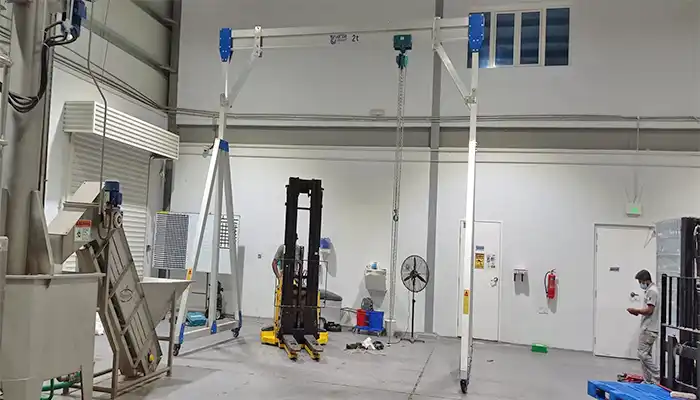
2-Ton Aluminum Gantry Crane in a Small Automotive Workshop
Conclusion
Choosing the right 2-ton gantry crane requires careful attention to several factors:
- Capacity: Make sure the crane meets your maximum lifting requirements.
- Mobility: Decide if portability or a fixed setup better fits your workflow.
- Hoist type: Manual or electric, depending on lifting frequency and load.
- Safety: Proper installation, training, and maintenance are essential.
Get Your Tailored Solution:
- Request a quote from reliable suppliers.
- Download a spec checklist to compare crane models.
- Consult with experts to match the crane to your workshop layout and lifting needs.
Investing in the right 2-ton gantry crane can make daily operations smoother, safer, and more efficient—whether you need it for occasional lifts or daily heavy-duty tasks.
Product Detail
Support

1 Ton Gantry Crane – Buy Portable & Adjustable Lifting Cranes
Explore 1-ton gantry cranes for workshops and job sites. Portable, adjustable, manual or electric hoists. Request a quote or download specs today. Read More
3 Ton Gantry Crane for Sale – Compact & Customizable
Buy a 3 ton gantry crane from Yuantai Crane. Compact, flexible, and customizable for workshops, maintenance yards, and small fabrication plants. Read More
2 Ton Gantry Cranes: Buyer’s Guide for Workshops & Factories
Learn to choose the right 2-ton gantry crane for your workshop—compare aluminum vs steel, hoists, mobility, safety, and cost. Get your 2 ton gantry crane! Read More
50 Ton Gantry Crane for Sale
50 ton gantry crane for sale. 50 ton double girder gantry crane for wide industrial sector. Reliable crane supplier from China, Custom gantry crane design. Read More
40 Ton Gantry Crane for Sale, Chinese 40 Ton Gantry Crane Maker & Supplier
40 ton gantry crane for sale. Double girder gantry crane 40 ton for indoor /outdoor use with A frame / U frame gantry, rubber tire / rail travelling for sale. Read More
25 Ton Gantry Crane for Sale, Custom Gantry Crane for Sale
25 ton gantry crane for sale. Custom gantry crane with tailored gantry crane specifications for your particular needs. Check 25 ton gantry crane designs now. Read More
20 Ton Gantry Crane for Sale, Good Price Gantry Cranes
20 ton gantry crane for sale, types of gantry cranes in single girder or double girder, full gantry or semi gantry crane designs to meet your needs. Check now. Read More
15 Ton Gantry Crane For Sale, Good Price Custom Gantry Crane 15 Ton
15 ton gantry crane for sale. Types of gantry crane designs & configurations for your selection, cusotmized 15 ton gantry crane specifications for your applications. Read More
12 Ton Gantry Crane for Sale, Indoor & Outdoor Gantry Crane
Indoor gantry & outdoor gantry crane 12 ton for sale. Types of gantry crane designs & configurations are available to custom your indoor & outdoor cranes. Read More
Cantilever Gantry Crane10 Ton for Sale, Outdoor Use Gantry Crane
10 ton gantry crane for sale, cantilever gantry cranes for outdoor use 10 ton for sale. Types of cantilever gantry cranes 10 ton for selection. Check now. Read More
6 Ton Gantry Crane for Sale, Various Types & Designs, Economical Gantry Crane
6 ton gantry crane for sale good price, single girder gantry crane, economical electric hoist gantry, customized for your application. Check now. Read More
5 Ton Gantry Crane- Single Girder Gantry Crane Design 5 Ton
Gantry Crane for sale 5 Ton, single beam girder, suspension hoist, remote control & pendant control gantry crane 5 ton for sale. Read More
Portable A Frame Crane 0.5 Ton, 1 Ton, 2 Ton, 3 Ton, 5 Ton
A frame crane for sale. 2 ton small gantry crane with roller travelling & rail travelling, customized gantry crane are available. Design your a frame gantry crane now! Read More
12-Ton Portable Gantry Crane Case Study – UAE Buyer Benefits
Check a UAE case study of a 12-ton rubber-tyred portable gantry crane, detailing practical features, real benefits, and key insights for buyers. Read More
25 Ton Single Girder Gantry Crane Case Study – Morocco
Check the successful delivery of 2 MH series 25-ton gantry cranes to Morocco, highlighting fabrication, assembly, and client satisfaction. Read More
20 Ton Single Girder Gantry Crane for Sale America, Good Price
20-ton single girder gantry crane with single-speed hoist, ideal for outdoor heavy lifting, 10m span, 460V power. Get your customized 20 ton gantry crane! Read More
Case Study: 32-Ton European Style Semi-Gantry Crane in Portugal
Case Study: High-Capacity 32-Ton European Style Semi-Gantry Crane for Sale, Perfect for Outdoor Operations in Portugal. Get your semi gantry crane design ! Read More
Smart 10 Ton Gantry Crane for Salt Chemical Plant Affordable Price
Smart gantry crane for sale. A tailored automatic gantry crane improving efficiency, reducing labor needs & optimizing energy use for salt chemical plant. Read More
Case Study: 20 Ton Gantry Crane for Industrial Use in USA
20-ton gantry crane enhances efficiency, reliability, and material handling for various industries in America. Get your design! Read More