3 to 20 Tons Overhead Cranes for Sale in Muscat and Oman
Explore overhead crane options in Oman tailored to local industries, workshop conditions, lifting needs, and regional installation requirements
Why Overhead Cranes Matter for Oman’s Growing Industry
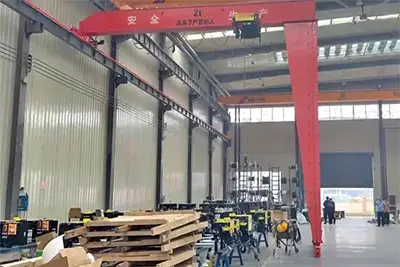
In Oman, overhead cranes have become essential equipment across many sectors — from steel fabrication and cement production to logistics, warehousing, and marine services. As industries grow and automation becomes more common, the need for efficient material handling is more obvious than ever. A good overhead crane system doesn’t just move heavy loads. It reduces manpower, improves safety, and keeps production lines running without costly delays.
You’ll find overhead cranes in steel yards lifting raw beams, in concrete plants moving molds, and in coastal logistics terminals transferring heavy cargo. Their value lies in how well they match the layout, lifting needs, and workflow of a specific facility.
Here’s what a well-matched crane can help you achieve:
- Reduce manual labor and forklift usage, especially for repetitive lifting tasks
- Ensure safer handling of heavy or bulky materials
- Speed up production cycles in fabrication or assembly lines
- Save floor space by utilizing overhead lifting paths
What This Guide Aims to Do
Choosing an overhead crane in Oman isn't one-size-fits-all. The right crane for a steel plant in Sohar isn’t going to be the same as what a maintenance shop in Muscat needs. Your industry, your building size, and even your region’s climate can influence what kind of crane fits best.
This guide walks you through practical questions and answers:
- What types of overhead cranes are commonly used in Oman?
- Which lifting capacities are most suitable for your operation?
- How do workshop conditions—like ceiling height or outdoor exposure—affect your crane choice?
- What should you prepare before requesting a quote?
By the end, you’ll have a clearer view of what to look for, and what to avoid, when investing in a crane for your workshop, yard, or production facility. And if you’re not quite sure? That’s okay too — we’re here to offer support every step of the way.
Regional Industrial and Crane Requirements Overview
Oman's industrial development varies widely across its governorates, and so do the demands for overhead cranes. In each area, the types of industries present—and the kinds of buildings and working environments they operate in—directly influence what kind of overhead crane is most practical and efficient. Below is a detailed breakdown of regional needs and what crane buyers in these areas should consider.
Al Batinah South: Heavy Lifting Near the Coast
Al Batinah South, especially around Sohar, is a hub for heavy industry. The region hosts large-scale steel rolling mills, fabrication yards, rebar plants, and port-related logistics zones. These facilities often operate in semi-outdoor environments with high ambient temperatures, coastal humidity, and airborne dust or salt, which makes corrosion resistance and structural strength essential.
Crane considerations for Al Batinah South:
- Double girder overhead cranes are commonly used for lifting steel coils, beams, and heavy fabrication components
- Gantry cranes are ideal for outdoor yards and loading areas where runway beams are not feasible
- Anti-corrosion painting and marine-duty electrical components are recommended due to exposure to sea air
- Lifting capacities often range from 10 to 50 tons, depending on the process (cutting, welding, storage, loading)
Buyers here should focus on durable, weather-protected crane systems that can handle high-cycle use and bulk loads in tough conditions.
Al Batinah North: Versatile Cranes for Manufacturing and Maintenance
Al Batinah North is home to small and medium-sized machinery workshops, agricultural equipment repair facilities, and mid-scale manufacturers. Operations here typically take place inside standard industrial buildings, with moderate lifting requirements and straightforward production lines.
Crane preferences in Al Batinah North include:
- Single girder overhead cranes, typically with 3 to 10-ton capacities, for maintenance tasks and part movement
- Top-running cranes are often used to maximize hook height when building headroom is limited
- Crane kits are in demand, especially among fabricators who can manufacture their own girders
- Basic dust protection or IP55-rated electrical panels may be needed due to dry, dusty conditions
This region values cost-effective and easy-to-install cranes that can be delivered quickly and integrated into existing workflows.
Muscat: Urban Industry and Precision Handling
In Muscat, the industrial landscape is more urban and service-oriented. You’ll find equipment service centers, electrical panel workshops, small-scale packaging units, and warehouses. Space is often limited, and building structures vary, especially in older industrial zones.
Typical crane setups for Muscat buyers:
- Low-headroom single girder cranes for compact workshops
- Under-running cranes in buildings where runway beams are installed under the ceiling
- 5-ton cranes are commonly used for moving tools, spares, light machinery, and HVAC equipment
- Need for cleaner operation, meaning quieter hoists, frequency inverters for smooth speed control, and modern controls
Muscat-based businesses often prefer smart, space-saving crane systems that enhance workflow without requiring major building modifications.
Workshop and Facility Considerations
Before choosing an overhead crane, it’s essential to look beyond just lifting capacity. The layout and conditions of your workshop or yard play a big role in selecting the right crane structure, power system, and protective features. Even a small misfit—like a girder that’s too tall for the ceiling—can cause costly modifications or performance issues down the line.
Let’s break down the key factors that affect crane selection in Omani industrial facilities.
Headroom, Span, and Structural Layout
Not all workshops are built the same. Some have wide-open bays with high ceilings, while others operate in tighter quarters where every centimeter counts.
Key points to consider:
- Low headroom buildings may require low-profile hoists or under-running crane systems
- Wide-span structures may need double girder cranes with custom end carriages and support points
- Older or repurposed buildings might need runway beam reinforcements before installing a top-running system
- Be sure to measure actual clearance, not just ceiling height — obstructions like ducts or lights can interfere with crane operation
Indoor vs. Outdoor Use
Whether your crane will be used inside a building or out in a yard makes a big difference in its design and protection features.
For indoor cranes:
- Typically use standard hoist enclosures and do not require weatherproofing
- Easier to maintain, less exposed to harsh elements
- Often integrated into production lines or storage systems
For outdoor cranes (especially in yards or near the coast):
- Require IP65-rated control boxes, protective covers for motors, and UV-resistant cabling
- Gantry cranes with rainproof design or stainless components are ideal
- Consider adding wind limiters or storm locks in coastal or exposed areas
Electrical Supply Preferences
Getting the electrical specs right from the beginning avoids future headaches during installation. Most industrial facilities in Oman operate on a standard supply, but always confirm.
Common requirements:
- Voltage: 380V (sometimes 415V), 50Hz, 3-phase
- Control voltage: often reduced to 48V or 36V for safety
- Facilities in remote areas should confirm voltage stability to avoid hoist motor failure
If your power supply is unstable or you experience frequent outages, consider adding soft starters or frequency inverters to protect crane electronics.
Environmental Conditions: Heat, Dust, and Corrosion
Oman’s climate introduces several environmental challenges that must be factored into crane design, especially in outdoor or semi-enclosed facilities.
Things to watch for:
- Coastal areas (e.g., Sohar, Duqm): require anti-corrosion coatings, galvanized hardware, and sealed electrical systems
- High-temperature zones: motors and brakes may need heat-resistant insulation
- Dusty environments: cement factories, fabrication shops — use enclosed gears, dust-proof hoist enclosures, and periodic maintenance schedules
- Desert winds: outdoor gantry cranes should include locking devices and weather-rated travel limit switches
Final Tip:
Don’t guess. Always inspect and measure your site carefully or share accurate workshop drawings when asking for a quotation. This ensures your crane supplier can recommend a setup that fits both physically and operationally—saving time, cost, and rework later.
Common Overhead Crane Types for Sale in Oman
In Oman, the type of overhead crane you choose depends on your lifting needs, building layout, and the environment where the crane will operate. From compact workshops to large coastal yards, there’s a solution for every situation. Below are the most commonly used crane types, along with what they’re best suited for.
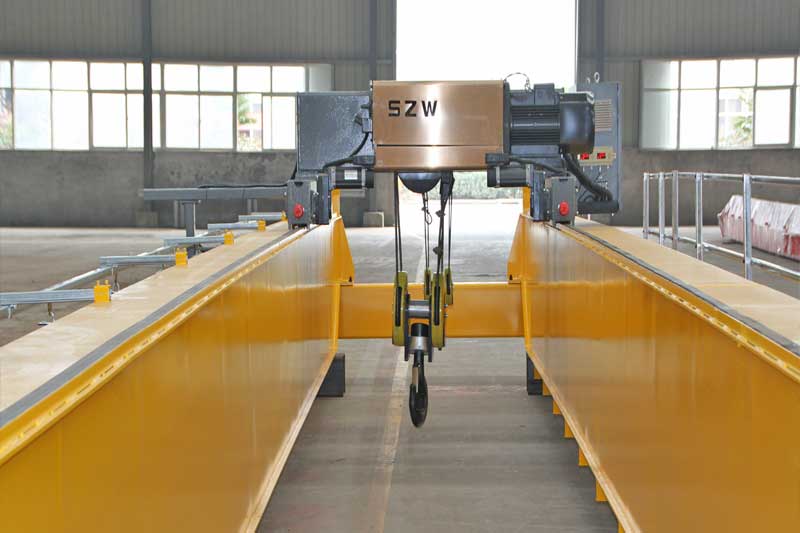
Types of single girder overhead cranes for sale Oman
Single Girder Overhead Cranes: Simple and Cost-Effective
Single girder cranes are widely used in small to medium workshops across Oman. They’re economical, quicker to install, and ideal for lighter lifting tasks that don’t require long spans or ultra-heavy loads.
Best for:
- Load capacities from 1 ton to 10 tons
- Maintenance shops, spare part warehouses, machinery handling
- Buildings with moderate headroom and short spans (typically under 20 meters)
- Budget-conscious buyers needing reliable daily lifting
Practical features:
- Fewer structural requirements, reducing installation cost
- Can be fitted with electric wire rope or chain hoists
- Easier maintenance due to simpler design
Double Girder Overhead Cranes: For Heavy Lifting and Long Spans
If your operation involves lifting 15 tons or more, or you require long spans and high-frequency usage, a double girder crane is the better choice. These cranes are common in Oman’s steel yards, fabrication plants, and industrial manufacturing lines.
Best for:
- Heavy-duty lifting — 15 tons up to 100+ tons
- Facilities with wide bays and high ceilings
- Applications needing auxiliary hoists or dual hooks for coordinated lifting
- Continuous use and high precision requirements
Advantages:
- Higher hook height due to hoist being placed between girders
- Stronger structural design allows for longer spans (20–35 meters or more)
- Can integrate advanced features like maintenance platforms, walkways, and camera systems
Top-Running vs. Under-Running Cranes: Know Your Building
This choice depends mostly on your building’s structure and how much headroom is available. The wrong fit here can lead to costly structural changes — so plan carefully.
Top-Running Cranes:
- Ride on rails installed on top of runway beams
- Ideal for heavier loads and wide spans
- Require strong support columns or separate crane runway systems
- Common in fabrication halls, steel plants, and warehouses
Under-Running (Suspension) Cranes:
- Hang from the bottom flange of the building’s ceiling structure
- Suitable for lighter capacities (up to 5 tons)
- Save space in buildings with tight headroom
- Often used in small factories, service shops, or retrofitted facilities
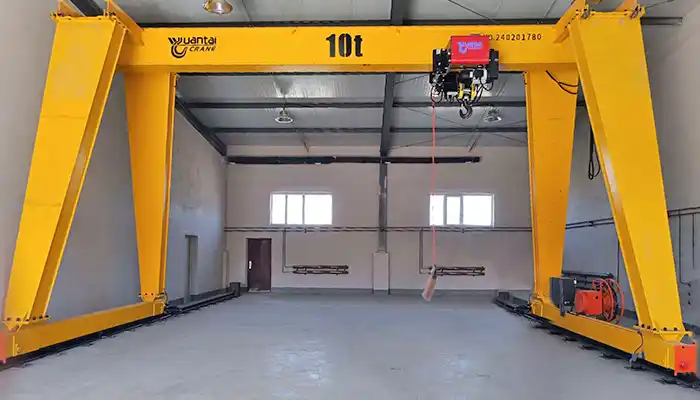
Gantry Cranes: Outdoor and Coastal Workhorses
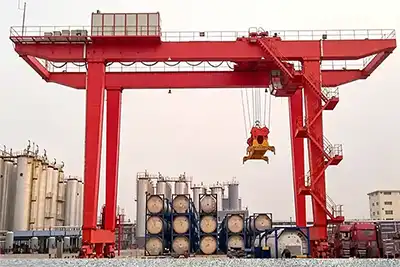
Gantry cranes are an excellent choice for open yards, construction sites, or facilities that don’t have indoor runway beams. In Oman, they are especially useful in coastal areas, logistics terminals, and rebar or precast concrete yards.
Key applications:
- Outdoor material storage and transport
- Container or heavy equipment handling near Salalah or Sohar ports
- Precast yards, marble cutting plants, and shipbuilding
Features to consider:
- Available in full gantry, semi-gantry, or rail-mounted designs
- Require ground rails and anchoring, especially in windy environments
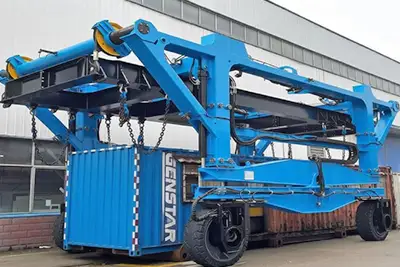
- Options include rubber-tyred gantries (RTG) for mobile use
Special-Purpose Cranes: Built for Specific Tasks
Some industries need cranes tailored for special functions — standard models just won’t do. In Oman, special-purpose cranes are often found in chemical plants, aluminum smelters, cement kilns, or steel product handling areas.
Examples include:
- Explosion-proof cranes for hazardous environments (oil & gas, chemical processing)
- Coil handling cranes with specialized tongs or magnets for rolling mills
- Die-handling cranes in molding or stamping plants
- Transfer cranes for moving large molds or equipment between production bays
When choosing one of these, it’s best to work closely with a crane supplier who understands the local industry and safety codes.
Quick Buyer Tip:
Always match the crane type to your operational use case, not just budget. The wrong crane can lead to limited functionality or costly upgrades later. A brief consultation with a crane expert can help you avoid these traps from the start.
Popular Lifting Capacities in Oman’s Industrial Sector
Choosing the right lifting capacity is one of the first — and most practical — steps when selecting an overhead crane. The weight of your loads, the frequency of lifting, and future expansion plans all play a role in this decision. In Oman, most industrial workshops and yards fall into three main lifting ranges: 3–5 tons, 10–15 tons, and 20 tons and above.
Let’s look at what each capacity range is typically used for and what buyers should know before deciding.
3–5 Tons: Ideal for Light-Duty Lifting Tasks
This capacity range is widely used in small workshops, mechanical service centers, and parts warehouses. Cranes in this category are affordable, simple to install, and well-suited to low-volume or medium-speed operations.
Typical applications:
- Moving spare parts, tools, light machinery
- Lifting motors, pumps, and repair assemblies
- Packaging and loading support in storage centers
- Handling materials in HVAC and electrical workshops
Common features:
- Usually single girder design, often with a chain hoist or compact wire rope hoist
- Can be top-running or under-running, depending on building height
- Great for shops in Muscat and Al Batinah North, where space is limited
Tip for buyers: If your heaviest load is 3 tons, don’t just go for a 3-ton crane. Consider a 5-ton model to allow for future expansion or occasional overloads.
10–15 Tons: The Versatile Workhorse
This range fits a wide variety of mid-sized industrial operations. Whether you’re running a steel fabrication shop, a logistics terminal, or a cement packaging line, a 10 to 15-ton crane is often the sweet spot between performance and cost.
Typical applications:
- Lifting steel components, construction parts, machine assemblies
- Loading and unloading trucks or trailers
- Supporting production lines in fabrication and assembly halls
- Cement bagging stations, heavy mold movement, industrial maintenance
Key setup options:
- Typically single or double girder depending on span and frequency
- Often paired with wire rope hoists for smoother, faster lifting
- Suitable for both indoor use and semi-covered yard operations
Tip for buyers: If you're working with long steel structures or irregular loads, choose a double girder system — it offers better load stability and allows the hoist to travel fully across the span.
20 Tons and Above: Built for Heavy-Duty Demands
Facilities that lift large molds, steel coils, precast panels, or heavy equipment need serious lifting power. Cranes in this category are typically customized to fit the specific process and environment — especially in Oman’s steel mills, shipyards, and large logistics yards.
Typical applications:
- Handling billets, slabs, or coils in rolling mills or steel plants
- Moving heavy dies and tooling in molding or casting industries
- Precast concrete production and infrastructure-related manufacturing
- Container handling and bulk cargo movement in coastal facilities
Key system features:
- Double girder top-running cranes with long spans and high lifting height
- Can be fitted with two hooks, auxiliary hoists, or magnetic attachments
- Often designed for outdoor use or harsh environments (dust, heat, corrosion)
Tip for buyers: Lifting 20 tons or more safely means the crane must be engineered for long-term durability — including structure, hoist motors, brakes, and runway beams. Be ready to provide accurate load specifications and operating frequency for proper design.
Whether you’re lifting small machinery or handling oversized steel coils, picking the right capacity isn’t just about weight — it’s about choosing a system that matches your pace, your space, and your process. If in doubt, it's better to discuss your full operation with a crane supplier than to under-spec a critical piece of equipment.
Buyer’s Specification Checklist
Before purchasing an overhead crane, having a clear set of specifications is not just helpful—it’s necessary. Many delays and unexpected costs in crane projects come from missing or inaccurate details at the beginning. Whether you're buying a full crane or just a crane kit, the following checklist will help you organize the key information needed to move forward smoothly.
Crane Span, Lifting Height, and Travel Length
These three dimensions are the foundation of your crane system. They determine how much area your crane can cover and what kind of structure is required.
Details to confirm:
- Crane span: the distance between the two runway beams, measured center to center
- Lifting height: the distance from the floor to the highest point the hook needs to reach
- Travel length: how far the crane needs to move along the building or track
It’s best to measure directly on-site instead of relying only on drawings. Building modifications, uneven floors, or structural changes can make older plans inaccurate.
Building Layout and Structural Conditions
The shape, strength, and layout of your workshop or yard will influence what type of crane can be installed. A poor match between crane and structure often leads to reinforcement costs or redesigns.
Points to assess:
- Height of the runway beam and usable vertical clearance
- Any roof braces, lights, ducts, or existing installations that may obstruct crane movement
- Whether your columns or frames can support a top-running crane, or if a self-standing system is needed
- Whether the floor can accommodate rail installation for gantry cranes
If possible, prepare a basic sketch of the side elevation of your workshop or share some site photos. This makes it easier for your supplier to understand your space.
Full Crane System or Crane Kit
Decide early on whether you need a complete crane or just a crane kit. This affects price, lead time, and how much work will need to be done on-site.
Choose a crane kit if:
- You can fabricate the main girder locally
- You want to lower international shipping costs (especially for longer spans)
- You already have a steel workshop or a local contractor assisting with fabrication
Choose a full crane system if:
- You prefer a plug-and-play solution
- You don’t have in-house fabrication capability
- You want to reduce installation time and on-site modifications
Crane kits are a good choice for buyers in regions like Sohar, Duqm, and Nizwa where local fabrication resources are available.
Installation and Commissioning Services
Make sure you know who will install and test the crane once it arrives. Without proper assembly and testing, even the best-designed system may not perform correctly.
Things to arrange:
- Whether experienced local installers are available and familiar with the crane type you’re buying
- If the supplier provides installation supervision or step-by-step guidance
- Whether welding, rigging, or heavy equipment is needed on-site
- If the crane will be load tested and commissioned after installation
Some crane manufacturers offer full installation and commissioning packages in Oman. If you're short on time or resources, consider choosing a supplier who can handle delivery, assembly, and testing for you.
Getting these details right from the start makes the entire project easier—from quotation to final handover. The more accurate and complete your initial specifications are, the better your crane will fit your facility’s real-world needs.
Conclusion: Matching Cranes to Omani Industrial Needs
Across Oman’s diverse industrial landscape, the demand for overhead cranes continues to grow—but not all cranes are created equal, and not every crane fits every facility. Whether you're operating a light-duty service workshop in Muscat, a mid-sized fabrication shop in Al Batinah North, or a heavy steel yard near Sohar Port, choosing the right crane means matching it precisely to your operating environment, lifting needs, and long-term plans.
In summary:
- Al Batinah South requires robust, outdoor-capable cranes such as double girder EOT cranes and gantry cranes, often with corrosion-resistant components for coastal use.
- Al Batinah North tends to favor single girder overhead cranes with moderate capacity for medium-duty lifting in machinery and equipment workshops.
- Muscat benefits from compact cranes—often low-headroom or under-running systems—due to tighter spaces and more urban industrial setups.
Beyond location, your building layout, lifting frequency, and type of materials handled must all be factored into the crane design. For instance, a 5-ton crane for moving pallets in a warehouse requires different features than a 5-ton crane used to lift dies in a production line.
This is why customization based on real project conditions is not optional—it's the key to reliable, long-term performance. A crane that fits your process from day one will reduce downtime, improve safety, and help you scale your operations as needed.
Let’s Build the Right Crane Together, Send An Inquiry
If you're ready to take the next step, we’re here to support you.
We offer free technical consultation and detailed quotations for overhead crane systems tailored to your facility—whether you need a full crane set or just a crane kit for local fabrication.
To help us serve you better, please share the following:
- Your plant layout or basic workshop dimensions (a sketch or drawing is enough)
- Required lifting capacity, span, and height
- Crane type you prefer (or let us help you choose)
- Installation location and whether indoor or outdoor use is required
We’ve helped businesses across Oman find cost-effective, reliable crane systems—now we’re ready to help you too. Let’s start the conversation and build a crane that truly works for your project.