Integrating 10–20 Ton Overhead Cranes in Omani Workshops
Practical guidance for plant managers upgrading overhead cranes without disrupting daily operations in active Omani industrial facilities.
Why Overhead Cranes Matter in Workshop Productivity
Overhead cranes are more than just heavy equipment—they’re the backbone of efficient material handling in many workshops. When you have the right crane in place, moving heavy loads becomes faster, safer, and less labor-intensive. This means less downtime, fewer injuries, and better use of your floor space.
In busy workshops, especially in Oman’s growing industrial sectors, overhead cranes help keep production flowing smoothly. They reduce the need for forklifts and other ground-based equipment, which can get in the way or slow down operations. Simply put, a good crane helps your team get the job done right and on time.
Why Upgrade to 10–20 Ton Cranes in Omani Workshops?
Many workshops start with smaller cranes but quickly realize they need more capacity as their workload grows. Here are some common reasons why plant managers in Oman decide to upgrade to cranes in the 10 to 20-ton range:
- Increased load sizes: New projects or larger products require heavier lifting capacity.
- Expanded production lines: When workshop layouts change or expand, heavier and longer lifts are needed.
- Improved safety: Larger cranes with modern controls often come with better safety features, reducing risks during heavy lifts.
- Higher efficiency demands: Faster and more reliable cranes keep up with increased production targets.
- Wear and tear on old equipment: Aging cranes may no longer handle the load safely or efficiently.
Upgrading isn’t just about lifting heavier loads—it’s about matching your crane’s strength to your real-world needs.
The Challenges of Adding New Cranes to Existing Workflows
Installing a bigger crane in a running workshop isn’t as simple as just dropping it in place. It comes with its share of challenges, especially when you want to avoid halting production.
Here are the key challenges to keep in mind:
- Space constraints: Older workshops may have limited room for bigger cranes or longer spans.
- Structural limits: The building and runway beams must support the extra weight, which may require reinforcement.
- Power and control integration: Existing electrical systems might need upgrades to handle new crane motors and controls.
- Disruption risk: Installation can interfere with daily work, leading to downtime or safety hazards if not planned carefully.
- Staff training: Operators need time and practice to work with new equipment safely and efficiently.
Assessing Current Workshop Conditions
Take a Close Look at How Materials Move Now
Before you bring in a new overhead crane, it’s crucial to understand how your workshop operates today. Watch how materials are handled from start to finish. Are loads moved smoothly from one station to another? Or do workers rely heavily on manual labor or forklifts that slow things down?
Spend time mapping out the workflow layout. This helps you spot where the crane will fit best and how it can improve efficiency without getting in the way.
- Observe peak activity times and high-traffic areas.
- Note where heavy loads cause delays or require extra handling steps.
- Check if existing cranes or equipment create bottlenecks during critical operations.
A clear picture of your current workflow sets the foundation for a successful crane upgrade.
Spot Bottlenecks and Crane Capacity Limits
Once you know the workflow, identify where the existing cranes or material handling methods fall short. Maybe your current crane can’t lift the heaviest loads, or it struggles with long spans needed to reach all workstations.
Look for signs like:
- Frequent waiting times for crane availability.
- Overloads or near-capacity lifts that put strain on equipment.
- Workarounds where staff manually move heavy parts to avoid crane delays.
Pinpointing these issues helps justify the upgrade and guides you in choosing the right crane capacity and features.
Check the Workshop’s Structural Strength
Adding a bigger crane means more weight on the building’s structure, especially the runway beams and supporting columns. Not all workshops are ready for this kind of load.
A thorough structural assessment is a must. Have an engineer or experienced technician inspect:
- The strength and condition of runway beams and support columns.
- The foundation’s ability to handle increased crane loads and dynamic forces.
- Any signs of wear, corrosion, or damage that could affect crane installation.
If necessary, plan for reinforcement or upgrades to ensure safety and long-term reliability.
Review Electrical Power and Control System Readiness
Big cranes need solid electrical support. Before installation, check if your workshop’s power supply and electrical systems can handle the new crane’s demands.
Consider:
- Voltage and current ratings matching the crane motor’s requirements.
- Availability of suitable power outlets or switchgear near the crane runway.
- Compatibility with control systems, such as remote controls, variable frequency drives (VFD), or automation features.
- Condition and capacity of existing wiring, circuit breakers, and safety devices.
Planning the Crane Upgrade
Choose the Right Crane Type and Capacity for Your Needs
Upgrading to a 10–20 ton crane is a big step, and picking the right crane is crucial. It’s not just about the tonnage; you also want a crane that fits your workshop’s specific lifting tasks and workflow.
Start by asking:
- What are the typical weights and sizes of the loads you’ll handle?
- How often will the crane be in use during shifts?
- Are there special requirements, like outdoor use or hazardous environments?
- What is the maximum span and lifting height you need?
Answering these will help you decide the exact capacity and features. Remember, a crane with just enough capacity is more cost-effective and easier to maintain.
Single Girder vs. Double Girder: Which Works Best for Your Retrofit?
When upgrading, you’ll often choose between single girder and double girder cranes. Both have their place, but here’s what to consider:
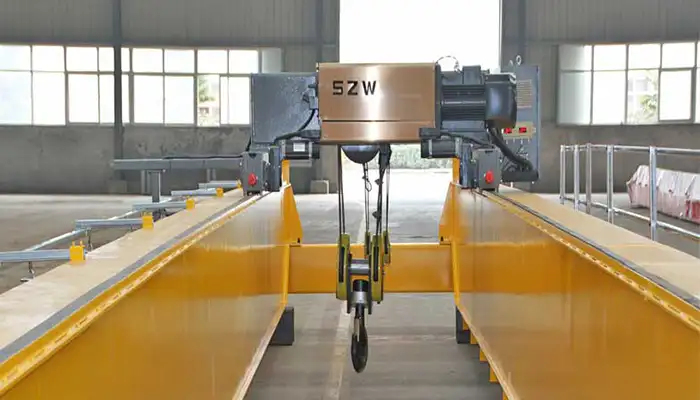
- Single girder cranes are lighter and simpler, often easier to install in workshops with lower ceilings or limited runway strength. They’re usually more affordable and suitable for loads up to about 10–15 tons.
- Double girder cranes offer greater lifting capacity and longer spans. They’re ideal for heavier loads (closer to 20 tons) and can provide smoother, more stable lifting. However, they require stronger runway beams and more headroom.
In retrofit projects, space and structure limits often push the choice toward single girder cranes, but if your workshop can support it, double girders provide more flexibility for future growth.
Work Closely with Suppliers and Installation Teams
A smooth upgrade starts with clear communication. Involve your crane supplier and installation crew early in the planning. They can offer valuable advice on design, delivery timelines, and site preparation.
Things to keep in mind:
- Share detailed workshop layouts and structural reports with them.
- Confirm crane specifications and customization options.
- Discuss installation logistics, including delivery, crane assembly, and testing.
- Clarify warranty, maintenance, and support services upfront.
Building this partnership reduces surprises and keeps the project on track.
Plan Installation to Keep Your Workshop Running
Nobody wants weeks of downtime. Plan your installation carefully to minimize impact on daily operations.
Consider these scheduling tips:
- Break installation into phases, tackling one section at a time.
- Schedule heavy work during off-hours, weekends, or planned shutdowns.
- Arrange temporary lifting solutions, like forklifts or portable cranes, to handle critical loads during installation.
- Keep your team informed about the timeline and safety rules during the upgrade.
A well-planned schedule keeps production moving and ensures safety for everyone involved.
Minimizing Disruption to Daily Operations
Use Phased Installation and Off-Shift Work to Keep Things Moving
Upgrading your crane without shutting down the workshop completely can be tricky but totally doable. The key is breaking the installation into manageable phases and scheduling heavy work during off-hours.
- Divide the project into stages like runway beam work, crane delivery, assembly, and testing.
- Plan the most disruptive tasks for nights, weekends, or scheduled plant shutdowns.
- Coordinate with your supplier and installers to keep the work tight and efficient.
This approach helps keep production flowing during the day while critical upgrades happen quietly in the background.
Provide Temporary Material Handling Alternatives
While the new crane is being installed, you’ll still need to move heavy materials safely. It’s smart to have temporary solutions ready so your workflow doesn’t grind to a halt.
- Use forklifts or mobile cranes to cover critical lifts.
- Set up work zones to minimize cross-traffic and avoid bottlenecks.
- Consider renting portable gantry cranes or hoists for specific tasks.
- Ensure these alternatives meet safety standards and don’t overload your staff.
Having reliable backup handling tools keeps materials moving and workers safe during the transition.
Communicate Clearly with Your Team
No upgrade succeeds without good communication. Make sure everyone — from operators to supervisors — knows the plan well in advance.
- Share the installation schedule and expected impact on daily work.
- Explain safety precautions and restricted areas during installation.
- Encourage staff to report any issues or concerns as they arise.
- Hold briefings or toolbox talks regularly to keep everyone updated.
Clear, ongoing communication reduces confusion and helps the team stay focused and safe.
Train Employees on the New Crane Before It’s Fully Integrated
A brand-new crane can be unfamiliar and even intimidating to operators. Training them ahead of time ensures the transition is smooth and safe.
- Schedule hands-on sessions with crane specialists or supplier trainers.
- Cover key topics like operating controls, safety features, and emergency procedures.
- Allow operators to practice under supervision before using the crane independently.
- Provide updated operation manuals and quick reference guides for daily use.
Proper training builds confidence and helps your team make the most of the new crane from day one.
Workflow Integration and Process Adjustment
Adjust Workflow Layouts to Fit New Crane Paths and Coverage Areas
Installing a new overhead crane often means changes to how your workshop floor is organized. You need to rethink the layout to make sure the crane can reach all necessary workstations without causing interference.
- Map out the crane’s runway and trolley paths in relation to existing equipment, storage areas, and walkways.
- Remove or relocate obstacles like racks, machinery, or pallets that block crane movement.
- Designate clear zones for loading, unloading, and staging materials under the crane’s coverage.
- Ensure enough clearance for the crane hook to safely maneuver without hitting anything.
Adjusting the floor plan this way maximizes crane efficiency and helps avoid costly collisions or workflow jams.
Align Crane Operation Schedules with Production Cycles
To get the most out of your new crane, plan its operation around your production schedule. This coordination reduces wait times and balances workloads.
- Identify peak production periods when crane use will be highest and schedule tasks accordingly.
- Use quieter periods for crane maintenance, inspections, or operator training.
- Coordinate crane lifts with other processes like machining, assembly, or packing to avoid bottlenecks.
- If you have multiple cranes or handling equipment, stagger their operation times to prevent traffic conflicts.
Smart scheduling keeps materials flowing smoothly and boosts overall workshop productivity.
Integrate the Crane with Existing Safety Protocols and Emergency Plans
Safety is always top priority. Your new crane must fit seamlessly into your workshop’s safety procedures and emergency response plans.
- Update safety zones and signage to reflect the crane’s new operating area.
- Train staff on revised hazard zones, including swing radius and overhead load areas.
- Ensure emergency stop buttons and power cutoffs are easily accessible and well marked.
- Review and update your emergency evacuation plans to account for crane-related risks.
- Regularly inspect crane safety devices such as limit switches, overload protection, and alarms.
By fully integrating the crane into your safety system, you protect both people and equipment.
Use Advanced Crane Features to Streamline Workflow
Modern overhead cranes come with features that can improve handling precision and operator comfort, which in turn smooths out your workflow.
- Variable speed controls allow operators to adjust lifting and trolley speeds based on load and task, improving accuracy.
- Remote controls give operators flexibility to position themselves for the best view, enhancing safety and efficiency.
- Load monitoring systems provide real-time feedback on weight and balance to prevent overloads.
- Automated positioning or preset stops help reduce operator fatigue and speed up repetitive tasks.
Taking full advantage of these features helps you run operations more smoothly and safely, making your investment worthwhile.
Testing and Commissioning
Step-by-Step Testing to Ensure Safety and Readiness
Before your new overhead crane starts daily work, thorough testing is a must. This step-by-step process helps confirm everything functions safely and smoothly:
- Visual checks: Inspect all mechanical parts, connections, and welds for secure assembly and no damage.
- Load testing: Lift weights up to the crane’s rated capacity (sometimes slightly more) to verify strength and stability.
- Movement tests: Operate the crane through all motions—lifting, lowering, trolley travel, and bridge travel—to ensure smooth, consistent action.
- Safety device verification: Test limit switches, overload sensors, emergency stops, and alarms to confirm proper operation.
- Control system checks: Confirm remote or wired controls respond instantly and correctly without glitches.
- Site environment inspection: Ensure that lighting, runway clearance, and floor conditions support safe crane operation.
Completing these tests thoroughly reduces risks and builds confidence in the new equipment.
Fine-Tuning Controls and Workflow Coordination
Once initial tests are done, it’s time to adjust crane settings and align them with your workshop’s flow:
- Set lifting and trolley speeds based on the typical loads and operator preferences for precision and safety.
- Calibrate overload alarms and sensors to avoid false trips but maintain protection.
- Coordinate crane operations with production schedules to minimize waiting or downtime.
- Gather feedback from operators to improve control responsiveness or ergonomics.
- Ensure smooth communication between the crane and any integrated handling or automation systems.
These adjustments optimize performance and help the crane fit seamlessly into daily work.
Documentation and Final Approvals
Proper records and official approvals wrap up the commissioning process:
- Compile detailed test reports, safety inspection records, and certification documents.
- Document crane specifications, operational limits, and maintenance instructions.
- Record completion of operator training and any special usage guidelines.
- Secure final sign-off from safety officers, engineers, and facility managers.
- Schedule regular inspections and preventive maintenance to keep the crane reliable.
Good documentation protects your investment and simplifies future upkeep.
Testing and Commissioning
Step-by-Step Testing Procedures to Ensure Safety and Operational Readiness
Before your new overhead crane is put into regular use, a thorough and systematic testing process is essential. This helps ensure the crane works safely under actual conditions and meets all performance expectations.
- Initial Visual Inspection: Carefully check every part of the crane including the bridge, trolley, hoist, runway beams, and all mechanical connections. Look for loose bolts, cracks, or any signs of damage that may have occurred during transport or installation.
- Functional Testing Without Load: Run the crane through all of its movements—lifting, lowering, trolley traversing, and bridge traveling—without any load. This identifies any mechanical sticking, unusual noises, or control issues early on.
- Load Testing: Using certified test weights, gradually increase the load lifted by the crane up to its rated capacity, or slightly above, while monitoring for any signs of stress, deformation, or malfunction. This confirms that the crane structure and mechanisms handle real-world demands safely.
- Safety Systems Verification: Test all safety features, including emergency stop buttons, limit switches, overload protection devices, warning alarms, and braking systems. Confirm these systems engage correctly and reliably under simulated fault conditions.
- Control System Checks: Whether your crane uses wired pendant controls, remote radio controls, or a combination, verify all command signals respond instantly and accurately, with no delays, glitches, or interference.
- Site Condition Validation: Make sure the installation site is ready—check for adequate lighting along the runway, ensure floor surfaces are clean and free of obstructions, and verify the runway and support structures are sound.
Completing this comprehensive testing phase ensures that the crane is both safe and ready to meet the demands of your workshop’s operations.
Fine-Tuning Crane Controls and Workflow Synchronization
Once the basic testing is complete, the focus shifts to optimizing the crane’s performance to fit the specific needs of your workshop and operators.
- Adjust Speeds: Set the lifting speed and trolley/bridge travel speeds according to the types of loads handled and operator preferences. For delicate or precise lifting, slower speeds may be safer, while heavier or bulk material handling might benefit from faster travel.
- Calibrate Safety Devices: Adjust overload alarms and limit switches carefully. They must trigger before a problem arises but should avoid false trips that disrupt workflow unnecessarily.
- Workflow Coordination: Align crane operating hours and tasks with production cycles. For example, schedule crane-intensive tasks during peak production times and plan maintenance or inspections during off-peak hours or planned downtime.
- Operator Feedback: Involve crane operators during this phase. Their hands-on experience can highlight control responsiveness issues or suggest ergonomic improvements.
- Integration with Other Systems: If your crane works alongside conveyors, robotic arms, or automated material handling systems, ensure all equipment communicates smoothly and timing is coordinated to avoid delays or collisions.
Fine-tuning at this stage helps the crane feel like a natural extension of your existing workflow, boosting productivity and safety.
Documentation and Final Approvals
Detailed documentation and official approvals mark the transition from installation to full operation.
- Test and Inspection Reports: Compile all results from visual checks, load tests, functional tests, and safety verifications. These reports provide evidence that the crane meets all required standards.
- Operational Manuals: Provide operators with clear manuals detailing crane specifications, operating procedures, safety guidelines, and emergency protocols.
- Training Records: Document all staff training sessions, noting who attended, the training content, and competency assessments.
- Final Sign-Offs: Obtain formal approval from safety inspectors, engineers, and plant management confirming the crane is safe and ready for use.
- Maintenance Planning: Include a schedule for routine inspections, preventive maintenance, and any warranty-related services.
Good documentation supports safety compliance, smooth future maintenance, and operational accountability.
Post-Installation Support and Maintenance
Setting Up Maintenance Schedules to Ensure Crane Reliability
A new crane will perform best and last longer with a solid maintenance routine tailored to your workshop’s conditions.
- Daily Checks: Operators or maintenance staff should inspect critical points daily, including wire ropes or chains, hooks, brakes, limit switches, and control panels. Look for wear, unusual noises, or any abnormal behavior.
- Weekly and Monthly Maintenance: Perform more detailed inspections such as lubrication of moving parts, tightening bolts, checking electrical connections, and testing safety devices under load. Replace worn parts proactively before failures occur.
- Annual Thorough Inspections: Engage qualified technicians for full structural assessments, nondestructive testing of key components, and verification of all control and safety systems.
- Emergency Inspections: After heavy usage, overload incidents, or unusual events, conduct unscheduled inspections to catch hidden damage early.
Following these schedules helps avoid costly breakdowns and keeps the crane ready for daily demands.
Monitoring Crane Performance and Workflow Impact
Keeping tabs on how the crane affects your operation lets you catch small issues before they grow and optimize overall workflow.
- Track Usage Data: Record crane running hours, load cycles, and any faults or downtime. This helps predict when maintenance is due and identify abnormal wear.
- Observe Material Flow: Watch how materials move with the new crane in place. Check for delays, bottlenecks, or safety incidents related to crane use.
- Gather Operator Feedback: Regularly ask crane operators about any problems, frustrations, or ideas for improvement. Their insights can point to workflow or equipment adjustments.
- Plan Adjustments: Use this information to tweak crane settings, update training, or plan equipment upgrades if needed.
Proactive monitoring keeps your workshop efficient and safe over the long term.
Ongoing Staff Training and Support
Your crane operators and maintenance team need continuous learning to keep pace with changing workflows and equipment features.
- Refresher Training: Schedule regular sessions to review safe operating practices, emergency procedures, and any new crane functions or upgrades.
- Update Training Materials: Revise manuals, checklists, and guides whenever changes occur in crane equipment or workflow.
- Encourage Open Communication: Create channels for staff to report issues quickly and suggest improvements without hesitation.
- Supplier and Technician Support: Maintain contact with crane manufacturers or service providers for technical advice, spare parts, and emergency repairs.
Ongoing training and support help protect your investment and keep everyone working safely and confidently.
Case Studies
Real-Life Success Stories from Omani Workshops
Several workshops across Oman have successfully upgraded to 10–20 ton overhead cranes without major disruptions, and their experiences offer valuable insights.
- Steel Fabrication Plant in Muscat: By carefully assessing their workflow and structural limits, they installed a double girder 15-ton crane during off-hours, using phased installation to keep production running. Temporary forklifts covered critical loads during downtime.
- Automotive Parts Manufacturer in Sohar: They opted for a single girder 10-ton crane to fit their low ceiling height. Staff received hands-on training before the crane went live, which reduced safety incidents in the first months.
- Construction Materials Supplier in Salalah: After structural reinforcement of the runway beams, they integrated a 20-ton crane with remote controls. Synchronizing crane operation with delivery schedules improved turnaround times noticeably.
Lessons Learned and Best Practices
From these examples, a few key takeaways stand out:
- Plan Early and Involve Experts: Structural assessments and supplier consultations early on prevent costly surprises.
- Minimize Disruption: Phased installation and off-shift work keep daily operations steady.
- Prepare Your Team: Training before commissioning helps operators adapt quickly and safely.
- Keep Communication Open: Regular updates to staff reduce confusion and foster a cooperative atmosphere.
- Monitor and Adjust: Post-installation performance reviews and maintenance keep the crane reliable and efficient.
Applying these lessons can make your crane upgrade smoother and more successful.
Conclusion
Recap of Key Points for Smooth Integration
Upgrading to a 10–20 ton overhead crane is a significant step that requires careful planning and execution. From assessing your current workshop conditions to fine-tuning the crane after installation, every stage matters. Minimizing disruption, aligning workflows, and training your team all play vital roles.
Benefits of Upgraded Cranes in Enhancing Workshop Efficiency
The right overhead crane not only lifts heavier loads but also speeds up material handling, reduces manual labor, and improves workplace safety. This translates to higher productivity, fewer delays, and a better working environment for your team.
If you’re managing a workshop in Oman and thinking about upgrading your overhead crane, start by evaluating your specific needs and facility conditions. Reach out to trusted crane suppliers and structural experts early to get customized advice. With the right planning and support, your crane upgrade can be a smooth, rewarding investment for your business.