Explosion-Proof Cranes for Petrochemical Safety in Singapore
Key Takeaway (At the Beginning)
In Singapore’s energy and petrochemical facilities — such as Jurong Island, Pulau Bukom, LNG terminals, and chemical plants — selecting the right explosion-proof crane is essential to prevent accidents, protect workers, and handle chemical equipment safely (2–20 ton) with IECEx/ATEX compliance. Proper crane selection and site-specific planning directly impact operational safety, efficiency, and long-term reliability.
- How to identify where explosion-proof cranes are required in Singapore.
- How to match crane capacity (2–20 ton) to chemical or energy equipment.
- Why IECEx/ATEX compliance, insulation, and hoist protection are crucial.
- How to select cranes for indoor, outdoor, or corrosive environments.
- What inspection, maintenance, and preventive measures reduce downtime.
- Which operational practices prevent accidents and improve plant safety.
Introduction – Why Explosion-Proof Cranes Are Essential in Singapore
Singapore’s industrial landscape is unique. Places like Jurong Island, Pulau Bukom, and various LNG terminals host dense clusters of chemical, petrochemical, and energy facilities. Here, lifting heavy equipment isn’t just routine—it can be risky. Reactors, pumps, heat exchangers, and chemical tanks are constantly moved around, and the environment is filled with flammable liquids, gases, and other reactive substances.
A regular crane won’t cut it. Sparks, electrical faults, or mechanical failures in these areas can lead to serious accidents. Explosion-proof cranes are designed for exactly this situation—they reduce risk, protect your team, and keep operations running smoothly.
From a buyer’s perspective, the right crane isn’t just a safety measure—it’s a practical investment. It can prevent costly downtime, reduce repair expenses, and keep the facility compliant with Singapore’s industrial safety regulations. In other words, a properly chosen crane keeps the plant safe and efficient.
What Buyers Should Consider:
- Hazard Zones: Identify areas with flammable gases, liquids, or dust. These are where explosion-proof cranes are required.
- Capacity Planning: Make sure the crane can handle typical loads—2–20 ton is common for chemical and energy equipment.
- Environmental Protection: Consider humidity, chemical exposure, and indoor/outdoor use.
- Compliance: IECEx and ATEX certifications are mandatory for hazardous areas.
- Operational Continuity: A crane that matches site conditions reduces emergency repairs and prevents unexpected downtime.
Simply put, understanding the hazards on-site and selecting a crane that matches the environment is critical. It’s not just about lifting safely—it’s about keeping your operations smooth and your staff protected.
Explosion-Proof Cranes – Basics Every Buyer Should Know
When you're sourcing cranes for chemical or energy plants, not all cranes are created equal. A standard overhead or gantry crane is fine for general lifting, but it isn't designed to operate safely in hazardous zones where flammable vapors or dust are present. That's where explosion-proof cranes come in. These cranes are built to reduce the risk of sparks, electrical faults, and mechanical failures that could ignite a hazardous atmosphere.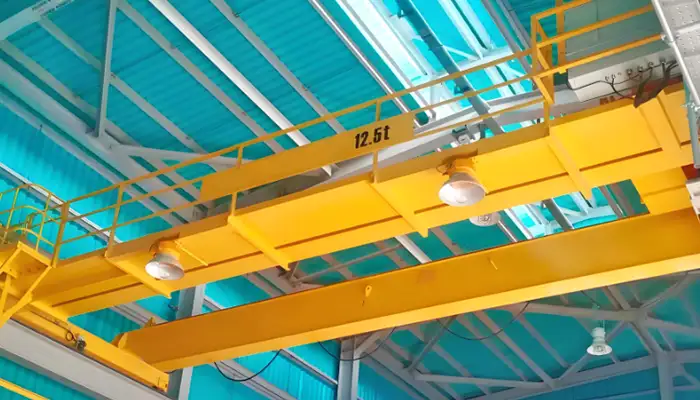 European style explosion proof overhead crane 3 ton to 80 ton
- Standard cranes: Designed for general lifting in safe environments. Electrical components are exposed and not insulated for flammable areas.
- Explosion-proof cranes: Equipped with protective housings, spark-proof gears, and insulated hoists to operate safely in hazardous areas.
- Insulated Hoists: Protect electrical circuits from creating sparks. Ideal for pumps, vessels, and reactors.
- Spark-Proof Gears: Reduce friction and ignition risk during operation.
- Protective Covers: Shield mechanical and electrical parts from chemical exposure, dust, or moisture.
- Look for IECEx and ATEX certifications before making a purchase. These standards verify that the crane is tested for explosive atmospheres and meets international safety requirements.
- Check the hazard zone ratings (Zone 0, 1, or 2) to make sure the crane is suitable for the specific area where it will operate.
- Explosion-proof cranes in Singapore typically handle 2–20 ton loads.
- Common equipment: chemical pumps, storage tanks, heat exchangers, reactors, and other heavy process machinery.
- Practical tip: Always plan for occasional overloads or bundled lifting, and verify that the crane capacity exceeds the heaviest expected load by at least 20–30% to stay safe.
In short, buyers need to understand both the mechanical features and compliance certifications to choose the right crane. The goal isn't just lifting—it's lifting safely, reliably, and efficiently in a hazardous environment.
Where You Need Explosion-Proof Cranes in Singapore
Before ordering an explosion-proof crane, it's crucial to identify which areas of your facility are hazardous. Not all zones need specialized lifting equipment, but in places with flammable liquids, gases, or reactive chemicals, the right crane ensures safety and operational continuity. Here's a detailed guide to common locations in Singapore where explosion-proof cranes are essential:
Jurong Island is the heart of Singapore's petrochemical industry. The environment has dense clusters of refineries, polymer plants, and specialty chemical facilities. Lifting equipment here faces the dual challenge of heavy loads and flammable atmospheres.
- Explosion-proof cranes are used for lifting reactors, storage tanks, and vessels in zones with flammable gases and vapors.
- For high-frequency operations, wire rope hoists with spark-proof gears minimize operational risks.
- Protective coatings and enclosures prevent chemical exposure to mechanical and electrical components.
Pulau Bukom is Singapore's main oil storage and transfer hub. Cranes here must operate safely near combustible liquids like crude oil and LPG.
- Safely lift pumps, loading arms, and containment equipment in flammable zones.
- Ensure cranes have sealed electrical enclosures to prevent sparks.
- Design cranes for humid or coastal conditions to prevent corrosion and maintain reliability.
- Cranes need insulated hoists and vapor-safe designs to prevent ignition.
- Check that crane certification matches the hazard zone classification of the site.
- Proper maintenance and inspection of hoists are critical to ensure continuous safe operation.
- Cranes are used for vessel maintenance, transport, and moving process equipment.
- Corrosion-resistant finishes and protective covers help cranes withstand chemical exposure.
- Properly sized cranes reduce the need for manual handling, improving safety and efficiency.
- Lift fuel transfer skids, hose reels, and modules safely.
- Cranes must resist saltwater corrosion and high humidity while maintaining explosion-proof safety standards.
- Ensure hoists are suitable for both outdoor exposure and hazardous zones.
- Explosion-proof cranes reduce operator exposure and the risk of chemical spills during lifting.
- Lifting equipment must combine mechanical strength with protective enclosures.
- Regular inspection and preventive maintenance are essential to avoid unexpected downtime.
- Map your facility for hazardous zones (Zone 0, 1, or 2) before specifying crane type.
- Verify crane capacity, hoist type, and protective features match both the load and environmental risks.
- Planning ahead prevents costly retrofits, downtime, and safety incidents.
Selecting the Right Crane for Your Facility
Choosing the right explosion-proof crane isn't just about lifting a certain weight. You need to consider the type of equipment, the working environment, and the operational frequency. Making the wrong choice can lead to downtime, safety risks, and costly retrofits. Here's a practical guide for buyers in Singapore: 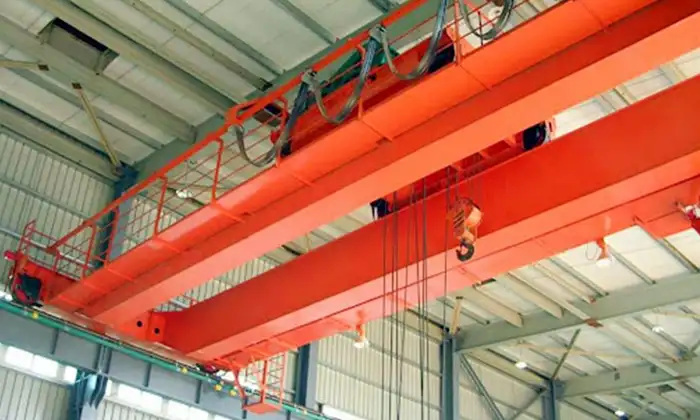 Traditional explosion proof bridge crane
Before anything else, match the crane's lifting capacity to the equipment it will handle. Chemical tanks, pumps, vessels, and reactors vary widely in weight, so it's important to calculate the maximum load the crane will lift regularly.
- Explosion-proof cranes in Singapore commonly cover 2–20 ton capacities.
- Buyers should account for the weight of attachments, slings, or bundles when calculating load.
- Correct capacity planning reduces wear and extends the life of the crane.
- Measure clearances, column spacing, and runway length before ordering.
- Ensure the crane can reach every designated lifting point without obstruction.
- Consider future expansion—extra span or height may be useful for new equipment or facility changes.
- Cranes must be designed to handle corrosive chemicals, high humidity, or coastal salt exposure.
- Protective coatings and sealed components help maintain functionality in harsh conditions.
- Buyers should discuss environmental factors with suppliers to ensure the crane lasts over the long term.
- Choose enclosures, hoist protection, and electrical isolation appropriate to indoor or outdoor installation.
- UV-resistant coatings, sealed hoists, and weatherproof controls can prevent unexpected downtime outdoors.
- Proper enclosure selection reduces the need for frequent maintenance and inspection.
- Wire rope hoists are ideal for heavier loads and high-frequency lifting.
- Chain hoists work well for smaller loads or areas with tight headroom.
- Protective covers and insulated components reduce risk in hazardous zones.
- Always plan for 20–30% extra capacity to account for bundled lifting or unexpected heavy loads.
- Discuss operational scenarios with your supplier to ensure the crane is built to handle both regular and occasional heavy lifts safely.
Compliance & Certification Buyers Must Check
Before buying an explosion-proof crane, it’s critical to make sure it meets international standards for hazardous environments. Proper certification not only ensures safety but also protects your facility from regulatory and insurance issues.
- Verify IECEx and ATEX certificates before purchase to confirm the crane is approved for explosive atmospheres.
- Inspect hazard zone ratings (Zone 0, 1, or 2) to ensure the crane is suitable for your specific area.
- Check hoist insulation, anti-sparking gears, and protective covers for compliance and operational safety.
- Keep documentation for regulatory audits, insurance, and plant safety verification.
Maintenance & Long-Term Reliability
Even the best explosion-proof crane can fail if it isn’t maintained properly. Regular inspections and preventive care keep equipment safe, reliable, and compliant with standards, while also minimizing unexpected downtime.
- Schedule inspections: Daily visual checks, monthly mechanical/electrical inspections, and annual full compliance audits.
- Focus areas: Hoist insulation, wheels, bearings, and anti-spark covers.
- Preventive measures: Lubrication, load testing, and functional trials to catch issues early.
- Operator training: Ensure staff know safe lifting practices and emergency procedures.
Practical Tip: Keep a digital inspection log to track maintenance, document compliance, and manage the crane’s lifecycle efficiently.
Practical Applications & Buyer Examples
Understanding how explosion-proof cranes are used in real facilities helps buyers make informed decisions. Different sites have different requirements, and the right crane setup depends on load, environment, and operational conditions. Here are some typical examples in Singapore:
- Jurong Island: Lifting a 15-ton chemical reactor requires an indoor crane with an insulated wire rope hoist to safely handle the load in flammable zones.
- Pulau Bukom: Replacing pumps in oil storage areas calls for an outdoor crane with ATEX compliance, capable of resisting humid and corrosive conditions.
- LNG Terminal: Moving cryogenic modules requires a crane with hoist protection against vapor and condensation, ensuring safe handling in extremely cold and volatile environments.
- Industrial Water Plant: Lifting chlorine tanks safely uses a chain hoist with corrosion-resistant covers, reducing operator exposure and chemical damage to equipment.
Practical Tip for Buyers:
- Match crane type, hoist, and protective features to the specific facility conditions and the type of load.
- Consider frequency of lifts, environmental exposure, and regulatory compliance when specifying the crane.
Conclusion
Explosion-proof cranes are not just equipment—they are critical safety tools for Singapore’s energy and petrochemical facilities. Proper selection and maintenance protect workers, prevent accidents, and ensure smooth operations in hazardous zones.
Key Points for Buyers:
- Capacity matters: Choose a crane that can safely lift the heaviest expected loads, typically 2–20 tons.
- Site-specific design: Consider span, lifting height, and environmental conditions like humidity, chemical exposure, and coastal settings.
- Compliance first: Verify IECEx and ATEX certifications to ensure the crane meets regulatory requirements.
- Preventive maintenance: Regular inspections, hoist checks, and operator training reduce downtime and extend crane life.
FAQ – Most Frequent Buyer Questions
A: For most chemical, petrochemical, and energy facilities, 2–20 ton cranes cover the typical range. Always calculate the maximum weight of tanks, pumps, or vessels—including slings, attachments, or bundled loads—and add a safety margin of 20–30%.
A: Yes. Cranes designed for these environments include protective coatings, sealed hoists, and insulated electrical components. Outdoor or coastal sites require additional anti-corrosion measures to maintain long-term reliability.
A: These certifications verify that a crane is safe to operate in hazardous zones. Buyers must check that the crane's rating matches the hazard classification of the site (Zone 0, 1, or 2). Certification ensures compliance, safety, and reduced regulatory risk.
A: Yes. Indoor cranes focus on chemical exposure and dust protection, while outdoor cranes also need weatherproofing, UV-resistant coatings, and sealed electrical enclosures to withstand rain, wind, and humidity.
A: Daily visual inspections, monthly mechanical/electrical checks, and annual full compliance audits are recommended. Focus on hoist insulation, bearings, wheels, and anti-spark components. Keeping a digital log helps track maintenance and ensures compliance.
A: In some cases, yes. Retrofitting may include adding insulated hoists, spark-proof gears, protective covers, and electrical isolation. However, buyers must verify that the crane structure and load rating are suitable for retrofit before proceeding.
A: Explosion-proof cranes use insulated hoists, spark-proof gears, sealed enclosures, and anti-sparking mechanical components. Combined with proper operator training and maintenance, these features minimize ignition risks.
A: Conduct a site assessment of flammable liquids, gases, and dust-prone areas. Use international zone classifications (Zone 0, 1, 2) to mark where explosion-proof equipment is required. Proper mapping ensures the crane matches environmental and safety requirements.