Gantry Cranes for Ports & Yards in Singapore
Most Important Takeaway
Efficient port and yard operations in Singapore rely on high-mobility gantry cranes designed to handle TEU containers safely, adapt to automation, and withstand challenging outdoor conditions.
- Choose gantry cranes with suitable tonnage (10–50 ton) to handle full container loads safely.
- Ground rail conditions, wind resistance, and weather durability are crucial for Singapore ports and open yards.
- Automation-ready cranes improve throughput, reduce labor, and support modern terminal operations.
- Regular inspection and preventive maintenance extend service life and ensure compliance with safety standards.
- Selecting cranes compatible with TEU container handling simplifies logistics and operational efficiency.
Singapore: A Global Shipping Hub
Singapore’s ports are among the busiest in the world. Millions of containers pass through every year, connecting Asia to Europe, the Americas, and beyond. In such a fast-paced environment, efficiency isn’t just desirable—it’s essential. Even small delays in handling containers can cause bottlenecks that affect the entire supply chain.
Why Gantry Cranes Matter
Gantry cranes play a crucial role in keeping port and yard operations running smoothly. They lift, move, and stack heavy TEU containers with precision and reliability. Without these cranes, manual or slower mechanical handling would increase risks, reduce throughput, and create operational delays.
Key Operational Priorities
When choosing a gantry crane for Singapore’s ports and yards, buyers should focus on three main priorities:
- Operational Speed: Quick loading and unloading help prevent congestion on quays and in storage yards.
- Safety: Strong structures, dependable brakes, and accurate hoists reduce accidents and equipment damage.
- Flexibility: Cranes must handle different container sizes, adapt to yard layouts, and integrate with automation systems if needed.
By considering these factors, port operators ensure their gantry cranes are not only reliable but also ready for the high demands of modern logistics. The right crane makes a noticeable difference in safety, efficiency, and adaptability on the ground.
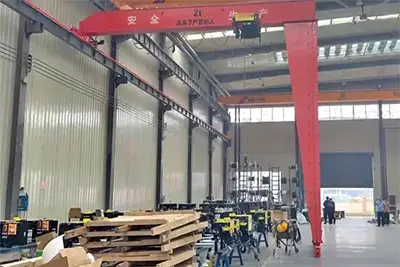
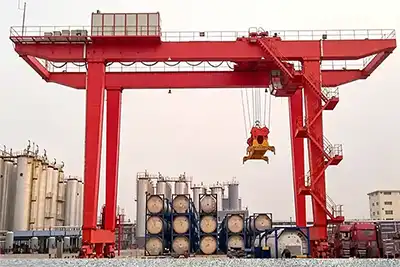
Gantry Cranes in Port & Yard Operations
Gantry cranes are large lifting machines designed to move heavy loads across open spaces like ports and container yards. They consist of a bridge structure supported by legs that either travel on rails or wheels. In Singapore's busy ports, these cranes are the backbone of container handling, helping operators move TEU containers quickly and safely.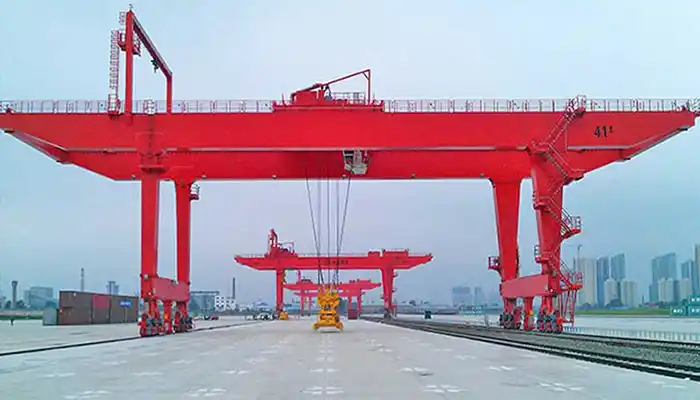 Rail mounted gantry crane for container handling
Gantry cranes are large lifting machines designed to move heavy loads across open spaces like ports and container yards. They consist of a bridge structure supported by legs that either travel on rails or wheels. In Singapore's busy ports, these cranes are the backbone of container handling, helping operators move TEU containers quickly and safely.
Rail-Mounted Gantry (RMG) Cranes
- Travel along fixed rails.
- Provide stable lifting for stacking containers in high-volume storage yards.
- Best for long-span operations where precise alignment is needed.
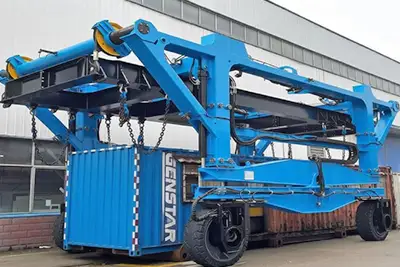
Rubber-Tyred Gantry (RTG) Cranes
- Move on tires, not rails.
- Flexible for shifting between storage blocks or areas without rail tracks.
- Handle multiple container rows efficiently in dynamic yard layouts.
It's important to choose the crane type that fits your operation:
- Yard Cranes: Focus on stacking and organizing containers within storage areas. Ideal for maximizing yard space.
- Container Handling Cranes: Used for loading/unloading containers from ships. Require higher lifting precision and durability for outdoor conditions.
- Most port cranes in Singapore handle 10–50 tons, enough for standard 20-foot and 40-foot TEU containers.
- Adjustable hoists allow operators to handle mixed container sizes or partial loads safely.
- Proper tonnage selection ensures smooth stacking, transport, and loading operations without overloading the crane.
Port Logistics and High Mobility Requirements
In Singapore's fast-paced ports, every second matters. Gantry cranes are not just lifting machines—they are the workhorses that keep containers moving efficiently from ships to yard storage and onward to trucks or trains. Without reliable cranes, port operations would slow down, causing delays that ripple across supply chains.
- Cranes handle dozens of containers per hour, reducing bottlenecks.
- They allow smooth transitions between ship unloading, yard stacking, and truck loading.
- Efficient crane operation directly impacts overall port throughput.
Efficiency starts with planning. Gantry cranes rely on well-laid ground rails and optimized travel paths to cover the maximum area without unnecessary movement.
- Rail placement: Straight, even tracks reduce wear and tear on crane wheels.
- Yard layout optimization: Proper spacing between container rows prevents crane collisions and speeds up operations.
- Travel paths: Clear paths allow cranes to move quickly between pick-up and drop-off points, saving valuable time.
Even small adjustments to layout and rails can significantly improve operational speed and reduce maintenance costs over time.
Singapore's coastal ports face variable wind conditions, humidity, and occasional storms. Cranes must be built to withstand these elements without compromising safety or performance.
- Wind resistance: Strong structural design and reinforced gantry frames prevent swaying during high winds.
- Weatherproof components: Motors, electronics, and hoists need protection from moisture and corrosion.
- Operational safety: Reliable brakes, limit switches, and emergency stops are essential for safe lifting under outdoor conditions.
High mobility, robust construction, and careful yard planning ensure that cranes operate safely, consistently, and efficiently—no matter the weather or workload.
Container & Yard Handling Capabilities
In Singapore's ports and container yards, gantry cranes are tasked with moving standard 20-foot and 40-foot TEU containers efficiently. This involves lifting containers from ships, transporting them across the yard, and stacking them safely for storage or onward transport.
- Lifting: Cranes must support the full weight of loaded containers, often 20–50 tons, without strain.
- Stacking: Accurate positioning is critical to maximize yard space and prevent collisions.
- Transporting: Smooth travel along rails or via rubber tires ensures containers reach their destination without unnecessary delays.
Proper handling reduces downtime, avoids container damage, and keeps the entire port operation running on schedule.
Safety is a major priority when moving heavy containers, especially in Singapore's outdoor port environment, where weather can change rapidly.
- Wind and rain: Cranes should have wind monitoring systems and structural stability to prevent swaying or tipping.
- Load control: Limit switches, overload sensors, and emergency brakes protect operators and equipment.
- Operator training: Skilled crane operators reduce accidents and improve handling efficiency.
Following strict safety protocols not only protects people and equipment but also minimizes operational interruptions.
Not all containers are the same. Cranes with adaptable hoist systems provide flexibility for handling different container types, sizes, and weights:
- Adjustable spreaders: Can secure standard and high-cube containers safely.
- Partial load handling: Useful for non-standard or partially filled containers.
- Quick change options: Some gantry cranes allow rapid adjustments between container types, improving yard throughput.
Cranes that handle containers safely and adapt to variable loads and sizes keep port operations efficient, reduce downtime, and protect the yard's investment in infrastructure and equipment.
Automation, Control, and Inspection
Modern gantry cranes in Singapore's ports increasingly rely on automation systems. These systems allow remote operation, real-time monitoring, and data collection to improve both efficiency and safety.
- Remote control: Operators can manage multiple cranes from a centralized control room, reducing the need for personnel on the yard floor.
- Monitoring systems: Sensors track crane position, load weight, motor performance, and weather conditions.
- Data insights: Real-time data helps operators make faster decisions and plan container movements efficiently.
Automation doesn't replace skilled operators entirely but enhances productivity and reduces the risk of errors during high-volume operations.
Automated container handling has tangible benefits for ports and yard operations:
- Increased throughput: Cranes can work continuously with precise positioning, reducing idle time.
- Labor efficiency: Fewer staff are required for direct crane operation, allowing personnel to focus on logistics coordination.
- Reduced operational delays: Automation minimizes human errors that can slow container stacking or ship loading/unloading.
These advantages are particularly useful for Singapore's high-traffic ports, where every hour counts.
Even automated cranes need regular inspection and maintenance to ensure reliability and safety. Proper inspection protocols include:
- Rails: Check alignment, wear, and debris that may affect crane travel.
- Structural integrity: Inspect gantry frames, legs, and joints for cracks or corrosion.
- Motors and hoists: Regular lubrication, load testing, and electrical system checks prevent breakdowns.
- Safety systems: Limit switches, brakes, emergency stops, and wind sensors must be tested frequently.
Routine inspections help prevent unexpected downtime, extend crane lifespan, and maintain safety standards for both personnel and cargo.
Key Buyer Considerations
Selecting a gantry crane isn't just about lifting the heaviest container—it's about matching the crane to your yard layout and operational needs.
- Capacity: Ensure the crane can safely lift the maximum container weight you plan to handle, typically 10–50 tons for TEU containers.
- Span: The distance between crane rails must allow full coverage of container rows without unnecessary repositioning.
- Future-proofing: Consider slightly higher capacity than current needs to accommodate occasional overweight loads.
A well-matched crane reduces operational delays and prevents overloading, which can cause premature wear or accidents.
Port operations evolve over time, and yards may expand or change container traffic patterns. Choosing adaptable cranes allows you to stay ahead:
- Flexible rail or travel configurations: Some cranes can be relocated or adjusted for longer spans.
- Adjustable hoists and spreaders: Accommodate different container sizes or mixed cargo.
- Integration with automation: Future upgrades shouldn't require full crane replacement.
Investing in adaptable cranes reduces future capital expenses and operational interruptions.
Safety and regulatory compliance are non-negotiable in port operations.
- Certifications: CE, ISO, or local regulatory approvals ensure the crane meets international safety and quality standards.
- Third-party inspection: Independent evaluation of structural integrity, mechanical systems, and electrical components adds an extra layer of safety.
- Documentation: Keep detailed inspection and maintenance records for audits and insurance purposes.
This ensures your cranes operate safely, legally, and reliably under heavy use.
Efficient installation minimizes disruptions to port or yard operations.
- Site preparation: Ensure proper rail alignment, foundation strength, and clearance for overhead structures.
- Coordination with other operations: Plan installation during low-traffic periods if possible.
- Training and commissioning: Operator training and initial testing prevent early operational issues.
A smooth installation process reduces downtime and allows the port to reach full operational efficiency quickly.
FAQ – Common Buyer Questions
For most Singapore ports and yards, gantry cranes in the 10–50 ton range are ideal for handling 20-foot and 40-foot TEU containers. Choosing the right capacity ensures safe lifting, avoids overloading, and allows for occasional heavier containers without slowing operations.
Yes, but cranes must be designed for wind resistance and outdoor durability. Look for reinforced frames, wind sensors, and emergency braking systems. Regular monitoring of weather conditions helps operators decide when to pause lifts during strong gusts.
Inspection frequency depends on usage, but in high-traffic yards:
- Rails and wheels: Monthly visual checks for alignment and wear.
- Motors, hoists, and brakes: Every 3–6 months or per manufacturer guidance.
- Structural and safety systems: Annually, with load testing for critical components.
Regular inspections prevent unexpected downtime and extend crane service life.
Automation can improve efficiency and labor savings, even in smaller yards. Remote operation, real-time monitoring, and data tracking reduce errors and optimize container movement. However, it's important to assess whether the initial investment fits the yard's volume and workflow.
Yes, many cranes can be upgraded with automation, variable-speed drives, or remote control systems. Retrofitting extends service life, improves safety, and boosts operational efficiency without the need for full replacement.
Proper ground clearance ensures smooth crane travel and safe container lifting. Rails should be straight, level, and free from debris, with enough spacing to cover container rows efficiently. Planning the layout reduces travel time and prevents equipment wear.
- Rail-mounted (RMG): Best for fixed, high-volume container stacks where stability and precision are critical.
- Rubber-tyred (RTG): Offers flexibility to move between storage blocks and adapt to changing yard layouts.
The choice depends on yard size, container flow, and future expansion plans.
- Keep rails clean and aligned.
- Lubricate mechanical components regularly.
- Test brakes, limit switches, and sensors frequently.
- Schedule inspections during off-peak hours to avoid interrupting operations.
Proactive maintenance ensures cranes remain reliable, reduces delays, and keeps operations safe even during high-demand periods.
Gantry cranes are the backbone of efficient port and yard operations in Singapore. Buyers must prioritize the right tonnage, mobility, automation readiness, and inspection routines to maximize safety, performance, and long-term return on investment.