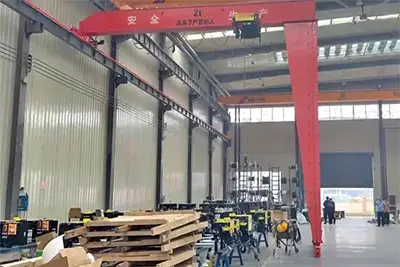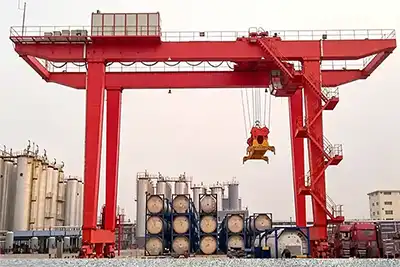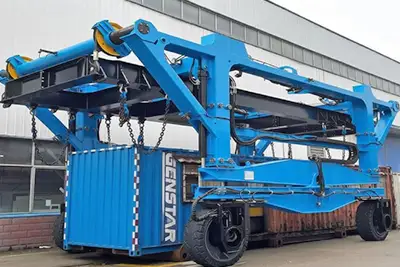
Heavy Lifting Made Easy:15 Ton Gantry Crane for Sale Doha, Qatar
15-ton gantry cranes for sale Doha & Al Khor optimize outdoor lifting tasks for ports, fabrication yards, and construction sites. Get custom gantry crane !
Introduction
Doha and Al Khor: Expanding Hubs for Industry and Infrastructure
Doha and Al Khor are two of Qatar’s most active centers for industrial development. Over the past decade, both cities have experienced a steady rise in construction, logistics, steel fabrication, and port operations. In Doha, large-scale infrastructure projects, including port expansions, logistics parks, and industrial zones, require reliable material handling systems that can operate smoothly in demanding environments. Meanwhile, Al Khor, located along Qatar’s northeastern coast, is home to a number of coastal workshops, shipyards, and fabrication yards that often operate in open-air conditions with constant exposure to sun, dust, and salt.
Efficient material movement in these environments is more than just about lifting—it's about ensuring safety, maintaining pace, and reducing manual labor where possible.
Why Material Handling in Ports and Outdoor Yards Needs the Right Equipment
Moving steel structures, cargo, and equipment across open yards or along container lanes isn’t just a matter of having a crane—it’s about having the right crane for the job. In outdoor conditions, equipment is exposed to high temperatures, sand-laden winds, and uneven terrain. Ports also have additional safety requirements due to marine air, wind forces, and the movement of other vehicles or equipment.
A 15-ton gantry crane is a practical choice for many of these situations. It offers the flexibility to move large or bulky loads outdoors without the need for a permanent structure or building framework.
Here’s what makes material handling in these environments so demanding:
- Daily exposure to dust, heat, and humidity wears down regular equipment quickly.
- Outdoor yards often lack overhead runways, requiring a crane that supports itself—like a gantry crane.
- Port and yard layouts frequently change, making it useful to have a mobile or rail-mounted system that can adapt.
- Manual handling of large components like steel plates, machinery frames, or precast parts increases the risk of accidents and inefficiency.
Why 15 Ton Gantry Cranes Fit Just Right
15-ton gantry cranes offer a solid middle ground between small workshop equipment and heavy port gantries. They’re strong enough to lift and transport a wide range of loads—from steel beams and large equipment to fabricated modules—yet compact enough to be installed at mid-sized sites without major civil work.
This type of crane fits well in places like:
- Open fabrication yards with limited roof coverage or no building support.
- Coastal workshops handling steel sections or machinery for marine and offshore projects.
- Port terminals where containers, palletized cargo, or heavy supplies are stored before shipping.
If you're working outdoors, especially in Qatar’s climate, having a gantry crane that’s tough, easy to maintain, and matched to your site size is not just helpful—it’s essential.
Gantry Crane for Industrial Uses
Versatile Enough for Ports, Fabrication Yards, and Outdoor Projects
A 15-ton gantry crane isn't designed for one specific job—it's built to work across a wide range of industries that need to move large, heavy items efficiently and safely. Whether it's lifting steel frames in a fabrication yard or loading cargo in a coastal port, this type of crane handles demanding tasks without the need for a permanent structure or indoor installation.
Ports are fast-paced environments where timing and space are critical. A 15-ton gantry crane can support container movement, bulk material transfer, and equipment loading without requiring heavy infrastructure or major civil works.
Typical uses in port areas:
- Loading and unloading standard 20 ft and 40 ft containers
- Transferring general cargo from trucks to storage areas
- Lifting engines, pumps, and marine supplies in coastal maintenance yards
- Operating safely alongside other port vehicles and equipment
In many smaller or private ports around Doha and Al Khor, these cranes offer an efficient alternative to full-scale container gantries.
Fabrication yards often involve the repetitive handling of large, awkwardly shaped materials—steel beams, plates, structural sections, and weldments. A gantry crane provides the mobility and strength needed to move these components between workstations or from the shop floor to storage or transport.
Typical uses in fabrication yards:
- Lifting long steel I-beams and H-beams
- Transporting finished modules from fabrication bays to storage
- Handling large welded assemblies with irregular dimensions
- Supporting pre-assembly and layout stages before shipping or installation
For yards without indoor lifting facilities, a 15-ton gantry crane can serve as the main load-handling solution.
At construction sites—especially those involving precast concrete, modular assembly, or industrial plant setup—materials need to be moved quickly and securely. Fixed lifting equipment is often not available, and mobile cranes may be too expensive or hard to maneuver.
Where gantry cranes help on site:
- Moving precast concrete slabs, columns, or rebar bundles
- Lifting machinery and HVAC equipment for installation
- Supporting temporary material staging areas before crane tower erection
- Handling structural frames during steel erection
These cranes are especially useful on flat open sites where a single crane can serve multiple purposes throughout the day.
Outdoor storage and equipment yards often struggle with moving bulky or heavy items without damaging inventory or relying on excessive manual labor. Gantry cranes offer a clean solution for loading, unloading, and organizing materials with control and visibility.
Typical applications in these yards:
- Lifting machinery or equipment parts in preparation for shipping
- Organizing inventory in open-air stockyards
- Handling replacement components in maintenance yards
- Loading heavy items onto trucks with precision and reduced manpower
If your operation includes any kind of repetitive or heavy lifting outside, there's a good chance a 15-ton gantry crane could simplify your workflow and reduce the need for multiple smaller lifting devices.
Gantry Crane Project Locations: Doha and Al Khor
Where These Cranes Work Hard, Every Day
The cities of Doha and Al Khor may differ in pace and focus, but both are crucial to Qatar's industrial and logistics expansion. As project sites multiply and the need for infrastructure support grows, gantry cranes—especially those with a 15-ton capacity—are becoming a common sight in both cities. They're not just chosen for their strength but also for how well they handle the local environment and site conditions.
: Doha is the heart of Qatar's large-scale development. From national infrastructure programs to growing industrial estates, the demand for efficient outdoor material handling is rising rapidly.
Common crane locations in Doha include:
- Logistics parks and warehouse clusters in Industrial Area
- Fabrication workshops supporting metro, road, and port infrastructure
- Equipment yards servicing the oil & gas and construction sectors
- Project sites near Hamad Port and Doha Free Zone
In many of these areas, gantry cranes are used to lift steel frames, machinery, containers, or concrete structures—especially where space is open but tightly organized.
: Al Khor has grown into a major industrial and fabrication zone, particularly for marine, energy, and offshore sectors. Located on the northeastern coast, the city is home to fabrication workshops and equipment yards that frequently serve shipping, petrochemical, and marine maintenance projects.
Typical crane use cases in Al Khor include:
- Handling steel modules and pipe racks for offshore platforms
- Lifting mechanical skids, tanks, or pre-assembled packages
- Outdoor assembly of large fabricated items for export or installation
- Moving parts and supplies in marine logistics yards
Gantry cranes here are usually installed in open spaces where covered facilities aren't feasible. In some yards, the cranes are even used daily to load heavy materials onto barges or trailers bound for industrial sites along the coast.
: Both Doha and Al Khor present challenging environmental conditions that affect all types of machinery. Gantry cranes used in these regions must be built with the climate in mind to maintain long-term reliability.
Environmental conditions to consider include:
- High daytime temperatures (often 45°C or more in summer)
- Fine sand and dust, which affect mechanical components and electrical systems
- Humid and salty air in coastal zones like Al Khor, increasing corrosion risks
- Sudden gusts of wind in open yards, requiring strong anchoring and storm locking systems
For these reasons, cranes installed in Qatar are often coated with anti-corrosion paint, use sealed electrical panels, and feature weatherproof cabling and control boxes.
Whether it's lifting steel in Doha's busy workshops or moving modules in Al Khor's coastal yards, a 15-ton gantry crane must be ready for rough conditions and demanding work—every single day.
Gantry Crane Configuration Options
Choosing the Right Setup for Your Specific Needs
When it comes to selecting a 15-ton gantry crane, one size definitely doesn’t fit all. The right configuration depends on your site layout, the type of loads you handle, and how often you need to move the crane. Understanding the main options will help you make a choice that fits your operation without wasting money or space.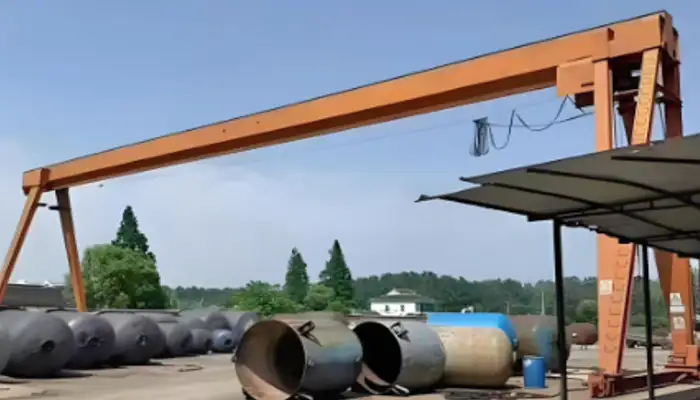
Single girder gantry crane for sale Dora, Qatar , similiar project for your reference
Single Girder vs. Double Girder Gantry Cranes: Single girder cranes are simpler and usually more cost-effective. They work well for lighter or less frequent lifts and when the span (the width the crane covers) is relatively short. However, if your job involves lifting heavy loads regularly or requires a longer span, a double girder gantry crane is often the better pick.
Why double girder might be the way to go:
- Supports higher lifting capacity with greater safety margins
- Offers smoother, more stable lifting and travel for heavier loads
- Allows for larger hook heights, giving more clearance under the crane
- Better suited for continuous or heavy-duty operations
If your worksite demands reliability during frequent lifting or you have bulky loads, investing in a double girder crane pays off in the long run.
Full Gantry vs. Semi-Gantry Designs: Full gantry cranes have two legs and run on rails on both sides of the working area. They’re freestanding and don’t rely on any existing structure. Semi-gantry cranes, on the other hand, use one leg and run on one side, while the other side moves along a building or existing structure.
When to consider a semi-gantry:
- You have a strong building or wall that can support the crane on one side
- Space is limited and you want to reduce ground-level obstruction
- You want to save on construction or foundation costs
Semi-gantry cranes save space and are ideal for yards or workshops where a building runs alongside the working zone. But if your site is open on all sides, a full gantry crane gives you maximum coverage and flexibility.
Fixed (Rail-Mounted) vs. Mobile (Rubber-Tyred) Gantry Cranes: Your work environment will largely determine whether a fixed or mobile gantry crane fits best. Rail-mounted cranes run on fixed rails and are perfect if your operation has a clear, repetitive path, like moving loads between fixed stations. Rubber-tyred gantry cranes have wheels and can be driven around, offering greater freedom of movement.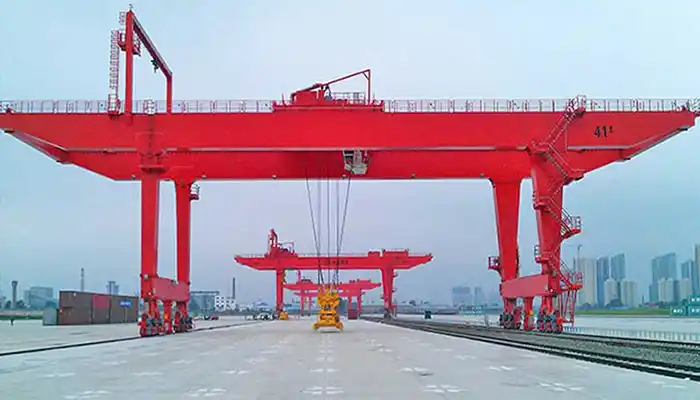
Choosing between the two:
- Great for consistent workflows along straight paths
- Require installation of runway rails and some groundwork
- Usually more stable and precise in positioning loads
Rubber-Tyred Gantry Cranes
- Highly flexible, can move anywhere within a yard or site
- Ideal for temporary or changing layouts
- No need for permanent rails or ground preparation
- Can maneuver around obstacles and adjust to daily needs
If your site layout changes often or you need to cover large outdoor areas without fixed rails, a rubber-tyred gantry crane offers unmatched flexibility.
Selecting the right configuration means balancing your budget, space, and operational demands. A well-chosen gantry crane setup will make your lifting tasks safer, smoother, and more efficient every day.
Technical Features for Outdoor Use
Built to Withstand the Elements and Keep Work Safe
When a gantry crane works outdoors, it faces a lot more than just heavy loads. Sun, wind, dust, and moisture can take a toll on both mechanical parts and electrical systems if the crane isn’t designed to handle them. That’s why cranes used in places like Doha and Al Khor come equipped with specific features that help them perform reliably day after day.
Weather-Resistant Electrical Panels and Enclosures: Electrical components are sensitive and vulnerable to dust, humidity, and temperature swings. For outdoor cranes, the electrical panels and control boxes are sealed to meet at least IP55 standards, which means they’re protected against dust ingress and low-pressure water jets. This keeps wiring, relays, and control circuits safe from sandstorms or occasional rain.
- Enclosures designed to prevent dust and moisture penetration
- Temperature-resistant components for Qatar’s high heat environment
- Easy access for maintenance without compromising protection
Corrosion Protection for Longer Life: Coastal areas, like Al Khor, have salty air that can quickly corrode metal parts if not treated properly. Gantry cranes for outdoor use often come with marine-grade coatings, which include anti-rust paint layers and stainless steel or galvanized hardware where possible. This helps extend the crane’s working life and reduces downtime caused by corrosion-related repairs.
- Multi-layer anti-corrosion paint systems on girders and legs
- Use of stainless steel bolts and fittings in critical areas
- Protective coatings on hoists, hooks, and wire ropes
Safety Systems to Handle Wind and Movement: Open yards and ports are exposed to gusty winds that can sway loads or move cranes unintentionally. To keep operations safe, gantry cranes often include windproof devices that lock the crane in place during high winds, rail clamps that secure the wheels to the rails, and storm anchors for extra stability.
- Wind speed monitoring and automatic locking mechanisms
- Manual or automatic rail clamps for secure positioning
- Anchor points and tie-downs for severe weather conditions
Optional Features to Improve Operation and Control: Modern gantry cranes can be equipped with additional features to improve efficiency and safety, making daily work easier for operators and managers.
- Wireless remote control for precise, hands-free crane movement
- Load monitoring systems to avoid overload and ensure safety
- CCTV cameras for better visibility in large or busy yards
- Limit switches to prevent over-travel and accidental collisions
In short, 15-ton gantry cranes designed for outdoor use come ready to face tough environments without frequent breakdowns. They keep your crew safe, reduce unexpected stops, and maintain steady productivity even under harsh Gulf conditions.
Customization Options
Tailoring Your Gantry Crane to Fit Your Exact Needs
No two work sites are exactly the same, especially when it comes to outdoor yards or port facilities. That’s why 15-ton gantry cranes often come with customization options to make sure they fit perfectly—both in terms of physical space and how you work. Customizing key elements means you get a crane that works efficiently and safely from day one, without unnecessary modifications later.
Span and Height Adjusted to Your Site Layout: The span (the distance between the legs) and the height of the crane need to match your workspace and the size of loads you handle. Too narrow a span might limit access, while too wide can increase costs. Similarly, the crane’s hook height should give enough clearance for your tallest loads plus safe lifting margins.
- Custom spans based on building widths, yard size, or rail distances
- Adjustable hook heights to clear materials, trucks, or stacked loads
- Design flexibility to fit under existing overhead structures if needed
Getting the right span and height helps avoid costly site changes and keeps material flow smooth.
Leg Design Adapted for Ground Conditions: Not every yard has perfectly level, paved ground. Some areas might be uneven, have embedded rails, or even sloped surfaces. Gantry crane legs can be designed and fabricated to suit these conditions, ensuring stability and safety.
- Legs with adjustable bases or pads for uneven terrain
- Reinforced foundations or embedded rail supports for rail-mounted cranes
- Special leg shapes or sizes to clear obstacles or improve access
Proper leg design ensures your crane doesn’t wobble or strain under load, even on less-than-ideal ground.
Hoist Compatibility for Different Workloads: The type of hoist you choose affects the crane’s lifting performance and maintenance needs. Wire rope hoists are generally preferred for heavier loads and longer lifts because they offer greater strength and durability. Chain hoists are lighter, more compact, and suitable for less frequent or lighter lifting tasks.
- Wire rope hoists for heavy, continuous lifting and longer vertical travel
- Chain hoists for lighter, intermittent lifts and easier maintenance
- Options to fit standard or specialized hoists depending on load type
Matching the hoist to your workload improves efficiency and reduces wear over time.
Integration with Workshop and Port Logistics Systems: Modern operations require smooth coordination between cranes and other equipment or workflows. Gantry cranes can be customized to fit into existing workshop layouts, production lines, or port logistics setups.
- Controls compatible with centralized automation or monitoring systems
- Customized travel paths or stop points aligned with material flow
- Integration with safety systems, alarms, and site communication networks
This kind of integration makes your crane part of a streamlined operation, reducing bottlenecks and improving overall productivity.
In short, customizing your 15-ton gantry crane means it fits your site perfectly, works with your workflow, and gives you reliable performance in all conditions. It’s about making sure the crane isn’t just powerful, but also smart and practical for your specific needs.
Case and Applications
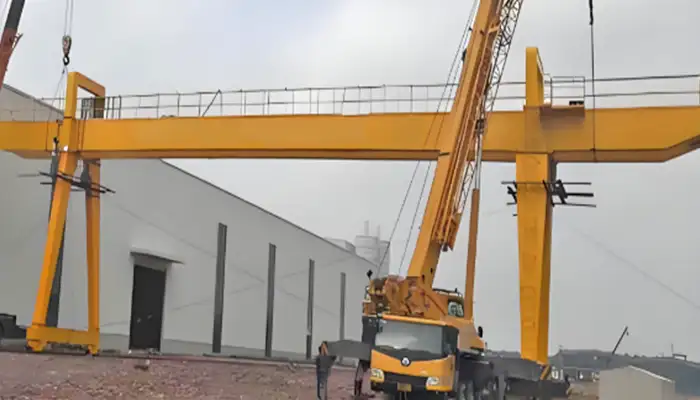
Double girder gantry crane for sale Doha
Cases of 15 Ton Gantry Cranes in Qatar
Sometimes the best way to understand how a crane fits into an operation is to look at how it’s actually being used. In both Al Khor and Doha, 15-ton gantry cranes have proven their worth in different settings—helping teams work faster, safer, and smarter.
Example from Al Khor: Handling Steel Beams for Modular Construction: In Al Khor, a fabrication yard specializing in modular steel construction installed a 15-ton double girder gantry crane to manage heavy steel beams and welded assemblies. The crane runs on fixed rails along the length of the yard, moving steel sections from cutting and welding areas to storage and loading zones.
- The crane handles beams up to 12 meters long and weights close to the 15-ton limit
- It allows workers to lift and move large steel frames without forklifts or mobile cranes
- The yard’s layout, with multiple welding bays and storage racks, benefits from the crane’s smooth travel and precise control
This setup significantly reduced manual handling, speeding up production and minimizing workplace injuries related to heavy lifting.
Example from Doha: Container Staging at a Port-Side Yard: At a port facility near Doha, a rubber-tyred 15-ton gantry crane is used to organize containers and bulk cargo before shipping. Unlike fixed cranes, this mobile gantry can move between different loading areas, adjusting to daily operational needs.
- The crane assists in stacking and rearranging containers up to 15 tons in weight
- It supports smooth transfer of cargo from trucks to temporary storage without blocking traffic
- Operators use wireless remote controls for precise positioning in tight spaces
This flexibility has improved the yard’s turnaround times and reduced dependence on more expensive heavy equipment like reach stackers.
Outcomes Across Both Sites: Whether it’s steel fabrication or container handling, using a 15-ton gantry crane delivers clear benefits:
- Faster lifting and moving of heavy materials, helping meet tight schedules
- Reduced physical strain and risk of injury among workers, thanks to mechanical lifting
- Improved site organization by enabling smooth, predictable material flow
- Lower overall equipment costs compared to larger, more complex cranes
These examples show how the right crane, properly configured for the task, becomes an essential part of daily operations—saving time, money, and effort.
Why Choose 15 Ton Gantry Cranes?
A Practical Lifting Solution for Real-World Demands
When you're handling materials like steel beams, machine parts, or containers in an outdoor yard or port, the crane you use needs to be tough, flexible, and worth the investment. A 15-ton gantry crane hits the sweet spot for many operations—not too small to be limited, and not oversized to the point of being overkill. It provides enough lifting power to manage heavy components, while remaining cost-effective and adaptable to various site layouts.
A Balanced Choice for Capacity and Flexibility: This crane size is often chosen because it bridges the gap between small workshop hoists and massive port cranes. It's large enough to handle heavier loads but still compact enough to move easily and install without extensive modifications to your site.
What this means in practice:
- Can lift heavy steel structures, molds, equipment, and containers with a single lift
- Ideal for workshops and yards where load sizes vary but rarely exceed 15 tons
- Can be used for both short-cycle and occasional heavy lifting tasks
Suitable for Medium to Heavy Outdoor Handling
Outdoor yards and fabrication areas often deal with medium-weight components like fabricated modules, steel plates, and mechanical assemblies. A 15-ton gantry crane offers a reliable and safe way to handle this material, especially when loads are too large for forklifts or mobile cranes.
Common load types include:
- Structural steel frames for buildings or industrial plants
- Shipping containers and bulk cargo pallets
- Precast concrete components or mechanical assemblies
- Large machinery or sub-assemblies for port loading
More Cost-Effective Than Overhead Cranes Outdoors
Installing an overhead crane outdoors is usually not practical due to the need for supporting structures, columns, and roof clearance. Gantry cranes, on the other hand, stand on their own. This makes them a more economical and faster option when your workspace is outside.
Why gantry cranes are more affordable:
- No need for building support columns or heavy foundations
- Easy to reposition if the yard layout changes
- Lower initial investment for similar lifting capacity in open areas
Adaptable Installation: Rail or Tyre Options
Every yard is different. Some have defined lanes where a crane needs to follow a straight path. Others are more dynamic, with moving loads in different directions. 15-ton gantry cranes can be rail-mounted for predictable, straight-line movement or rubber-tyred for flexible, free-path mobility.
Two setup options based on your needs:
- Rail-mounted: Ideal for repetitive tasks in linear work zones (e.g., between two fabrication bays or along a container row)
- Rubber-tyred (mobile): Best for shifting workspaces or temporary installations where the crane must move around obstacles
If your operation needs to lift heavy items outdoors—whether regularly or on demand—a 15-ton gantry crane gives you the strength, freedom, and value you need without overcomplicating your setup.
Conclusion and Buyer Guidance
Why a 15 Ton Gantry Crane Makes Sense for Outdoor and Port Work
When it comes to lifting and moving medium-heavy loads outdoors—whether at a busy port, fabrication yard, or construction site—a 15-ton gantry crane hits the right balance of power, flexibility, and cost. It handles steel beams, containers, machinery, and more with ease, all while standing up to the harsh conditions common in places like Doha and Al Khor. These cranes are designed to work reliably in open yards, exposed to sun, dust, wind, and even salty coastal air.
Choosing the Right Crane for Your Needs
Picking the best gantry crane setup means thinking about how often you’ll use it, the types of loads you handle, and your site’s layout.
- If you lift heavy loads regularly or have a wide working area, consider a double girder crane for added strength and stability.
- For sites where one side has a supporting structure, a semi-gantry design can save space and reduce costs.
- If your workflow involves repetitive, straight-line moves, a rail-mounted crane is efficient and precise. For changing or temporary layouts, a rubber-tyred mobile crane offers more freedom.
- Factor in environmental challenges like heat, dust, and coastal corrosion when specifying materials and protective coatings.
Get Expert Guidance for the Best Fit
Every project is different. That’s why consulting with experienced crane manufacturers or suppliers can save time, money, and headaches. They’ll help you:
- Choose the right configuration and features based on your operation
- Ensure your crane is built to handle local climate and working conditions
- Plan for installation, commissioning, and maintenance support
- Provide export-ready solutions that meet your delivery schedule
If you’re planning to upgrade your material handling or set up a new outdoor lifting solution, reaching out to experts is the best first step. A well-chosen 15-ton gantry crane will serve you reliably and keep your operation running smoothly for years to come.