Automatic Overhead Crane for Steel Handling with Automated System
Yuantai Solution
Introduction – Why Automation Matters in Steel Handling
Handling steel in warehouses, service centers, and manufacturing plants is never simple. Traditional steel stockholding involves a lot of manual labor, forklift traffic, and sometimes risky operations. Moving heavy coils, billets, slabs, or large steel parts requires precision, strength, and coordination—something humans alone can struggle with.
Automation in steel logistics has become more than a convenience; it’s about safety, efficiency, and consistency. Using automated cranes allows operators to move heavy materials quickly and accurately without constant human intervention.
automatic overhead crane for steel coil handling
Crane Type |
Automatic Overhead Crane for Steel Handling |
Crane Structure |
Double Girder Overhead Crane |
Reference Capacity Range |
5–80 ton |
Reference Span Range |
10.5–31.5 m |
Reference Lifting Height |
6–18 m |
Working Duty |
A5–A7; higher duty classes available according to operating cycles |
Hoisting System |
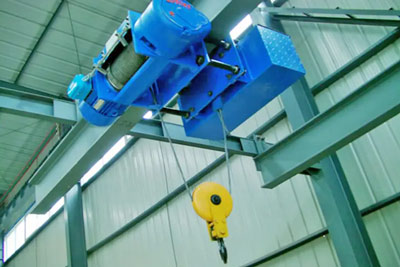
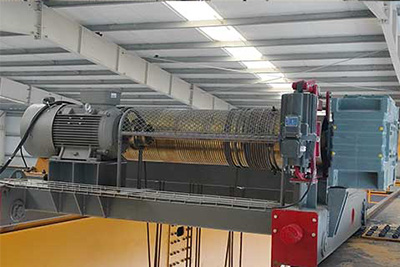
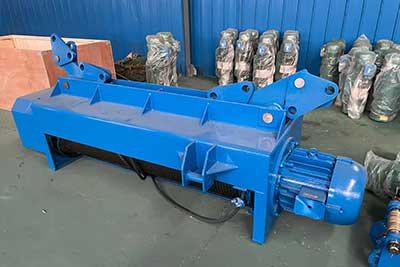
Electric Wire Rope Hoist / Double Girder Trolley Hoist |
Reference Hoisting Speed |
5–20 m/min |
Reference Trolley Speed |
5–30 m/min |
Reference Crane Travel Speed |
20–60 m/min |
Control System |
PLC-Based Automatic Control |
Automation Functions |
Automatic Lifting, Traveling, Positioning, Stacking and Retrieval |
Positioning System |
Automatic Positioning with Sensors and Programmable Travel Routes |
Lifting Attachment |
Magnetic Gripper / Mechanical Clamp / Custom Gripper |
Load Monitoring |
Real-Time Load Monitoring and Overload Protection |
Collision Protection |
Obstacle Detection, Collision Avoidance and Automatic Stop |
WMS / ERP Integration |
Available for Inventory Tracking, Scheduling and Material Management |
Control Modes |
Automatic / Semi-Automatic / Manual Override |
Power Supply |
380V / 50Hz / 3Ph or customized |
Safety Systems |
Emergency Stop, Collision Avoidance, Load Monitoring, Limit Protection and Fail-Safe Control |
Typical Loads |
Steel Coils, Steel Plates, Slabs, Billets and Heavy Steel Components |
Typical Applications |
Steel Service Centers, Steel Warehouses, Coil Storage, Slab Storage, Billet Handling and Automated Steel Logistics |
Final Configuration |
Customized according to load weight, crane span, lifting height, storage layout, handling cycle, automation level and site conditions |
Share your lifting capacity, span, lifting height, handling cycle and automation requirements with our engineering team. We can help configure an automated crane system for your steel handling and storage operation.
Get an Automated Crane SolutionKey benefits of automated cranes include:
- Faster operations: Automated systems handle repeated lifting and stacking tasks without fatigue.
- Enhanced safety: Reduces the risk of accidents from human error or overloading.
- Precise material placement: Cranes can position steel exactly where needed, optimizing storage space.
- Reduced labor dependency: Fewer workers are needed for manual lifting or moving heavy loads.
- Lower operational bottlenecks: Automatic routines streamline workflows, keeping production and stock movement smooth.
An automatic crane system ties all this together. It connects the crane to sensors, software, and sometimes your warehouse management system (WMS). This makes inventory tracking easier, improves scheduling, and allows operators to focus on supervising rather than physically moving steel. Simply put, it keeps the whole stockholding and logistics operation running more efficiently.
Automatic Overhead Bridge Cranes
An automatic overhead bridge crane is a type of crane that moves along overhead rails or runways to lift and transport heavy materials within a warehouse or plant. Unlike traditional cranes, these systems can operate with minimal human intervention.
Core components of an automatic crane include:
- Bridge: The horizontal structure that spans the working area, supporting the trolley and hoist.
- Trolley: Moves along the bridge, carrying the hoist.
- Hoist: Lifts and lowers the load. Modern hoists can include magnetic clamps or specialized grippers for steel handling.
The difference between conventional cranes and automated cranes is in how the movement and lifting are controlled. Conventional cranes require operators to manually control speed, positioning, and lifting. Automated cranes, on the other hand, use computer systems, sensors, and pre-programmed routes to perform repetitive or precise tasks.
Automatic stacking cranes take automation a step further. They are designed specifically for storing and retrieving steel in dense stacks. These cranes can:
- Handle coils, slabs, and billets without repositioning other materials.
- Operate continuously, even in high-density storage areas.
- Reduce the chance of material damage due to misplacement or collisions.
In short, automatic overhead bridge cranes and automatic stacking cranes help steel logistics become safer, faster, and more organized, while reducing reliance on manual labor.
Key Features & Technologies of Automated Crane Systems
Modern steel logistics rely heavily on automated cranes to move heavy materials efficiently and safely. These systems are more than just “lifting machines.” They combine mechanical design, software, and safety features to handle demanding steel operations. Understanding the key features helps buyers choose the right crane for their facility.
Selecting the right automatic crane starts with knowing what you need to lift. Steel coils, billets, slabs, and large machinery parts vary widely in weight. Choosing a crane with insufficient capacity can slow operations or create safety risks, while over-specifying can unnecessarily increase cost.
Practical considerations:
- Maximum weight of single loads and combined loads for stacking.
- Span of the crane and height of lift needed.
- Frequency of lifting operations—continuous heavy lifts may require reinforced systems.
- Future expansion—consider whether your warehouse or plant might need higher capacity later.
The brain of an automatic crane system lies in its control technology. Modern cranes use a combination of PLCs, sensors, and sometimes AI to manage movement, positioning, and load handling. Real-time monitoring ensures smooth operation and allows for adjustments on the fly.
Key points:
- Programmable routes for repetitive tasks reduce human error.
- Sensors detect obstacles, ensuring safe movement around stored steel.
- Integration with control software can optimize lifting sequences for faster throughput.
- Data collection enables predictive maintenance, minimizing downtime.
Steel comes in all shapes and sizes, so the right attachment is critical. End effectors—like magnetic clamps, mechanical clamps, or custom grippers—allow automated cranes to handle steel safely without causing damage.
Types of attachments:
- Magnetic grippers: Ideal for steel plates and slabs, easy to pick and release.
- Mechanical clamps: Perfect for coils, billets, or irregular shapes.
- Custom solutions: Tailored to unusual loads, such as heavy machinery parts or bundled materials.
Connecting your automated cranes to a WMS allows for more than just lifting—it enables smart inventory and scheduling management. The crane can automatically record which materials are moved, where they are stored, and when they are retrieved.
Benefits include:
- Accurate real-time tracking of steel inventory.
- Efficient scheduling to reduce idle time.
- Streamlined workflow between production, storage, and shipping areas.
- Improved coordination between multiple cranes or other automated equipment.
Handling steel is heavy-duty work, and safety can’t be overlooked. Automatic stacking cranes and automated overhead cranes are equipped with multiple safety systems to protect operators, materials, and equipment.
Safety features:
- Collision avoidance systems that detect nearby objects or cranes.
- Load monitoring to prevent overloading and structural stress.
- Emergency stop functions for instant shutdown in unsafe conditions.
- Backup power or fail-safe systems to maintain control during outages.
By combining these features, an automatic crane system not only lifts heavy materials but also keeps operations smooth, organized, and safe. These technologies make automated cranes a practical choice for steel stockholding and heavy material logistics.
Benefits for Steel Stockholding and Heavy Material Logistics
Investing in automated cranes isn't just about keeping up with technology—it's about making day-to-day steel handling safer, faster, and more predictable. These systems bring practical advantages that directly improve warehouse operations, logistics hubs, and manufacturing facilities.
With automated cranes, heavy steel materials move faster and more consistently than with manual operations. The crane can follow pre-programmed routes, stack steel in tight spaces, and handle repetitive lifts without fatigue or delay.
Practical advantages:
- Faster movement of coils, slabs, billets, and heavy parts.
- Continuous operation without breaks, unlike manual lifting.
- Streamlined workflows between storage, production, and shipping areas.
- Reduced bottlenecks during peak workloads.
Manual steel handling comes with risks—overloading, dropping, or misplacing materials. Automated cranes reduce these risks by performing tasks according to precise parameters, minimizing accidents and material damage.
Safety improvements include:
- Accurate placement of heavy loads to avoid collisions or tipping.
- Automatic stop and collision avoidance systems.
- Less exposure of operators to hazardous lifting environments.
- Consistent operations even in complex storage layouts.
Space is valuable in steel warehouses. Automatic stacking cranes maximize storage density by efficiently stacking steel coils, slabs, or billets without rearranging surrounding materials.
Storage benefits:
- Higher density stacking without compromising safety.
- Easy retrieval of specific items without disturbing adjacent loads.
- Better use of vertical and horizontal storage space.
- Simplified organization for mixed-size materials.
Automation reduces the number of staff required for physically demanding tasks. At the same time, automatic crane systems collect operational data to predict maintenance needs, reducing downtime and unexpected repairs.
Operational advantages:
- Lower labor expenses for repetitive lifting tasks.
- Predictive maintenance avoids costly emergency repairs.
- Staff can focus on supervising and coordinating operations rather than lifting.
- Longer equipment lifespan due to consistent operation within safe parameters.
Integrating automated cranes with warehouse management or ERP systems ensures every steel coil, slab, or billet is tracked from storage to shipment.
Inventory benefits:
- Real-time visibility of stock levels and locations.
- Reduced misplacement or lost materials.
- Easier reporting for production and logistics planning.
- Streamlined audits and material traceability.
Automated cranes and automatic stacking cranes transform steel logistics from slow, labor-intensive operations into controlled, predictable, and efficient workflows. They improve speed, safety, storage, and cost-efficiency—making them a practical solution for modern steel handling operations.
Typical Applications of Automatic Crane Systems
Automated cranes and automatic crane systems are not just for large-scale industrial operations—they fit any facility where heavy steel handling, precise placement, or high-volume storage is required. Their flexibility makes them useful across multiple types of operations, from service centers to manufacturing plants.
Steel service centers handle a variety of steel products daily, including coils, sheets, and slabs. Efficient movement and organization of these materials are critical to keep production and delivery schedules on track.
How automated cranes help:
- Move steel safely from receiving areas to storage or processing lines.
- Reduce manual labor and speed up material handling.
- Ensure precise placement for easy access and inventory management.
- Integrate with warehouse management systems for real-time tracking.
Coils, slabs, and billets are heavy and bulky, often stored in high-density yards. Manually moving them can be slow, unsafe, and space-inefficient. Automatic stacking cranes excel in these environments.
Practical benefits:
- Stack and retrieve materials in dense layouts without rearranging nearby loads.
- Handle multiple types of steel products with the same crane using adaptable grippers.
- Maintain safety standards by minimizing operator exposure to heavy lifting.
- Improve throughput with automated, repeatable stacking and retrieval sequences.
Factories that produce or assemble large steel components, machinery, or construction materials require reliable heavy material handling. Automated cranes provide consistent lifting and placement, even for irregularly shaped loads.
Key advantages:
- Transport heavy parts directly to production lines or storage racks.
- Reduce handling time and manual intervention for large, awkward components.
- Enable predictable material flow, reducing bottlenecks.
- Integrate with ERP or production planning software to coordinate workflow.
Space optimization is essential, especially in steel warehouses or high-volume logistics hubs. Automatic stacking cranes allow operators to store materials more efficiently while keeping them organized and accessible.
Storage improvements:
- Higher storage density without sacrificing safety.
- Fast retrieval of individual items without moving others.
- Simplified material tracking and inventory management.
- Flexibility to handle different steel shapes and sizes in the same system.
From service centers to coil yards, and from billet storage to heavy parts manufacturing, automated cranes and automatic stacking cranes provide practical solutions for steel logistics. They streamline operations, improve safety, and maximize storage efficiency—helping facilities run smoothly every day.
Project Considerations for Buyers
Buying an automatic crane system is more than choosing a model off the catalog. Each facility has unique requirements that impact the crane's performance, safety, and long-term value. Considering these factors early ensures the crane fits your operations and provides reliable service.
Before selecting an automatic crane, it's essential to assess your facility's physical setup. Proper runway design, ceiling height, and floor strength are critical to safe and efficient operation.
Key points to check:
- Ceiling height: Ensure the crane can reach the required lift height without obstruction.
- Runway design: Rails must be straight, level, and able to support crane movement.
- Floor strength: Especially for heavy loads, floors must handle concentrated crane loads safely.
- Obstructions: Consider lighting, ductwork, or other equipment that could interfere with crane travel.
The crane's span and lifting capacity must match your workflow. Overestimating may add unnecessary cost, while underestimating can limit operations or create safety risks.
Practical considerations:
- Maximum load weight and distribution across the span.
- Reach required for moving materials from storage to production or shipping areas.
- Potential future expansion—planning ahead avoids frequent upgrades.
- Compatibility with existing equipment and storage layout.
Different operations require different speeds. Automated cranes should be matched to production requirements to avoid bottlenecks or idle time.
Factors to evaluate:
- Number of lifts per hour or day.
- Cycle time from pick-up to placement.
- Continuous vs. intermittent operation requirements.
- Ability to adjust speed for delicate or irregular loads.
Integrating automatic stacking cranes and automated cranes with your Warehouse Management System (WMS) or ERP can optimize overall efficiency.
Integration benefits:
- Real-time tracking of materials and inventory.
- Automated scheduling to reduce downtime between lifts.
- Coordination between multiple cranes for simultaneous operations.
- Easier reporting and analysis for production and logistics planning.
Safety and regulatory compliance cannot be overlooked. Ensure your automatic crane system meets industry and local standards to protect workers, materials, and equipment.
Checklist:
- CE/ISO certification for industrial safety and quality.
- Local occupational safety regulations compliance.
- Emergency stop and collision prevention features.
- Documentation for training operators and maintenance teams.
Evaluating site conditions, lifting needs, throughput, integration, and compliance ensures your automated cranes or automatic stacking cranes operate safely, efficiently, and reliably. Proper planning saves cost, reduces downtime, and improves overall workflow in steel handling operations.
Conclusion
The future of steel logistics is leaning heavily toward automation. Automated cranes and automatic crane systems are no longer optional—they are becoming a practical necessity for facilities handling heavy steel materials efficiently and safely.
Automated cranes and automatic crane systems are transforming steel logistics from manual, high-risk operations into controlled, efficient, and data-driven processes. For any facility handling heavy steel materials, investing in these systems is a practical step toward safer, faster, and more organized operations.