Hybrid Gantry Cranes: Cabin and Remote Control Gantry Crane
Hybrid Gantry Cranes: Combining Cabin and Remote Control for Maximum EfficiencyIntroduction
Hybrid gantry cranes are changing the way operators handle heavy loads. Instead of being limited to just a cabin or a remote control, these cranes let you use both. Imagine sitting in the cabin for long, precise lifts, then switching to remote control to move around and see the load from different angles—without ever leaving your workflow behind.
Flexibility is the real advantage here. Modern workshops and yards demand cranes that can adapt to different tasks, operator needs, and safety requirements. With hybrid control, you don’t have to compromise between precision, mobility, or safety.
Why Hybrid Gantry Cranes Make Sense:
- Flexible operation: Choose cabin or remote depending on the task and environment.
- Safer handling: Keep operators out of hazardous areas while maintaining control.
- Better productivity: Switch modes to reduce fatigue and handle loads more efficiently.
- Versatile applications: Ideal for mixed operations, from metal workshops to shipping yards.
At the end of the day, hybrid gantry cranes give operators more control, more options, and more confidence in every lift. They’re designed for workplaces where one-size-fits-all doesn’t cut it.
What is a Hybrid Gantry Crane?
A hybrid gantry crane is a crane that comes with both a cabin for the operator and the ability to be controlled remotely. This setup gives operators the freedom to choose the control method that best fits the task, the environment, or their personal preference.
Unlike traditional single-mode cranes—where you’re either confined to a cabin or limited to a remote controller—hybrid cranes offer the best of both worlds. You can handle delicate, precise lifts from the cabin, then switch to remote control when you need mobility or a better view of the load from different angles.
When Hybrid Cranes Are Most Useful:
- Hazardous or confined environments: Operators can stay at a safe distance using remote control.
- Mixed workload operations: Switching between control modes for light or heavy lifts improves efficiency.
- Precision-heavy tasks: Cabin operation provides stability and comfort for long-duration lifts.
- Workshops with limited visibility: Remote control allows operators to monitor loads from multiple angles without moving the crane.
Hybrid gantry cranes are all about flexibility and adaptability. They’re designed for workplaces where the job changes constantly, and no single control mode can cover every scenario efficiently.
Key Advantages of Hybrid Gantry Cranes
Hybrid gantry cranes combine the strengths of cabin and remote control, giving operators more options and making operations smoother, safer, and more efficient.
- Operators can switch between cabin and remote control depending on the type of lift or task.
- Remote control allows the operator to move freely around the load, providing better visibility in hazardous, confined, or hard-to-see areas.
- Cabin control is ideal for long, precise lifts where stability and comfort are important.
- Remote operation keeps the operator out of danger zones, reducing the risk of accidents.
- Cabin control provides protection during long-duration or high-precision lifts.
- Integration with safety interlocks, anti-collision sensors, and emergency stops ensures the crane always operates within safe limits.
- Switching between control modes allows faster handling of different types of loads, improving workflow.
- Alternating between cabin and remote control reduces operator fatigue, keeping the team alert and efficient throughout long shifts.
- Particularly effective in workshops with mixed load types or high traffic areas, where flexibility and speed are essential.
Practical Tip: Hybrid gantry cranes allow operators to choose the safest and most efficient control mode for every lift, which can significantly reduce downtime and improve overall productivity.
Control System Features in Hybrid Gantry Cranes
Hybrid gantry cranes are designed to give operators the best of both worlds. To make that possible, these cranes come with control systems that are versatile, reliable, and safety-focused.
- Handheld Remote with Reliable Wireless Connectivity
Operators can control the crane from a distance, moving around the load to get the best perspective. Modern remotes are designed to maintain a strong, stable connection, even in busy industrial environments, reducing the chance of signal dropouts. - Ergonomic Cabin with Clear View
The cabin is built for comfort and efficiency. Large windows and adjustable seating give operators a clear line of sight to the load and surrounding area, which is essential for precision lifts and long shifts. - Automated Features
Hybrid cranes often include Variable Frequency Drives (VFDs) for smooth motor control, PLC integration for automated lifting sequences, and anti-collision sensors for added safety. These features make the crane more responsive, precise, and reliable. - Safety Interlocks Compatible with Both Control Modes
Safety systems, such as overload protection, zone-limiting functions, and emergency stops, are integrated to work seamlessly whether the crane is being operated from the cabin or remotely. This ensures consistent safety across all tasks.
Practical Tip: When evaluating a hybrid crane, check that both control modes are fully integrated with the crane’s safety and automation systems. This ensures you can switch between modes without compromising performance or protection.
Choosing the Right Hybrid Crane Setup
Selecting the best hybrid gantry crane setup isn’t just about picking the latest technology. It’s about matching the crane to your operation, your team, and your budget.
Factors to Consider:
- Load capacity and frequency: Heavier or more frequent lifts may benefit from cabin or automated features, while lighter, occasional lifts can be handled with remote control.
- Work environment: Remote control is safer in hazardous or confined spaces, while cabin operation is ideal for precision lifts in open areas.
- Operator skill and experience: Less experienced operators may need more automation and safety support. Skilled operators can efficiently switch between modes.
- Budget: Hybrid cranes are more expensive than single-mode cranes. Consider the long-term operational benefits versus the upfront cost.
Balancing Cost and Benefits:
- Evaluate how often each mode will be used and what type of loads are common.
- A slightly higher upfront investment can pay off with improved safety, flexibility, and productivity.
Practical Tip: Test both cabin and remote modes in your workshop or yard before finalizing specifications. This ensures the crane suits your real-world workflow and operator comfort.
Practical Applications
Hybrid gantry cranes are versatile and can be used across a wide range of industrial operations. Some common applications include:
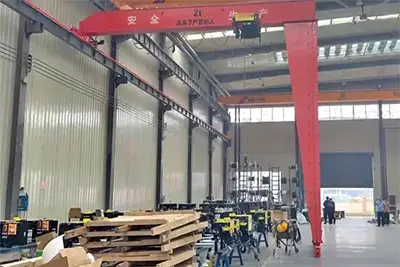
- Steel mills and metal fabrication workshops: Handling heavy steel plates, beams, and coils with both precision and mobility.
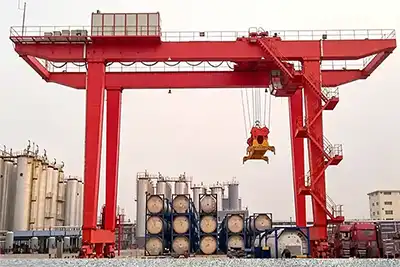
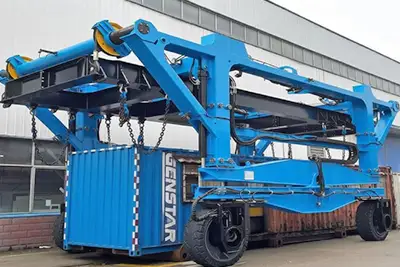
- Shipping yards and container handling: Switching between cabin and remote control for safe, flexible container movement.
- Assembly lines and manufacturing plants with mixed workloads: Managing different types of loads efficiently while reducing downtime.
- Hazardous or confined areas: Keeping operators safe while maintaining control and visibility in tight or dangerous spaces.
Practical Insight: If your operation involves a mix of heavy-duty lifts, precision handling, and variable work environments, a hybrid gantry crane provides unmatched flexibility and efficiency.
Maintenance and Training Considerations
Owning a hybrid gantry crane comes with added versatility, but it also means maintenance and operator training need to cover both cabin and remote systems. Proper care ensures safety, reliability, and long-term efficiency.
Maintenance Tips:
- Routine system checks: Inspect both the cabin controls and remote control devices regularly to ensure all buttons, switches, and displays function correctly.
- Wireless signal reliability: Test remote connectivity frequently, especially in busy industrial environments, to prevent unexpected signal loss.
- Safety interlocks and sensors: Verify that overload protection, anti-collision sensors, zone-limiting functions, and emergency stops are working properly in both control modes.
Operator Training:
- Train operators on switching between cabin and remote modes smoothly without interrupting workflow.
- Ensure operators know emergency procedures, including how to stop the crane safely from both control points.
- Provide guidance on best practices for different lift scenarios, so operators understand which control mode is safest and most efficient for each task.
Practical Tip: A well-trained operator plus a properly maintained hybrid crane minimizes downtime, improves productivity, and keeps both personnel and equipment safe.
Conclusion
Hybrid gantry cranes bring together the best of both worlds—flexibility, safety, and efficiency. By combining cabin and remote control, operators can adapt to different tasks, work environments, and load types without compromising on precision or protection.
Switching between control modes improves workflow, reduces operator fatigue, and keeps personnel out of hazardous zones. At the same time, integrated safety interlocks, automated features, and ergonomic design ensure that every lift is controlled, safe, and efficient.
Practical Action: Take a close look at your workshop or yard. Consider the types of loads, work environment, operator experience, and budget. A hybrid gantry crane might be the solution that gives you maximum flexibility, improved safety, and better overall productivity. Investing in the right control setup upfront can save time, reduce risks, and improve long-term performance.