Portable Gantry Crane Brand Comparison: Pittsburgh, Titan, Maeda
How to Select the Right Portable Gantry Crane
Portable Gantry Crane Brand Comparison – Summary Table
| Brand | Typical Capacity / Use | Strengths | Drawbacks |
|---|---|---|---|
| Pittsburgh (Harbor Freight) | 1–2 ton light-duty lifting in small workshops and garages | Very affordable; easy to assemble; widely available; foldable for storage | Limited lifting capacity; basic height adjustment; durability best for occasional use |
| Harbor Freight (General Models) | 1–2 ton portable and telescoping gantry cranes | Low cost; simple operation; replacement parts easy to find; good for beginners | Light-duty only; limited adjustability; not suitable for frequent industrial lifting |
| Titan Attachments | 1–2 ton adjustable/telescoping portable gantry cranes | Telescoping boom; adjustable span and height; stronger frame; locking casters; suitable for small/medium workshops | Cannot move while loaded; height adjustments may need two people; moderate long-term durability |
| Maeda Mini Cranes | 1–8 ton compact industrial mini-cranes for tight spaces | Extremely compact; high lifting precision; ideal for construction or industrial environments; excellent engineering quality | Very high cost; requires trained operators; overkill for standard garage or shop use |
Brand Snapshot
- Pittsburgh / Harbor Freight: Best for hobby users, small garages, and occasional light lifting.
- Titan Attachments: Good balance of price, strength, and adjustability for frequent shop use.
- Maeda Mini Cranes: For industrial buyers needing precision and compact mobility, not typical shop owners.
Introduction: Portable Gantry Cranes
What is a Portable Gantry Crane and How It Differs from Fixed Cranes
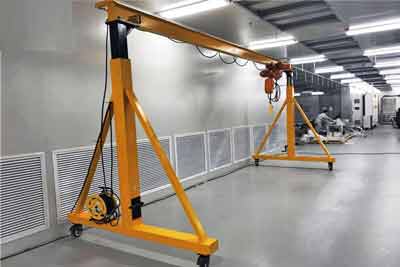
A portable gantry crane is essentially a freestanding lifting system that you can move around your workshop, garage, or job site. Unlike fixed overhead cranes, which are bolted to a structure or rail system, portable gantry cranes can be adjusted, folded, or rolled to fit different spaces. This makes them extremely versatile for situations where you need lifting power but don’t have a permanent crane installation.
- Freestanding design allows mobility across different work areas.
- Can be set up quickly without welding or heavy construction.
- Typically compatible with chain hoists or small electric hoists for lifting materials.
Importance of Portability in Workshops, Garages, and Small Industrial Settings
Portability is more than just moving a crane from one spot to another. It’s about flexibility. If you work in a small workshop or a home garage, space is limited. A crane that folds or rolls can be stored out of the way when not in use. For small industrial settings, portable gantry cranes allow you to handle parts, machinery, or molds in multiple locations without investing in multiple cranes.
- Foldable or telescoping designs save floor space when not in use.
- Wheels or casters make it easy to move the crane between workstations.
- Ideal for jobs where lifting points change frequently or the workshop layout evolves.
Key Factors to Consider
When choosing a portable gantry crane, there are several practical aspects you need to check before spending your money. These are not just specs on a sheet; they affect day-to-day operation.
- Lifting Capacity: Ensure the crane can handle the heaviest load you plan to lift. Always add a safety margin of 20–30% over your typical load.
- Adjustable Height: Many gantries allow you to change the height to match ceiling clearance or machinery size. Pin-and-lock systems or telescoping arms are common.
- Span: The width between the crane legs matters for stability and fit. Some cranes are telescoping for variable spans.
- Mobility: Check if the crane can be easily moved with casters, and whether it’s safe to roll while unloaded.
- Footprint: Consider floor space, storage needs, and clearances. A crane that is too big can block doors or aisles.
- Budget: Don’t just go for the cheapest. Balance cost, build quality, and your lifting needs for long-term value.
Overview of Top Portable Gantry Crane Brands
Pittsburgh gantry cranes, often found in Harbor Freight stores, are popular for light-duty lifting in home garages and small workshops. They usually feature foldable A-frame designs and basic height adjustment pins. They are simple to set up, easy to store, and perfect for lifting engines, small molds, or medium-sized machinery.
- Weight capacity typically ranges from 1 to 2 tons.
- Foldable design saves storage space.
- Best for occasional use or light fabrication tasks.
Titan Attachments offers portable gantry cranes with telescoping spans and adjustable heights. These are built for slightly heavier-duty lifting and more frequent use. The telescoping feature allows you to customize the crane width to match different lifting setups, which is useful in flexible shop layouts.
- Load capacities often range from 1 to 2 tons.
- Telescoping span provides flexibility in positioning.
- Locking casters make moving the crane easy when unloaded.
Maeda specializes in mini mobile cranes, often called spider cranes. While not traditional shop-style gantries, they offer high precision in confined spaces. They are compact and mobile, ideal for industrial sites or construction areas where conventional overhead cranes are impractical.
- Extremely compact footprint for tight spaces.
- High precision for delicate or high-value lifts.
- Typically overkill for a standard garage or light workshop.
Harbor Freight sells a range of budget-friendly portable gantry cranes, including models under the Pittsburgh brand. They are easy to find and ideal for light-duty tasks but are built for moderate, infrequent use.
- Generally limited to 1-ton capacity.
- Simple assembly and adjustment mechanisms.
- Best for casual or occasional lifting tasks in small workshops.
Besides these main brands, there are niche manufacturers offering specialized portable or light-duty gantry cranes. These may include adjustable aluminum gantries, foldable shop cranes for very light loads, and mobile gantries designed for outdoor or temporary industrial use. While they are less common, some are highly practical for specific use cases.
- Aluminum gantries are lightweight and corrosion-resistant.
- Specialty mobile gantries can be tailored for specific machinery or molds.
- Consider niche brands if standard models don't fit your space or lifting requirements. "
Brand Comparison: Pros and Cons
Choosing the right portable gantry crane can save time, prevent frustration, and keep your workshop safe. Here’s a detailed look at some of the most popular options and what makes each one suitable for different users.
Pittsburgh / Harbor Freight Gantry Cranes
You may ask, are Pittsburgh or Harbor Freight cranes good for a small workshop? These are straightforward, light-duty cranes that get the job done without much complication.
Suggested Models & Features:
| Brand | Capacity | Key Feature | Ideal Use |
|---|---|---|---|
| Pittsburgh Foldable Gantry | 1 ton | Affordable, foldable, easy to store | Small workshops, DIY garages, light machinery |
| Harbor Freight Light-Duty Gantry | 1–2 tons | Simple assembly, widely available | Casual lifting, home garages, small molds or engines |
Why people like them:
- Affordable and easy to find in stores or online.
- Simple assembly using basic tools.
- Works well for light lifting like engines, molds, or small machinery.
Limitations:
- Weight capacity is usually limited to 1–2 tons.
- Basic pin-and-lock height adjustment mechanism can feel cumbersome.
- Durability is okay for occasional use, but frequent heavy lifting may wear the crane faster.
Titan Attachments Gantry Cranes
You might wonder, what if I need more flexibility and stronger construction? Titan cranes are designed for users who need a durable, adjustable crane for varied lifting points.
Suggested Models & Features:
| Brand | Capacity | Key Feature | Ideal Use |
|---|---|---|---|
| Titan Telescoping Gantry | 1–2 tons | Adjustable span, strong frame, locking casters | Medium workshops, automotive shops, small industrial tasks |
| Titan Foldable 2-Ton | 2 tons | Portable and adjustable for multiple lifting setups | Frequent lifts in small industrial or automotive environments |
Advantages:
- Telescoping boom allows adjustable width to fit different jobs.
- Strong frame with locking casters for stability and mobility.
- Suitable for frequent use in small industrial or automotive workshops.
Drawbacks:
- Cannot move while carrying a load.
- Height adjustment may require two people.
- Medium-term durability; not ideal for heavy daily industrial lifting.
Maeda Mini Cranes
If you ask, do I need a high-precision crane for tight spaces? Maeda mini cranes are compact, precise, and engineered for industrial and construction sites.
Suggested Models & Features:
| Brand | Capacity | Key Feature | Ideal Use |
|---|---|---|---|
| Maeda Mini Crane | 0.5–2 tons (varies by model) | Extremely compact, high-precision lifting | Industrial sites, construction areas, high-value delicate loads |
Advantages:
- Extremely compact footprint fits confined spaces.
- High-precision lifting for delicate or valuable loads.
- Engineered for industrial reliability and frequent use.
Drawbacks:
- Much higher cost than standard shop gantries.
- Requires trained operators and specialized maintenance.
- Overkill for small workshops or casual lifting tasks.
Harbor Freight Non-Brand-Specific Models
You may wonder, are there other budget-friendly options besides Pittsburgh? Harbor Freight offers entry-level portable gantry cranes that are easy to buy and suitable for light-duty lifting.
Suggested Models & Features:
| Brand | Capacity | Key Feature | Ideal Use |
|---|---|---|---|
| Harbor Freight Light Gantry | 0.5–1 ton | Affordable, easy to assemble | Light workshop lifting, casual projects, small garages |
| Entry-Level Portable Gantry | 1–2 tons | Widely available, parts easy to replace | Small DIY or home shop lifting tasks |
Advantages:
- Very affordable and widely available.
- Replacement parts easy to find for maintenance.
- Simple to assemble and operate.
Drawbacks:
- Limited lifting capacity; designed for light-duty tasks only.
- Not suitable for heavy or frequent industrial use.
- Basic adjustment features with limited flexibility.
Price Range and Availability
Knowing the cost and availability of portable gantry cranes helps you plan your budget and avoid surprises. Prices can vary widely depending on capacity, features, and brand, so it’s important to match your needs to the right type of crane.
Typical Retail Price Ranges
You might ask, how much should I expect to pay for a portable gantry crane? Prices differ based on size, lifting capacity, and features. Here’s a practical overview:
Suggested Price Ranges:
| Crane Type | Price Range | Capacity | Key Feature | Ideal Use |
|---|---|---|---|---|
| Light-duty / Foldable Gantry Crane | $250–$500 | 0.5–1 ton | Simple A-frame, easy storage | Small workshops, home garages, occasional lifting |
| Telescoping / Adjustable Gantry Crane | $600–$1,200 | 1–2 tons | Adjustable height and width | Medium workshops, small industrial tasks |
| Mini Industrial Cranes (e.g., Maeda) | $20,000+ | 0.5–2 tons (varies by model) | Compact, high precision | Industrial sites, tight spaces, delicate lifts |
These ranges help you plan according to your workshop size and lifting needs. For example, small home garages rarely need cranes above $500, while industrial sites with precision lifts may require specialized mini cranes.
Availability Considerations
You might also wonder, where can I buy these cranes? Availability depends on the type and intended use of the crane:
- Light-duty and standard portable gantry cranes are widely available through general industrial suppliers or large hardware stores.
- High-end, precision, or mini mobile cranes are usually sold through authorized distributors or specialty dealers.
- If you need multiple units for a workshop or industrial site, check stock in advance to avoid delays.
Shipping and Handling Considerations
Another question buyers often ask is, what should I consider when shipping or receiving a gantry crane? Logistics matter because even a small crane can be heavy or bulky.
- Check the crane’s weight and folded footprint to ensure it fits through doors, elevators, or loading docks.
- Heavy-duty or industrial mobile gantries may require freight shipping or lift-gate delivery.
- Some cranes may need assembly on-site, so plan for the necessary tools, space, and personnel.
Matching Crane to Workshop Size & Use Case
Choosing the right portable gantry crane is more than just picking a brand or price point. The size of your workshop, the type of loads you handle, and how often you lift them all play a role. Here’s a practical guide to help match cranes to your needs.
Small Garage / DIY Shop
If you’re working in a home garage or a small workshop, space is limited and lifting needs are light. You might wonder, what type of crane will fit here without taking over the whole space? The answer is a compact, easy-to-store crane that can handle small machinery or engine lifts.
Suggested Portable Gantry Cranes:
| Crane Type | Capacity | Key Feature | Ideal Use |
|---|---|---|---|
| Pittsburgh Foldable Gantry Crane | 1 ton | Foldable, lightweight | Home garages, small machinery |
| Titan Telescoping Gantry Crane | 1 ton | Adjustable span, easy to move | DIY workshop, small lifts |
These cranes work well because:
- Footprint is small enough for tight spaces.
- Suitable for lifting engines, small molds, or medium-sized machinery.
- Can be folded or moved out of the way when not in use.
Medium Workshop / Semi-Industrial Use
In a medium-sized workshop or light industrial setting, your lifting needs are heavier, but portability is still important. You may ask yourself, which crane can handle heavier loads but stay flexible for different setups?
Suggested Portable Gantry Cranes:
| Crane Type | Capacity | Key Feature | Ideal Use |
|---|---|---|---|
| Titan 2-ton Telescoping Gantry Crane | 2 tons | Adjustable span, portable | Medium workshops, automotive tasks |
| Titan 2-ton Foldable Gantry Crane | 2 tons | Easy assembly, movable | Multiple workstations, semi-industrial tasks |
These cranes are ideal because:
- Provide higher lifting capacity for larger machinery or multiple small loads.
- Telescoping span allows adjustment to different lifting points.
- Remain portable for moving between workstations.
High-End Industrial / Construction / Tight Spaces
For industrial sites or construction areas where precision lifting is needed, you might ask, what crane can safely lift delicate or high-value loads in confined spaces?
Suggested Portable Gantry Crane:
| Crane Type | Capacity | Key Feature | Ideal Use |
|---|---|---|---|
| Maeda Mini Crane | 0.5–2 tons (varies by model) | Extremely compact, high precision | Industrial sites, tight spaces, delicate lifts |
These cranes work well because:
- Offer precise lifting for delicate or valuable loads.
- Compact footprint allows operation in tight areas.
- Highly maneuverable for indoor or outdoor industrial environments.
Infrequent or Very Light-Duty Lifting
If your lifting tasks are occasional or involve very light loads, you may wonder if it’s worth investing in a full-size crane. Often, a smaller or second-hand portable gantry crane is sufficient.
Suggested Portable Gantry Cranes:
| Crane Type | Capacity | Key Feature | Ideal Use |
|---|---|---|---|
| Small Foldable Gantry Crane | 0.5–1 ton | Lightweight, easy storage | Occasional lifting, light machinery |
| Entry-Level / Second-Hand Models | 0.5–2 tons | Affordable, ready to use | Infrequent tasks, budget-conscious buyers |
These cranes are effective because:
- Cost-efficient for infrequent tasks.
- Lightweight and easy to move or store.
- Simple assembly requiring minimal tools or technical knowledge.
Safety and Operational Considerations
Using a portable gantry crane safely is crucial to prevent accidents and equipment damage. Here's what every operator and buyer should know.
Question: How much weight can my portable gantry crane safely lift?: Every crane has a maximum load rating, and exceeding it can cause the crane to bend, tip, or collapse. Always follow the manufacturer's guidelines.
- Never lift more than the crane's rated capacity.
- Include the weight of hoists, chains, or slings in your total calculation.
- Add a safety margin of 20–30% to account for movement or shifting of the load.
Question: How do I safely adjust the height of my gantry crane?: Adjustable cranes use pin locks or telescoping arms, and improper adjustment can destabilize the crane.
- Make sure pins and locks are fully engaged before lifting.
- Raise or lower the crane slowly—avoid sudden movements.
- Verify that the height adjustment system can safely support the planned load.
Question: Can I roll my portable gantry crane while lifting a load?: Most portable gantries are not designed to move with a load. Doing so can shift the weight and tip the crane.
- Only move a crane with a load if it's rated for motion under load.
- Whenever possible, roll the crane unloaded.
- Clear the path of obstacles before moving the crane to avoid accidents.
Question: How often should I maintain my portable gantry crane?: Routine maintenance is essential to ensure smooth operation and prevent breakdowns. Skipping it is a common reason for crane failure.
- Inspect casters, wheels, and brakes for wear or damage.
- Tighten all bolts and fasteners regularly.
- Check hoists, trolleys, and attachments to confirm they are functioning properly.
Question: What safety steps should I take to train crane operators?: Even a high-quality crane can be dangerous in untrained hands. Clear procedures and proper training help reduce accidents.
- Train all operators in correct lifting techniques and crane operation.
- Post weight limits and operating instructions near the crane.
- Require personal protective equipment (PPE) such as gloves, hard hats, and safety shoes.
- Encourage immediate reporting of any equipment issues or hazards.
Summary & Decision Framework
Choosing the right portable gantry crane can feel overwhelming, but a clear framework helps simplify the decision. Consider your workshop size, lifting needs, budget, and how often you plan to use the crane.
Quick Decision Table
You might ask, how do I quickly narrow down crane options? A simple table comparing capacity, budget, use-case, and portability makes it easier to decide.
| Capacity | Typical Price | Ideal Use | Portability |
|---|---|---|---|
| 0.5–1 ton | $250–$500 | Home garages, DIY workshops, light lifting | Foldable, lightweight, easy to store |
| 1–2 tons | $600–$1,200 | Medium workshops, automotive tasks, semi-industrial lifts | Telescoping or foldable, movable between stations |
| 0.5–2 tons | $20,000+ | Industrial sites, construction, precision lifts | Compact, high-precision, specialized mobility |
Consider Trade-Offs
It’s normal to ask, what compromises might I face when choosing a crane?
- Price vs. durability: Cheaper models are fine for light-duty, but heavy use requires stronger frames and better materials.
- Adjustability vs. simplicity: Telescoping cranes offer flexibility but may require two people to adjust; foldable cranes are simpler but less versatile.
- Frequency of use: Light-duty cranes are fine for occasional lifts; frequent lifting demands more robust industrial cranes.
Final Advice
Finally, you might wonder, how do I make sure the crane really fits my workshop and future needs?
- Visualize the crane’s footprint in your available space, including clearance for moving loads.
- Think ahead: will you need more lifting capacity or flexibility in the next few years?
- Plan for maintenance, mobility, and possible expansions of your workshop.
Next Steps for Buyers
After narrowing down your crane options, it’s important to take concrete steps to ensure the crane works well in your workshop and meets your lifting needs. Here’s a step-by-step approach.
Step 1: Test the Fit in Your Space: Before committing to a purchase, make sure the crane fits comfortably in your workshop. Measure the footprint, consider ceiling height, doorways, and any obstacles. If possible, do a mock setup to visualize how the crane will operate in your workspace.
Step 2: Choose a Compatible Hoist: Selecting the right hoist is just as important as the crane itself. Manual chain hoists are ideal for light-duty or occasional lifts, while electric hoists save time and effort for frequent or heavier loads. Always ensure the hoist’s lifting capacity matches the crane’s rated capacity.
Step 3: Plan for Storage and Mobility: Think about where the crane will be stored when not in use and how you will move it between workstations. Foldable or telescoping cranes can be compactly stored. For larger models, plan for freight delivery, lift-gate service, or on-site assembly if needed. Check that wheels or casters are in good condition to make mobility easy.
Step 4: Implement Safety and Inspection Procedures: Safe operation is critical. Establish shop rules and train all operators on proper lifting techniques and the use of personal protective equipment (PPE). Schedule regular inspections, including checking bolts, locks, hoist attachments, and casters. Never exceed the crane’s rated capacity.
Quick Checklist for Buyers:
- Test-fit crane in your workshop.
- Select the right hoist (manual or electric).
- Plan storage, transport, and mobility.
- Implement safety protocols and regular inspections.