Explosion-Proof Crane Systems for Hazardous Environments in UAE
Overview of Hazardous Industrial Environments in the UAE
The UAE is home to a wide range of industries that handle flammable and explosive materials every day. From oil and gas refineries in Abu Dhabi to petrochemical plants in Ras Al Khaimah, these facilities operate in environments where even a small spark could cause serious accidents. Handling heavy loads in such conditions demands equipment that is not only strong but also safe and reliable under strict safety standards.
Industries such as chemical manufacturing, oil refining, and offshore drilling require special precautions. The air may be filled with volatile gases or dust particles that, when combined with electrical sparks or overheating equipment, can create an explosive atmosphere. This makes standard cranes unsuitable and even dangerous in these settings.
Importance of Explosion-Proof Cranes in Ensuring Safety and Operational Reliability
In these hazardous zones, safety is the top priority. Explosion-proof cranes are designed specifically to prevent ignition sources. Unlike regular cranes, they use specially built components that do not spark or overheat under normal or fault conditions.
Using explosion-proof cranes reduces the risk of fires and explosions, protecting both workers and expensive equipment. At the same time, they keep operations running smoothly. Downtime caused by safety incidents can be costly, so investing in the right crane system pays off by minimizing risks and maintaining productivity.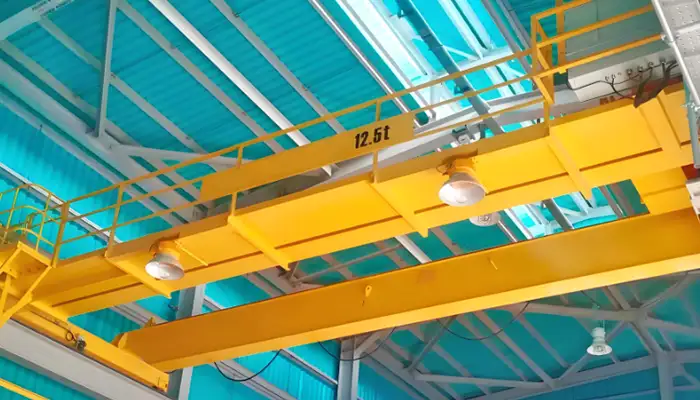
Explosion proof overhead crane with European style , our overhead cranes projects for sale in uae
What Are Explosion-Proof Crane Systems?
Simply put, explosion-proof cranes are lifting systems built for use in hazardous areas where explosive gases or dust may be present. These cranes follow strict standards and are certified under international regulations like IECEx and ATEX, which means they have passed rigorous testing to ensure safety.
Key features include:
- Sealed electrical components: Designed to prevent sparks from escaping
- Heat-resistant cables: Able to withstand high temperatures without degradation
- Safety interlocks: Systems that stop crane operation if unsafe conditions are detected
Together, these features help prevent accidents and make explosion-proof cranes an essential part of material handling in the UAE’s hazardous industries.
Regulatory Standards and Compliance
Legal and Regulatory Requirements in the UAE Related to Hazardous Area Equipment
In the UAE, authorities take safety in hazardous industries very seriously. While local regulations may reference IECEx and ATEX, many companies also require their equipment to meet these certifications to comply with international best practices.
- The UAE’s Ministry of Energy and Infrastructure and Civil Defence have regulations that mandate using certified equipment in oil and gas facilities, refineries, and chemical plants.
- Compliance is often required for project approvals and insurance coverage.
- Non-compliance can lead to penalties, shutdowns, or higher operational risks.
So, it’s not just a recommendation—choosing IECEx or ATEX-certified cranes is often a legal necessity.
How IECEx/ATEX Compliance Ensures Crane Safety in Explosive Atmospheres
Cranes certified under IECEx and ATEX undergo rigorous testing to simulate real-world hazardous conditions. This ensures:
- Electrical parts won’t produce sparks even if damaged or faulty.
- Motors and components stay within safe temperature limits to avoid igniting gases or dust.
- Sealed enclosures prevent flammable materials from coming into contact with electrical sparks or heat.
Because of these controls, certified cranes provide operators with peace of mind, knowing the equipment won’t trigger an explosion.
Importance of Choosing Certified Explosion-Proof Crane Systems
When working in hazardous environments, cutting corners on crane certification is not worth the risk. Certified explosion-proof cranes:
- Protect your workforce and facilities from accidents.
- Meet insurance and regulatory requirements without delays.
- Are tested for durability and safety under tough conditions, reducing unexpected failures.
- Help maintain steady operations by avoiding costly downtime caused by safety incidents.
In short, investing in certified cranes is a practical step toward safer and more reliable industrial operations in the UAE.
Key Components of Explosion-Proof Crane Systems
Explosion-Proof Motors and Hoists
At the heart of any explosion-proof crane system are the motors and hoists specially designed to operate safely in hazardous areas. These motors are built to prevent sparks and overheating—two main causes of explosions in flammable atmospheres.
- Sealed construction: Prevents gases or dust from entering and igniting inside the motor.
- Temperature control: Motors are designed to run cooler than normal, reducing fire risk.
- Robust insulation: Protects wiring against wear and electrical faults.
Explosion-proof hoists are similarly constructed, using materials and designs that minimize friction and prevent sparks during lifting operations. These components are often certified under IECEx/ATEX, giving users confidence in their safety and reliability.
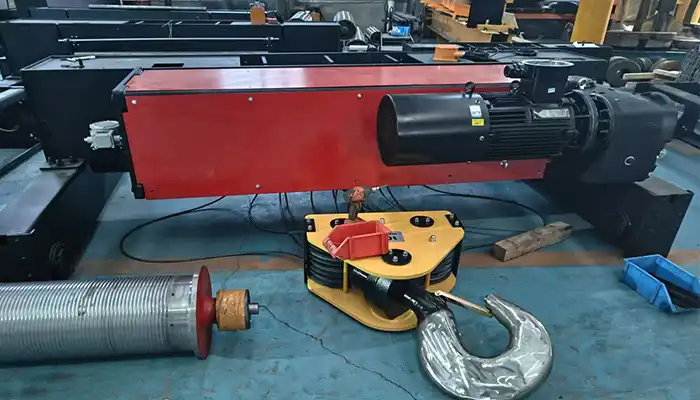
Explosion proof electric hoist
Use of Heat-Resistant Cables
One of the most critical yet sometimes overlooked components in explosion-proof cranes is the cable system. Regular cables may fail in hazardous environments due to heat or chemical exposure, creating ignition risks.
Characteristics of Heat-Resistant Cables for Hazardous Environments
- Able to withstand high ambient temperatures without melting or degrading.
- Resistant to chemicals, oils, and UV exposure common in industrial sites.
- Flexible enough to handle crane movement but tough enough to avoid abrasion damage.
- Maintains insulation integrity even under mechanical stress.
Types of Cables Compliant with IECEx/ATEX
- Flame-retardant cables: Prevent fire spread in case of ignition.
- Low-smoke zero halogen (LSZH) cables: Reduce toxic fumes during fire, protecting personnel.
- Silicone insulated cables: Known for excellent heat resistance and flexibility.
- Armored cables: Provide extra mechanical protection for rough environments.
Installation Best Practices to Prevent Ignition Risks
- Route cables away from sharp edges or pinch points that can cause damage.
- Avoid excessive bending or stretching; follow manufacturer minimum bend radius.
- Use proper glands and seals at cable entry points to maintain enclosure integrity.
- Regularly inspect cables for wear, cuts, or signs of overheating.
Proper cable selection and installation go a long way toward preventing hazardous sparks or electrical faults.
Safety Interlocks
Safety interlocks act as the crane’s watchdogs—they ensure the system stops or prevents unsafe operations before accidents happen.
Function and Role of Safety Interlocks in Crane Operation
- Automatically halt crane movement if a dangerous condition is detected.
- Prevent operation outside defined safety parameters (e.g., overload, end of travel).
- Protect personnel by stopping cranes during maintenance or emergency situations.
Types of Interlocks Used in Explosion-Proof Cranes
- Limit switches: Stop crane travel at physical boundaries to prevent collisions or over-travel.
- Emergency stop buttons: Provide instant manual shutdown for operators in emergencies.
- Load sensors and overload protection: Prevent lifting loads beyond safe capacity.
- Door or access interlocks: Disable crane operation when access panels are open.
Integration with Control Systems for Fail-Safe Operations
- Safety interlocks are wired into the crane’s control system to ensure immediate response.
- Redundant systems may be used for critical functions to avoid single-point failures.
- Interlocks communicate with programmable logic controllers (PLCs) or safety relays for real-time monitoring.
- Some systems offer remote monitoring and diagnostics, allowing quick fault detection and response.
By combining mechanical and electronic safety measures, these interlocks keep operations secure, reduce human error, and help meet safety regulations.
Design Considerations for Hazardous Environments in the UAE
The UAE’s harsh climate presents unique challenges for explosion-proof crane systems. High temperatures, frequent dust storms, and high humidity levels all affect crane performance and safety.
- High temperatures: Ambient heat often exceeds 40°C (104°F), which can strain electrical components and cables, potentially leading to overheating if not properly designed.
- Dust and sand: Fine particles can infiltrate equipment, causing abrasion, clogging, or short circuits. Explosion-proof cranes must have sealed housings and dust-proof enclosures.
- Humidity: Coastal areas and certain industrial zones have high humidity, which promotes corrosion and affects insulation resistance.
Designs must take these conditions seriously to ensure long-term reliability
Choosing the right materials is key to handling the UAE’s climate and maintaining explosion-proof integrity.
- Corrosion-resistant metals: Stainless steel or specially coated steel prevent rust in humid and salty environments.
- Sealed electrical enclosures: Protect sensitive components from moisture and dust ingress.
- UV-resistant coatings and cables: Prevent damage from intense sunlight exposure.
- Non-sparking materials: Used in contact surfaces to avoid ignition risks.
Good material choices reduce maintenance needs and extend crane lifespan.
Off-the-shelf cranes may not cut it in the UAE’s demanding settings. Many manufacturers offer customization such as:
- Enhanced cooling systems for motors and control panels to handle heat.
- Additional sealing and filtration to keep dust and sand out.
- Specialized cable sheathing to resist abrasion and UV damage.
- Upgraded corrosion protection on structural parts and fasteners.
Custom designs ensure cranes not only meet IECEx/ATEX standards but also survive and perform well in UAE conditions.
Even the best explosion-proof cranes need ongoing care.
- Regular inspections detect wear, corrosion, or damage before failures occur.
- Scheduled maintenance keeps motors, brakes, and safety systems functioning safely.
- Cable checks ensure insulation and heat resistance remain intact.
- Documentation and reporting support compliance with safety regulations.
A proactive maintenance program protects your investment and keeps operations safe.
Operational Safety and Best Practices
Safe crane operation starts with well-trained personnel. Operators should understand:
- The risks involved in hazardous zones.
- Proper use of explosion-proof crane controls and safety features.
- Emergency procedures specific to the site.
- How to spot signs of equipment malfunction or unsafe conditions.
Regular refresher training keeps safety knowledge fresh.
Clear, practiced emergency plans save lives.
- Procedures for immediate shutdown of cranes if a gas leak or fire is detected.
- Evacuation plans that include crane safety zones.
- Communication protocols between crane operators, supervisors, and emergency teams.
- Use of safety interlocks and emergency stops during incidents.
Having these in place helps reduce damage and injury in critical moments.
Modern explosion-proof cranes often come with monitoring systems to:
- Track motor temperatures and electrical current loads.
- Alert operators of unusual vibrations or overloads.
- Provide remote diagnostics to maintenance teams.
- Schedule predictive maintenance before breakdowns occur.
Early fault detection improves uptime and reduces costly repairs
Several UAE companies have benefited from explosion-proof crane systems:
- Abu Dhabi Oil Refinery: Installed IECEx-certified cranes with heat-resistant cables, reducing downtime during peak summer months.
- Ras Al Khaimah Petrochemical Plant: Customized cranes with enhanced dust seals improved safety and operational reliability.
- Sharjah Chemical Manufacturer: Implemented safety interlocks integrated with site-wide alarm systems, leading to faster emergency responses.
These examples show how proper crane selection and maintenance improve safety and efficiency in real-world operations.
Benefits of Explosion-Proof Crane Systems
Safety is the number one reason to invest in explosion-proof crane systems. These cranes are built to minimize the chance of sparks, overheating, or electrical faults that could ignite flammable gases or dust. This protection not only saves lives but also prevents costly accidents that can disrupt entire facilities.
- Protects workers from hazards unique to explosive atmospheres
- Reduces risk of fires and explosions on site
- Creates a safer workplace culture, boosting overall morale
Operating in the UAE means following strict rules around hazardous area equipment. Explosion-proof cranes certified to IECEx and ATEX standards ensure you meet these legal requirements without headaches.
- Meets UAE Ministry of Energy and Civil Defence regulations
- Helps gain approvals for plant operations and insurance coverage
- Avoids penalties and shutdowns linked to non-compliance
Using the right explosion-proof crane reduces unexpected failures. Designed for tough environments, these systems handle heat, dust, and humidity better than regular cranes, resulting in fewer breakdowns.
- Less frequent repairs thanks to robust construction
- Longer service life for motors, cables, and controls
- Scheduled maintenance programs extend equipment uptime
Reliable crane operation means fewer work stoppages and smoother material handling, which directly improves productivity. Explosion-proof cranes allow operators to focus on the job without worrying about safety hazards or equipment failures.
- Faster load handling with advanced safety interlocks
- Remote diagnostics enable quick troubleshooting
- Customized solutions optimize crane performance in specific UAE conditions
Conclusion
Recommendations for Companies Operating in Hazardous UAE Environments
- Always choose cranes certified to IECEx or ATEX for guaranteed safety and legal compliance.
- Specify heat-resistant cables and sealed components suitable for the UAE’s climate challenges.
- Implement regular inspection and maintenance programs to catch issues early.
- Train operators thoroughly on the unique safety procedures of explosion-proof cranes.
Future Trends in Explosion-Proof Crane Technology
The industry continues to evolve with advances such as:
- Smart sensors and IoT monitoring for real-time safety and performance data
- More energy-efficient motors designed for hazardous zones
- Enhanced materials for better corrosion resistance and longer lifespan
- Integration with automated control systems to reduce human error
Staying up to date with these innovations will help UAE companies keep their hazardous operations safe and productive well into the future.