Overhead & Gantry Cranes Philippines | Smart Industrial Cranes
Discover practical insights for choosing overhead and gantry cranes in the Philippines. Learn about types, applications, maintenance tips, and why many local businesses trust Chinese cranes for cost-effective, durable, and efficient lifting solutions.
Overhead and Gantry Cranes in the Philippines: Smart Choices for Growing Industries
Industries in the Philippines are growing quickly. From steel fabrication shops in Cebu to logistics centers in Metro Manila and large-scale construction projects across the country, businesses are dealing with heavier materials more often. Overhead and gantry cranes are no longer optional—they are essential tools that help operations run safely, smoothly, and efficiently.
Instead of guessing which crane fits your needs, following a practical guide can save you time, money, and effort. This guide is designed for business owners, plant managers, and engineers who are either upgrading existing equipment or planning a new facility.
Why Cranes Are Important
- Operational Efficiency: Move heavy materials quickly across workshops or yards without unnecessary delays.
- Worker Safety: Reduce accidents by using cranes designed for your specific loads and working environment.
- Cost Management: Avoid overspending on oversized or unsuitable equipment, and minimize maintenance costs.
- Flexibility: Handle various materials—from steel beams to containers—with the same equipment.
Who Should Use This Guide
- Plant managers responsible for daily operations
- Business owners planning new production lines or facilities
- Engineers and logistics coordinators involved in material handling
By the end of this guide, you’ll understand:
- The types of cranes commonly used in Philippine industries
- Practical factors to consider when selecting a crane
- Tips for sourcing reliable, cost-effective equipment suited to local conditions
This is practical advice for Philippine businesses that value reliability, safety, and efficiency—without the unnecessary hype.
Types of Cranes Commonly Used
In the Philippines, choosing the right crane depends on your workspace, load requirements, and daily operations. Let’s break down the main types commonly used in local industries.
Overhead (Bridge) Cranes
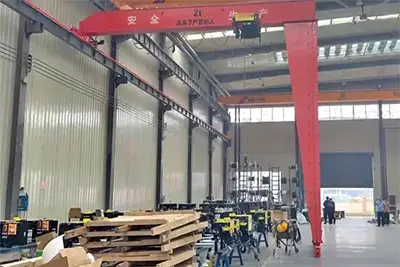
These cranes run on rails installed along the building structure, making them ideal for indoor operations. They save floor space and provide smooth material handling across long spans.
- Single girder for light to medium loads; double girder for heavier operations
- Typical Capacities: 1–50 tons

Practical Uses:
- Workshops and factories for raw materials and semi-finished products
- Assembly lines requiring consistent, efficient movement
- Steel, automotive, or machinery plants
Pro Tip: Single girder cranes are easier to install and maintain. Double girder cranes handle heavier loads and provide better stability.
Gantry Cranes
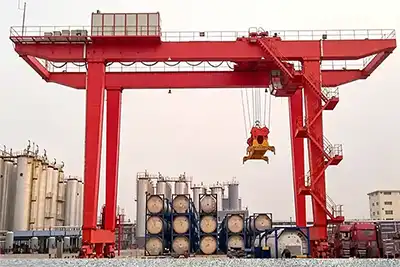
Gantry cranes are designed for outdoor or open-area use. They are highly flexible and can move heavy loads across large spaces without needing a full building structure.
- Semi-gantry: one side on rail, one on ground
- Full gantry: both sides on rails or tracks for heavier loads
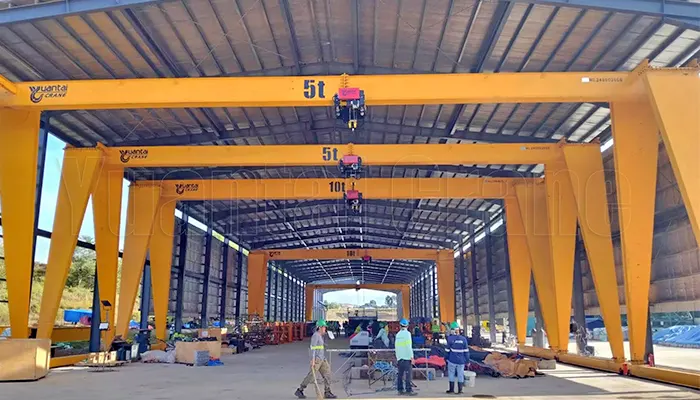
Practical Uses:
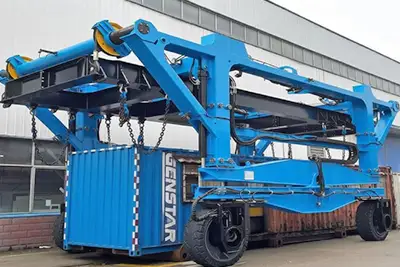
- Ports and shipping yards
- Shipyards and large steel storage areas
- Outdoor construction sites
Advantages:
- Can cover wide areas and uneven terrain
- Strong lifting capacity
- Adaptable for outdoor environments
Practical Note: Gantry cranes are perfect for large yards or operations where indoor space is limited.
Applications by Industry
In the Philippines, overhead and gantry cranes are used across various sectors to improve efficiency, safety, and productivity. Different industries have unique lifting needs, and selecting the right crane depends on the type of materials, work environment, and location.
Used for moving components and materials quickly across production lines.
Key Locations: Cavite, Laguna, Cebu, Pampanga industrial zones
Typical Applications:
- Transporting parts between workstations
- Moving machinery for assembly or maintenance
- Handling raw materials efficiently
Recommended Cranes: Single girder overhead cranes for light to medium loads
Essential for handling heavy sheets, slabs, and beams safely.
Key Locations: Rizal, Davao, Cagayan de Oro, Zambales industrial areas
Typical Applications:
- Lifting steel slabs and beams for processing
- Feeding raw materials to machines
- Organizing finished metal products for shipment
Recommended Cranes: Double girder overhead cranes or gantry cranes for heavy-duty lifting
Cranes help streamline container and pallet handling in warehouses.
Key Locations: Metro Manila, Muntinlupa, Cebu City, Subic Freeport Zone
Typical Applications:
- Loading and unloading trucks
- Moving pallets and bulk goods
- Organizing inventory quickly and safely
Recommended Cranes: Modular cranes or gantry cranes for flexibility in large storage areas
Heavy-duty cranes are crucial for handling cargo, ship components, and industrial equipment.
Key Locations: Manila North Harbor, Batangas Port, Subic Port, Cebu Shipyard, Davao Port
Typical Applications:
- Lifting containers and bulk cargo
- Moving ship parts and heavy machinery
- Transferring materials between storage and docks
Recommended Cranes: Full gantry cranes or heavy-duty overhead cranes
Used for lifting heavy construction materials and equipment for buildings, bridges, and industrial projects.
Key Locations: Metro Manila, Cebu, Davao, Clark Freeport Zone, Iloilo industrial projects
Typical Applications:
- Moving beams, concrete segments, and prefabricated structures
- Lifting heavy construction machinery
- Supporting bridge and factory projects
Recommended Cranes: Gantry cranes for outdoor lifting; overhead cranes for indoor construction yards
Key Considerations for Philippine Buyers
Before investing in an overhead or gantry crane, it’s important to assess your operation carefully. Choosing the wrong crane can lead to safety risks, higher maintenance costs, and reduced efficiency. By understanding your specific needs, you can select a crane that keeps your materials moving smoothly while protecting your workers and equipment.
When evaluating options, consider the following key factors:
- Lifting capacity and height: Determine the maximum weight you need to lift and the height required for your operations. Overestimating can increase costs unnecessarily, while underestimating can create safety hazards. Think about future growth as well—will your loads increase in the next 5–10 years?
- Span and runway length: Measure the distance your crane needs to cover across the workshop, warehouse, or yard. Single girder cranes are usually sufficient for shorter spans, while longer spans or heavier loads often require double girder cranes. Accurate measurements ensure smooth operation and reduce wear on the crane.
- Frequency of use: Identify whether your crane will handle light, occasional loads or heavy, continuous-duty operations. Duty class ratings (light, medium, heavy, or extra-heavy) are critical in matching a crane to your workflow. A crane designed for light use may fail quickly under constant heavy lifting.
- Indoor vs. outdoor conditions: Consider the environment where the crane will operate. Indoor cranes are less exposed, but outdoor cranes must withstand humidity, strong sun, rain, and tropical storms common in the Philippines. Protective coatings, weatherproof electrical systems, and corrosion-resistant materials are essential for outdoor use.
- Safety and compliance: Make sure your crane meets local safety regulations, including DOLE and TESDA guidelines. Proper safety features, such as limit switches, overload protection, and emergency stops, help prevent accidents and protect your workforce.
Taking the time to evaluate these factors before purchasing ensures that the crane you choose fits your operational needs, protects your investment, and supports safe, efficient workflows. Proper planning now can save you from costly mistakes later, especially in the fast-paced and climate-challenged industrial environment of the Philippines.
Why Many Philippine Businesses Choose Cranes from China
For Philippine businesses, sourcing cranes from China has become a practical choice for many industries. Importing doesn’t just reduce upfront costs—it often provides more options, modern features, and flexibility that local suppliers may not offer. Understanding the benefits can help you make a smart, informed decision that fits both your operational needs and budget.
Here’s why many companies in the Philippines turn to Chinese manufacturers:
- Cost Efficiency: Chinese cranes often come at a fraction of the price of local or Western-made alternatives. This doesn’t mean compromising quality—many manufacturers provide high-grade steel structures, tested hoists, and reliable mechanical components. Lower acquisition costs allow businesses to invest in additional equipment or facility upgrades.
- Variety & Flexibility: Whether you need single girder, double girder, gantry, or modular cranes, Chinese suppliers can provide a wide range of options. This flexibility ensures you can choose a crane that fits your exact operation without overpaying for unnecessary features.
- Modern Technology: Many Chinese cranes feature European-style designs, advanced wire rope hoists, and options for automation or remote operation. These features improve efficiency, reduce downtime, and make handling heavy loads safer and smoother.
- Customization: Chinese manufacturers are accustomed to designing cranes for specific workshops, load types, and operational environments. This means your crane can be tailored to your floor space, lifting requirements, and workflow—saving you time during installation and ensuring long-term productivity.
- Reliable Delivery: Experienced exporters manage the full shipping process, including documentation, certifications, and logistics. This helps Philippine buyers avoid common issues like delays, miscommunication, or extra fees during import.
Practical Tip: Many business owners in the Philippines trust Chinese cranes because they balance affordability, durability, and practical features. Choosing a crane this way can save time, reduce headaches, and provide a reliable solution for years to come.
Importing cranes from China is not just about price—it’s about getting the right equipment for your operation, with the flexibility, technology, and support to keep your business running efficiently in the local industrial environment.
Maintenance and Safety Tips
Keeping your cranes in good working condition is essential for both safety and productivity. In the Philippines, tropical conditions, heavy usage, and the types of materials handled can put extra strain on equipment. Regular maintenance and proper safety practices not only extend the life of your crane but also protect your workforce and reduce downtime.
Here are the key maintenance and safety practices to follow:
- Regular inspection routines: Schedule consistent checks for mechanical and electrical components. Look for signs of wear on hoists, gears, brakes, and control systems. Early detection of issues prevents costly breakdowns and keeps operations running smoothly.
- Address tropical challenges: The Philippine climate can be harsh on machinery. Humidity, rain, and high temperatures can cause corrosion, electrical wear, and faster deterioration of components. Use protective coatings, weatherproof electrical enclosures, and corrosion-resistant materials to maintain performance.
- Operator and maintenance team training: Ensure your operators and maintenance staff are properly trained on crane safety protocols, including load handling, emergency stops, and routine maintenance procedures. A well-trained team reduces accidents and promotes a culture of safety in your workplace.
Practical Note: Safety isn’t just compliance—it’s about protecting your community of workers, avoiding costly downtime, and ensuring your business runs reliably day after day.
Practical Buying Insights
Buying a crane is a significant investment, and making the right choice can save your business time, money, and operational headaches. Philippine buyers face unique challenges, including tropical weather, space constraints, and variable workloads, so practical considerations matter more than flashy features.
When evaluating options, consider these key insights:
- Compare cost vs. long-term durability: The cheapest crane upfront may not be the most cost-effective over time. Look for equipment that is built to last, with quality materials and reliable components. A durable crane reduces downtime, maintenance costs, and the risk of operational delays.
- Match crane type to your specific operations: Avoid overbuying or undersizing. Select a crane that suits the type of materials you handle, your workflow, and your space constraints. For example, a single girder overhead crane may be sufficient for a small workshop, while a double girder or gantry crane might be necessary for heavy, frequent loads.
- Consider installation, training, and after-sales support: These practical factors often outweigh the brand name. Ensure that the supplier provides guidance for installation, operator training, and ongoing maintenance. Local support or remote consultation can save valuable time if problems arise.
Practical Tip: Think beyond the sticker price. A well-chosen crane tailored to your operation, supported by proper training and maintenance, will deliver smooth performance for years.
Frequently Asked Questions (FAQs)
Buying overhead or gantry cranes for Philippine operations comes with many considerations. Grouping questions into categories helps you find answers faster.
1. How long does it take to deliver cranes from China to the Philippines?
Delivery typically takes 6–12 weeks, depending on crane capacity, customization, and shipping method. Proper planning ensures your operations stay on schedule.
2. What about shipping costs to the Philippines?
Costs depend on crane size, weight, and port of entry. Common options include container shipping for smaller cranes or RoRo (roll-on/roll-off) for larger units.
3. Do suppliers offer installation and training support?
Experienced suppliers provide installation guidance, operator training, manuals, and sometimes remote or onsite supervision for smooth setup.
4. Are Chinese cranes safe and compliant with Philippine regulations?
Yes, provided the manufacturer offers CE, ISO, or third-party certifications. Local inspection may also be required to meet DOLE and TESDA safety standards.
5. How often should I maintain my crane in the tropical climate?
Regular inspections, lubrication, corrosion checks, and electrical testing are essential to prevent downtime in humid and coastal environments.
6. Can I automate or remotely operate cranes?
Many modern wire rope and European-style cranes support automation and remote operation, improving safety and efficiency.
7. Can I get a crane customized for my workshop?
Yes. Chinese manufacturers can tailor cranes to your space, load requirements, and workflow, minimizing on-site adjustments.
8. How do I choose between an overhead and a gantry crane?
- Overhead cranes: Best for indoor workshops and factories.
- Gantry cranes: Ideal for outdoor yards, ports, and heavy-duty lifting.
9. How do I determine the right lifting capacity?
Consider your heaviest load, lifting frequency, and bundle weight, adding a 20–30% safety margin for safe operation.
10. Are second-hand cranes a good option?
They may save on upfront costs but often require higher maintenance and have a shorter lifespan.
11. Can Chinese cranes handle continuous industrial operations?
Yes. Many models are designed for heavy-duty, continuous use, suitable for high-frequency operations.
12. How do I ensure crane quality from China?
Check for manufacturer certifications, request third-party inspections, and verify customer references. Reliable suppliers provide full documentation and references.
Pro Tip for Philippine Buyers: Group your questions when talking to suppliers—delivery, safety, operations, and quality checks. It makes discussions smoother and helps avoid surprises when your crane arrives.
Investing in the right overhead or gantry crane can make a real difference in your Philippine business. The right crane doesn’t just move materials—it keeps your operations efficient, ensures safety, and helps projects stay on schedule.
Many Philippine companies rely on imported cranes, particularly from China, because they balance cost, durability, and modern features. With proper planning, regular inspection, and routine maintenance, your crane can provide years of reliable service.
Practical Tip: In the Philippines, business decisions are built on trust, practicality, and community value. Choose a crane that keeps your people safe, your operations running smoothly, and your investment smart. A well-selected crane is not just equipment—it’s a partner in your business success.