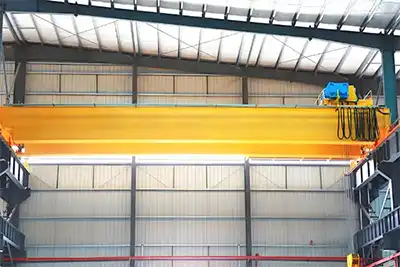
Tailored 40-Ton Overhead Cranes for Steel Factories & Warehouses
40-Ton Overhead Crane Buyer's Guide
Selecting the right 40-ton overhead crane is not just a technical decision—it's a practical business choice. For steel factories and large warehouses, the crane you choose directly affects how efficiently materials are moved, how safe your operations are, and ultimately, the return on your investment. A poorly selected crane can slow production, increase maintenance costs, and even cause safety hazards.
This guide is designed for buyers, engineers, and facility managers who need to understand what goes into choosing a heavy-duty crane. The goal is to make sure you select a crane that fits your facility layout, meets your lifting needs, and operates reliably for years.
- Understand the types of 40-ton cranes available for steel factories and warehouses.
- Learn what technical specifications matter most for heavy loads.
- See why customization can improve efficiency and safety.
This guide helps buyers focus on practical decisions rather than just product specs. By highlighting key factors in crane selection, you can ensure your investment meets operational needs efficiently and safely.
By the end of this guide, buyers will have clear, actionable information on:
- How to match crane capacity, span, and lifting height to your facility.
- How to evaluate hoist options, control systems, and environmental adaptations.
- How to assess supplier experience, certifications, and after-sales support.
These takeaways help you make informed decisions rather than relying on standard product specs alone.
Tailored cranes are more than just a heavy-duty machine—they are designed to fit your workflow. When a crane is built for your building layout, load types, and lifting patterns, it can:
- Save Time: Reduce unnecessary travel or load repositioning during daily operations.
- Reduce Risks: Minimize operator errors and load sway.
- Fit Workflows: Ensure that lifting operations match production lines, storage racks, or yard layouts.
Even small adjustments—like the right hoist, anti-sway features, or span length—can make a noticeable difference in daily efficiency and long-term maintenance costs.
40-Ton Overhead Cranes – Buyer Essentials
For buyers, understanding what a 40-ton overhead crane is and how it works is the first step toward making a smart purchase. These cranes aren't just about lifting heavy loads—they're about fitting into your facility, moving materials safely, and improving day-to-day workflow.
A 40-ton overhead crane is a heavy-duty lifting system designed to move extremely large or heavy loads within industrial spaces like steel factories and warehouses. They operate on rails and can be configured to meet specific lifting and workspace requirements.
Types to Consider:
Bridge Crane (EOT Crane)
- Runs on rails mounted along the building's walls.
- Moves materials across the entire factory or warehouse span.
- Ideal for indoor operations where overhead space is available.
Gantry Crane
- Supported by legs and moves along the ground.
- Can be installed indoors or outdoors.
- Best for industrial yards, loading docks, or areas without overhead rails.
Structural Configurations:
Single Girder
- One main beam with the hoist mounted on top.
- Cost-effective and easier to install.
- Suitable for moderate lifting frequency and partial 40-ton loads.
Double Girder
- Two main beams supporting the hoist in between.
- Provides higher lifting stability and can handle frequent full-capacity lifts.
- Recommended for long spans or heavy-duty industrial applications.
A 40-ton overhead crane is used wherever heavy or bulky materials need precise and safe handling. Buyers should match the crane type to the types of loads and facility layout.
Common Applications:
- Steel Factories: Lifting slabs, billets, and coils along production lines.
- Industrial Warehouses: Moving machinery parts, raw materials, or bundled loads for storage.
- Industrial Yards: Loading and unloading trucks or railcars with heavy equipment or construction materials.
Selecting the right crane ensures that materials move efficiently without overloading equipment or slowing down operations.
For buyers, the real value of a 40-ton crane is in what it brings to daily operations, not just the maximum weight it can lift.
Key Benefits:
- High Lifting Capacity with Stable Operation: Can safely handle full 40-ton loads with minimal sway or vibration.
- Faster Material Flow and Reduced Downtime: Moves heavy materials quickly and efficiently, keeping production lines or storage operations on schedule.
- Ability to Handle Long Spans and Variable Heights: Covers wide factory floors or long warehouse aisles and adjusts to varying lifting heights for stacking or processing.
A well-chosen crane improves efficiency, safety, and reliability, making it a practical investment rather than just a piece of equipment.
Key Technical Considerations for Buyers
When selecting a 40-ton overhead crane, buyers need to look beyond the headline lifting capacity. The right crane depends on safe operation, facility layout, and how frequently the crane will be used. Understanding these technical aspects helps avoid costly mistakes and downtime.
Rated load alone doesn't tell the full story. A crane's operational capacity should consider the type of load, lifting frequency, and potential variations in weight. Safety is critical, especially in steel handling, where slabs, billets, and machinery parts can shift or swing during lifting.
Practical Points for Buyers:
- Rated Load vs. Operational Load: Always plan for daily operations at a safe fraction of the maximum rated capacity. For a 40-ton crane, this allows for unexpected variations in material weight.
- Safety Factors: Industrial guidelines usually recommend a safety factor of 1.25–1.5. This accounts for wear, uneven loads, or sudden movements.
- Why It Matters: Overloading leads to premature component wear, hoist failure, or, worse, accidents. Planning for safety reduces risks and prolongs crane life.
The crane's physical coverage is just as important as its lifting strength. Buyers need to ensure that the crane fits the building layout and reaches the required lifting heights.
Key Considerations:
- Span Selection: Measure the distance between runway beams. Too short, and the crane won't reach the work area. Too long, and it may require a heavier structure or extra supports.
- Lifting Height: Account for warehouse stacking or factory machinery height. Too little clearance can limit operations, while too much may add unnecessary structural cost.
- Workflow Compatibility: Ensure crane movement does not interfere with storage racks, production lines, or safety pathways. A properly sized span and height improve efficiency.
The hoist is the heart of a 40-ton crane. Choosing the right hoist ensures smooth operation, safety, and long-term durability.
Options and Considerations for Buyers:
Wire Rope Hoists:
- Best for heavy loads and long lifting heights.
- Durable and designed for frequent operations in steel factories or large warehouses.
Chain Hoists:
- Suitable for shorter lifts or less frequent use.
- Simpler design and easier to maintain, but limited in maximum load and lifting speed.
Duty Cycle & Frequency:
- High-duty cranes that operate daily need robust wire rope hoists.
- For occasional lifts, a chain hoist may suffice, but check rated load and duty class.
Choosing the correct hoist not only keeps operations safe but also reduces wear and extends the life of your crane.
Customization Options – Meeting Buyer Needs
Not all factories or warehouses operate the same way. A tailored 40-ton overhead crane can be designed to match your workflow, facility layout, and specific lifting requirements. Customization ensures that the crane not only lifts safely but also fits seamlessly into daily operations.
The crane's steel structure is the backbone of its performance. Buyers should ensure that it is built to match the building and the loads it will handle.
Practical Options:
Tailored Steel Structures:
- Designed to fit the exact span and lifting height of your facility.
- Reduces stress on beams and hoists, improving safety and durability.
Modular Design:
- Simplifies assembly during installation.
- Makes future upgrades or component replacements easier and faster.
A well-designed structure reduces downtime and ensures the crane performs reliably for years.
How operators control the crane affects safety, efficiency, and precision. Buyers should select a system that fits their operational needs and personnel workflows.
Control Options:
- Pendant Control: Reliable wired control for close-range operations.
- Radio Remote Control: Lets operators move freely and maintain safe distances.
- Cabin Operation: Ideal for long spans or frequent, high-load lifting.
- Automation Options: Useful for repetitive or routine lifting tasks, reducing human error.
The right control system can speed up operations and reduce fatigue for operators.
Industrial environments vary, and cranes need to match the conditions to stay safe and durable.
Adaptation Options for Buyers:
- Corrosion Protection: Coatings or treatments for humid, coastal, or wet environments.
- Explosion-Proof Versions: Required in areas with flammable gases, dust, or chemicals. These meet strict safety regulations to prevent sparks or overheating.
Environmental adaptations help protect both the crane and the materials being lifted.
Some operations require extra features to ensure precision, safety, and flexibility.
Optional Features:
- Anti-Sway Systems: Reduce load swing for accurate placement of heavy or long materials.
- Multiple Hook Options: Allows handling of slabs, machinery parts, coils, or other irregularly shaped loads.
Adding these features ensures the crane works efficiently and safely for a variety of lifting tasks.
Installation and Maintenance – Buyer Considerations
Buying a 40-ton overhead crane is just the first step. How it's installed and maintained can make a big difference in safety, reliability, and operational efficiency. Buyers should plan carefully to avoid downtime, extra costs, or even accidents.
Heavy cranes like a 40-ton overhead model need proper structural support. Buyers must ensure that the building, runway beams, and foundations can handle the weight of both the crane and the maximum load.
Practical Points for Buyers:
- Runway Beams: Must support the crane weight plus lifting loads without excessive deflection. Proper alignment is key to smooth movement.
- Foundation Load Capacity: Confirm that the building's structure—columns, walls, and foundations—can handle the full load. Reinforcements may be needed in some facilities.
- Setup Tips: Plan the installation sequence carefully, check all dimensions, and coordinate with facility engineers. Avoid rushing, as misalignment or poor foundation checks can lead to operational issues.
Correct installation ensures stability, reduces wear on components, and keeps lifting operations safe.
Routine maintenance keeps the crane reliable and prolongs its service life. Buyers should consider not only the schedule but also the availability of parts and support.
Key Maintenance Considerations:
- Scheduled Inspections: Regularly check hoists, brakes, limit switches, and electrical systems for wear or damage.
- Lubrication and Component Care: Bearings, wire ropes, and gearboxes need proper lubrication and tension adjustment. Monitor for unusual noises or vibrations.
- Spare Parts and Local Support: Ensure critical components are available locally. Partner with suppliers that offer maintenance guidance or contracts to minimize downtime.
A proactive maintenance approach reduces unexpected failures and keeps your 40-ton crane operating efficiently every day.
Benefits of Tailored 40-Ton Cranes for Buyers
A tailored 40-ton overhead crane isn't just a piece of equipment—it's a practical solution that fits your facility, workflow, and long-term operational goals. Buyers benefit from more than just lifting capacity; they gain efficiency, safety, and financial value over time.
Custom cranes streamline daily operations, helping factories and warehouses move heavy materials more quickly and smoothly.
Efficiency Benefits:
- Reduced Downtime: Properly sized and configured cranes experience fewer mechanical issues, keeping production on schedule.
- Faster Lifting Cycles: Optimized hoist speed and trolley travel reduce the time it takes to move heavy loads.
- Workflow Optimization: A crane tailored to your layout ensures smooth load transfers without blocking aisles or slowing other processes.
Safety is not just a regulatory requirement—it's a practical necessity. Tailored features reduce risks for operators and protect materials.
Safety Advantages:
- Minimized Operator Error: Features like anti-sway systems and multiple hook options allow precise load handling.
- Accident Prevention: Correctly sized hoists and spans prevent overloading and reduce wear on components.
- Environmental Adaptations: Corrosion protection or explosion-proof designs ensure safe operation in challenging environments.
A well-planned, tailored crane pays off over its service life. Buyers see real savings and operational advantages beyond the initial purchase.
Financial and Practical Benefits:
- Durability: High-quality materials and design reduce the risk of structural fatigue.
- Lower Maintenance Costs: Proper sizing and local support reduce downtime and spare parts needs.
- Adaptability: Modular or customizable features allow the crane to adjust to future workflow changes or new facility layouts.
Choosing the Right Supplier
Buying a 40-ton overhead crane is a major investment. The supplier you choose can be just as important as the crane itself. A reliable partner ensures that your crane is properly designed, installed, and maintained, reducing risk and maximizing efficiency.
Not all suppliers have experience with heavy lifting solutions in steel factories or large warehouses. Buyers should look for proven expertise to ensure the crane meets operational demands.
Key Points for Buyers:
- Proven Projects: Check if the supplier has successfully delivered 40-ton cranes in similar industrial settings.
- Industry Knowledge: Suppliers who understand workflow, load types, and facility layouts can recommend practical solutions.
- Problem-Solving Ability: Experienced suppliers anticipate potential challenges in installation, operation, and maintenance.
Certifications provide assurance that the crane and supplier meet recognized quality and safety standards. For buyers, this is critical for both compliance and confidence.
Essential Certifications:
- ISO Certification: Confirms that quality management systems are in place.
- CE Marking: Shows compliance with European safety standards.
- Third-Party Inspections: Independent verification of crane performance and safety ensures reliability.
Working with certified suppliers reduces risk and ensures the crane is built to recognized industrial standards.
A crane isn't a set-and-forget investment. Ongoing support keeps the equipment running safely and efficiently.
Support Services to Consider:
- Installation Guidance: Expert supervision or detailed instructions to avoid setup errors.
- Maintenance Contracts: Scheduled inspections and preventive care extend crane lifespan.
- Spare Parts Supply: Quick access to critical components minimizes downtime.
A supplier with strong after-sales support helps buyers protect their investment and maintain smooth operations.
Conclusion – Actionable Advice for Buyers
Selecting a 40-ton overhead crane is more than just choosing equipment—it’s about making a practical investment that fits your facility, workflow, and long-term operational needs. Tailored cranes provide measurable benefits in efficiency, safety, and durability, helping buyers get the most value from their purchase.
Summary of Key Points
- Operational Efficiency: Custom cranes reduce downtime, speed up lifting cycles, and optimize material flow.
- Enhanced Safety: Features like anti-sway systems, proper hoist selection, and environmental adaptations minimize operator error and protect materials.
- Long-Term ROI: Durable materials, lower maintenance costs, and modular designs ensure the crane remains useful even as operational needs change.
- Supplier Selection Matters: Experienced, certified suppliers with strong after-sales support ensure your crane operates reliably from day one.
Send Us An Inquiry
Before making a purchase, buyers should:
- Assess Facility Requirements: Consider building layout, runway beams, lifting heights, load types, and workflow.
- Consult Experienced Manufacturers: Work with suppliers who have a proven track record in steel factories and warehouses.
- Prioritize Customization and Reliability: Focus on tailored solutions and trustworthy suppliers rather than the lowest price.
A carefully selected and customized 40-ton crane is not just a machine—it becomes a reliable partner that improves safety, efficiency, and productivity for years.