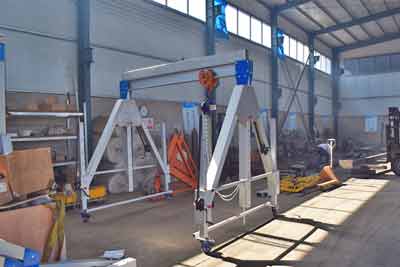
How to Choose Right Portable Aluminum Gantry Crane for Workshops
How to Choose the Right Portable Aluminum Gantry Crane for Your Workshops
Tailored Aluminum Gantry Cranes for Sensitive or Specialized Workshop Environments
Introduction
Portable aluminum gantry cranes are widely used in workshops where cleanliness, corrosion resistance, or explosion-proof standards matter. Unlike typical steel cranes, these aluminum cranes are lightweight, easy to move, and won’t rust or contaminate sensitive environments. They are especially common in chemical plants, electronics assembly areas, clean rooms, and other specialized facilities.
Choosing the right crane is not just about picking the heaviest or most expensive model. Your workshop’s environment, the type of loads you handle, and how often you use the crane all play a major role in ensuring safety, efficiency, and long-term reliability.
Why Selecting the Right Crane Matters
Using the wrong crane in a specialized workshop can lead to several problems, including equipment damage, workplace safety risks, and unnecessary downtime. Selecting a crane designed for your specific environment helps you:
- Prevent corrosion and contamination in sensitive areas.
- Handle loads safely without overloading the crane.
- Improve efficiency by matching crane mobility to your workspace.
- Reduce maintenance costs and extend the crane’s service life.
What This Guide Covers
This guide will help you understand how to choose a portable aluminum gantry crane based on:
- Specialized workshop conditions – clean rooms, anti-corrosion areas, and explosion-proof zones.
- Typical loads – weight, shape, and sensitivity of the items you lift.
- Usage frequency – light, medium, or frequent lifting operations.
- Safety compliance – meeting local and industry-specific safety standards.
By the end of this guide, you’ll have a clear understanding of how to pick a crane that fits your workshop’s unique requirements, keeps your team safe, and supports your daily operations without unnecessary complications.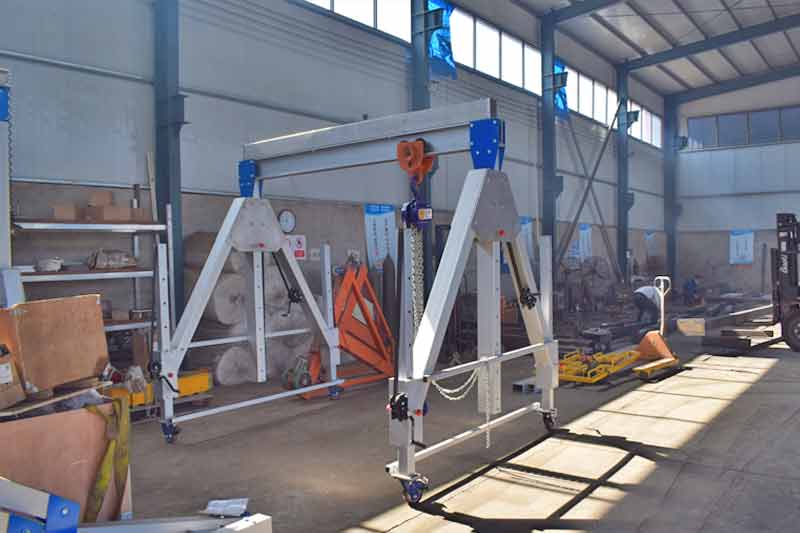
Assessing Your Workshop Environment
Before choosing a portable aluminum gantry crane, it’s important to take a close look at your workshop. A detailed assessment ensures that the crane will not only fit but operate safely and efficiently in your space. Let’s break it down into the main factors you should consider.
Every workshop is different. Even small differences in ceiling height or aisle width can make a crane difficult—or even impossible—to use safely. Take accurate measurements of your space before shopping for a crane.
- Workshop Dimensions: Measure ceiling height, floor area, and aisle width. Make sure the crane can move freely and lift loads without hitting walls or other equipment.
- Clearance Requirements: Think about how much room the crane needs to travel along its span. Include extra space for lifting and temporarily holding loads.
- Layout Challenges: Look for any fixed structures—like overhead pipes, ventilation ducts, or machinery—that might interfere with the crane’s path. Planning for these obstacles early can prevent headaches later.
Practical tip: Sketch a floor plan and mark all potential obstacles. This helps visualize how the crane will move and where it can safely lift.
The floor your crane travels on is just as important as the crane itself. Aluminum gantry cranes are light, but they still need a stable surface to operate safely.
- Floor Type: Smooth and level floors are ideal. Uneven or rough floors may require cranes with reinforced wheels or stabilizing supports to prevent tipping.
- Load-Bearing Capacity: Ensure the floor can safely handle the combined weight of the crane and the maximum load. Weak flooring can lead to damage or unsafe lifting conditions.
- Floor Protection: In clean rooms or anti-corrosion workshops, consider protective mats or coatings. These prevent contamination and minimize wear on both the floor and the crane wheels.
Practical tip: If your workshop floor has slight irregularities, measure the uneven spots and check if adjustable or lockable wheels are available for the crane model you’re considering.
Where you plan to use your aluminum gantry crane makes a big difference. The requirements for indoor workshops are quite different from those for outdoor or semi-outdoor spaces.
- Indoor Workshops: Precision and cleanliness are key. The crane should move smoothly on the floor, fit within confined spaces, and not generate dust or debris. Adjustable heights help accommodate varying load sizes and workflow requirements.
- Outdoor or Semi-Outdoor Workshops: Here, your crane may face rain, humidity, or exposure to chemicals. It’s important to consider aluminum construction and protective coatings to prevent corrosion over time.
- Corrosion-Resistant Requirements: Even if your workshop is covered, moisture or chemical vapors can cause damage. Aluminum gantry cranes with protective coatings or anodized finishes can significantly extend their service life.
- Foldable or Modular Designs: Outdoor or multi-purpose areas often require cranes that are easy to assemble, disassemble, or store. Foldable and modular cranes provide flexibility and reduce storage space needs.
Practical tip: Think about where the crane will sit when not in use. If it’s exposed to the elements, extra protection like covers or storage sheds can help maintain its condition.
Some workshops require even more specialized conditions. Aluminum gantry cranes are ideal for sensitive environments, but you still need to match the crane’s features to the specific risks and regulations of your workspace.
- Clean Rooms and Anti-Contamination Areas: Smooth aluminum surfaces prevent dust accumulation and reduce contamination risk. Choose models that are easy to clean and maintain.
- Explosion-Proof Zones: In workshops handling flammable gases, dust, or volatile chemicals, cranes must comply with industry safety standards. Explosion-proof components, sealed motors, and non-sparking parts are essential.
- Chemical Exposure: If your facility works with corrosive liquids or vapors, cranes should have corrosion-resistant finishes or stainless-steel components. This protects both the crane and the products being handled.
Practical tip: Always check local regulations or industry-specific standards for specialized environments. It’s better to invest in the right crane upfront than to retrofit later.
Typical Loads in Specialized Workshops
Understanding the types of loads you handle is just as important as knowing your workshop environment. In specialized workshops, loads often differ from standard material handling—they can be delicate, irregular, or sensitive to contamination. Choosing a crane without considering these factors can create safety risks and slow down operations.
Weight Considerations
Not all loads are created equal. Even if the items are small, they may still require careful handling or precise lifting.
- Average and Maximum Weight: Calculate both the typical weight you lift and the heaviest load you expect. This ensures your crane has the right capacity.
- Safety Margins: Always include a margin of 20–30% above your heaviest expected load. Frequent lifting at or near the crane’s maximum capacity can shorten its lifespan.
- Heavy vs. Light Loads: Lighter loads may still need precise control, especially in clean or delicate environments.
Practical tip: Keep a simple load chart for your workshop. Note the weights, sizes, and frequency of lifting—this will make it easier to select the right crane model.
Load Dimensions and Sensitivity
In specialized workshops, the shape and sensitivity of the load can be just as important as its weight.
- Shape and Size: Long, bulky, or irregular items may require a wider crane span or adjustable height to handle them safely.
- Delicate Loads: Sensitive equipment, electronic assemblies, or chemical containers require smooth, stable lifting to avoid damage.
- Positioning Needs: Some loads may need precise placement, which affects whether a mobile, foldable, or fixed-height crane is the best choice.
Practical tip: Measure the largest and smallest items you lift and note any fragile points. This helps in choosing the crane with the right stability and movement control.
Usage Frequency
How often you use the crane impacts both its design and maintenance requirements.
- Light-Duty Operation: Occasional lifts require less robust designs but still need careful attention to movement and floor protection.
- Medium to Heavy Use: Cranes used multiple times per day need durable wheels, reinforced joints, and easier maintenance access.
- Continuous Operation: For near-constant lifting, consider cranes with higher duty ratings and minimal maintenance needs to reduce downtime.
Practical tip: Track your daily lifting cycles. Knowing the frequency helps suppliers recommend the right crane components for longevity and safety.
Matching Crane Type to Specialized Applications
Not all aluminum gantry cranes are built the same, and the type you choose should match both your workshop environment and the types of loads you handle. Let's look at the main types and when they are most useful.
These cranes have a set lifting height and are simple in design, making them reliable for repetitive lifting tasks.
- Best Use: Ideal for clean rooms, anti-corrosion workshops, or areas where the same load is lifted repeatedly.
- Advantages: Very stable, minimal maintenance, and easy to operate.
- Limitations: Height cannot be adjusted, so they are less flexible for varying load sizes.
Practical tip: Fixed height cranes work well if your lifting needs are consistent and predictable.
Adjustable cranes allow you to change the height of the lifting beam, offering versatility for workshops with varied tasks.
- Best Use: Suitable for mixed load sizes or multi-purpose workshops where loads of different heights need to be handled.
- Advantages: Flexible and adaptable; one crane can serve multiple applications.
- Limitations: Slightly more complex setup than fixed cranes; check that adjustment mechanisms are easy to operate.
Practical tip: Measure the tallest and shortest loads you lift to ensure the crane's adjustable range covers all tasks.
These cranes have a telescopic or multi-stage frame, allowing higher lifts without increasing overall weight.
- Best Use: Perfect for low-ceiling or space-limited workshops that still need to lift higher loads.
- Advantages: Lightweight, easy to move, and still capable of lifting heavier items than a single-stage crane of the same size.
- Limitations: Slightly higher cost than single-stage cranes; more moving parts may require extra maintenance.
Practical tip: Double-stage cranes are ideal if you need maximum lifting height without sacrificing mobility.
Foldable designs are built for portability and space-saving storage. They can be set up quickly when needed and stored compactly.
- Best Use: Workshops with limited space, shared work areas, or temporary lifting requirements.
- Advantages: Easy to move and store, modular design allows flexibility, and can be used in multiple locations.
- Limitations: May not be suitable for very heavy or continuous lifting operations.
Practical tip: Foldable cranes are a good choice if your workshop layout changes frequently or if the crane must be stored after each use.
Key Features for Specialized Workshop Needs
When selecting a portable aluminum gantry crane, it's not just about lifting capacity. Specialized workshops—whether clean rooms, anti-corrosion areas, or explosion-proof zones—have unique requirements that affect material choice, mobility, and versatility.
Aluminum is the go-to choice for specialized workshops. It's lightweight, strong, and naturally resistant to corrosion.
- Lightweight: Easier to move and adjust, reducing strain on floors and operators.
- Corrosion-Resistant: Ideal for workshops exposed to moisture, chemicals, or humid conditions.
- Anti-Contamination Properties: Smooth aluminum surfaces prevent dust accumulation and make cleaning easy.
- Optional Coatings or Stainless-Steel Parts: For environments with strong chemicals or extreme conditions, additional coatings or stainless-steel components increase durability.
Practical tip: Check the specific chemical or humidity levels in your workshop to determine if extra protection is needed.
The span and height of your crane need to match both your workshop space and the types of loads you handle.
- Span Fit: Ensure the crane fits between walls, machinery, or other fixed equipment.
- Adjustable Heights: Adjustable or telescopic options allow the crane to lift loads of varying sizes safely.
- Precision Lifting: Taller or longer spans can help place loads accurately without hitting obstacles.
Practical tip: Measure your largest load and the maximum lifting height needed, then choose a crane that offers a comfortable margin.
How a crane moves and stays in place is critical, especially in sensitive or confined areas.
- Smooth Wheels: Essential for clean floors and dust-sensitive environments.
- Locking Wheels: Ensure precise positioning when lifting or holding delicate loads.
- Stable Base: Prevents tipping and protects both the crane and the load.
Practical tip: Test the crane's wheels on your workshop floor to ensure smooth movement and easy locking.
Many specialized workshops change layouts or need temporary lifting solutions. Modular or foldable cranes make this easier.
- Modular Design: Components can be assembled quickly for different tasks.
- Foldable Cranes: Compact storage when not in use or when space is limited.
- Quick Setup: Reduces downtime and allows flexible use in multiple areas.
Practical tip: If your workshop frequently rearranges equipment or uses cranes in multiple locations, a foldable or modular design saves both time and effort.
Safety and Compliance
Safety is non-negotiable, especially in specialized workshops where loads may be delicate, equipment expensive, or the environment sensitive. Aluminum gantry cranes need to meet strict safety standards and be properly maintained.
- Load Limits and Stability Checks: Always verify that the crane’s capacity exceeds your heaviest expected load, including a safety margin. Check stability regularly, particularly when handling delicate or sensitive items.
- Regulatory Compliance: Ensure the crane meets applicable standards for clean rooms, anti-corrosion facilities, or explosion-proof zones. Components such as motors, wheels, and controls must be approved for the specific environment.
- Maintenance Schedules: Regular inspections and maintenance prevent unexpected failures. The frequency should match the crane’s usage and exposure—more frequent use or harsh conditions require more attention.
Practical tip: Keep a simple checklist for inspections, noting wheel condition, structural integrity, and any signs of wear. This reduces downtime and improves safety.
Budget vs. Specialized Requirements
While cost is important, choosing a crane purely based on price can backfire in specialized workshops. It’s better to focus on long-term value and suitability for your environment.
- Cost-Effectiveness: Choose a crane that meets your environmental and operational needs without unnecessary extras. Avoid underpowered models that may fail or overpowered models that increase cost unnecessarily.
- Long-Term Value: Aluminum cranes may have a higher upfront cost, but they save money over time with lower maintenance, corrosion resistance, and durability.
- Warranty and Support: For specialized applications, reliable warranty coverage and responsive supplier support are essential. They ensure you can address issues quickly and keep operations running smoothly.
Practical tip: Compare multiple models and suppliers, focusing on total cost of ownership rather than just initial purchase price. A crane that lasts longer and needs less maintenance is a better investment.
Practical Tips for Buyers
Selecting the right aluminum gantry crane isn’t just about comparing specs online. A hands-on approach can save time, money, and headaches later. Here are some practical steps to follow:
- Conduct a Workshop Audit: Measure your ceiling height, floor area, and aisle widths. Inspect the floor for uneven spots, cracks, or weak areas. Identify any fixed equipment, overhead pipes, or obstacles that could interfere with crane movement.
- Document Typical Loads and Frequency: Keep a record of the weight, size, and shape of items you lift regularly. Note how often each load is handled to match the crane’s capacity and durability to your daily operations.
- Check Environment-Specific Standards: Make sure the crane meets all relevant safety and operational regulations for your workshop—whether it’s a clean room, anti-corrosion area, or explosion-proof zone.
- Discuss Mobility and Assembly Options: Talk with suppliers about foldable or modular cranes if your layout changes frequently, or if the crane needs to be relocated or stored when not in use.
Practical tip: Bringing actual load measurements and workshop sketches to your supplier will help them recommend the most suitable crane and accessories.
Conclusion
Choosing the right portable aluminum gantry crane requires careful consideration of your workshop environment, load types, and lifting frequency.
- Plan carefully to ensure the crane is safe, efficient, and long-lasting.
- Focus on matching crane features—material, span, mobility, and compliance—to the specific needs of your specialized workshop.
- Investing time upfront in assessment and planning avoids costly mistakes and ensures smoother operations.
Contact a trusted supplier to get expert guidance and a free quotation tailored to your workshop’s unique conditions. This ensures you select a crane that fits perfectly, operates reliably, and supports your workflow for years to come.