2 Ton Jib Crane for Sale: Price vs Performance
Compare costs, features, and efficiency of 2 ton jib cranes to maximize value, productivity, and long-term reliability in your workshop.
2 Ton Jib Crane for Sale: Price vs Performance Guide
Introduction
A 2 ton jib crane is one of the most practical lifting solutions for small to medium industrial operations. Whether in a workshop, warehouse, or factory, it helps move materials efficiently without taking up much floor space. You’ll find them wall-mounted, freestanding, or floor-mounted depending on the layout of your facility.
Typical Uses:
- Moving machinery parts, steel components, or pallets.
- Loading and unloading from trucks or storage racks.
- Assisting in machining, welding, or maintenance work where precision lifting is needed.
But buying a jib crane isn’t just about picking a model that can lift 2 tons. It’s about finding the right balance between cost and performance. Choosing too cheap a crane can lead to more frequent repairs and downtime. Investing a bit more in quality or customization often saves money and headaches over the crane’s lifetime.
Why Price vs Performance Matters:
- Ensures the crane meets your specific lifting requirements safely.
- Helps avoid unnecessary spending on features you may not need.
- Supports planning for maintenance and operational costs over time.
The purpose of this guide is to help you make an informed decision that maximizes your ROI. By understanding the main factors that affect price and performance, you’ll be able to select the right crane for your needs without overspending.
In This Guide, You’ll Discover:
- How crane type, boom length, and lifting devices impact cost.
- The role of installation, maintenance, and durability in long-term value.
- Practical tips for budgeting and comparing options before buying.
Key Factors Affecting Jib Crane Price
The cost of a 2 ton jib crane isn’t just a sticker price—it’s influenced by several practical and technical factors. Understanding these factors helps you avoid overspending and ensures the crane meets your operational needs safely. Below, we break down the key elements that affect pricing.
Crane Type
The type of jib crane you choose has a direct impact on both cost and workspace layout. Each type comes with its own advantages and limitations, affecting installation, flexibility, and long-term use. Picking the right type ensures that the crane fits your workflow efficiently without unnecessary modifications or additional expenses.
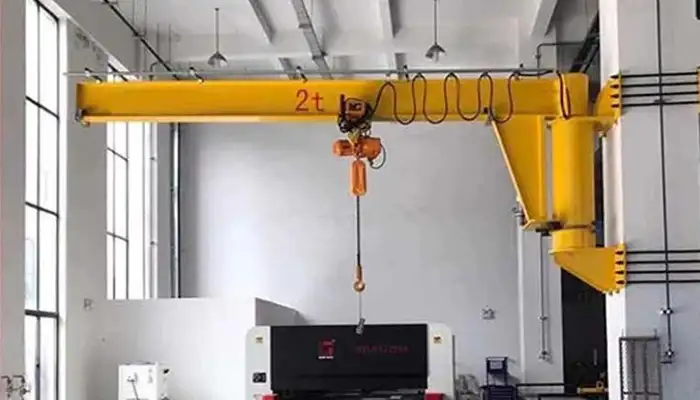
- Wall-Mounted: Attached to a structural wall or column. Saves floor space and is generally more cost-effective. Limited by wall strength and mounting height.
- Freestanding: Supported by its own column or base. Offers flexible positioning, ideal for workshops with no suitable walls. Slightly higher cost due to structural requirements.
- Floor-Mounted / Pedestal: Installed on a reinforced floor or foundation. Provides maximum reach and rotation but requires more installation work, increasing upfront cost.
Customization Options
While standard cranes work for many applications, most workshops benefit from cranes tailored to specific operational needs. Customization affects price but can improve productivity, safety, and long-term performance. Knowing which features are essential helps you balance cost and value.
- Adjustable Boom Lengths: Extending or shortening the boom ensures the crane can reach all necessary areas without overextending capacity.
- Mounting Height & Swing Radius: Tailoring these allows efficient movement within tight spaces or around obstacles.
- Special Features: Options like heavy-duty paint, outdoor protection, or explosion-proof design are essential in certain environments but increase cost.
Boom Length and Reach
The length of the boom determines how far the crane can reach, which directly impacts workflow efficiency. However, longer booms require more material and engineering, adding to cost. There’s also a trade-off between boom length and lifting capacity that needs careful consideration.
- Longer booms require reinforced materials and precise installation.
- Extended reach may slightly reduce maximum lifting capacity compared to shorter booms.
- Installation complexity increases with boom length, potentially raising labor costs.
Lifting Devices and Accessories
The type of hoist and additional attachments you choose greatly influence the crane’s functionality and price. While some accessories improve efficiency, unnecessary add-ons can inflate costs without delivering practical benefits. Choosing wisely ensures you get exactly what you need.
- Hoist Types: Manual, electric, or chain hoists—each with different costs and operational advantages.
- Optional Accessories: Trolleys, rotators, or specialized lifting devices enhance functionality.
- Accessories should be selected based on real operational needs to avoid overspending.
Installation Costs
Installation is often underestimated in the budget, yet it significantly affects the total cost. Proper installation ensures the crane’s safety, performance, and longevity. Skipping or cutting corners here can lead to additional maintenance expenses or safety issues later.
- Foundation Work: Some cranes, especially pedestal models, need reinforced concrete foundations.
- Anchoring & Labor: Correct installation prevents structural damage and ensures smooth operation.
- Electrical Setup: Electric hoists require proper power supply, wiring, and safety connections.
Performance Considerations
When evaluating a 2 ton jib crane, price is important—but performance matters just as much. A crane that meets your lifting requirements safely and efficiently can save time, reduce downtime, and protect your workers. Understanding the key performance factors ensures you choose a crane that works reliably for years.
Key Performance Factors:
- Load Capacity and Duty Cycle: Ensure the crane can safely handle the maximum loads you plan to lift. Duty cycle refers to how often the crane can be used without overheating or overstraining the hoist. Matching these to your workflow prevents premature wear and costly repairs.
- Smooth Operation and Precision Handling: Look for cranes with well-designed trolleys, quality bearings, and smooth hoist mechanisms. Smooth movement reduces the risk of dropped loads and allows more precise positioning, which is critical for assembly or machining tasks.
- Safety Features and Compliance: Overhead cranes must meet local safety regulations. Check for limit switches, overload protection, emergency stop controls, and anti-collision features. A compliant crane protects your team and avoids costly fines.
Lifecycle Cost Analysis
The upfront price of a crane is only part of the story. Considering the full lifecycle cost helps you understand the true investment. A slightly higher initial cost can pay off through lower maintenance, longer service life, and better energy efficiency.
Factors Affecting Lifecycle Cost:
- Maintenance Requirements: Regular lubrication, inspections, and timely parts replacement keep the crane running safely and extend its lifespan. Neglecting maintenance can result in expensive breakdowns.
- Durability and Expected Service Life: Look for quality materials, strong welds, and reliable hoists. A durable crane may cost more upfront but lasts longer, giving better value over time.
- Energy Efficiency and Operational Costs: Electric hoists and modern motor designs consume less power. Efficient cranes reduce electricity bills and minimize overheating or wear, contributing to lower operational costs.
Practical Tip: When comparing cranes, calculate not just the purchase price but also projected maintenance and energy costs over 5–10 years. This approach ensures you pick a crane that is both affordable and reliable in the long run.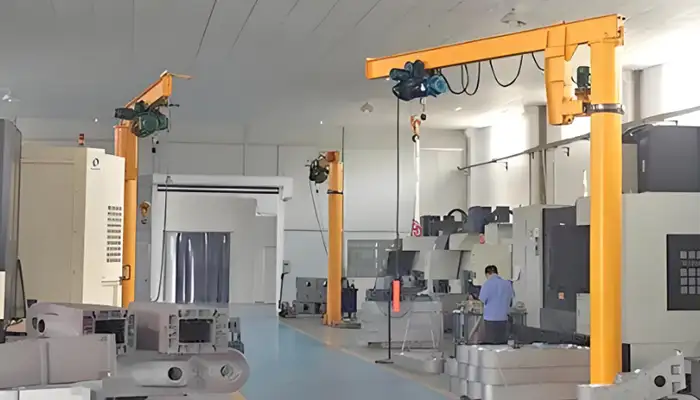
2 ton freestanding column mounted jib crane for sale
Practical Pricing Tips for Buyers
When shopping for a 2 ton jib crane, knowing typical price ranges and budgeting smartly can save both money and headaches. Prices can vary widely depending on the type of crane, level of customization, and additional features. Planning ahead ensures you get the crane you need without overspending or compromising on quality.
Pricing Tips and Examples:
- Typical Price Ranges: Standard, off-the-shelf 2 ton jib cranes generally cost less, while customized models with longer booms, special mounting, or explosion-proof features will increase the price.
Example Scenarios:
- Light-Duty Applications: Workshop lifting small machinery or pallets a few times a day—standard wall-mounted cranes may suffice.
- Heavy-Duty Applications: Frequent lifting of steel parts or industrial components—freestanding or pedestal cranes with reinforced structures may be needed.
Budgeting Beyond Purchase Price: Always account for installation, foundation work, electrical setup, and long-term maintenance. These costs can add 15–30% to the total investment.
Practical Tip: Ask suppliers for a full cost breakdown, including customization, installation, and recommended maintenance packages, to avoid surprises.
Return on Investment (ROI)
Price is important, but it’s equally vital to consider how a crane contributes to productivity and long-term savings. Evaluating ROI helps you choose a solution that provides value over the crane’s entire service life rather than just focusing on the upfront cost.
How to Evaluate ROI:
- Cost vs Productivity Gains: Consider how the crane improves workflow, reduces lifting time, and minimizes manual labor. A more capable crane may increase output even if it costs more initially.
- Downtime, Repairs, and Lifespan: Factor in the likelihood of maintenance, potential downtime, and expected service life. Cheaper cranes may save money at first but require more repairs, reducing overall efficiency.
- Comparison: Investing in a higher-quality crane upfront often saves money long-term by reducing maintenance, energy use, and operational disruptions.
Practical Tip: Create a simple cost-benefit analysis comparing purchase price, installation, maintenance, and expected productivity improvements. This gives a clear picture of the true value of your investment.
Conclusion
Buying a 2 ton jib crane is more than just checking a price tag. To get the most value, it’s important to consider not only the upfront cost but also performance, durability, and long-term maintenance. A crane that meets your workflow needs efficiently will save time, reduce downtime, and provide better return on investment over its entire service life.
When planning your purchase, think about the crane type, boom length, lifting devices, installation requirements, and any customization that fits your specific operations. These factors directly influence both cost and practical usability, so it pays to get them right from the start.
Practical Advice: Don’t hesitate to request customized quotes. Providing your supplier with detailed information about your workspace, lifting needs, and operational frequency allows them to recommend the most suitable crane—and help you avoid overspending on unnecessary features.
Call-to-Action: Contact a trusted supplier today for expert advice and accurate pricing. By doing so, you can ensure you select the right 2 ton jib crane for your workshop, warehouse, or factory while maximizing your long-term value.