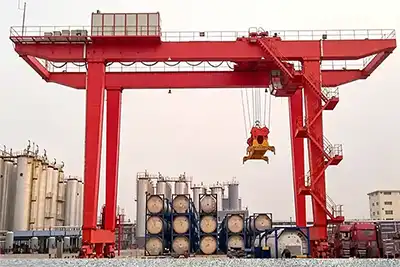
How to Choose the Right Shipyard Gantry Crane
Choosing the right shipyard gantry crane for your slipway is more than just picking the biggest crane you can find. A properly selected crane ensures that your operations run safely, efficiently, and without costly delays. Slipway work involves moving massive hull blocks, large ship sections, engines, and other heavy components in open-air environments. The wrong crane can slow work, increase maintenance costs, and even risk safety.
By focusing on your specific lifting needs, span, height, and the conditions of your yard, you can select a crane that fits your operation like a glove. It’s not about flashy features—it’s about practical performance day in and day out.
Shipyard crane and slipway crane for sale
Understand Your Lifting Capacity Needs
The first thing you need to think about is how much weight your crane will need to handle. Lifting capacity is the foundation of every crane decision because if your crane can’t lift the heaviest blocks safely, nothing else matters. In shipyards, loads can vary widely—from 50 tons for smaller hull sections to 600 tons or more for large pre-assembled blocks.
Before choosing, consider the following practical points:
- Calculate Maximum Block or Section Weight: Look at your heaviest ship section or hull block. Make sure the crane’s rated capacity can handle it comfortably.
- Consider Combined Lifts: Sometimes, multiple components are lifted together. Add these weights when planning your crane’s capacity.
- Add a Safety Margin: Always include 10–20% extra capacity for unexpected weight variations or shifting loads. This helps prevent overloading and keeps operations safe.
Determine the Required Span and Lifting Height
The span of a crane determines how far it can move across your slipway, covering the full width of your work area. The lifting height ensures that tall ship sections, hull blocks, or other large components can be hoisted safely and positioned accurately. Getting these dimensions right is key to smooth, efficient, and safe operations.
Tips for Buyers:
- Measure your slipway width precisely to ensure the crane can reach all work areas.
- Check the maximum height of vessels or components to avoid clearance issues during lifting.
- Consider an adjustable span if your yard handles ships of different sizes or plans future expansion.
Proper planning for span and height prevents operational bottlenecks, minimizes handling errors, and ensures your crane works efficiently for years to come.
Single Girder vs. Double Girder Options
Choosing between a single girder and a double girder crane depends on your lifting needs, yard layout, and long-term plans. Single girder cranes are often sufficient for lighter loads and smaller spans, while double girder cranes are built for heavier lifting and longer spans, offering extra stability for large ship sections.
Practical Considerations:
- Cost vs. Lifting Capacity: Single girder cranes are generally less expensive but have lower maximum capacity. Double girders cost more but handle heavier loads safely.
- Maintenance Requirements: Single girder cranes have fewer moving parts, which can mean easier maintenance. Double girder cranes may require more upkeep but provide higher performance.
- Long-Term Yard Flexibility: Double girder cranes offer more adaptability for future projects, larger vessels, or expanded slipways, making them a better choice for growing shipyards.
Selecting the right girder type ensures your crane can handle your current workload while staying reliable and efficient for years to come.
Outdoor Conditions and Weather Resistance
Shipyard gantry cranes operate in tough outdoor environments, often exposed to wind, rain, and saltwater. Without proper protection, critical components can corrode, structural integrity can be compromised, and safety may be at risk. Choosing a crane built to withstand these conditions ensures reliable performance and long service life.
Features to Consider:
- Anti-Corrosion Coating and Weatherproof Structure: Protects steel frames and moving parts from rust, salt spray, and moisture.
- Wind-Load Resistance and Stability Features: Keeps the crane stable during strong winds, preventing tipping or sway during lifts.
- Hoisting System and Trolley Design: Smooth, controlled movement is essential for accurate positioning even in variable weather conditions.
A crane designed for harsh outdoor conditions allows shipyards to maintain operations year-round, reduces maintenance needs, and keeps heavy lifting tasks safe and predictable.
Power Supply and Control Options
Outdoor shipyard gantry cranes need a reliable power source and flexible control system to operate efficiently. The right combination ensures smooth lifting, accurate positioning, and minimal downtime, even in remote yards or challenging weather conditions.
Power Supply Options:
- Cable Reel: Flexible for moderate-length slipways, allows continuous movement along the track.
- Busbar: Provides consistent power for high-capacity cranes in fixed installations.
- Diesel Generator: Ideal for remote yards or locations without reliable grid power.
Control Systems:
- Cabin Control: Operator sits in the cabin for full visibility and direct operation.
- Wireless Remote: Offers flexibility and allows the operator to move around the yard while controlling the crane.
- Hybrid Control: Combines cabin and remote control for maximum safety and convenience.
Selecting the right power and control setup improves operational efficiency, safety, and adaptability for all slipway lifting tasks.
Safety Features to Look For
Safety is critical when handling massive ship components outdoors. The right features protect both personnel and equipment, reducing downtime and avoiding accidents.
Key Safety Features:
- Overload Limiters: Prevent lifting beyond the crane’s rated capacity, protecting both crane and load.
- Storm Anchors and Wind-Protection Devices: Stabilize the crane during high winds or storms, preventing accidents.
- Emergency Stop and Warning Systems: Allow quick response in case of any malfunction or hazard.
- Operator Training and Routine Inspections: Well-trained operators and scheduled checks are essential for safe, reliable operation.
Investing in proper safety features ensures your gantry crane operates smoothly in all conditions, protecting your team and your valuable components.
Budget and Total Cost Considerations
Buying a shipyard gantry crane is a significant investment, so understanding the factors that influence cost helps you make a smart decision. Costs aren’t just about the crane itself—they also include installation, site preparation, and ongoing operation.
Factors Affecting Cost:
- Lifting Capacity: Higher-capacity cranes require stronger structures and more powerful hoists.
- Span and Height: Longer spans and taller lifting heights increase material and engineering requirements.
- Girder Type: Double girder cranes typically cost more than single girders but offer higher load capacity.
- Control System: Cabin, remote, or hybrid controls can affect price, depending on complexity and technology.
Installation and Site Preparation: Proper foundation, rail alignment, and yard layout may add to upfront costs but ensure smooth, safe operation.
Cost-Saving Tips:
- Plan carefully to avoid over-specifying the crane.
- Consider modular or adjustable options for future flexibility.
- Work with suppliers who provide transparent pricing and detailed quotations.
By understanding costs upfront, you can balance budget, capacity, and safety to get the best value for your shipyard.
Final Tips for Choosing the Right Shipyard Gantry Crane
Selecting the right crane goes beyond specs—it’s about working with the right partner and planning for your yard’s present and future needs.
Practical Tips:
- Work with an Experienced Supplier: Choose a manufacturer familiar with outdoor slipway operations and heavy-duty shipyard cranes.
- Provide Detailed Layouts and Requirements: Share your slipway dimensions, lifting loads, and workflow to ensure an accurate crane design.
- Plan for Future Expansion: Consider higher-capacity lifts or larger vessels to avoid needing a new crane later.
- Request a Customized Quotation: A tailored design and price proposal ensures you get exactly what your yard needs, with no unnecessary extras.