Cold Climate, Heavy Loads: Overhead Cranes for Canadian Steel Plants
Cold Climate, Heavy Loads: What Canadian Steel Plants Must Consider When Buying Overhead Cranes
Introduction
Canadian steel plants handle massive amounts of heavy materials every day—slabs, billets, coils, and finished products. Keeping production smooth requires reliable overhead cranes, but choosing the right one goes beyond just lifting capacity. Cold temperatures, heavy loads, and the need for continuous operations make crane selection critical.
Why overhead cranes matter in steel plants:
- Move heavy steel safely and efficiently.
- Minimize production delays.
- Protect workers and equipment from accidents.
Challenges unique to Canadian plants:
- Extremely low temperatures affecting materials and machinery.
- Snow, ice, and moisture impacting operations.
- High-demand lifting tasks with heavy loads.
Environmental Challenges in Canadian Steel Plants
Operating in Canada is tough on equipment. Overhead cranes face extreme cold, moisture, and ice that can impact safety and performance. Understanding these challenges is the first step in selecting the right crane.
Cold weather can change how metal and machinery behave:
- Metal brittleness: Steel beams, trolley frames, and hoist hooks can fracture if not designed for sub-zero temperatures.
- Lubrication issues: Regular oils thicken or freeze, slowing movement and increasing wear. Cold-weather lubricants are essential.
- Hydraulic concerns: Cold hydraulic fluid flows slower, affecting hoist and trolley responsiveness.
Practical tip: Choose cranes rated for low temperatures and with cold-resistant lubricants and hydraulic fluids.
Even small amounts of snow or ice can disrupt crane operation. Moisture accelerates corrosion, which is a long-term cost concern for steel plants.
- Corrosion protection: Use galvanized steel, protective coatings, or stainless steel for exposed components.
- Anti-icing measures: Heated rails, de-icing routines, and moisture drainage help maintain safe operation.
- Electrical safety: Moisture can short electrical systems; waterproof enclosures and low-temperature wiring are recommended.
The environment dictates crane design:
Indoor cranes:
- Less exposure to snow and ice.
- Still need low-temperature components if plant temperatures are below zero.
Outdoor cranes:
- Must handle snow loads, temperature swings, and moisture.
- Require full weatherproofing and corrosion protection.
- May need heated components for hoists and rails.
Key takeaway: Matching the crane design to its environment ensures long-term reliability and reduces downtime.
Load Requirements and Handling Considerations
Handling heavy steel in Canadian plants is not just about picking a crane with a high lifting capacity. You need to understand exactly what you'll be lifting, how often, and under what conditions. Getting this right ensures safe, efficient, and reliable operations.
Canadian steel plants deal with a variety of products, each with unique handling requirements. Knowing the product type and weight is critical for selecting the right crane and hoist combination.
- Slabs: Usually 8–25 tons each, depending on size and steel grade. Often lifted individually or in bundles.
- Billets: Smaller than slabs, typically 1–5 tons, but frequent handling can add wear on crane components.
- Coils: Can weigh 5–20 tons, requiring careful grip to prevent slipping or damage.
- Finished steel products: These vary widely, from light sheets to heavy beams, demanding cranes with adaptable lifting capacity.
Practical note: Always confirm whether your steel products will be handled individually or bundled. Bundle weights can exceed the crane's rated load if not planned properly.
Selecting a crane just for the maximum expected load isn't enough. Safety margins are essential, especially in cold climates where mechanical performance can be affected.
- Recommended practice: Add 20–30% extra capacity to account for uneven loads, lift dynamics, and unexpected conditions.
- Cold climate consideration: Metal becomes slightly more brittle in freezing temperatures; extra margin ensures safe operation.
- Overload protection: Ensure cranes have built-in limit switches and overload sensors for added safety.
How often the crane will be used makes a big difference in selecting motor power, hoist type, and structural design.
- Continuous operation: High-duty cranes designed for 8–24 hours of daily lifting. Motors, brakes, and hoists must handle repeated cycles without overheating.
- Intermittent operation: Cranes used occasionally or for lighter tasks can use simpler hoists, reducing upfront costs.
- Duty classification: Check manufacturer specifications for duty cycles (ISO or CMAA standards) to match your plant's workload.
Heavy steel moves differently in cold conditions. Icy floors, rail frost, or sudden stops can cause load swing, affecting safety and efficiency.
- Swing control: Anti-sway hoists or trolley systems reduce load swing.
- Precise positioning: In cold plants, electronic or remote-controlled positioning improves accuracy and safety.
- Operator training: Even the best crane can't fully compensate for inexperienced handling; proper training is key.
- Know the weight and type of every steel product you'll lift.
- Add safety margins to crane capacity to account for load dynamics and cold temperatures.
- Match crane duty rating to operation frequency.
- Use swing control systems and train operators for precise handling.
Crane Type Selection
Selecting the right crane in a Canadian steel plant depends on load requirements, workshop layout, and cold-weather conditions. Instead of long paragraphs, here’s a clear comparison to help you decide.
Single Girder vs. Double Girder Cranes
| Feature | Single Girder | Double Girder |
|---|---|---|
| Lifting Capacity | Up to 20 tons | Over 100 tons |
| Structure | Simpler, lighter | Stronger, more rigid |
| Installation | Easier | Requires more space |
| Maintenance | Low | Moderate to high |
| Ideal Use | Small to medium workshops, lighter steel | Heavy-duty continuous operation, slabs, coils, billets |
Note: For handling heavy steel in cold Canadian conditions, double girder cranes generally offer better stability and safety.
EOT Cranes vs. Gantry Cranes
| Feature | EOT (Electric Overhead Traveling) | Gantry Crane |
|---|---|---|
| Mobility | Fixed runway | Mobile, no fixed runway |
| Ideal Environment | Indoor workshops | Indoor or outdoor areas |
| Speed & Precision | High speed, precise positioning | Moderate speed, flexible layout |
| Cold Climate Adaptation | Needs low-temperature components, anti-icing | Requires same protections if outdoors |
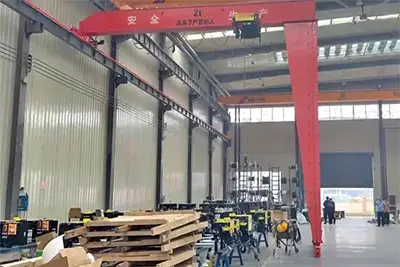
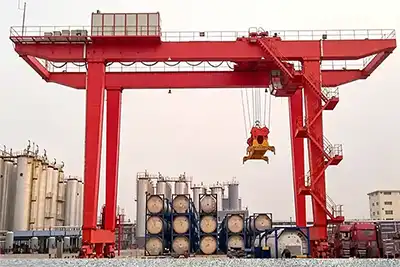
Tip: Choose EOT cranes for high-frequency indoor steel handling. Gantry cranes are better when flexibility or outdoor operation is required.
European-Style vs. Standard Cranes
| Feature | European-Style | Standard |
|---|---|---|
| Structure | Lightweight, rigid | Heavier, simpler |
| Safety Features | Anti-sway, overload protection, smooth hoist operation | Basic safety systems |
| Reliability in Cold | Excellent | Moderate, may need more maintenance |
| Cost | Higher upfront | Lower upfront |
| Long-Term Value | Lower maintenance, energy-efficient, safer | May require more repairs over time |
Practical Insight: While European-style cranes cost more initially, they often reduce downtime and maintenance in demanding Canadian steel plants.
Quick Selection Summary
- Single girder: Light loads, smaller workshops.
- Double girder: Heavy loads, continuous operations.
- EOT cranes: Indoor precision, repetitive tasks.
- Gantry cranes: Outdoor flexibility, mobile lifting.
- European-style cranes: Heavy loads, cold climates, reliable long-term performance.
Structural and Mechanical Design Considerations
When buying an overhead crane for a Canadian steel plant, it's not just about lifting capacity. The crane's structural and mechanical design determines how well it handles heavy steel in extreme cold. Choosing the right materials, hoist, motors, and travel components ensures safety, reliability, and long-term performance.
Cold weather can make steel brittle and increase the risk of fractures in structural components. Using materials rated for sub-zero temperatures is critical.
- Low-temperature steel: Maintains toughness even at -30°C or lower.
- Corrosion-resistant coatings: Protects rails, girders, and end trucks from moisture and winter salts.
- Stainless steel or galvanized components: Recommended for outdoor cranes exposed to snow and ice.
Practical tip: Ask suppliers if the crane is designed for your lowest expected operating temperature, not just the average.
The hoist is the heart of an overhead crane. In cold climates, certain mechanisms perform better than others.
- Wire rope hoists: Strong and durable for very heavy loads. Can handle frequent lifting cycles.
- Electric chain hoists: Suitable for lighter loads but require cold-resistant lubrication.
- Anti-sway hoists: Help stabilize heavy steel products like slabs and coils in indoor or semi-outdoor conditions.
Buyer insight: Choose hoists rated for your maximum load plus a 20–30% safety margin, especially in cold weather where metal stiffness and friction can affect performance.
Motor performance is affected by cold temperatures. Choosing the right motors and travel speed ensures reliable operation:
- Low-temperature motors: Rated to start and operate efficiently in freezing conditions.
- Variable speed drives: Allow precise control of trolley and bridge travel for heavy steel handling.
- Duty cycle rating: Ensure motors can handle the frequency and duration of lifts without overheating.
Practical tip: A crane designed for intermittent operation in warm climates may fail if used continuously in a Canadian steel plant—check ISO or CMAA duty ratings carefully.
Winter conditions add stress to travel components. Ice and frost on rails increase friction and can affect stability. Reinforced components are essential:
- End trucks and wheels: Made from low-temperature steel, with bearings suitable for cold weather.
- Rails: Hardened and corrosion-resistant, possibly heated in outdoor yards to prevent ice buildup.
- Anti-icing systems: Optional heaters or de-icing routines reduce downtime and maintain safety.
Key takeaway: Even small winter adaptations, like cold-resistant bearings or rail heating, can significantly extend the crane's service life and reduce accidents.
- Use low-temperature steel and corrosion-resistant coatings for all structural parts.
- Select hoists rated for heavy steel loads and cold weather, preferably with anti-sway features.
- Ensure motors and drives are suitable for cold start and continuous operation.
- Reinforce end trucks, wheels, and rails, and consider anti-icing measures for outdoor cranes.
Electrical and Control System Considerations
In Canadian steel plants, the crane's electrical and control systems are just as important as its structure and hoist. Cold temperatures, moisture, and heavy-duty operations put extra stress on wiring, motors, and control electronics. Choosing the right electrical design ensures safe, reliable, and precise operations.
Extreme cold can affect wiring insulation, connectors, and electrical components, leading to failures or safety risks.
- Low-temperature wiring: Rated to remain flexible and crack-free in sub-zero temperatures.
- Insulation protection: Extra sealing to prevent moisture ingress from condensation or snow.
- Durable electrical components: Switches, relays, and control boxes should be rated for cold-weather operation.
Practical tip: Even indoor cranes in refrigerated workshops need cold-resistant components to avoid brittle insulation and unexpected short circuits.
Overhead cranes can be controlled in several ways, each with practical applications depending on plant layout and operator needs.
- Wired pendant control: Simple and reliable, best for indoor operations where the operator is near the load.
- Wireless remote control: Offers flexibility, reduces operator fatigue, and keeps staff out of potentially hazardous zones.
- Cabin-mounted control: Ideal for large spans or continuous heavy lifting, providing comfort and better visibility.
Buyer insight: For cold or harsh environments, wireless and cabin controls reduce exposure risks and improve operational efficiency.
Safety is non-negotiable in steel plants, especially when handling heavy slabs, coils, or billets.
- Limit switches: Prevent the crane from moving beyond safe travel limits.
- Overload sensors: Ensure the hoist never lifts beyond its rated capacity.
- Anti-collision systems: Protect cranes from colliding with each other or plant structures.
- Emergency stop functions: Critical for rapid intervention in case of unexpected incidents.
Practical tip: Cold weather may slow mechanical response, so these safety systems must be regularly tested and rated for low temperatures.
Modern steel plants increasingly rely on automation for productivity and safety. Overhead cranes should integrate seamlessly:
- PLC (Programmable Logic Controller) compatibility: Enables coordination with other plant equipment.
- Real-time monitoring: Track crane position, load weight, duty cycles, and maintenance alerts.
- Remote diagnostics: Helps troubleshoot electrical or mechanical issues without stopping production.
Key takeaway: Well-integrated electrical and control systems increase reliability, reduce downtime, and enhance worker safety—especially in cold Canadian environments.
- Use cold-resistant wiring, insulation, and electrical components.
- Choose control methods suitable for your plant: wired, wireless, or cabin operation.
- Ensure safety systems like limit switches, overload protection, and anti-collision devices are included.
- Enable integration with plant automation for monitoring and predictive maintenance.
Maintenance and Inspection Challenges
Overhead cranes in Canadian steel plants face heavy loads and harsh winter conditions. Proper maintenance and inspections are critical to ensure safety, reliability, and uninterrupted operations.
Cold temperatures, snow, and ice increase wear and tear on cranes. Regular winter-specific routines are essential:
- Lubrication: Use low-temperature, cold-resistant greases on gears, bearings, and wire ropes.
- Inspections: Check structural components, hoists, end trucks, and rails for cracks, corrosion, or frost damage.
- De-icing: Clear rails, trolleys, and wheels to prevent ice buildup and maintain smooth travel.
Practical tip: Schedule frequent winter inspections, especially during periods of heavy snowfall or sub-zero temperatures, to prevent unexpected downtime.
Predictive maintenance can save time and money by detecting issues before they become critical:
- Monitor hoist and trolley wear patterns, vibration levels, and motor temperatures.
- Track duty cycles and load histories to predict potential component fatigue.
- Use real-time monitoring systems when possible to receive alerts for abnormal operation.
Buyer insight: Predictive maintenance is particularly important in cold environments where metal stiffness and lubrication issues can accelerate wear.
Downtime is costly in steel production. Reducing it requires a combination of proactive maintenance, fast response to failures, and winter-ready components:
- Maintain an inventory of critical spare parts.
- Train in-house staff for basic inspections and troubleshooting.
- Partner with suppliers who offer emergency support or fast replacement parts in Canada.
Access to local support is crucial for minimizing downtime:
- Ensure your crane supplier or distributor has a Canadian presence.
- Verify availability of replacement parts that meet original manufacturer specifications.
- Consider service contracts for preventive and emergency maintenance.
Compliance and Certification
Compliance with safety and industry standards ensures legal operation, worker protection, and equipment reliability.
- CSA (Canadian Standards Association): Governs overhead crane safety in Canadian workplaces.
- ISO / CE: International standards for design, manufacturing, and safety.
- Ensures that the crane meets rigorous safety and operational requirements.
- All cranes must undergo initial load testing to verify rated capacity.
- Regular inspections should follow CSA and ISO guidelines to identify structural, mechanical, or electrical issues.
- Documentation of tests and inspections is essential for compliance and insurance purposes.
- For steel plants handling flammable materials or working in hazardous zones, cranes may need explosion-proof or ATEX-certified components.
- Check with your supplier if cranes are rated for hazardous environments and if they meet local Canadian regulations.
- Implement winter maintenance routines: lubrication, inspections, de-icing.
- Use predictive maintenance to prevent unexpected failures.
- Minimize downtime with local service support and spare parts availability.
- Ensure compliance with CSA, ISO, and CE standards.
- Obtain load testing certification and verify hazardous area ratings if needed.
Cost vs. Performance Considerations
Buying an overhead crane is a significant investment for Canadian steel plants. It's important to balance upfront costs with long-term reliability and operational efficiency, especially when handling heavy steel in cold climates.
- Higher-quality cranes may have a higher initial cost but often reduce maintenance, downtime, and safety risks.
- Cheaper cranes may save money upfront but can incur higher costs over time due to frequent repairs, replacements, or energy inefficiencies.
- Consider the total cost of ownership, including installation, maintenance, and lifespan of the crane.
Cold weather requires specific design adjustments:
- Low-temperature steel and cold-resistant components
- Heated hoists, anti-icing systems, or insulated enclosures
- Specialized lubricants and low-temperature motors
Tip: Plan for these adaptations in your budget. They add upfront cost but prevent costly failures and extend the crane's service life.
- Modern cranes with energy-efficient motors and variable-speed drives reduce electricity costs.
- Smooth, precise operation minimizes load swing and wear, extending component life.
- Automation or remote operation can improve productivity and reduce labor costs.
Practical insight: Investing in energy-efficient, well-designed cranes often pays for itself within a few years through lower operating costs and fewer breakdowns.
Case Studies / Examples
Seeing how similar Canadian steel plants use overhead cranes can help buyers make informed decisions.
- Plant: Large steel mill in Ontario
- Crane Type: Double girder EOT crane with 80-ton capacity
- Adaptations: Low-temperature steel, anti-icing rails, cold-resistant hoist
- Outcome: Continuous heavy slab handling with minimal downtime; predictive maintenance prevented unexpected failures
- Plant: Mid-size steel facility in Alberta
- Crane Type: Gantry crane, 25-ton capacity
- Adaptations: Heated rails, corrosion-resistant components, wireless remote control
- Outcome: Improved flexibility and safety for outdoor coil storage and loading; reduced operator exposure to extreme cold
- What worked: Proper cold-climate adaptations, high-quality hoists, predictive maintenance, and local service support.
- What failed: Underestimating load requirements, ignoring anti-icing measures, using cranes not rated for sub-zero temperatures.
- Key takeaway: Matching crane design to environmental conditions, load types, and operational frequency is crucial for long-term performance and safety.
- Evaluate total cost of ownership, not just upfront price.
- Budget for cold-climate adaptations like low-temperature steel, heated components, and anti-icing systems.
- Prioritize energy efficiency and precise operation to reduce long-term costs.
- Learn from case studies: check how similar plants adapted cranes for Canadian winter conditions.
Conclusion
Selecting the right overhead crane for a Canadian steel plant goes far beyond choosing a model from a catalog. Cold weather, heavy loads, and operational demands make careful planning essential.
Key takeaways for Canadian steel plant buyers:
- Environmental fit: Cranes must be designed to withstand sub-zero temperatures, ice, snow, and moisture.
- Load suitability: Match crane type, hoist capacity, and structural design to the specific steel products you handle—slabs, billets, coils, or finished goods.
- Mechanical and electrical reliability: Low-temperature materials, cold-resistant motors, and anti-icing measures ensure continuous operation.
- Maintenance planning: Predictive maintenance, winter inspections, and local support reduce downtime and extend crane life.
- Safety and compliance: Ensure all cranes meet CSA, ISO, and CE standards, with proper load testing and certifications.
Bottom line: The best results come from selecting cranes that are tailored to both your plant environment and operational needs rather than a one-size-fits-all solution. Working with experienced suppliers ensures reliability, safety, and long-term value.
Send Us An Inquiry
Choosing a crane is a complex decision, but you don’t have to navigate it alone. Professional guidance can help you avoid costly mistakes and maximize performance.
How we can help Canadian steel plants:
- Plant evaluation: Review your workshop layout, runway design, and operational conditions.
- Crane selection and customization: Recommend the right crane type, capacity, and cold-climate adaptations.
- Export and installation support: Ensure seamless delivery, installation, and commissioning.
- Ongoing support: Provide training, maintenance guidance, and spare parts availability.
Next step: Contact us to discuss your plant’s requirements and receive a tailored overhead crane solution that fits your operational needs and environment.