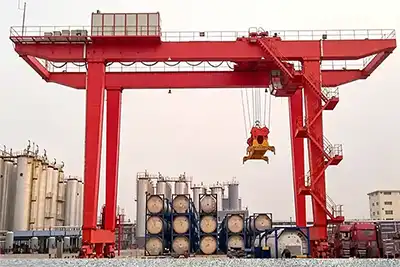
Gantry Crane Centralized Power Supply Installation Guide
Most Important Takeaway
A properly installed centralized power supply ensures smooth, reliable, and safe gantry crane operation, reduces cable wear, and simplifies maintenance, especially for large-capacity or outdoor cranes.
- How to determine when a centralized power supply is needed for your crane.
- How to plan and route cables to prevent friction, wear, and electrical issues.
- Step-by-step assembly and installation of cable reels, guides, and central feed.
- How to properly adjust tension, damping, and retraction for smooth operation.
- Best practices for testing, troubleshooting, and long-term maintenance.
- Safety measures for assembly, commissioning, and daily crane operation.
Introduction
Centralized power supply is a system that delivers electricity from a single source to the entire gantry crane, including the hoist, trolley, and auxiliary systems. Instead of having separate power lines for different parts, a centralized setup uses a main feed with a cable reel or protective guide tube to distribute power as the crane moves along its runway.
This approach keeps the electrical supply stable and ensures that the crane operates without interruptions. It also makes it easier to monitor and maintain the system, especially when dealing with large cranes that travel long distances or handle heavy loads.
Using a centralized power supply can save time, reduce maintenance headaches, and make crane operation more predictable. Some of the main practical benefits include:
- Stable Power Delivery: The crane receives consistent voltage across its entire travel range, reducing the risk of motor stalls or electrical trips.
- Reduced Cable Wear: Cable reels and protective guides prevent twisting, friction, and unnecessary strain, extending the life of your cables.
- Simplified Maintenance: With a single power feed, troubleshooting becomes faster, and fewer connection points mean fewer potential failures.
- Smooth Operation: Properly tensioned cables and damping mechanisms allow for smooth hoist and trolley movement, which is especially important for precise load placement.
- Safety Improvement: Fewer loose cables and proper routing reduce trip hazards and prevent accidental cable damage during operation.
Centralized power supply isn't just a fancy addition—it's a practical solution in many real industrial settings. You'll find it most useful in:
- Shipbuilding Yards: Cranes handling large ship sections or engines often cover long distances and carry very heavy loads. A centralized system keeps power consistent throughout these moves.
- Steel Mills: Overhead cranes moving coils, slabs, or plates require reliable and smooth power for both lifting and precise placement.
- Container Yards and Ports: Gantry cranes that travel outdoors or over uneven surfaces benefit from reduced cable wear and simplified maintenance.
- Outdoor Gantry Operations: Any crane operating on soil, concrete, or mixed terrain can use centralized power to protect the cable from environmental wear and keep operation smooth.
In short, centralized power supply is about making your crane more reliable, easier to maintain, and smoother to operate. It's not just an upgrade; for larger cranes and long-travel operations, it's a practical necessity.
Centralized Power Supply
A centralized power supply is a system where one main electrical source provides power to the entire gantry crane, including the hoist, trolley, and auxiliary equipment. Instead of having multiple independent connections, all electrical needs are fed from this single point, often through a cable reel or protective guide tube that moves with the crane.
This setup ensures that no matter where the crane travels along the runway, it receives stable power. For large or outdoor cranes, this makes a big difference—sudden voltage drops or interruptions are minimized, which keeps operations safe and smooth.
It's important to understand how centralized power differs from distributed systems:
Centralized System:
- One main power source feeds the whole crane.
- Uses cable reels, festoon systems, or protective tubes to deliver electricity along the travel path.
- Easier to monitor, maintain, and troubleshoot.
Distributed System:
- Multiple independent power feeds for different crane components.
- More complex wiring and connection points.
- Higher risk of electrical interruptions, especially on long-span cranes.
In short, centralized power is preferred for long-travel, heavy-duty cranes, while distributed power can work for smaller, light-duty cranes with short spans.
A well-installed centralized power system relies on a few practical components:
- Cable Reels: Store and release the main power cable as the crane moves. Proper tensioning ensures smooth operation.
- Protective Tubes or Guides: Shield the cable from abrasion, moisture, and friction, especially on outdoor or harsh terrain.
- Main Power Feed: The single electrical source supplying the crane. It's usually connected to transformers, breakers, or control panels.
- Tensioning Devices: Keep the cable taut and aligned, preventing jerks or uneven winding during crane movement.
Each component works together to ensure reliable and smooth operation, minimizing downtime and maintenance.
Implementing a centralized power supply has several real-world benefits for buyers and operators:
- Smooth Electrical Connectivity: The crane receives consistent voltage and current along the entire runway.
- Reduced Cable Friction: Proper guides and tensioning prevent wear, extending cable life.
- Simplified Maintenance: Fewer connection points mean fewer potential failures, faster troubleshooting, and easier inspections.
- Operational Reliability: Hoists, trolleys, and auxiliary equipment work consistently without unexpected stops or jerks.
A centralized system is not just about convenience—it's a practical way to ensure that your crane runs smoothly day after day, even under heavy loads or long travel distances.
When to Adopt a Centralized Power Supply
For cranes lifting heavy loads—typically 100 tons or more—a centralized power supply is almost essential. Heavy-duty hoists and trolleys draw significant electrical current, and multiple independent connections can cause voltage drops or uneven power distribution. A centralized system ensures the crane receives consistent power, which keeps lifting smooth and reduces stress on motors and cables.
Key points:
- Prevents sudden power drops during critical lifts.
- Reduces wear on motors and drive systems.
- Supports smooth and precise load handling.
Cranes that cover long runways or have wide spans are more likely to experience voltage fluctuations and cable wear with traditional distributed power setups. Centralized power with cable reels or guide tubes ensures consistent power along the entire travel path.
Key points:
- Stable operation along the full crane runway.
- Less frequent cable replacement due to reduced friction and twisting.
- Easier cable management for assembly and maintenance teams.
Cranes in environments like steel mills, shipyards, or ports often operate for long hours with repeated lifts. High-frequency operation increases the risk of cable fatigue and electrical interruptions. Centralized power systems provide steady energy to handle continuous movement, ensuring reliable performance throughout the day.
Key points:
- Reduces downtime caused by electrical interruptions.
- Maintains smooth hoist and trolley movement under repetitive use.
- Extends cable and component lifespan.
Outdoor cranes, especially those moving over uneven soil or hardened concrete, face physical stress on cables. Centralized power supply systems, combined with protective tubes and proper tensioning, protect cables from abrasion, moisture, and dirt. This is particularly important for cranes operating in ports, construction yards, or shipbuilding facilities.
Key points:
- Cable protection from environmental wear.
- Reduced maintenance and fewer replacements.
- Smooth operation even in rough terrain.
Cranes equipped with automation, semi-automation, or remote control rely on stable and uninterrupted power. Centralized systems make integration easier with control systems, sensors, and communication devices, providing consistent energy for all components.
Key points:
- Stable power for sensors, control panels, and communication lines.
- Supports precise automated movements.
- Simplifies troubleshooting and monitoring for operators.
Centralized power supply is most practical for cranes that are large, travel long distances, operate frequently, work outdoors, or use automation. It isn't necessary for small, short-span cranes with light loads, but for heavy-duty operations, it ensures reliability, reduces maintenance, and keeps crane operation smooth.
Pre-Installation Planning
Before installing a centralized power supply, it's critical to evaluate the site where the crane will operate. The runway, crane span, and environmental conditions all impact how the system is designed and installed.
Key points to consider:
- Runway Length and Alignment: Ensure the runway is straight, level, and free from obstacles. Long or curved runways may require additional cable guides or supports.
- Crane Span and Load Path: Understand the maximum reach of the crane and where the hoist and trolley will travel. This helps in sizing cable reels and protective tubes.
- Environmental Conditions: Outdoor cranes may face rain, dust, temperature fluctuations, or uneven soil. These factors affect cable protection and tensioning strategies.
Accurate power calculation is essential to ensure smooth operation. The centralized supply must handle the total load of all crane components, including hoists, trolleys, lights, and control systems.
Practical tips:
- Calculate voltage and current requirements based on full-load operation.
- Include redundancy in the design to prevent interruptions during heavy-duty cycles.
- Factor in potential future upgrades or additional equipment.
Proper cable routing is critical to protect the cable and ensure smooth operation. Planning the path ahead of installation saves time and reduces issues later.
Considerations for routing:
- Use protective tubes or guides to shield the cable from abrasion, dirt, or moisture.
- Avoid sharp bends or twists in the cable path.
- Ensure cable reels or tensioning devices are correctly positioned to maintain consistent retraction and winding.
Safety cannot be an afterthought. Proper grounding, isolation, and emergency systems must be part of the pre-installation plan.
Key safety measures:
- Ground the crane and all electrical components to prevent shocks or short circuits.
- Include isolation switches for maintenance and emergency stops for operational safety.
- Plan clear access paths for assembly and maintenance teams.
Having the right tools and a skilled team makes the installation faster and safer.
Essential items for the team:
- Electrical tools: voltage testers, multimeters, wiring tools
- Mechanical tools: wrenches, alignment tools, tension gauges
- Safety gear: gloves, helmets, harnesses
- Personnel: qualified electricians, crane assembly technicians, and safety supervisors
Tip: Prepare a checklist and verify all equipment before starting installation. This reduces delays and prevents rework.
Component Assembly and Installation
The first step in assembling a centralized power supply is installing the cable reels or festoon system. Proper mounting and alignment are essential for smooth cable movement and long-term reliability.
Practical steps:
- Ensure the mounting frame is level and securely fixed to the crane structure.
- Align the cable reel so the cable winds evenly without twisting or tangling.
- Verify that the reel can rotate freely under both no-load and full-load conditions.
- Check that any festoon rollers are properly spaced to prevent sagging or excessive tension.
Protective tubes and guides are critical for preventing cable abrasion, reducing friction, and shielding the cable from environmental hazards.
Installation tips:
- Route the cable through the tube without sharp bends or kinks.
- Secure the tube or guide to prevent movement during crane travel.
- Ensure clearance around moving parts so the cable cannot be pinched or crushed.
- Use rollers or low-friction inserts where the cable changes direction to reduce wear.
Connecting the centralized power feed properly ensures stable and reliable electricity throughout the crane. Safety switches protect both the crane and personnel during operation and maintenance.
Key points:
- Connect the main power feed to the crane's distribution panel following local electrical codes.
- Install isolation switches for emergency shutdown and maintenance access.
- Label all power lines clearly for easy identification during inspections or troubleshooting.
- Test the connection under low load before full operational testing.
Before running the crane, perform a thorough inspection to confirm both electrical and mechanical readiness. This step prevents unexpected downtime and reduces cable or component damage.
Inspection checklist:
- Test electrical continuity along the entire cable path.
- Verify voltage levels at the hoist and trolley under no-load conditions.
- Check mechanical alignment of reels, rollers, and guides.
- Ensure tensioning devices are correctly adjusted and functional.
- Look for any signs of pinching, abrasion, or interference along the cable path.
Cable Winding, Tensioning, and Testing
Once the cable reels and guides are installed, adjusting tension, damping, and retraction force is critical. If these settings are off, the cable can twist, jerk, or wear out prematurely.
Practical steps:
- Tension: Set the cable tight enough to prevent sagging but not so tight that it stresses the reel or connectors.
- Damping: Adjust damping mechanisms to smooth out cable acceleration and deceleration during crane movement.
- Retraction Force: Ensure the cable rewinds consistently without jerking or slipping. Proper adjustment reduces wear on both the cable and reel.
A careful balance here keeps operations smooth and extends the life of the entire system.
After adjustments, test the system to verify correct operation before full-load lifting:
Step-by-step testing:
- Short-Distance, No-Load Test: Move the crane along a small section of the runway to check for smooth cable travel and proper reel operation.
- Full-Span Operational Test: Run the crane along the full runway with no load first, then with a test load. Observe cable behavior for stretching, twisting, or snagging.
- Monitor the hoist, trolley, and auxiliary components for any irregular movement or unusual noise.
Even after careful installation, minor problems can occur. Knowing what to look for helps fix issues before they become serious:
Common problems and solutions:
- Jerks or sudden pulls: Usually caused by improper tension or uneven damping. Adjust tension and damping to smooth motion.
- Uneven Winding: Check alignment of reels and rollers; ensure no twists in the cable path.
- Voltage Drop or Interruption: Inspect the main feed connection and test continuity along the cable. Ensure all joints are secure and breakers are correctly rated.
Maintaining smooth operation and prolonging cable life requires attention to detail:
- Inspect the cable path regularly for dirt, debris, or wear marks.
- Keep rollers and guide tubes clean and lubricated if recommended by the manufacturer.
- Train operators to accelerate and decelerate smoothly to avoid sudden tension spikes.
- Record test results and adjustments for future reference and preventive maintenance.
Proper winding, tensioning, and testing are what make a centralized power supply truly reliable. Doing it carefully ensures the crane operates smoothly from day one, reduces maintenance needs, and keeps cable life long.
Operational Tips for Buyers and Assembly Teams
Once your centralized power supply is installed, routine checks are key to preventing problems before they start. Inspecting cables, reels, and guides regularly helps identify wear or misalignment early.
Practical tips:
- Check cable tension weekly, especially after heavy loads or long travel operations.
- Inspect rollers, guides, and protective tubes for signs of abrasion or dirt buildup.
- Adjust damping and retraction force as needed to maintain smooth movement.
Even a perfectly installed system can wear prematurely if operators aren't trained properly. Smooth operation reduces stress on the cable and components.
Training recommendations:
- Teach operators to accelerate and decelerate gradually.
- Avoid sudden stops or rapid direction changes with loaded cranes.
- Encourage observation of unusual cable movement or noise during operation.
Outdoor or industrial environments can impact the centralized power system. Regularly monitor for:
Factors to watch:
- Dust and debris: Clean cable guides and reels to prevent wear.
- Moisture or rain: Inspect protective tubes and connections for corrosion.
- Temperature changes: Extreme heat or cold can affect cable flexibility and tension.
Always have spare components on hand for quick replacement. This minimizes downtime if a cable, roller, or guide needs repair.
Recommended spares:
- Extra length of main power cable.
- Replacement rollers or guide tubes.
- Spare tensioning or damping components.
Maintenance and Long-Term Reliability
A centralized power supply performs best when maintained regularly. Set inspection intervals based on usage and environmental conditions:
Typical schedule:
- Weekly: Quick visual check of cables, rollers, and guides.
- Monthly: Tension adjustment, cleaning of protective tubes, check for cable wear.
- Yearly: Full system inspection, electrical continuity test, and mechanical alignment review.
Lubricating moving parts reduces friction and extends component life. Use manufacturer-recommended lubricants and avoid over-application, which can attract dust.
- Electrical Connections and Insulation: Check that all connections are tight, clean, and corrosion-free. Inspect cable insulation for cracks or abrasion to prevent shorts or interruptions.
- Updating Tension and Damping After Heavy Use: After periods of intensive operation or moving particularly heavy loads, recheck cable tension, damping, and retraction force. Over time, these settings can drift and affect performance.
- Record-Keeping for Service and Replacements: Maintain a log of inspections, adjustments, and component replacements. This helps track wear patterns and plan preventive maintenance.
Always isolate the main power source before performing any work on the system. Use proper lockout/tagout procedures to prevent accidental startup.
Ensure the crane and all electrical components are properly grounded. Surge protection prevents damage from voltage spikes, especially in outdoor environments.
Install emergency stop buttons accessible from multiple points along the crane runway. Fail-safe systems can prevent uncontrolled movement if the power supply or control system fails.
Cables, reels, rollers, and guides should be covered or shielded to prevent injury, accidental snagging, or environmental damage.
Conclusion
Centralized power supply is a practical solution for gantry cranes, especially those that are large, cover long spans, or operate under heavy-duty conditions. It ensures stable power, smooth movement, and reduces wear on cables and components.
Key Takeaways for Buyers and Operators
- Plan Before You Install: Evaluate crane capacity, travel distance, operational frequency, and environmental conditions before deciding on centralized power.
- Proper Installation Matters: Correct assembly, alignment, and tensioning of reels, cables, and guides guarantee smooth and safe operation.
- Maintenance Ensures Reliability: Regular inspections, tension adjustments, and preventive maintenance extend cable life and system performance.
- Work With Experienced Teams: Partnering with skilled suppliers and assembly professionals minimizes errors, reduces downtime, and maximizes long-term reliability.
In short, adopting a centralized power supply is not just about convenience—it’s a practical necessity for cranes that need reliable, efficient, and safe operation. Careful planning, proper installation, and ongoing maintenance make a noticeable difference in both performance and longevity.