Gantry Crane Customizations: Features That Affect Price & Uses
Gantry Crane Customization & Add-On Features: How Choices Impact Your Investment
Learn how gantry crane customizations & add-ons influence cost, safety & efficiency, helping buyers choose the right configuration.Get your gantry crane!
Introduction
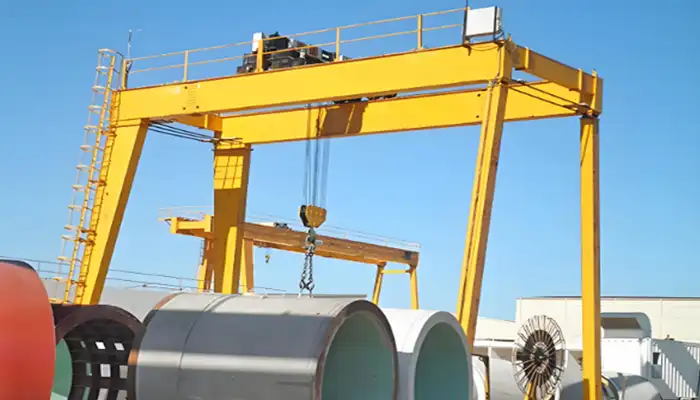
Gantry cranes are among the most flexible and widely used lifting solutions in industries today. From steel mills and shipyards to warehouses and construction sites, they handle heavy loads that would be impossible to move manually. Their basic design—an overhead beam supported by legs on either side—may look simple, but the way they are built and equipped can vary a lot depending on the work they need to do.
When buying a gantry crane, it’s not just about picking a model off the shelf. Understanding customization options and add-on features is key to making the right choice. A crane that’s just slightly modified for your specific work environment can save time, reduce accidents, and make operations smoother. On the other hand, choosing features you don’t need can unnecessarily raise costs.
Customizations and additional features don’t just add to the price—they directly affect how well the crane performs, how safe it is to operate, and how long it will last. Some features might improve efficiency or extend the crane’s lifespan, while others are necessary for certain environments, like outdoor use or areas with heavy dust or moisture. Knowing what each option does, and whether you really need it, helps you make a smarter investment.
Key Points to Keep in Mind:
- Gantry cranes are versatile tools used in various industries for heavy lifting and material handling.
- Customization and add-on features should match your specific operational needs.
- Every added feature has a cost and an impact on performance, safety, and maintenance.
- Understanding these options upfront helps avoid overspending or buying a crane that doesn’t fit your needs.
Main parameters that are needed to cusotmize your gantry crane
Core Gantry Crane Specifications
Before thinking about customizations or extra features, it’s important to understand the basic specs of a gantry crane. These core details determine how well it works, how safe it is, and what it will cost.
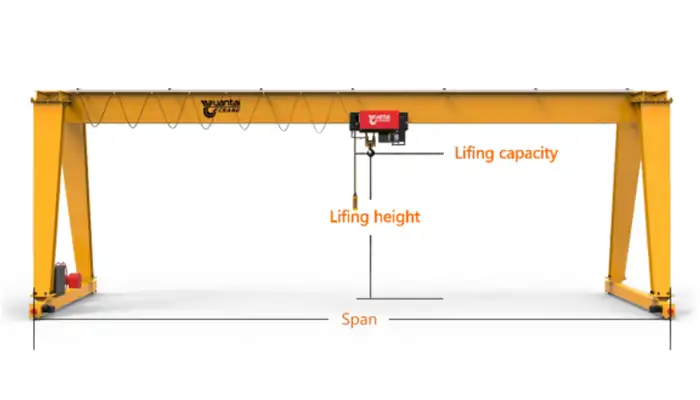
Standard Parameters: Each gantry crane has a few key measurements that define its capabilities. Understanding these helps you pick a crane that fits your workspace and workload.
- Lifting Capacity: This is the maximum weight the crane can safely lift. For most workshops or yards, capacities range from 1 ton up to 50 tons. Make sure to know the heaviest load you’ll handle—and think ahead for possible future needs—so you don’t end up overloading your crane.
- Span: This is the distance between the crane’s legs, basically how wide it can reach. A wider span lets you handle bigger loads or move materials across a larger workspace. Keep in mind, though, a wider span usually costs more and takes up more space.
- Lifting Height: How high the crane can lift a load matters. Check your facility’s ceiling height and the tallest items you’ll move. You don’t want your crane hitting overhead beams or ceilings.
- Power Type: Gantry cranes can be manual, electric, or semi-electric. Electric cranes are common in industrial settings—they’re faster and save a lot of operator effort. Manual cranes are cheaper, but they need more hands-on work.
Base Cost Considerations: The cost of a gantry crane starts with its basic design and specs. Even without add-ons, certain factors have a direct impact on the price.
- Standard models without add-ons are priced mainly based on capacity, span, and lifting height.
- Material quality, welding, and basic structural design also affect the price.
- Even small increases in capacity or span can raise costs noticeably because of stronger steel, bigger motors, and extra safety measures.
Why Matching Specs to Your Needs Matters: Choosing the right specs upfront can save a lot of money and headaches later. Oversizing or undersizing a crane affects both cost and performance.
- Don’t go overboard with specs you don’t need—it just adds cost.
- On the other hand, undersized cranes can slow work, risk overloads, and end up costing more in the long run.
- Knowing your current and near-future lifting needs helps you choose the right crane and gives a clearer picture of which add-ons are actually worth it.
Key Takeaways:
- The core specs—capacity, span, lifting height, and power—form the foundation of crane performance and safety.
- Base price comes from these specs and the quality of materials and structure.
- Match specs to your real needs first, then think about add-ons to get the best balance of cost and functionality.
Common Customization Options
Every workshop or yard has its own unique needs, which is why gantry cranes often require some level of customization. Even small modifications can improve efficiency, safety, and ease of use. Below are the main types of customization options buyers typically consider.
Structural Modifications: The crane’s structure determines how much it can lift and how it fits into your workspace. Adjusting structural elements can make a standard crane much more suitable for your specific operations.
- Span or Lifting Height: Customized the crane span and lifting height based on your required specifications. This is especially useful in warehouses with high ceilings or outdoor yards where load sizes vary.
- Increased Load Capacity: If your operations involve heavier materials than a standard crane can handle, upgrading the load capacity ensures safety and prevents frequent overloads.
- Special Materials (e.g., Corrosion-Resistant Coatings): For outdoor cranes or environments with moisture, chemicals, or salt air, using corrosion-resistant steel or coatings can greatly extend the crane’s lifespan and reduce maintenance costs.
Mobility & Installation Features: How a crane moves and is installed can affect workflow and space utilization. Customizing mobility options can make handling loads faster and safer.
- Wheels, Tracks, or Portable Designs: Adding wheels or tracks allows the crane to move along a yard or workspace. Portable designs can be moved between sites if needed.
- Adjustable Legs or Height: Adjustable legs let the crane fit under overhead obstacles or adapt to uneven ground. It also provides flexibility if your operational needs change over time.
- Foundation or Runway Requirements: Some cranes require reinforced foundations or custom runways, depending on weight, span, or ground conditions. Planning for these in advance avoids costly surprises during installation.
Operational Enhancements: Beyond structure and mobility, operational improvements can make the crane easier to use, safer, and more efficient.
- Variable Speed Drives: Allow operators to lift and move loads at different speeds, improving precision and reducing wear on equipment.
- Remote or Wireless Control: Enhances safety by letting operators control the crane from a distance, especially in hazardous or high-traffic areas.
- Automation Integration: For high-volume or repetitive operations, adding partial or full automation can reduce labor needs and ensure consistent performance.
Add-On Features and Accessories
Beyond core specs and structural customizations, many gantry cranes can be equipped with add-ons that improve safety, handling efficiency, and adaptability to different environments. These features can make a big difference in day-to-day operations, even if they add to the upfront cost.
Safety should always come first. Adding the right safety systems protects both operators and equipment, and can help meet workplace regulations.
- Anti-Collision Systems: Prevent the crane from hitting obstacles or other cranes operating nearby, reducing the risk of accidents and damage.
- Overload Protection: Stops the crane from lifting more than its rated capacity, preventing mechanical failure and ensuring safe operation.
- Emergency Stops: Allow operators to immediately halt crane movement in case of an unexpected hazard or malfunction.
Different types of loads require specialized handling attachments. These tools make lifting, moving, and placing materials faster and more precise.
- Magnetic Lifters: Ideal for handling steel plates, sheets, or billets without slings, reducing labor and handling time.
- Clamps, Hooks, Grabs: Each type is designed for specific materials—like coils, pipes, or loose bulk items—to improve safety and efficiency.
If your crane operates in harsh conditions, these adaptations protect the equipment and ensure reliable performance.
- Weatherproofing: Shields electrical and mechanical components from rain, dust, and sun exposure for outdoor cranes.
- Explosion-Proof Components: Necessary in environments with flammable gases or dust to prevent sparks and accidents.
- Temperature Tolerance: Modifications that allow operation in extreme heat or cold without damaging motors, wires, or controls.
Modern cranes can include systems that track usage and detect potential issues early. This helps prevent downtime and keeps maintenance costs under control.
- Load Sensors: Monitor weight in real time to avoid overloading and improve operational safety.
- Usage Data Tracking: Records operational patterns, helping managers plan maintenance and optimize workflows.
- Predictive Maintenance Systems: Alert operators before parts fail, reducing unexpected breakdowns and extending crane life.
How Customization and Add-Ons Affect Pricing
Customizations and add-on features can significantly change the price of a gantry crane. It’s not just the purchase cost that matters—how the crane is built, installed, and maintained also impacts long-term expenses. Understanding these factors helps you make smarter decisions and get the best value.
Adding features or making structural changes usually increases the initial purchase price.
- Materials, Labor, and Technology Requirements: Larger spans, higher capacities, or corrosion-resistant materials require more steel and stronger motors. Advanced technology, like remote controls or automation systems, adds both equipment and labor costs.
Some choices affect costs beyond the crane itself. These are easy to overlook but can add up over time.
- Installation Complexity: Custom foundations, runway adjustments, or unique mobility setups require more time and specialized labor.
- Maintenance: Additional systems, such as sensors or automation, may need more frequent checks or specialized technicians.
- Energy Efficiency: Heavier loads or faster motors can increase power consumption, so efficiency should be factored into operating costs.
It helps to see how these choices influence pricing in practice.
- A standard 10-ton gantry crane with basic features might cost $18,000–$22,000.
- Adding extra span, a remote control system, weatherproofing, and overload protection could easily push the price to $28,000–$32,000.
- Even smaller add-ons, like specialized hooks or clamps, can add a few thousand dollars depending on material and complexity.
- Prioritize features that address safety and operational efficiency first.
- Avoid paying for options that won’t be used regularly—these add upfront cost without real value.
- Work closely with manufacturers to get a clear picture of what each option costs and how it impacts installation, maintenance, and long-term performance.
Practical Recommendations for Buyers
Choosing the right gantry crane involves more than picking the fanciest options. Making informed decisions ensures you get a crane that meets your needs without overspending.
Prioritize Essential Customizations:
- Focus first on modifications and features that directly improve safety and operational efficiency.
- Not every add-on is necessary. Identify the features that solve real problems in your workflow, like overload protection, proper span, or weatherproofing for outdoor use.
Consider Long-Term ROI vs. Initial Investment:
- Sometimes spending a bit more upfront saves money and downtime later.
- Think about how customizations affect maintenance, energy use, and crane lifespan. A higher initial investment in reliable, efficient components can pay off over several years.
Work with Experienced Manufacturers:
- Partnering with a manufacturer who understands your industry and crane requirements can make a big difference.
- Experienced suppliers can recommend practical configurations, provide accurate quotes, and suggest add-ons that truly match your operational needs.
- They can also guide you on installation, maintenance, and future upgrades, preventing costly mistakes.
Conclusion
Customizations and add-on features play a big role in determining both the price and performance of a gantry crane. A crane with the right features will operate safely, handle loads efficiently, and last longer, while unnecessary options can inflate costs without adding value.
The key takeaway for buyers is to make decisions based on actual operational needs. By understanding core specs, evaluating optional features carefully, and working with knowledgeable manufacturers, you can select a gantry crane that fits your current workflow and allows room for future growth.