Hot vs Cold Steel Handling Overhead Crane 5 Ton to 50 Ton for Indoor Facilities
Hot vs Cold Steel Handling Crane for Indoor Facilities
Most Important Takeaway
Selecting the right overhead crane for hot and cold steel is critical for safety, efficiency, and equipment longevity. Hot steel requires heat-resistant cranes with reinforced components, while cold steel lifts need attention to load stability and surface conditions. The right crane type and capacity tailored to the facility’s workflow can prevent accidents, reduce downtime, and maximize productivity across industries such as steel mills, machinery plants, and metal fabrication workshops.
Key Takeaways (Bullets Format)
- Hot steel handling: Typically uses top-running double girder bridge cranes or indoor gantry cranes, capacities 15–50 tons, ideal for slabs, billets, or hot-rolled coils.
- Cold steel handling: Often handled with single or double girder bridge cranes, light-duty gantry cranes, capacities 5–30 tons, suited for cold plates, coils, or finished steel products.
- Industrial applications: Steel mills, metal rolling workshops, forging facilities, and machinery production plants benefit from temperature-specific crane designs.
- Operator safety: Heat shields, insulated cabins, and remote controls reduce risk for hot steel lifts; proper clamps and mechanical grabs improve cold steel handling.
- Maintenance focus: Hot steel cranes require heat-related inspections, while cold steel cranes emphasize corrosion prevention, lubrication, and surface checks.
Questions solved here:
- “Which crane types are suitable for indoor hot steel handling?”
- “What capacities are needed for slabs, coils, or billets?”
- “How do crane designs differ by steel temperature and industrial environment?”
Indoor Steel Handling: Selecting the Right Crane
Indoor steel handling is more complex than it looks. Temperature, load type, and lifting frequency all affect crane selection and operation. Hot steel straight from rolling mills can reach 900–1250°C. Cold steel, while safer to touch, can be heavy, brittle, or slick, making handling tricky.
Using the right crane type and capacity is crucial for two main reasons: operator safety and equipment longevity. The wrong crane can wear out quickly, cause production delays, or, worse, lead to accidents. On the other hand, the right crane streamlines workflow and keeps your team safe.
- 5–15 tons: Often used for small coils, sheets, or plates in workshops and finishing areas.
- 15–30 tons: Common for medium-size hot slabs, billets, or standard cold steel coils.
- 30–50 tons: Used in larger mills for bundled slabs, heavy billets, or hot-rolled coils.
- Load type: Hot slabs, billets, or coils each require different handling techniques and gripping devices.
- Frequency of use: Cranes operating continuously need more robust components and scheduled maintenance.
- Facility layout: Ceiling height, aisle width, and storage configuration determine crane type and span.
- Operator safety: Heat shields, insulated cabins, or remote controls may be necessary for hot steel lifts.
- Maintenance planning: Heat exposure shortens component life; cold steel handling requires corrosion control and lubrication monitoring.
In essence, choosing a crane isn't just about lifting capacity. It's about matching the right type, capacity, and features to your steel, workflow, and indoor facility conditions. Making informed decisions now prevents costly downtime and ensures safe operations for your team.
Steel Temperatures and Crane Selection
Steel temperature plays a critical role in selecting the right crane and lifting devices. Handling hot steel is very different from handling cold steel, and using the wrong equipment can lead to accidents, component damage, or production delays. Understanding these differences helps buyers make informed decisions for indoor steel facilities.
Hot steel is typically in the range of 900–1250°C. You'll encounter it in slabs, billets, or hot-rolled coils directly from rolling or casting processes. Lifting hot steel introduces unique challenges:
- Thermal stress: Heat can weaken crane components over time if they aren't designed for high temperatures.
- Radiant heat: Operators and nearby equipment can be affected, requiring shields, insulated cabins, or remote operation.
- Special lifting devices: Spreaders, magnetic lifters, and heat-resistant hooks are often necessary to safely handle hot loads.
Hot steel operations are common in steel mills, forging workshops, and hot rolling lines. The cranes used are typically top-running double girder bridge cranes or overhead gantry cranes with capacities between 15–50 tons, depending on load size and frequency.
Cold steel is at or near ambient temperature. It usually includes finished products like plates, coils, or structural components. While it's safer to handle than hot steel, it has its own considerations:
- Surface conditions: Moisture, oil, or frost can make the load slippery.
- Brittleness: Some steel products can crack or deform if gripped improperly.
- Hoist and clamp choice: Mechanical grabs, slings, or standard magnetic lifters are often used, but they must match the product shape and weight.
Cold steel handling is common in storage warehouses, fabrication shops, and machining facilities. Cranes used here are typically single or double girder bridge cranes, or light-duty gantry cranes with capacities of 5–30 tons, tailored to the product size.
When choosing a crane, consider how temperature affects:
- Lifting devices: Hooks, trolleys, slings, and magnetic lifters must match the steel type and temperature.
- Hoist type: Wire rope or chain hoists may perform differently under heat or cold conditions.
- Operator safety: Hot steel requires shields, cabins, or remote controls; cold steel handling focuses on stability and slip prevention.
- Maintenance requirements: Hot steel shortens component life; cold steel demands corrosion protection and lubrication checks.
In short, the steel temperature isn't just a number—it determines the type of crane, lifting devices, and safety measures needed for efficient and safe indoor operations. Getting it right reduces downtime, protects operators, and ensures long-term crane reliability.
Equipment Design for Hot Steel
Handling hot steel safely indoors isn't just about lifting heavy loads—it's about managing extreme heat, ensuring operator safety, and protecting crane components. Selecting the right crane type and capacity is critical for efficiency and long-term reliability.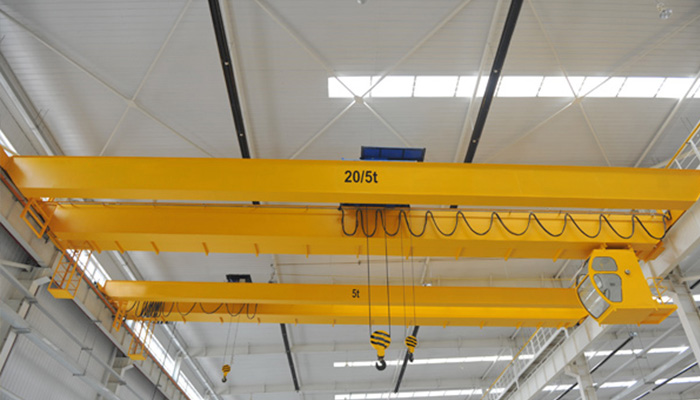
Different hot steel operations require cranes designed for specific lifting challenges. Choosing the right type depends on the workflow, span, and temperature exposure:
- Top-running double girder bridge cranes – Ideal for slab lines and billet handling. These cranes handle heavy, continuous lifts and long travel distances with stability.
- Indoor gantry cranes – Perfect for hot rolling workshops where steel coils or sheets need flexible, shorter-span movement.
- Overhead slab cranes – Used in casting bays for molten steel, designed to resist radiant heat and maintain precision during heavy lifts.
When dealing with hot steel, lifting capacity is not just a number—it must account for the steel's weight plus safety margins:
- Most hot steel cranes range from 15–50 tons, covering standard slabs and coils.
- For bundled slabs or heavier billets, cranes may require capacities above 50 tons to ensure safe handling without overloading.
Hot steel cranes are widely used in industries where high-temperature operations are routine. Understanding your sector helps select the correct crane configuration:
- Steel mills – For moving slabs, billets, and coils along production lines.
- Foundries – Handling molten or semi-solid metal in casting areas.
- Hot rolling plants – Moving red-hot steel through rolling lines.
- Forging workshops – Lifting billets or slabs into presses and furnaces.
Cranes for hot steel need components that can endure heat while maintaining safe operation. These features are essential to minimize downtime and prevent accidents:
- Heat-resistant hooks, trolleys, and wire ropes
- Protective coatings on girders and end trucks
- Thermal shields to protect sensitive mechanical and electrical components
- Reinforced bridge girders to reduce deformation under heavy, hot loads
Hot steel cranes are designed to handle critical steps in the production process safely and efficiently. Their applications include:
- Lifting red-hot slabs from casting machines to cooling beds
- Moving billets from furnaces to rolling or forging lines
- Transferring hot coils to processing or storage lines
These cranes are not just for moving steel—they ensure precision, reduce accidents, and support continuous production in high-temperature environments.
Equipment Design for Cold Steel
Handling cold steel indoors may seem easier than hot steel, but it still requires careful crane selection. Cold steel products like plates, coils, or structural components can be heavy, slick, or brittle. The right crane ensures smooth handling, prevents material damage, and protects operators from potential accidents.
Cold steel operations typically use cranes designed for precision and flexibility rather than heat resistance. Choosing the right type depends on facility layout, product size, and lifting frequency:
- Single or double girder bridge cranes – Common in plate or coil warehouses. These cranes are strong, reliable, and efficient for repetitive lifting of heavy products.
- Light-duty indoor gantry cranes – Ideal for finishing, packing, or machining areas where space is limited and loads are lighter.
Cold steel lifting doesn't require heat-resistant components, but the cranes still need sufficient capacity for safe handling:
- Capacities generally range from 5–30 tons, depending on the size of coils, plates, or finished steel products.
- Selecting the correct capacity ensures smooth operation and reduces stress on the crane structure.
Cold steel cranes are widely used in industries where finished steel products need precise handling and storage:
- Sheet metal plants – Moving finished sheets or coils to processing or storage areas.
- Machinery manufacturing – Transporting steel components for assembly or machining.
- Fabrication shops – Handling structural steel, frames, or small components.
- Storage warehouses – Loading and unloading steel products for shipment or inventory management.
Cranes designed for cold steel focus on durability, precision, and ease of operation:
- Standard wire ropes for reliable lifting
- Mechanical grabs or clamps for stable handling of flat or coiled products
- Corrosion-resistant components to prevent rust or wear in indoor environments
- Smooth trolley and hoist operation for precise placement
Cold steel cranes are essential for moving, storing, and preparing steel products without damaging them:
- Loading cold steel plates onto machining centers
- Transporting coils to storage racks or processing lines
- Moving finished steel products for packaging or shipping
Using the right crane ensures that cold steel handling is efficient, safe, and damage-free, helping maintain workflow and protect both personnel and materials in the facility.
Operator Safety Measures
Operator safety is one of the most important factors when handling both hot and cold steel. The risks vary depending on the temperature and type of material being moved. For hot steel, heat exposure is a major concern, while cold steel presents hazards related to weight, stability, and surface conditions. Implementing proper safety measures protects personnel and ensures smooth, uninterrupted operations.
When handling steel at high temperatures, operators face risks from radiant heat, sparks, and accidental contact with molten or red-hot materials. Protecting the crane operator and surrounding staff is essential:
- Insulated cabins – Keep operators safe from extreme heat while maintaining visibility.
- Heat shields – Protect sensitive crane components and reduce the risk of burns or heat-related accidents.
- Remote operation – Allows operators to control lifts from a safe distance, especially when moving slabs, billets, or hot coils.
Even though cold steel is at ambient temperature, it can still cause accidents due to heavy loads or slippery surfaces. Proper handling techniques reduce the risk of material damage and operator injury:
- Mechanical stability – Ensure clamps, grabs, or slings are properly secured before lifting.
- Avoid slips and sudden movements – Smooth operation prevents steel from shifting or falling.
- Proper lifting alignment – Helps maintain load balance and reduces stress on crane components.
Regardless of steel temperature, standard operational protocols help maintain a safe work environment and prevent accidents:
- Clearance zones – Mark areas around cranes to keep personnel out of danger.
- Emergency stops – Easily accessible controls to halt crane operation in case of an unexpected event.
- Warning systems – Audible and visual alarms alert staff to crane movement or hot materials.
- Visibility lines – Ensure operators have clear sightlines or camera monitoring for precise and safe lifts.
Lifting Techniques for Hot and Cold Steel
Lifting steel safely and efficiently requires techniques that match the material type, crane capacity, and facility workflow. Hot steel and cold steel each have unique challenges, and using the wrong method can damage the material, overload the crane, or put operators at risk. Proper lifting techniques help maintain product quality, reduce downtime, and extend crane life.
When handling steel at high temperatures, controlling the load and minimizing heat-related risks is critical. Hot steel is heavy, rigid, and often handled in bundles or slabs:
- Spreader bars – Distribute the load evenly across the crane hook, reducing stress on both the crane and steel.
- Magnetic lifters – Allow for fast and safe handling of slabs or coils without direct contact, reducing heat exposure.
- Preheated gripping systems – Ensure clamps and grabs function properly at high temperatures without material slippage.
- Load balancing to prevent sway – Proper rigging and alignment prevent dangerous swinging that could damage the steel or crane components.
Hot steel lifting is common in casting lines, hot rolling mills, and forging workshops, where continuous operation demands precision and safety.
Cold steel may not have extreme heat, but it still requires careful handling to avoid surface damage, bending, or accidents. Cold steel products are often finished plates, coils, or structural components:
- Mechanical grabs – Securely hold steel plates or bundles during movement.
- Slings or clamps optimized for brittle materials – Prevent cracking or bending of finished steel.
- Controlled motion – Smooth, steady crane operation prevents sudden movements, reducing the risk of scratches or drops.
Cold steel lifting is typical in sheet metal plants, machining workshops, and storage warehouses, where precision and material integrity are key.
Maintenance and Inspection
Regular maintenance and thorough inspections are essential for keeping steel handling cranes safe and reliable. Hot and cold steel operations stress crane components differently, so maintenance routines must be tailored to the type of material being lifted. A proactive approach not only prevents downtime but also extends the life of expensive crane equipment.
Cranes handling hot steel are exposed to extreme temperatures, which can accelerate wear on mechanical and structural components. Frequent inspections help catch problems before they become serious:
- Hooks, trolleys, and wire ropes – Check for heat-related deformation, cracks, or weakening.
- Bridge girders and end trucks – Inspect for warping or signs of thermal stress.
- Cables and hoists – Ensure insulation and sheaves are not damaged by high temperatures.
Hot steel operations often require inspection cycles more frequent than standard protocols, especially for cranes in continuous production environments.
Cold steel doesn't introduce heat stress, but repetitive lifting, heavy loads, and environmental factors can cause wear over time:
- Lubrication – Keep hoists, trolleys, and bridges well-lubricated for smooth operation.
- Corrosion prevention – Indoor or warehouse conditions may still cause rust, especially on lightly coated steel surfaces.
- Wear monitoring – Repetitive lifting of coils, plates, or bundles can wear ropes, hooks, and bearings.
Routine maintenance ensures that cold steel cranes remain precise and reliable without compromising safety or production efficiency.
Modern steel handling operations benefit from predictive maintenance, which allows buyers to anticipate problems before failures occur:
- Temperature monitoring – Track heat exposure on hooks, wire ropes, and crane structures for hot steel cranes.
- Load monitoring – Ensure the crane is not repeatedly exceeding its rated capacity, which can cause premature wear.
- Scheduled interventions – Use data to plan inspections, part replacements, or preventive adjustments to minimize downtime.
By combining routine inspections with predictive maintenance, steel handling facilities can keep cranes operating safely, extend equipment lifespan, and avoid costly production interruptions.
Operational Efficiency Tips
Efficiency in steel handling isn't just about speed—it's about moving materials safely, reducing crane wear, and keeping production flowing. Both hot and cold steel operations have unique challenges that require tailored strategies. Proper workflow planning, equipment selection, and monitoring can help buyers maximize productivity and minimize downtime.
Handling hot steel requires a balance between speed and safety. Operators must account for high temperatures, heavy loads, and continuous production lines:
- Continuous workflow – Keep cranes moving smoothly along designated paths to prevent bottlenecks.
- Minimize crane idle time – Idle cranes exposed to heat can experience accelerated wear and unnecessary energy consumption.
- Safe paths around heat sources – Plan crane travel lanes to avoid furnaces, molten steel areas, or other high-temperature equipment.
These steps help steel mills and hot rolling plants maintain efficiency while protecting both operators and crane components.
Cold steel handling focuses on precision and load management. Even at ambient temperature, steel can be heavy and unwieldy:
- Optimize crane cycles – Plan lifts and transport paths to reduce unnecessary movements and increase throughput.
- Avoid overloading – Ensure cranes are operated within rated capacities to maintain safety and reduce mechanical stress.
- Monitor speed for smooth movement – Prevent sudden jerks or stops that could damage the steel or the crane.
Cold steel workflows benefit from careful planning in sheet metal plants, machining shops, and storage warehouses to maintain efficiency and product quality.
Modern crane systems can integrate sensors and automated tools to further improve reliability and efficiency:
- Load sensors – Track weight in real time to prevent overloads and optimize crane usage.
- Temperature gauges – For hot steel cranes, monitor component heat exposure to avoid overheating.
- Automated alerts – Warn operators of irregular movement, potential collisions, or excessive loads.
Implementing these practices allows buyers to maintain consistent production, extend crane life, and reduce safety risks, whether handling hot or cold steel.
FAQ / Buyer Considerations
When selecting cranes for indoor steel handling, buyers often have practical questions about safety, capacity, and workflow. Understanding the answers can help avoid mistakes, reduce downtime, and ensure smooth operations.
For hot steel, the crane must handle extreme temperatures and heavy loads safely. Typically:
- Top-running double girder bridge cranes – Ideal for slab lines and billet handling with long travel distances.
- Indoor gantry cranes – Flexible for hot rolling workshops with shorter spans.
- Overhead slab cranes – Used in casting bays for molten or red-hot slabs.
Choosing the right type depends on the temperature exposure, load weight, and layout of the facility.
The crane's rated capacity should match the steel load plus a safety margin:
- Slabs or standard billets: 15–50 tons, depending on size and frequency of lifts.
- Bundled slabs or large coils: May require cranes rated above 50 tons.
- Cold steel sheets or coils: Usually 5–30 tons.
Proper capacity selection reduces wear, prevents overloading, and ensures smooth operation.
While it's technically possible, separating hot and cold steel handling is usually safer and more efficient:
- Hot steel cranes require heat-resistant components, thermal shields, and sometimes remote operation.
- Cold steel cranes focus on precision, stability, and corrosion resistance.
- Combining both can increase maintenance complexity and reduce equipment lifespan.
Heat exposure accelerates wear, so inspection and replacement schedules are critical:
- Hooks, trolleys, and wire ropes – Inspect daily or weekly depending on usage.
- Bridge girders and end trucks – Check for warping or stress regularly, replace if deformations appear.
- Predictive maintenance tools – Use temperature sensors to schedule replacements before failure occurs.
Proper planning prevents unexpected downtime and keeps operations safe.
Indoor facility design strongly affects crane selection:
- Aisle width and ceiling height – Determine crane span, trolley type, and lifting height.
- Storage configuration – Influences crane positioning and travel paths.
- Workflow flow – Efficient crane placement reduces idle time and ensures smooth material movement.
Considering layout during planning avoids costly redesigns and improves operational efficiency.
Conclusion
Choosing the right overhead crane for indoor steel handling isn’t just about lifting capacity—it’s about matching the crane to the material, workflow, and environment. Hot steel and cold steel have very different handling requirements, and the correct crane type ensures safety, reliability, and smooth operations.
By considering crane type, capacity, lifting devices, and temperature-specific features, buyers can:
- Improve workflow efficiency and reduce idle time
- Minimize material damage during handling
- Extend the lifespan of crane components
- Protect operators from heat or mechanical hazards
- Reduce maintenance costs through proper inspections and predictive care
Investing in cranes designed for hot steel, cold steel, or both is a strategic decision for steel mills, fabrication shops, and machinery manufacturing facilities. Making informed choices today keeps your operations safe, productive, and ready to meet future demands.