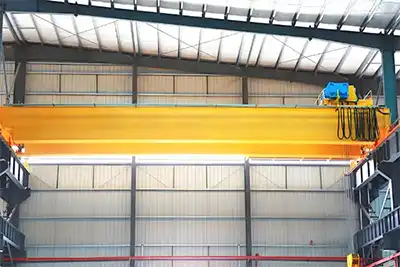
Installation Challenges of Large Capacity Overhead Cranes for Managers
Installation Challenges of Large Capacity Overhead Cranes for Managers
Checkkey installation challenges of large capacity overhead cranes. 120 ton overhead crane installation video . A practical guide for project managers on safety, alignment, structural support, and planning.
Introduction
A large capacity overhead crane is a major investment for any industrial facility. These cranes are commonly used in steel mills, heavy machinery workshops, shipyards, and large-scale manufacturing plants, where lifting and moving extremely heavy materials is a daily task. Because of their size and weight, the installation of such cranes cannot be taken lightly.
Proper installation is critical for safety, performance, and longevity. Even a minor mistake—like an uneven runway or under-supported structure—can lead to operational downtime, damage to the building, or, worse, safety hazards for personnel.
This guide is designed to help project managers and industrial planners navigate the complexities of installing a heavy-duty crane. It provides practical insights, highlighting common challenges and offering advice to avoid costly mistakes.
Key Points Covered in This Guide
- Building Capacity: Assessing whether your facility can safely support a large capacity crane
- Runway Beam Reinforcement: Understanding when and why reinforcement is necessary
- Alignment & Leveling: Identifying challenges and practical solutions
- Electrical Supply Requirements: Preparing for high-power demands (380V, 400V, 480V)
- Project Planning: Avoiding delays caused by unclear drawings or poor coordination
Pre-Installation Considerations
Before installing a large capacity overhead crane, thorough preparation is crucial. Skipping or rushing through pre-installation steps often leads to delays, safety risks, and unexpected costs. The following considerations help project managers plan effectively and ensure a smooth installation process.
The first step is to evaluate whether your building can safely support a large capacity crane load. This is not just about the floor or roof—columns, walls, and foundations all play a role.
Project managers should:
- Consult structural engineers to determine the load-bearing capacity of the facility
- Inspect for weak points in the existing structure, such as old columns, corroded steel, or cracks in concrete
- Check foundation strength and floor deflection limits to ensure they can handle dynamic crane loads
A small miscalculation here can result in serious structural damage or require costly retrofits later. It's always better to catch potential issues before the crane is delivered.
The runway beams carry the entire crane load, so their design and installation are critical. Often, existing beams need reinforcement or replacement to safely handle 40 tons.
Project managers should consider:
- Beam profile and material selection to ensure adequate strength and durability
- Reinforcement requirements for older or undersized beams
- Allowance for expansion, vibration, and thermal effects, which can affect alignment over time
- Connection points and anchoring to prevent lateral movement or deflection
Proper planning at this stage avoids costly downtime due to misalignment or structural failure after installation.
A large capacity overhead crane demands a reliable and sufficient electrical supply. Planning for this early avoids delays or power-related issues during operation.
Key points include:
- Assess available power supply: Determine whether the facility provides 380V, 400V, or 480V, and if it meets the crane's load requirements
- Evaluate infrastructure upgrades: Check if transformers, panels, or circuit protection devices need replacement or enhancement
- Plan for safety systems: Surge protection, proper grounding, emergency stops, and compliance with industrial electrical standards
- Coordination with the electrical team: Ensure cables, conduits, and distribution paths can handle high currents without overheating
Addressing these electrical considerations before the crane arrives ensures smooth commissioning and prevents costly interruptions.
Installation Challenges
Installing a large capacity overhead crane is more than just placing the crane on the runway. Even with proper planning, project managers often face several challenges that can impact safety, efficiency, and timelines. Understanding these challenges ahead of time helps prevent delays and costly mistakes.
Proper alignment and leveling are critical for the crane's safe operation and long-term performance. A misaligned crane can cause uneven load distribution, excessive wear on the hoist and rails, and even unsafe working conditions.
Common factors that cause misalignment include:
- Improper runway installation, such as uneven beams or poorly secured rails
- Foundation shifts due to settling, vibration, or previous structural weaknesses
- Temperature variations, which can cause expansion or contraction of metal beams
To ensure precise alignment:
- Use laser alignment tools or digital levels to check both horizontal and vertical alignment
- Perform trial runs with light loads before full-capacity lifting
- Recheck alignment periodically, especially after foundation settling or structural modifications
Sometimes, the existing building or runway cannot handle the full load without modifications. Reinforcing structural components is often unavoidable for large capacity cranes.
Key steps include:
- Reinforcing columns, beams, and foundations to handle dynamic loads
- Coordinating with civil and mechanical teams to ensure modifications do not interfere with other systems
- Planning for operational downtime, as structural reinforcement often requires temporary halts in production
Failing to strengthen structures adequately can lead to serious safety issues and expensive repairs later.
Transporting and installing a heavy crane requires careful planning. Space limitations can make even simple steps complicated.
Practical considerations include:
- Transporting heavy crane components to the site safely, often requiring cranes or forklifts during delivery
- Managing limited overhead clearance and tight workshop spaces, which may restrict crane assembly options
- Using temporary lifting equipment or scaffolding to position and assemble components safely
Project Management Considerations
Installing a large capacity overhead crane is not just an engineering task—it's a project management challenge. Successful installation depends on careful planning, proactive risk management, and thorough inspection. Project managers play a key role in coordinating teams and ensuring the project stays on schedule, within budget, and safe for long-term operation.
Detailed planning is essential to prevent surprises during crane installation. Without clear drawings and specifications, even experienced teams can run into problems that delay the project.
Key steps for effective planning and coordination:
- Ensure drawings and specifications are complete and accurate: Verify dimensions, crane type, runway beam details, and electrical requirements before installation
- Integrate the crane installation timeline with the overall project schedule: Coordinate with production, construction, and structural reinforcement activities to avoid conflicts
- Coordinate between all teams: Structural engineers, electrical engineers, and crane installation specialists must communicate frequently to prevent missteps
Good planning not only saves time but also ensures safety and reliability once the crane is operational.
Even the best-laid plans can face unexpected challenges. Anticipating these risks and preparing solutions in advance reduces downtime and prevents accidents.
Project managers should focus on:
- Identifying potential delays caused by structural issues, misalignment, or power supply limitations
- Developing contingency plans for unexpected problems, such as foundation reinforcement or electrical upgrades
- Ensuring compliance with safety and industrial standards, including local regulations, load ratings, and electrical codes
Proactive risk management keeps the project on track and protects both personnel and equipment.
Before a crane is put into regular use, thorough inspection and testing are critical. This step confirms that the installation meets all performance and safety standards.
Practical inspection steps include:
- Load testing: Gradually test the crane with incremental loads up to its full large capacity capacity
- Verify alignment and hoist operation: Check that rails are level, the hoist runs smoothly, and all mechanical and electrical systems function correctly
- Document everything: Maintain records of installation, testing, and any adjustments made for future maintenance and audits
Proper inspection and testing ensure the crane operates safely, efficiently, and reliably over its service life.
Common Mistakes and How to Avoid Them
Installing a large capacity overhead crane is a complex process, and even experienced teams can make mistakes that impact safety, efficiency, and costs. Recognizing these common pitfalls and addressing them proactively is key to a smooth installation.
Many project managers underestimate how critical it is to evaluate the building before installation. Without a proper assessment, the structure may not safely handle the crane's load, leading to serious problems later.
- Mistake: Installing a heavy crane without verifying the building's load capacity.
- Impact: Can result in foundation cracks, structural failure, or unsafe working conditions.
- How to Avoid: Involve a structural engineer to check columns, beams, and foundations. Conduct a full load-bearing analysis and reinforce weak areas as needed.
The runway beams carry the crane's entire weight and must be strong enough for both static and dynamic loads. Overlooking reinforcement can cause alignment issues and premature wear.
- Mistake: Assuming existing runway beams are sufficient for a large capacity crane.
- Impact: Leads to bending, misalignment, or early wear of crane components.
- How to Avoid: Evaluate beam profiles, material strength, and connections. Reinforce or replace beams if calculations show inadequate capacity. Also plan for vibration, expansion, and thermal effects.
Even small deviations in leveling can create uneven load distribution and operational problems. Taking the time to align the crane properly prevents future issues.
- Mistake: Installing the crane without carefully checking alignment and leveling.
- Impact: Causes uneven load distribution, accelerated wear, and unsafe crane operation.
- How to Avoid: Use laser alignment tools or digital levels, perform trial runs with light loads, and recheck periodically after foundation settling or structural changes.
A large capacity crane draws significant power, and underestimating electrical requirements can disrupt operations or damage equipment. Early assessment of power infrastructure is essential.
- Mistake: Assuming the existing power supply is sufficient without verification.
- Impact: Circuit overloads, unexpected shutdowns, or damage to electrical components.
- How to Avoid: Assess voltage (380V, 400V, 480V), current capacity, and protection devices. Plan necessary upgrades, including surge protection, grounding, and emergency stops.
Even well-designed plans can fail if teams don't communicate. Misalignment between structural, electrical, and installation teams is a common cause of delays.
- Mistake: Teams work in silos without clear communication.
- Impact: Conflicts between structural, electrical, and crane installation work can lead to delays or rework.
- How to Avoid: Hold regular coordination meetings, review drawings collectively, and create a clear installation timeline integrating all teams' responsibilities.
Conclusion
Installing a large capacity overhead crane is a complex project that requires careful planning, coordination, and attention to detail. From structural assessments to electrical preparation, every step plays a role in ensuring the crane operates safely and efficiently.
Before wrapping up any project, it’s important to remember the key considerations:
- Building and structural readiness: Ensure the facility can support the crane’s weight and dynamic loads. Reinforce columns, beams, and foundations as needed.
- Runway and alignment: Proper beam selection, leveling, and alignment are critical for smooth operation and long-term durability.
- Electrical preparation: Verify the power supply, plan upgrades if necessary, and implement safety systems such as grounding and emergency stops.
- Project planning and coordination: Integrate installation timelines with other construction or production activities and maintain communication between structural, electrical, and installation teams.
- Inspection and testing: Conduct thorough load testing, verify hoist and rail operation, and document everything for maintenance and future reference.
A proactive approach reduces the risk of delays, operational issues, and safety hazards. For best results, work closely with certified crane manufacturers and structural engineers, and follow a structured plan from assessment to commissioning. Doing so ensures a smooth installation and reliable operation of your large capacity overhead crane for years to come.