Practical Tips for Selecting 10 to 20 Ton Gantry Crane in America
Practical tips for selecting a reliable, durable 10–20 ton outdoor gantry crane tailored to U.S. lifting needs and conditions. Get outdoor gantry crane!
Introduction
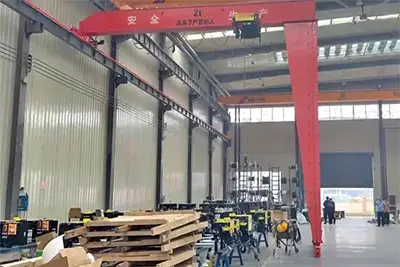
Outdoor gantry cranes are a go-to lifting solution for many industrial and construction sites that don’t have the luxury of a permanent overhead structure. They’re used in open yards, along railway sidings, in fabrication areas, and on construction sites — basically anywhere you need to move heavy materials over a defined space. The gantry design gives you the flexibility to lift, move, and position heavy loads without having to install a full building support system.
Among all the sizes available, the 10 to 20-ton range is one of the most popular. It strikes a practical balance. It’s heavy-duty enough to handle steel beams, large equipment, shipping containers, and other bulky loads — but not so large that it becomes overly expensive or complicated to transport and install.
Here's why this capacity range is commonly chosen:
- Versatile for most medium-sized lifting needs, including steel processing, machine loading, and prefab construction.
- Compact enough to install without special foundation work, especially for mobile gantry setups.
- Affordable in terms of structure, hoist, and power setup, making it attractive for small to mid-sized operations.
The goal of this guide is to help U.S.-based buyers understand what matters when selecting an outdoor gantry crane in the 10–20 ton range. Whether you're replacing an old crane or setting up new operations, we’ll cover the critical things you need to consider — from load requirements and power supply to installation and long-term use. No buzzwords, just practical advice to help you make a solid decision.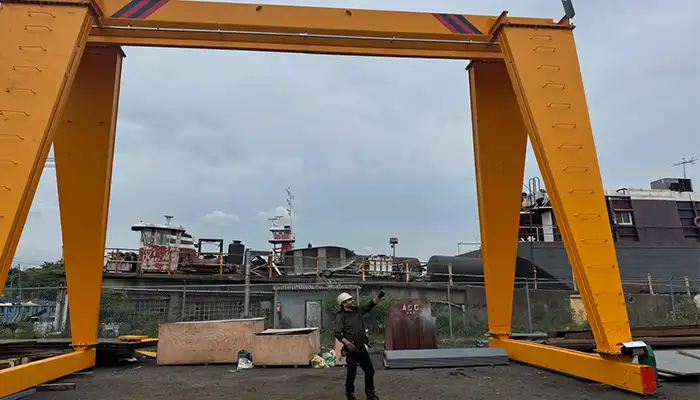
20 ton gantry crane for sale America
Understand Your Lifting Requirements
Before you decide on an outdoor gantry crane, it’s important to figure out exactly what you need it to do. This includes the type of materials you’ll be lifting, how often you’ll use the crane, how high and wide it needs to lift, and where it will be used.
Let’s break it down:
What are you lifting?
Think about the materials you’ll move. Are they long steel beams, heavy machinery, precast concrete blocks, or pallets of equipment? The size, weight, and shape of your loads will affect the type of hoist and lifting attachments you need. For example:
- Steel plates may need a spreader beam or magnets
- Machinery may need slings or special hooks
- Concrete parts may need clamps or lifting eyes
How often will you use it?
This is about how hard the crane will work every day.
- If you only lift a few times a day, a standard-duty crane will work.
- If the crane runs all day in production, you’ll need a higher-duty model to avoid overheating or breakdowns.
How high and wide does the crane need to lift?
You’ll need to know:
- How tall your loads are and how high they need to be lifted (like to load onto trucks or stack).
- How wide the area is that the crane needs to cover — this is your crane span.
What’s the ground like?
Take a close look at the surface where the crane will work.
- Is it flat and paved?
- Uneven or slightly sloped?
- Will you install rails or do you need a rubber-tired mobile gantry?
Choosing the right type of crane depends a lot on the ground conditions. A fixed rail system won’t work well on soft or uneven ground, while a mobile gantry crane can move more easily.
Quick Checklist to Prepare:
- What is the weight and shape of the items you'll lift?
(Example: 5 to 20 tons, long and narrow, bulky, fragile) - How many hours per day will the crane operate?
(Occasional use or all-day operation?) - Do you need a fixed crane or a mobile one?
(Will it run on rails or need to move across different areas?)
Choosing the Right Gantry Crane Type
When choosing a gantry crane, it’s not just about how much it can lift. You also need to think about how the crane is built, how it moves, and how it fits your work area. Here’s a simple breakdown of the main types to help you decide.
Single Girder vs. Double Girder Cranes
These are the two main designs.
Single Girder Gantry Crane:
- One main beam across the top
- Hoist runs on the bottom of the beam
- Cheaper, lighter, and easier to install
- Good for lifting up to 20 tons
Double Girder Gantry Crane:
- Two beams side by side
- Hoist runs on top of the beams
- Stronger, can lift heavier loads or go higher
- More expensive and takes longer to install
In most 10–20 ton cases, single girder is enough.
If you need higher lift height or heavier loads, consider double girder.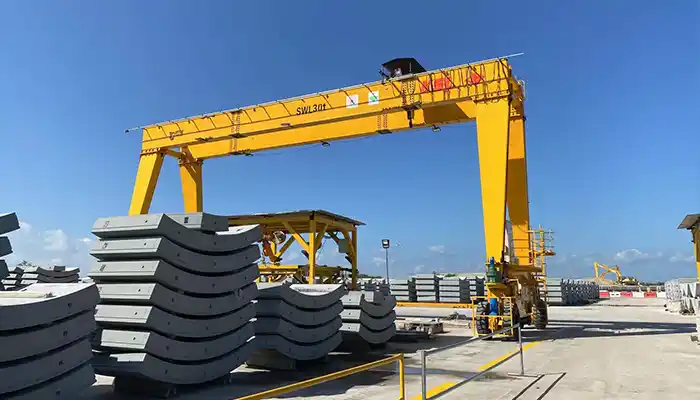
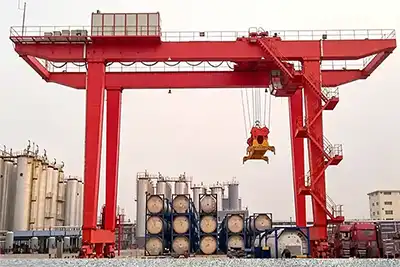
rubber tyred gantry crane for sale
Fixed vs. Portable Gantry Cranes
This is about whether the crane stays in one place or moves around.
Fixed Gantry Cranes (Rail-Mounted):
- Installed in one set location, runs on rails
- Great for steady, repeat work in one area
- Strong and reliable, but not flexible
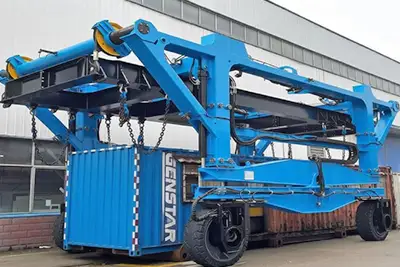
Portable Gantry Cranes (Wheeled or Rubber-Tired):
- Can move from place to place
- Works well for changing job sites
- Best for lighter loads and open outdoor areas
If your work area stays the same, go with a fixed crane.
If you move around or have a large yard, a portable one may be better.
Rail-Mounted vs. Rubber-Tired Cranes
Both types can move, but they move in different ways.
Rail-Mounted Cranes:
- Travel on tracks installed in the ground
- Need level concrete and proper setup
- Very smooth and stable movement
- Once installed, they don’t move to other areas
Rubber-Tired Cranes:
- Move on rubber wheels
- No rails needed, can go over rough ground
- More flexible, can be used in different areas
- Usually more expensive because of the drive system
Choose rail-mounted if your site is flat and has a fixed layout.
Choose rubber-tired if you need more flexibility or your ground isn’t even.
In short, think about how heavy your loads are, how often you’ll move the crane, and what your site looks like. A crane that’s right for your work area will save time, effort, and costs in the long run.
Environmental and Weather Considerations
Outdoor gantry cranes are exposed to the elements every day — rain, sun, wind, dust, and sometimes snow or ice. If your crane isn’t built to handle these, you’ll face rust, electrical issues, or even safety risks over time. That’s why it's important to consider weather protection during the selection process.
Make your crane outdoor-ready:
- Weather-resistant paint is applied to the steel structure to prevent rust and extend the crane’s working life.
- IP-rated electrical components (usually IP54 or higher) are used to protect motors and wiring from moisture and dust.
- Galvanized bolts and hardware are often recommended, especially in humid or coastal areas.
Don’t forget wind load:
- Outdoor cranes must be designed to resist wind pressure, especially tall gantries or those with large spans.
- Wind locks or rail clamps are often included to prevent the crane from moving during storms.
- If your site is in a high-wind area, this needs to be part of the structural design from the start.
Covering the hoist:
- Protective hoist enclosures help keep rain and debris out of the motor and gearbox.
- Semi-covered gantry options are available if some coverage is needed for both the crane and workers beneath.
Making sure your crane is built for outdoor use helps reduce breakdowns, lower maintenance costs, and keep your operation running smoothly year-round.
Electrical and Power Supply Compatibility
Getting the power supply right is critical. In the U.S., the standard industrial power is 460V, 60Hz, 3-phase. Your crane’s motors, controls, and electrical gear must match this — otherwise, it won’t run properly or safely.
What this means for your crane:
- Motors and hoists must be rated for 460V/60Hz/3-phase power.
- All controls, such as contactors and transformers, must also be designed for this voltage and frequency.
- Using the wrong power spec can cause equipment damage or unsafe operation.
Always check your site voltage:
- Before ordering a crane, confirm the voltage and phase at your site with your electrician or facility manager.
- If you're not sure, we can help verify what your system needs before production starts.
- For areas with different power specs (like 230V or 575V), special customization may be required.
Recommended control options for outdoor cranes:
- Wireless remote control – great for flexibility and keeping distance from loads.
- Pendant control – reliable, cost-effective, and easy to use, typically hanging from the hoist.
- Cabin control – used for large cranes or high-frequency work, where the operator needs full visibility and comfort.
Choosing the right electrical setup and control system ensures your crane runs safely, fits your facility, and gives your team better control during daily operations.
Selecting the Right Hoist
The hoist is the heart of your gantry crane. Choosing the right one ensures smooth operation, longer service life, and easier maintenance. There are a few main types you’ll come across — CD, MD, and European-style wire rope hoists — and each has its strengths depending on how you plan to use the crane.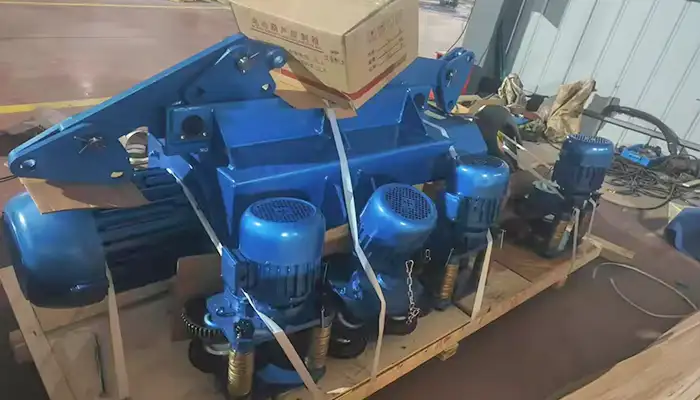
CD vs. MD vs. European-style Hoists
CD Type (Single Speed):
- Basic and affordable
- One lifting speed (usually around 8 m/min for 20-ton models)
- Ideal for simple, low-frequency lifting tasks
MD Type (Dual Speed):
- Offers two speeds: a faster speed for lifting and a slower one for precise positioning
- Better for operations where accuracy matters, such as handling molds or machines
- Slightly higher cost than CD, but more flexible
European-style Wire Rope Hoist:
- Compact, quieter, and more energy efficient
- Advanced features like inverter control, smooth start/stop, and better load control
- Best choice for higher usage, smoother handling, or where headroom is limited
- Usually comes at a higher price, but lower maintenance over time
If you’re using the crane occasionally, CD may be enough. For daily or precise lifting, MD or European-style is worth the extra cost.
Single Speed vs. Dual Speed – What’s Best for Outdoors?
For outdoor work, speed control affects both safety and usability.
- Single speed hoists are simple and easy to maintain. They work well for repetitive lifting where precision isn’t critical.
- Dual speed hoists are better when you need more control — for example, placing loads onto trucks or assembling parts.
If your outdoor work includes loading delicate items or placing materials into tight spaces, dual speed will help avoid sudden stops and improve safety.
Maintenance Access and Weather Protection
When your crane is working outside, keeping the hoist protected and easy to service becomes even more important.
- Weatherproof motor covers help shield key components from rain and dust
- Hinged or removable panels allow quick access to the motor and gearbox for inspection
- Drain holes in the hoist casing prevent water buildup in case of heavy rain
- Lubrication points should be easy to reach for routine maintenance
Choosing a hoist with these features can reduce downtime and save you time in the long run.
Installation Site and Foundation Planning
A gantry crane’s performance depends not only on the crane itself but also on the site where it’s installed. Proper ground preparation and layout planning are essential for safety and smooth operation.
Space Requirements for Gantry Legs and Rail Tracks
You’ll need enough room for:
- The crane span (measured from leg to leg) — in this case, 10 meters
- Clearance on both sides for walkways or safety barriers
- End stops or buffers to prevent the crane from over-traveling
Also consider the leg width and wheelbase, especially if you’re installing rails or moving the crane around tight areas.
Ground Preparation for Fixed Rail Systems
If you’re installing a rail-mounted gantry, the foundation must be strong and level.
- Concrete footings or slabs are usually required beneath each rail
- Rail alignment is critical — even a slight misalignment can cause wear or derailment
- Rails must be anchored securely to prevent movement under load
Working with a local civil engineer or following manufacturer-supplied layout drawings can help ensure proper installation.
Leveling, Anchoring, and Drainage Planning
Don’t overlook small site details that make a big difference later:
- Leveling: The entire travel path must be level to prevent crane skewing or frame stress.
- Anchoring: Rails or fixed legs must be properly anchored with chemical bolts or embedded plates.
- Drainage: Water pooling around crane legs can cause corrosion or even sinking. Make sure the area slopes slightly or includes trench drains to keep water away.
Proper site planning ensures your gantry crane performs safely and efficiently for years, with fewer surprises or repair needs down the line.
Budgeting and Sourcing Tips
When buying a gantry crane, it’s important to understand what affects the cost so you can make the best decision for your budget and needs. Here are some key points to keep in mind:
Factors that influence crane price include:
- Crane span and lifting height: Larger spans and higher lifts need more materials and stronger designs, which raise costs.
- Customization: Adding special features like weatherproof paint or custom controls increases the price.
- Delivery and logistics: Shipping, especially overseas, can be expensive and add to your total cost.
Choosing between domestic and imported cranes can impact cost and service:
- Domestic suppliers: Often offer faster delivery, easier communication, and local service, though they might be pricier upfront.
- Imported cranes (from China or Europe): Usually more affordable but may involve longer lead times and require careful selection of reliable manufacturers.
To get the best value, keep these tips in mind:
- Clearly define what features you need to avoid paying for extras.
- Compare detailed quotes focusing on specifications, not just price.
- Factor in total ownership costs like installation and maintenance.
- Take your time to check the supplier’s reputation and after-sales support.
Safety and Maintenance Planning
Keeping safety in focus and planning maintenance properly will protect your team and extend your crane’s life. Here’s what you should consider:
Important safety features to look for include:
- Limit switches: These stop the hoist or trolley from going beyond safe limits.
- Overload protection: Prevents lifting loads heavier than the crane’s capacity.
- Wind locks or rail clamps: Keep the crane secure during strong winds.
Regular inspections help catch problems early and keep things running smoothly:
- Check the crane’s structure for rust or damage regularly.
- Inspect wiring and controls for wear or moisture damage.
- Test safety devices like emergency stops before starting work.
- Follow the manufacturer’s schedule for lubrication and servicing.
A good supplier will provide ongoing support by offering:
- Clear manuals and operating instructions.
- Responsive technical support and training.
- Easy access to spare parts and repair services.
Having reliable support after purchase makes it easier to keep your crane safe and working well for many years.
Conclusion
Choosing the right 10–20 ton outdoor gantry crane comes down to understanding your lifting needs, site conditions, and budget. Key factors include the crane’s capacity, type (single or double girder), mobility options, weather protection, and electrical compatibility. Getting these right will help ensure your crane works safely and efficiently for years.
It’s always a good idea to consult with experienced crane suppliers who can guide you through the options and help tailor a solution to your specific needs. Their expertise can save you time, money, and headaches.
If you’re ready to move forward, don’t hesitate to reach out for a customized quote. Providing details about your load weights, site layout, and power supply will help suppliers give you the best possible crane solution — one that fits your operation perfectly.