Overhead Crane Budget : What to Include & Missed
Learn key costs to include in your crane budget—and avoid common overlooked expenses that cause delays and overspending. Get your overhead crane price!
Introduction
When you're budgeting for a crane project, it’s easy to focus only on the price tag of the crane itself. But here’s the thing—if that’s all you're accounting for, you’re almost guaranteed to go over budget.
Crane projects involve much more than just the equipment. From engineering design to installation, and from power supply setup to operator training, each part of the process comes with its own cost. Some are obvious. Others are often forgotten until it's too late—and they can hit your wallet hard.
If you’re a project manager, buyer, or factory owner planning to install an overhead crane or gantry crane, this guide will help you build a full-picture budget. We’re going to walk you through what absolutely needs to be included and point out the common blind spots that many buyers overlook.
Why Proper Crane Budgeting Matters
A crane is a long-term investment. It affects your facility layout, labor costs, production flow, and safety. Underbudgeting leads to delays, rework, and sometimes compromises in safety or performance.
- Avoid unexpected cost overruns and project delays.
- Ensure your crane meets both technical and operational needs from day one.
- Plan realistically—not just for the crane’s delivery, but for the entire process from design to operation.
Common Mistake: Only Budgeting for the Crane Price
Most buyers start with the quote for the crane system—hoist, trolley, girders, controls—and assume that’s the full cost. It’s not.
- That price often excludes the supporting structure, rail installation, power cabling, and more.
- Some suppliers may not mention optional items that you’ll later find are essential.
- Installation, shipping, and inspection costs are often handled separately.
What This Guide Will Cover
We’ll break down the entire cost structure of a crane project, piece by piece.
- What you must include in every crane budget (no skipping these!)
- The “hidden” items buyers often forget to plan for
- Practical examples, tips, and a sample cost breakdown
So if you're preparing to buy an overhead crane or gantry system, keep reading. This could save you thousands—not to mention a lot of stress later.
Core Budget Items You Must Include
When budgeting a crane project, some costs are essential and should be part of every quotation review and financial plan—no exceptions. These are the core items that directly affect how the crane will perform and integrate into your facility. Missing any of these can either delay the project or force you into unexpected add-ons later.

single girder overhead crane project for your reference, more types of single girder overhead cranes for your reference
This is usually the starting point of any crane budget. But don't stop at the headline price—dig into the configuration and what's actually included.
Type and Configuration: Whether you're going for a single girder or double girder crane, EOT crane, gantry crane, or jib crane, the structure type matters.
- Single girder cranes are generally cheaper and lighter, ideal for smaller spans and lighter capacities.
- Double girder cranes are stronger, more versatile, and handle higher capacities—but they come with a higher cost and installation requirement.
- Gantry cranes (especially with rubber tires) may save money on building modifications but require more space.
Always confirm what's best for your site—not just based on budget, but also performance.
Capacity and Span: A 10-ton crane costs significantly more than a 5-ton one, not just in structure but also in hoist, trolley, and beam size.
- Longer spans (say, over 20 meters) also increase the cost due to beam design, reinforcement, and transport.
- Always match span with runway setup and available building clearance.
Hoist and Trolley Specifications: The heart of the crane—make sure you know what you're paying for.
- Standard wire rope or chain hoist?
- Lifting speed, number of speeds, duty class?
- Single trolley or twin motorized trolleys?
These factors affect price, performance, and maintenance costs later.
Control System
- Manual pendant control is cheaper and simple, but may be limiting in terms of safety and efficiency.
- Wireless remote control offers flexibility and reduces labor fatigue.
- Automation-ready or semi-auto systems are more expensive upfront but ideal for repetitive tasks or future upgrades.
Make sure your supplier clearly states what's included in the quoted price. Sometimes, the trolley or control panel is priced separately. Ask upfront to avoid gaps.
Crane systems aren't plug-and-play—especially for custom spans, unique facilities, or outdoor conditions. Proper engineering design is non-negotiable for a safe, functional system.
Custom Design for Building or Application Fit: Not every workshop has standard dimensions.
- Low ceiling? You'll need a low-headroom design.
- Irregular layout? A cantilever or monorail crane might be needed.
- Outdoor usage? Think about wind loads and rain protection.
Load Calculations, Technical Drawings, and Approvals: Engineering firms (or the crane manufacturer) will often charge for structural load calculations, crane drawings, and interface diagrams.
- These are needed for civil work, runway beam installation, and even insurance or local authority approvals.
- For export projects, you may also need CE certification drawings or documentation for customs.
Seismic, Wind, or Explosion-Proof Adaptations (if needed): Special environments demand more design work—and cost.
- For cranes in seismic zones or exposed outdoor locations, the crane structure may require reinforcement.
- Explosion-proof cranes, used in chemical or hazardous areas, must meet ATEX or similar standards.
- These add complexity to both design and component sourcing.
Don't treat engineering as an optional add-on—it directly impacts installation safety, load capacity, and compliance with local codes. Ask your supplier if these services are bundled or quoted separately. If you don't ask, you'll likely pay later in change orders.
Shipping often sneaks up as a major cost, especially when you're dealing with large equipment like overhead cranes or gantries. And whether your project is local or international, logistics isn't just about trucking—it’s about timing, safety, and compliance.
Domestic vs. International Shipping
- If your crane is being delivered from a different region or country, freight fees can vary wildly.
- International orders will involve sea freight, inland transport from the port, and sometimes rail.
- Don’t forget: long-span girders may require special permits or break-bulk handling if they don’t fit into containers.
Packaging and Container Fees
- Export packaging isn’t cheap. Cranes often require steel frames, wooden crates, or moisture-proof wrapping.
- Some suppliers include it; others bill it separately.
- Oversized or overweight items can incur additional container stuffing, unstuffing, or even port storage fees.
Port Handling and Customs Charges
- Importers often overlook clearance costs, taxes, and duties.
- Who will handle customs documentation, especially for crane components like motors, gearboxes, and electrical panels?
- Clarify whether your supplier is quoting FOB, CIF, DDP, or EXW—because it affects who handles what, and when.
Crane logistics can be a project of its own. Be sure to include both the cost and the timeline in your plan. A delay at customs or missing lifting equipment during unloading can stall your entire site schedule.
This is one of the biggest budgeting blind spots—and one of the most labor-intensive parts of the entire project. Even if your crane is pre-engineered and factory-tested, it doesn’t install itself.
Crane Erection and Alignment
- Professional installation is essential for safety and performance.
- Includes lifting, anchoring, track alignment, welding (if required), and bolting.
- For large cranes, you may also need a mobile crane or temporary lifting devices to place the girders or hoist.
Site Prep or Foundation Work
- Indoor cranes may need beam support structures or wall modifications.
- Gantry cranes may require concrete foundations with embedded rails or anchor bolts.
- If you’re retrofitting into an existing facility, extra work might be needed to reinforce beams or relocate equipment.
Access Equipment (Scaffolding, Lifts, Platforms)
- Technicians need safe access to height for rail alignment, power connections, or hoist placement.
- If your site doesn’t have access equipment, you’ll need to rent lifts, scaffolding, or aerial work platforms.
- In some countries, this is a compliance issue—not just a convenience.
Always clarify if the installation quote includes labor, tools, travel, and lodging for the crew. If not, you'll need to arrange these separately and factor them into your total budget.
Electricity is the lifeblood of your crane. But many buyers forget to plan for how power will get from their main panel to the crane system itself.
Power Line Connection and Cabling
- This includes running cables from your main switchboard to the crane control panel.
- For long workshops or outdoor cranes, cabling costs can add up quickly.
- Some cranes use festoon systems, drag chains, or conductor bars—each with its own cost and installation method.
Panel and Control Integration
- Electrical panels need to match your site’s voltage, frequency, and grounding setup.
- Some suppliers pre-install panels; others ship them loose for on-site wiring.
- Always double-check the power specs—mismatched voltage can damage motors and void warranties.
Grounding and Safety Compliance
- Proper grounding reduces electrical hazards and ensures compliance with safety standards.
- Earthing rods, protection devices, and lightning arrestors may be required, especially for outdoor cranes.
- Also, make sure emergency stops, limit switches, and safety interlocks are tested and connected properly.
Bring in your plant electrician early to coordinate the connection plan. Waiting until the crane arrives to figure this out usually leads to costly downtime.
Hidden Costs Buyers Often Forget
Even with a well-planned crane purchase, there are always a few items that slip through the cracks—until they show up as extra invoices or last-minute delays. These are the costs that don’t always appear on the initial quote but are critical to getting your crane installed, approved, and working safely. Ignore them, and your budget could take a serious hit.
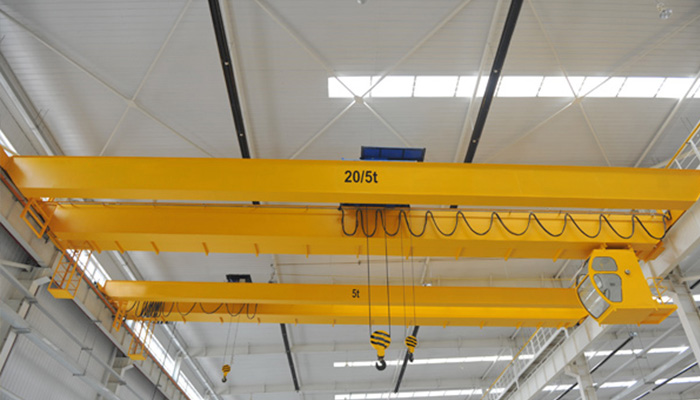
Double girder overhead crane project - Yuantai types of double girder overhead cranes for sale for your reference
The crane can't operate without a structure to support it. But many buyers assume the building is ready—or that the crane comes with the runway. Not always.
Steel Runway Beams, Columns, or Gantry Supports
- Overhead cranes need precisely aligned runway beams to travel correctly.
- If your building doesn't already have a crane runway, you'll need to install one—either freestanding or wall-mounted.
- For gantry cranes, structural steel or reinforced concrete foundations are usually required. These aren't included in the crane price.
Modifications to Existing Buildings
- If your facility isn't originally designed for crane use, you may need structural reinforcements.
- Common changes include adding steel columns, reinforcing roof beams, or modifying ceiling heights to accommodate hoist clearance.
- You might also need to reroute ductwork, lighting, or sprinkler systems to make room for the crane path.
Don't assume your current workshop can take the crane as-is. Have a structural engineer or the crane supplier check site readiness before finalizing the budget.
The rail system is what keeps the crane running smoothly and safely. But surprisingly, it's often not included in the standard crane quote—and that catches many buyers off guard.
Rails, Clamps, Pads, Anchor Bolts
- Overhead cranes require crane-specific rail profiles, not just standard steel.
- You'll also need rubber pads or grout under the rails, clamps to hold them in place, and high-strength anchor bolts.
- For gantry cranes, side rails may need embedded steel or concrete channels.
Rail Alignment and Grouting
- Improper rail installation can cause crane misalignment, wheel wear, and tracking issues.
- Professional rail alignment, including leveling, shimming, and grouting, is essential—especially for long-span cranes.
- Misaligned rails can also void your crane warranty if they lead to mechanical damage.
If your supplier offers the crane but not the rail, ask who will handle it—and get a quote for the materials and installation. This is one of the easiest places for budgets to go wrong.
Before a crane can go into operation, it usually needs to pass safety inspections or meet local compliance requirements. These costs are often forgotten until the last stage—but they're mandatory in many regions.
Load Testing and Commissioning
- This is a safety requirement to verify that the crane can lift and operate as designed.
- Involves using test weights (often supplied separately), checking limit switches, brakes, and emergency stops.
- Some suppliers include commissioning in their service—others bill it separately or require you to hire a third-party.
Third-Party Inspection (Especially for Exports)
- For exported cranes, many clients or authorities demand third-party verification from agencies like SGS, BV, or TUV.
- These inspections verify fabrication quality, documentation, and test results.
- While necessary for international compliance, these services add cost and require early scheduling.
Compliance with Local Standards (e.g., CE, OSHA)
- If you're installing the crane in a region with strict safety codes, the system must be built and documented accordingly.
- CE certification (for Europe), OSHA compliance (USA), or local regulations may require labeling, documentation, and specific safety devices.
- Check whether your supplier provides these, and if they're included in the pricing.
Certifications aren't just red tape—they're a legal requirement in many countries. Failing to plan for them can result in costly delays or legal issues down the line.
Even the best crane in the world won't run safely without trained operators. But training isn't always part of the purchase deal, and overlooking this can lead to compliance issues, safety risks, or costly accidents.
Training for Safe Operation
- Your operators need to know more than just how to push a button.
- They must understand load charts, lifting procedures, emergency stops, and how to respond to mechanical issues.
- For complex systems—like cranes with remote controls, variable speeds, or automation—training becomes even more important.
Certification Fees
- In many countries, certified crane operators are legally required.
- Certification fees may include a written exam, a practical test, and documentation from approved training bodies.
- If your project involves insurance inspections or government work, proof of certification is often mandatory.
Travel and Accommodation for Trainers (if external)
- If you're bringing in trainers from the crane manufacturer or a third-party training firm, don't forget travel-related expenses.
- These might include airfare, hotel stays, meals, and transportation to your site.
- It's also common to provide training for both operators and maintenance personnel—double the cost, if not planned in advance.
Well-trained staff can prevent breakdowns, reduce downtime, and make your crane investment much safer and more efficient. It's not just a formality—it's a necessity.
You might think you can wait until something breaks before buying spares. But when the crane is down, and the part takes two weeks to ship—that's production time and money lost.
Initial Supply of Critical Spares
- Most crane manufacturers offer a recommended starter kit of spare parts.
- These usually include brake pads, limit switches, relays, contactors, and fuses—small, affordable parts that can shut down a system if they fail.
- Ask for this list when you order the crane. It's far cheaper to stock them upfront than to air-ship in an emergency.
Specialized Tools (Grease Gun, Diagnostic Tool)
- Your maintenance team will need the right tools to service the crane regularly.
- These may include grease guns, alignment tools, electrical testers, or software for diagnostics (especially for advanced or European cranes).
- If your crane uses a custom inverter or PLC, find out what interface tools are required for programming or troubleshooting.
Keep a small maintenance kit in-house from day one. Waiting for a simple component can cost you more in downtime than the part itself.
Cranes are built to last—but they're also machines that consume energy, require attention, and wear down over time. A smart budget accounts for what it takes to keep the crane running, year after year.
Electricity Consumption
- Larger cranes, or those with dual-speed hoists and long travel distances, can have a noticeable impact on your energy bill.
- Ask your supplier about motor efficiency ratings and average power draw during full operation.
- Some crane systems allow for energy-saving options—such as regenerative drives—that return unused power back to the grid.
Routine Maintenance (Lubrication, Inspection, Cleaning)
- Monthly or quarterly inspections are necessary to keep the crane safe and operational.
- Regular lubrication of wire ropes, gears, and bearings prevents wear.
- Dust and debris can accumulate quickly, especially in foundries, mills, or outdoor sites—so cleaning should be part of your maintenance schedule.
Replacement of Wear Parts
- Parts like wire ropes, brake linings, contactors, and buffers have a limited lifespan.
- Depending on usage frequency and load size, you may need to replace these every 1–3 years.
- Budgeting for replacement cycles helps you avoid sudden repair bills and unplanned downtime.
These long-term costs may not show up on the first invoice, but they are real and recurring. Better to plan for them now than be caught by surprise later.
No matter how carefully you plan your crane project, some things are simply out of your control. Weather shifts, shipment delays, or last-minute site changes happen more often than people think. That’s why setting aside a portion of your budget specifically for risk and contingency isn’t just smart—it’s necessary.
Let’s break down the most common risks and how you should account for them in your project planning.
Allowances for Delays (Weather, Customs, Labor)
Delays cost time, and time costs money—especially when other parts of your project are waiting on the crane.
Weather-Related Delays
- Outdoor crane installations, especially gantries or yard cranes, are often delayed by rain, wind, or heat restrictions.
- Plan for seasonal disruptions if your project site is prone to monsoons, snow, or extreme heat.
Customs and Border Clearance
- Imported cranes may be held up at port due to incomplete paperwork, inspections, or container congestion.
- If you're ordering from overseas, factor in extra days—or even weeks—into your delivery window.
Labor or Subcontractor Availability
- Installation teams, electricians, welders, and riggers may not always be available on short notice.
- Any delay in their schedule can ripple through your project, especially if multiple trades are involved.
To stay on track, build time buffers into your schedule and cost buffers into your budget. Rushed work or rebooking crews later often costs more.
If you’re purchasing your crane or components from another country, currency volatility can change the actual cost overnight.
Exchange Rate Risks
- Quotes from suppliers in euros, RMB, or other currencies may fluctuate by 2–10% over a few months.
- That “great deal” in January might be less attractive by the time payment is due in April.
Bank and Transfer Fees
- Don’t forget the cost of international transfers, bank commissions, and insurance on pre-payments.
A practical solution? Confirm pricing terms with your supplier and consider locking in exchange rates or negotiating fixed currency deals if your project is large.
5–10% Contingency for Unexpected Changes
This is your safety net. There will always be something unexpected—an extra steel bracket, longer cabling, or a late decision to switch to remote control.
Scope Changes
- Maybe your team decides to upgrade to dual-speed motors. Or your customer requests CE certification halfway through the project.
- These changes often seem minor but can shift both cost and timeline.
Hidden Site Conditions
- Uneven floors, low roof clearance, or missing power panels often appear only after the crane arrives.
- Fixing these takes time, labor, and materials you hadn’t planned on.
Emergency Purchases
- Whether it’s last-minute tools, spare parts, or temporary lifting equipment, it helps to have financial room to make quick decisions.
For most crane projects, setting aside 5%–10% of your total budget for contingency is a reasonable starting point. It’s not wasted money—it’s what keeps your project moving when the unexpected shows up.
Budgeting Tips for Smarter Planning
If you're serious about staying on budget—and on schedule—the way you approach planning makes all the difference. Most cost overruns aren’t due to the crane itself. They’re usually the result of incomplete scope, missed details, or late changes.
Here are some practical budgeting habits that can save you time, stress, and money as your crane project moves forward.
Start with a Full Lifecycle View – Not Just the Upfront Purchase
Buying a crane isn’t just a one-time expense—it’s a long-term investment.
- Consider not just the crane price, but also the cost of installation, operation, maintenance, and eventual upgrades.
- Ask your supplier or installer how long parts typically last and what common wear components need replacement.
- Factor in power usage and maintenance schedules for the next 5–10 years.
Looking at the full picture helps you avoid short-sighted decisions that seem cheaper now but cost more later.
Get Quotes for Optional Items Early – Like Remote Controls, Anti-Sway, Walkways
Some features aren’t strictly required, but you might regret skipping them once the crane is in use.
- Remote control systems free your operator from standing near the load—safer and more flexible.
- Anti-sway technology helps with precision lifting, especially when handling long or unstable loads.
- Walkways and maintenance platforms are often needed for inspection and servicing, especially on double girder cranes.
The earlier you ask for these options, the easier (and cheaper) it is to include them in the design. Adding them later usually means redesign, extra wiring, and downtime.
Clarify Scope with Your Supplier – What’s Included vs. What You Must Arrange
Crane quotes can vary widely—not because of price differences, but because of what's included or left out.
- Does the quote include installation, or just the crane parts?
- Who’s handling electrical wiring, rails, and testing?
- Are drawings, certifications, and load testing covered?
Make your supplier spell it out in writing. A clear scope now prevents finger-pointing later.
Use a Cost Checklist – To Avoid Overlooking Common Gaps
Even experienced buyers miss things. A good checklist keeps you from making the same mistake twice.
- Include every category: equipment, shipping, site prep, power supply, installation, spare parts, certification, and training.
- For larger projects, break it down by phase: pre-installation, delivery, setup, and commissioning.
- Share the checklist with your internal team—procurement, maintenance, and finance should all have input.
A few minutes spent reviewing a checklist can catch thousands of dollars’ worth of oversights.
In short, smart budgeting isn't about trying to guess the lowest possible number—it’s about being complete, realistic, and flexible. The more you know about what to expect, the better you can plan, negotiate, and deliver a successful crane project.
Sample Budget Breakdown Table
Creating a detailed budget isn’t just about listing costs—it’s about understanding where your money is going and why. The table below gives you a sample layout of a complete crane project budget, showing both the core components and the often-overlooked items.
You can use this as a template to build your own cost plan, or to double-check the completeness of a supplier’s quote.
Crane Project Budget Breakdown Example
| Budget Item | Estimated Cost (USD) | Notes |
|---|---|---|
| Crane Equipment | $42,000 | Double girder overhead crane, 10-ton |
| Shipping & Handling | $4,500 | CIF to Port of Destination (includes packaging) |
| Installation & Commissioning | $6,800 | Includes technician travel, labor, tools |
| Runway Beam & Structure | $18,000 | Fabricated and installed locally |
| Spare Parts & Training | $3,200 | Starter parts kit + 2-day on-site training |
| Contingency (10%) | $7,450 | Recommended buffer for changes or delays |
| Total | $81,950 | Estimated total project cost |
Practical Notes:
- This example assumes a 10-ton double girder crane with standard travel and hoisting speeds.
- Actual shipping may vary based on location, port fees, and container availability.
- Installation cost varies by site conditions, access, and labor rates.
- The runway cost assumes a new, independent support structure with columns and rails.
- Always adjust your contingency buffer based on project risk—complex retrofits or international installations may need more than 10%.
Using a simple, structured budget like this helps you:
- Avoid surprise charges
- Justify costs to management or clients
- Compare supplier quotes more accurately
- Track actual costs against your forecast
Would you like a downloadable Excel version of this template or a blank version you can fill in? Let me know!
Conclusion
Putting together a crane project budget is more than just collecting a quote for the crane itself. It’s about understanding the full scope—from equipment and installation to site preparation, certifications, and long-term operation.
Overlooked items like crane rails, power supply work, or operator training often lead to surprise costs. And when you’re facing a tight schedule or multiple contractors, even a small delay can have a ripple effect across the entire project.
To avoid these headaches, take a step back and budget the full process—design, logistics, installation, safety, and maintenance. Every detail matters, especially when the crane is a core part of your operation.
Pro tip: Work with a crane supplier who doesn’t just sell equipment but helps guide you through the whole project—start to finish. That expertise is worth its weight in saved time, fewer mistakes, and a smoother handover.
Need help planning your crane budget the right way?
Contact Yuantai Crane today for:
- A customized cost estimate based on your actual site and project needs
- A complete crane budgeting checklist you can use to track every item
- Expert advice on installation, logistics, and compliance for your country or industry