Scalable Crane Systems for Long-Term Infrastructure Projects
Introduction
In long-term infrastructure projects, scalability is vital. It allows crane systems to grow and adapt as the project evolves over time, ensuring they can meet both current and future demands. When working on large-scale infrastructure projects like bridges or power plants, the crane system must not only handle today's loads but also accommodate future increases in workload, project expansions, and shifting operational needs. Without scalability, you could face costly system replacements or inconvenient downtimes when project needs grow. A scalable crane system provides flexibility, which means fewer disruptions and lower long-term costs.
- Adapts to Changing Project Demands: Over the years, the requirements of a project might change—whether that's due to new regulatory requirements, technological advances, or increasing production capacity. A scalable crane system is designed to evolve with the project.
- Minimizes Downtime: Scalability allows for easy upgrades or expansions without significant system overhauls, keeping downtime to a minimum.
- Cost-Effective in the Long Run: While initial investment might seem higher, scalability helps spread the cost of future upgrades across the project's lifecycle.
Large-scale infrastructure programs demand crane systems that can handle fluctuating load requirements over many years. These projects—such as the construction of bridges, power plants, and heavy industrial facilities—require cranes that are built for both high-capacity and long-term use.
- Bridges and Highways: For tasks like segmental assembly, where crane systems may need to lift large, heavy concrete segments over long spans, cranes with adaptable capacities are necessary.
- Power Plants: Power plants have complex, multi-stage construction and maintenance needs, often requiring cranes with the ability to upgrade as project demands increase.
- Industrial Facilities: Large factories, steel mills, and warehouses require cranes that can scale with production levels, handling everything from raw material transport to final assembly.
These projects often last for many years, with stages that may change significantly as they progress. Without scalable crane systems, adapting to these changes becomes a challenge.
Planning a crane system for a long-term infrastructure project isn't just about choosing the right equipment—it's about planning for future changes and growth. Several key challenges come into play when designing crane systems for projects that will stretch over years or decades.
- Budget Constraints: Although scalable systems often have higher upfront costs, their ability to expand and upgrade over time can be more cost-effective than replacing or upgrading a fixed system. However, balancing the initial investment with future returns can be tricky.
- Evolving Project Requirements: Infrastructure projects can face changing requirements over time—new government regulations, unexpected technical needs, or new materials that require different handling methods.
- Future Capacity Demands: At the outset of a project, it's hard to predict how much more capacity might be required down the road. Scalability in crane systems ensures the system can handle increased demands without the need for a complete overhaul.
Industrial Crane System Scalability
Scalability in crane systems refers to the ability to adjust the crane's capacity, functionality, or size to meet the changing demands of a long-term infrastructure project. Unlike fixed cranes that are designed for a specific capacity or purpose, scalable systems can be modified over time—by adding new components or upgrading existing ones—without the need for a complete system replacement. This makes scalable crane systems highly advantageous for large-scale projects, where requirements are expected to evolve as the project progresses.
Key Aspects of Scalability in Crane Systems:
- Expandability: A scalable crane system can be modified to handle larger loads or wider spans without requiring a new crane.
- Modularity: The crane system is made up of interchangeable parts, allowing for upgrades or replacements without disrupting overall operations.
- Adaptability: Scalable systems can be configured for various tasks, such as handling heavier materials or switching between indoor and outdoor operations.
By choosing a scalable crane system, infrastructure planners can avoid the need for costly, disruptive overhauls and ensure that the crane system grows with the project.
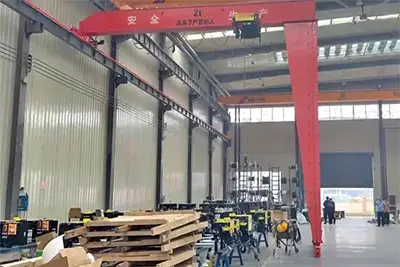
Modular overhead cranes are designed for flexibility and long-term adaptability. Built with modular components such as girders, trolleys, and hoists, these cranes can be upgraded, replaced, or expanded as project demands grow. This makes them especially suitable for projects where lifting requirements may increase over time. modular overhead cranes for sale
Key Features:
- Upgrade-Friendly: Components can be added or replaced without removing the entire system, allowing for capacity expansion or functional upgrades.
- Cost-Effective: Only the parts that need upgrading are replaced, saving money compared to installing a completely new crane.
- Versatile Applications: Suitable for both light-duty and heavy-duty tasks, depending on project requirements.
Typical Applications:
- Manufacturing plants handling various materials
- Warehouses and distribution centers
- Large-scale construction projects with evolving lifting needs
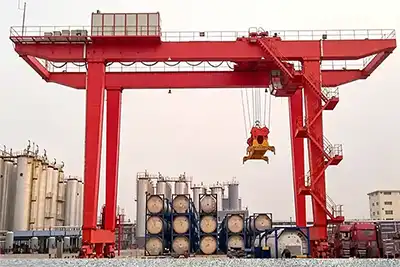
Gantry cranes are widely used in outdoor environments such as construction sites, precast yards, and shipping ports. Modern gantry cranes often feature adjustable spans, allowing them to adapt to different material sizes or project stages without requiring major redesigns.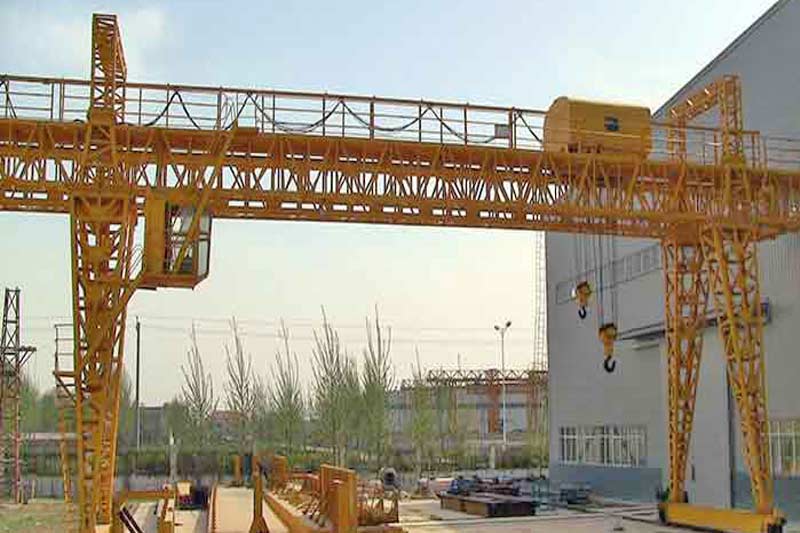 Gantry cranes for sale
Advantages:
- Customizable Span Width: Adjust the span to match material dimensions or project-specific requirements.
- Heavy-Duty Performance: Capable of lifting large, heavy materials for infrastructure and construction projects.
- Outdoor Versatility: Designed to perform reliably in open environments with variable conditions.
Ideal For:
- Outdoor infrastructure projects like bridges and highways
- Precast concrete storage and assembly yards
- Shipyards, rail construction sites, and other heavy-duty outdoor projects
Multi-trolley and multi-hook cranes are designed for simultaneous lifting of multiple loads. By using more than one trolley or hook, these systems improve handling efficiency, balance loads more evenly, and reduce the total time required for material movement.
Benefits:
- Increased Efficiency: Lift multiple loads at once to save time and streamline workflow.
- Better Load Distribution: Spreads weight evenly across the crane, reducing stress on individual components and extending system lifespan.
- Flexible Operations: Configurable for different load sizes, lifting patterns, and operational tasks.
Common Applications:
- Large manufacturing plants with complex material handling needs
- Steel mills, foundries, and heavy industrial operations
- Heavy equipment assembly lines and multi-stage construction processes
Benefits of Scalable Crane Systems
While scalable crane systems may require a higher initial investment compared to fixed cranes, they are far more cost-effective over the lifespan of a project. Instead of replacing the entire system when demands increase, scalable cranes allow for incremental upgrades, saving both money and time.
How Scalable Crane Systems Save Money:
- Long-Term Savings: Only the necessary components are upgraded as project needs grow, avoiding full system replacement costs.
- Incremental Investment: Investments can be spread over the project lifecycle, reducing the burden of large upfront capital expenditures.
- Lower Maintenance Costs: Upgrading individual modules rather than the whole crane often reduces maintenance time and expenses.
By planning for future growth, scalable systems deliver significant cost advantages over the long term.
Scalable cranes are not tied to a single project phase or task. Their modular and adaptable design allows them to be reconfigured to handle a variety of loads, environments, or operational stages. This flexibility is especially valuable for large infrastructure programs with multiple phases or sites.
Key Advantages of Flexibility:
- Adapt to Changing Needs: Cranes can be adjusted to meet new load requirements or workflow changes as projects evolve.
- Multi-Project Capability: Scalable cranes can be redeployed across different phases of the same project or even used in entirely new projects, maximizing their utility.
- Reduced Need for New Equipment: One scalable crane can perform multiple tasks, reducing the need to purchase additional cranes for every stage.
Flexibility ensures that the crane system continues to add value even as project requirements shift.
Another major benefit of scalable cranes is their ability to accommodate upgrades with minimal disruption. Designed for modular expansion, these systems can be adjusted during off-peak hours or in phases, keeping operations running smoothly while meeting evolving demands.
How Scalable Systems Minimize Downtime:
- Incremental Upgrades: Modules and components can be swapped or upgraded gradually without shutting down the entire system.
- Off-Peak Adjustments: Many upgrades or maintenance tasks can be scheduled during non-production hours to avoid operational interruptions.
- Long-Term Efficiency: Because the system can adapt over time, the need for major shutdowns or complete overhauls is significantly reduced.
Minimizing downtime ensures continuous productivity and protects project schedules, making scalable cranes a reliable choice for long-term infrastructure programs.
Assessing Current and Future Requirements
When planning a crane system for long-term infrastructure projects, understanding the load requirements is the first critical step. Load capacity forecasting ensures the crane can handle both current materials and potential increases in weight or volume as the project progresses.
Key Considerations for Load Forecasting:
- Peak Load vs Average Load: Determine the maximum loads the crane might lift, not just the average. Peak loads often occur during specific project stages and must be safely supported.
- Safety Factors for Future Increases: Include a margin for future capacity growth. For example, if the current maximum load is 15 tons, designing the crane to handle 20 tons ensures it can accommodate unforeseen increases or heavier materials later.
- Material Types and Handling Frequency: Consider not just the weight but also the size, shape, and handling frequency of materials, which can affect wear and stress on the system.
Accurate load forecasting prevents overloading, reduces downtime, and extends the life of the crane system.
Crane systems must fit seamlessly into the overall workflow of a project or facility. This ensures efficient material handling, reduces bottlenecks, and supports smooth operations throughout each stage of production or construction.
Practical Integration Points:
- Matching Crane Types to Operational Stages: Choose crane types based on the tasks at each stage. For example, single-girder cranes for light-duty tasks, double-girder cranes for heavy lifting, or gantry cranes for outdoor handling of large components.
- Automated or Semi-Automated Systems: Consider integrating cranes with automation or semi-automation for repetitive tasks. Automated cranes can improve precision and reduce labor requirements, but the system must be compatible with existing production processes.
- Material Flow and Accessibility: Ensure the crane layout supports smooth movement of materials without blocking other equipment or work areas.
Proper integration with workflow ensures productivity and minimizes unnecessary handling or delays.
Physical and environmental factors play a crucial role in selecting and scaling crane systems. Even a perfectly designed crane can underperform if site conditions aren't considered.
Key Site Considerations:
- Indoor vs Outdoor Installation: Outdoor cranes may require weatherproofing, corrosion-resistant coatings, or protective enclosures, whereas indoor cranes focus on ceiling height, span, and floor load capacity.
- Floor Load and Foundation Limitations: Verify that the building or yard can support the crane's weight and the maximum lifted load. For overhead cranes, runway beams and support structures must meet safety standards.
- Environmental Factors: Consider temperature, dust, moisture, or chemical exposure, which may affect crane selection, material, and maintenance requirements.
Design Considerations for Scalable Cranes
Designing cranes with modular and expandable components is key to scalability. Modular cranes allow parts to be upgraded or replaced individually, which reduces downtime and lowers long-term costs. Standardization ensures that components from one crane can often be used in another, making maintenance and expansion simpler.
Practical Features of Modular Components:
- Standardized Girders, Trolleys, and Hoists: Using standardized components allows for easier upgrades, replacement, or expansion across multiple cranes.
- Interchangeable Parts for Maintenance and Upgrades: Components such as hoists or trolleys can be swapped without dismantling the entire system, reducing downtime and labor costs.
- Ease of Expansion: Adding additional trolleys, longer girders, or higher-capacity hoists is simpler when the system is modular.
A modular design ensures that the crane can grow with the project rather than becoming obsolete as requirements increase.
A scalable crane system isn't just mechanical—it also depends on flexible electrical and control systems. Upgrading cranes is far easier if the control and drive systems can adapt to changes in capacity, speed, and operational complexity.
Key Electrical and Control Features:
- Variable Frequency Drives (VFDs): VFDs allow precise control of crane speed and load movement. They also reduce mechanical stress and energy consumption, making the crane system more efficient and adaptable.
- Smart Control Systems for Multi-Crane Coordination: Advanced control systems can coordinate multiple cranes operating in the same area, improving workflow, safety, and efficiency. These systems can also be upgraded to include automated or semi-automated operations as needs evolve.
- Future-Proofed Electrical Design: Systems should allow for easy addition of sensors, automation, or IoT-enabled monitoring without major rewiring or downtime.
Flexible electrical and control systems are essential for maintaining operational efficiency as crane capacity or complexity increases.
A crane's structural design must anticipate future needs. A scalable crane should be able to support heavier loads, longer spans, or additional trolleys without requiring major reconstruction. Planning ahead ensures the system remains useful throughout the life of the project.
Key Future-Proofing Considerations:
- Support for Higher Capacities or Additional Spans: Structural elements like girders, end trucks, and runway beams should be designed to handle potential load increases or additional span requirements.
- Provision for Retrofitting Automation or Sensors: Modern infrastructure projects often require automation, smart sensors, or condition monitoring. The crane should be built to accommodate these upgrades without major structural changes.
- Durability and Safety Margins: Include safety margins in the design to account for unforeseen load increases, environmental factors, or operational changes.
Implementation Strategies
Implementing a scalable crane system is most effective when done in phases. A phased approach allows projects to start with essential infrastructure and gradually expand the crane system as operational needs grow. This minimizes upfront costs and avoids overbuilding equipment that isn't immediately necessary.
Practical Steps for Phased Deployment:
- Start with Core Infrastructure: Install cranes that meet the immediate requirements of the project. Focus on essential lifting capacities and operational areas.
- Add Modules or Cranes as Project Expands: As the project progresses or load demands increase, add extra modules, trolleys, or even additional cranes. This approach keeps operations running smoothly without large-scale interruptions.
- Prioritize Critical Areas First: Identify areas of the project where crane upgrades will provide the most immediate productivity benefit and phase expansion accordingly.
Phased deployment ensures that crane systems grow in line with project demands, preventing wasted capacity or unnecessary early investment.
A scalable crane system requires careful budgeting to maximize long-term efficiency. Planners should consider not only the initial cost but also the total lifecycle costs, including maintenance, upgrades, and operational expenses. Comparing scalable systems to fixed cranes helps justify the investment in flexibility.
Key Considerations for Budgeting:
- Cost Comparison: Scalable vs Fixed Systems: While fixed cranes may have lower upfront costs, scalable systems reduce the need for full replacements and costly downtime, saving money over the project lifecycle.
- Maintenance and Operational Costs: Modular and scalable systems often allow for easier maintenance, reducing labor costs and operational interruptions. Upgrades can often be performed incrementally without shutting down the system.
- Long-Term Investment Planning: Include future expansions, automation, and potential load increases in the budget to avoid unexpected costs later.
By analyzing the total cost of ownership, planners can make more informed decisions about investing in scalable crane systems.
Successful implementation of scalable cranes requires coordination with experienced vendors. The right manufacturer can provide guidance on modular systems, standardized components, and installation best practices. Ensuring consistency across multiple sites is particularly important for large infrastructure programs.
Practical Tips for Vendor Coordination:
- Select Manufacturers Experienced in Modular and Scalable Systems: Look for suppliers with proven experience in long-term infrastructure projects and flexible crane designs.
- Ensure Standardization Across Multiple Project Sites: Standardized components simplify maintenance, reduce training needs, and allow for easier scaling across different locations.
- Leverage Vendor Expertise for Upgrades: Collaborate with the supplier to plan future expansions, additional modules, or automation retrofits, ensuring the system can grow without disruption.
Coordinating with knowledgeable vendors ensures smooth deployment, reduces risk, and maximizes the value of scalable crane systems.
Case Studies
In bridge construction projects, materials such as precast segments, girders, and concrete panels need to be lifted and positioned precisely. Scalable gantry cranes have proven to be highly effective in these scenarios because they can be adjusted to handle different segment sizes and weights throughout the construction phases.
Practical Insights:
- Segmental Assembly: Adjustable gantry cranes allow lifting of individual bridge segments with precision, reducing installation time.
- Capacity Flexibility: The cranes can be upgraded mid-project to handle heavier segments as the bridge height or span increases.
- Reduced Downtime: Modular design allows maintenance or upgrades without stopping the entire construction workflow.
Using scalable gantry cranes ensures that bridge construction projects can adapt to changing material sizes and lifting requirements while maintaining project timelines.
Manufacturing plants or industrial facilities often require crane systems that evolve as the facility grows. Scalable overhead cranes allow plants to increase lifting capacity or add additional trolleys without halting production.
Practical Insights:
- Capacity Upgrade Without Downtime: Overhead cranes can be upgraded to handle heavier loads as new machinery or larger components are introduced.
- Modular System Advantages: Standardized girders and hoists allow easy expansion or replacement when production demands increase.
- Workflow Integration: The cranes can be reconfigured for new production lines, reducing handling time and improving efficiency.
By investing in scalable overhead cranes, industrial facilities can expand their operations efficiently while avoiding costly downtime or equipment replacement.
Metro, rail, and other urban infrastructure projects involve multiple construction stages, often across different sites. Scalable crane systems are ideal for these programs, allowing cranes to be redeployed, upgraded, or expanded according to project needs.
Practical Insights:
- Multi-Stage Deployment: Cranes can be installed for initial site preparation and later upgraded for track laying, station construction, or heavy component handling.
- Flexibility Across Sites: Modular cranes can be moved between construction sites or adjusted to different lifting requirements, reducing the need for multiple crane purchases.
- Adaptability for Future Phases: As urban projects progress and new components are introduced, cranes can be upgraded to meet changing load and span requirements.
Scalable crane systems in urban infrastructure programs provide the flexibility needed for complex, multi-phase projects, ensuring efficiency and cost-effectiveness throughout the construction lifecycle.
Monitoring and Continuous Optimization
Once a scalable crane system is in place, continuous monitoring is essential to ensure it operates efficiently and safely. Tracking performance helps identify bottlenecks, optimize workflows, and inform decisions about upgrades or expansions.
Practical Performance Tracking Measures:
- Load Monitoring: Measure the actual weight being lifted to ensure it stays within the crane's rated capacity and to prevent overloading.
- Utilization Metrics: Track how frequently the crane is used, the duration of lifts, and idle times to optimize scheduling and reduce wear.
- Operational Insights: Use data from monitoring to plan for maintenance, upgrades, or redeployment to other project areas.
Regular performance tracking ensures cranes are used efficiently and remain aligned with project needs.
Scalable crane systems benefit greatly from predictive maintenance, which reduces the risk of unexpected downtime and extends equipment lifespan. By monitoring conditions and anticipating failures, maintenance can be scheduled proactively.
Key Predictive Maintenance Practices:
- Avoiding Overloading: Sensors and monitoring systems detect when loads approach unsafe levels, preventing damage to the crane or components.
- Scheduled Interventions: Maintenance can be performed based on real operational data rather than fixed schedules, reducing unnecessary downtime.
- Component Health Monitoring: Track the condition of hoists, motors, brakes, and structural elements to replace or repair them before failure occurs.
Predictive maintenance helps maintain consistent operational efficiency while minimizing costly disruptions.
Data from performance tracking and predictive maintenance can guide decisions for upgrading or scaling the crane system. This ensures that the system grows in step with project demands, without unnecessary downtime or over-investment.
Practical Upgrade and Scaling Strategies:
- Adding Capacity: Upgrade hoists, trolleys, or girders to handle higher loads as project demands increase.
- Integrating Automation: Add automated controls or smart sensors to improve precision, speed, and safety.
- Phased Scaling: Implement changes gradually to minimize disruption to ongoing operations and avoid complete shutdowns.
By continuously monitoring and optimizing crane performance, infrastructure projects can maintain efficiency, safety, and adaptability over the long term.
Conclusion
Scalable crane systems play a critical role in long-term infrastructure projects. They are not just equipment—they are investments in flexibility, efficiency, and cost savings. Planning for scalability ensures that cranes can adapt to changing project requirements, handle increasing loads, and remain operational throughout the project lifecycle.
Practical Takeaways:
- Cost-Effectiveness and Flexibility: Scalable cranes allow projects to expand capacity or functionality without costly replacements, saving money over time.
- Early Planning Prevents Disruptions: Considering future load requirements, workflow integration, and site constraints during the design phase avoids costly modifications or downtime later.
- Operational Efficiency: Scalable systems, combined with monitoring and predictive maintenance, ensure consistent performance and safe operations.
Recommendations for Infrastructure Planners
For infrastructure projects that span multiple years or phases, adopting scalable crane systems is a strategic decision. Planners should focus on modular designs, flexible controls, and future-proof structural features. Additionally, monitoring project needs and performance data continuously helps make informed upgrades and maintain efficiency.
Actionable Recommendations:
- Invest in Modular, Adaptable Crane Systems: Choose cranes with standardized, interchangeable components that allow upgrades without full replacement.
- Continuously Evaluate Requirements: Track project demands, operational data, and future growth potential to ensure the crane system remains aligned with evolving needs.
- Collaborate with Experienced Vendors: Work with suppliers who have expertise in scalable systems, ensuring proper installation, maintenance, and future upgrades.