Choosing the Right Adjustable Height for Gantry Cranes
Learn how to select the right adjustable height for your gantry crane. Ensure safe, efficient lifting by considering ceiling clearance, load size, and workflow layout.
Introduction
Adjustable height is one of the most practical features you can look for in a gantry crane. It’s not just a nice-to-have—it directly affects how smoothly your lifting tasks run and how safe your operators are. In many workshops, factories, or maintenance areas, ceiling heights, equipment placement, and workflow paths vary. A crane that can adjust its height to match these conditions will save time, reduce risk, and make handling different loads much easier.
When you’re choosing a gantry crane, the height range isn’t something you can guess. Pick too low, and you won’t be able to lift taller equipment or stacked materials. Pick too high, and you could run into stability issues or interfere with overhead structures. Getting it right ensures your operations stay efficient without compromising safety.
Why adjustable height matters:
- Workflow efficiency: Proper height reduces the need for repeated adjustments or repositioning, keeping material movement smooth.
- Safety: Avoid collisions with ceilings, lights, or other overhead equipment, and reduce the risk of tipping or swinging loads.
- Versatility: Handles a wider range of load sizes and shapes without requiring multiple cranes.
- Operator comfort: Easier lifting heights mean less strain and smoother control for operators, especially during frequent lifting tasks.
In short, adjustable height isn’t just about flexibility—it’s about making your work safer, faster, and more predictable. By understanding your facility and load requirements, you can choose a gantry crane height range that matches your real needs, not just a general specification.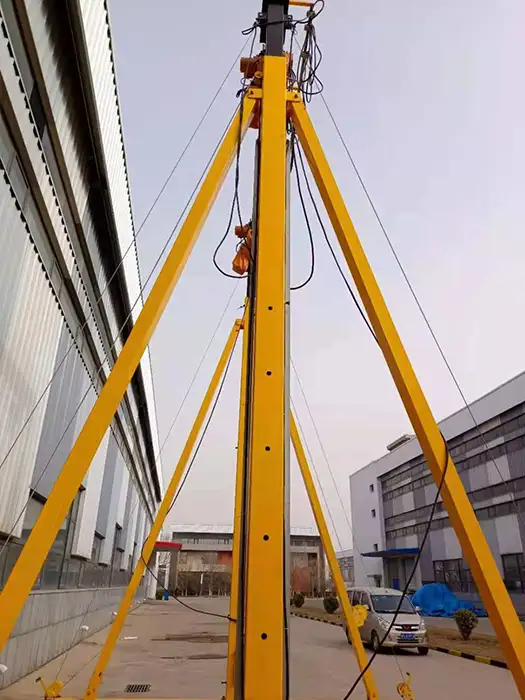
adjustable height gantry crane for sale
Adjustable Height Gantry Cranes
Adjustable height gantry cranes are designed to give you more control over lifting operations. Unlike fixed cranes that operate at a single height, these cranes can change their lifting range to match the size of the load or the clearance of your workspace. This feature is especially useful in workshops, factories, or maintenance areas where equipment, materials, or workflow paths vary.
An adjustable height gantry crane is a crane with a variable lifting height. This can be achieved through:
- Telescopic legs: Legs that extend or retract to raise or lower the crane.
- Adjustable supports: Mechanisms that allow manual or powered height changes.
Common Types of Adjustable Gantry Cranes:
- Fixed-height gantries: Basic design, non-adjustable, suitable when ceiling height and lifting requirements are consistent.
- Manually adjustable gantries: Height changes are done by hand, usually with pins or screw mechanisms; practical for occasional adjustments.
- Hydraulic or electric adjustable gantries: Powered adjustments allow quick and precise changes, ideal for frequent lifting of varying load sizes.
Advantages of Adjustable Height Gantry Cranes:
- Task flexibility: Handles loads of different heights without needing multiple cranes.
- Space optimization: Can work in low-ceiling areas and still lift taller loads when needed.
- Operator ergonomics: Reduces strain by adjusting the crane to the optimal working height.
- Future-proofing: Accommodates new or larger equipment as workflow evolves, reducing the need for a crane replacement.
Choosing the right type depends on how often you need to adjust the height, the typical load sizes, and the constraints of your workspace. A well-selected adjustable gantry crane not only improves efficiency but also keeps lifting operations safer and more manageable.
Key Factors Affecting Adjustable Height Selection
Choosing the right adjustable height for your gantry crane isn't just about picking the tallest crane you can find. Several practical factors in your facility will influence what height range works best. Getting this right ensures smooth workflow, safe operation, and efficient use of your crane.
Before anything else, measure the overhead space in your workspace. Even a crane with impressive lifting height is useless if it can't safely clear ceiling beams, lights, or ventilation ducts.
Key considerations:
- Indoor vs. outdoor use: Outdoor cranes may have fewer ceiling restrictions but need to account for overhead wires, pipes, or crane rails. Indoor cranes need precise measurement to prevent collisions.
- Safety margin: Leave at least 10–20% clearance above the maximum crane height to allow for load swing or unexpected operator movement.
- Obstructions: Factor in lighting, sprinklers, or HVAC ducts that could interfere with lifting operations.
Taking these measurements carefully reduces the risk of accidents and avoids costly adjustments later.
The height of your loads directly affects the crane height you need. Taller or stacked loads require a crane that can lift high enough without compromising stability.
Practical points to consider:
- Maximum load height: Know the tallest load you'll handle and add a safety buffer.
- Oversized or uneven loads: These may limit how high you can lift safely; lifting too high can cause instability or excessive sway.
- Load distribution: The crane's balance changes depending on how the load is spread. Heavy, uneven, or elongated loads may require lowering the lifting height for safer handling.
Understanding your typical load dimensions ensures your crane is neither underpowered nor unsafe for your operations.
How your crane moves through your workspace is just as important as how high it can lift. Consider the actual tasks your crane will perform daily.
Considerations for layout and workflow:
- Frequent lifting points: Map out where materials are picked up and dropped off, and their heights.
- Horizontal travel and interference: Check that crane movement doesn't conflict with other equipment, walls, or pedestrian paths.
- Task-specific needs: Assembly tasks may need precise low-height adjustments, while maintenance or material transfer may require maximum height.
A crane matched to your workflow reduces downtime, increases productivity, and keeps operators safe.
Choosing the right adjustable height isn't about guessing—it's about measuring your workspace, understanding your loads, and mapping your workflow. With these factors in mind, buyers can select a gantry crane that works efficiently and safely for everyday operations.
Practical Considerations
When selecting an adjustable height gantry crane, it's not enough to just look at the maximum lifting height. There are several real-world factors that affect how well the crane performs day-to-day, how safe it is, and whether it can adapt to future needs.
A crane that's too tall or too short can slow down your workflow. Frequent raising or lowering of the crane adds time to every lift and increases wear on moving parts.
Tips to improve efficiency:
- Choose a height range that covers most of your lifting tasks without constant adjustment.
- Plan your workflow so the crane doesn't need to travel while at extreme height unnecessarily.
- Use cranes with smooth, easy height adjustment mechanisms to reduce downtime.
Safety should always come first. Lifting loads at the upper limit of a crane's height can increase the risk of tipping, swaying, or accidental collisions with overhead structures.
Safety considerations:
- Keep a buffer between maximum crane height and overhead obstacles.
- Ensure the crane is rated for the intended load at the full adjustable height.
- Train operators on how load behavior changes at higher lifting positions.
Workshops and factories evolve over time. Your crane may need to lift different loads or work in a slightly altered layout in the future.
Planning for flexibility:
- Consider potential new equipment, taller machinery, or storage racks when selecting height.
- Adjustable height cranes can save costs long-term by avoiding the need for additional cranes.
- A crane that can adapt to future tasks keeps your operations versatile and reduces operational disruptions.
Common Mistakes to Avoid
Even experienced buyers sometimes make errors when selecting the adjustable height for a gantry crane. These mistakes can lead to operational delays, safety risks, or unnecessary expenses. Being aware of them helps ensure you choose a crane that truly fits your facility and workflow.
One of the most common mistakes is picking a crane that can't reach the tallest loads in your facility. This might seem minor at first, but it can cause:
- Multiple lifts to handle a single tall load, wasting time.
- Risk of unsafe lifting if operators try to force the crane beyond its intended range.
- Delays in projects when equipment or materials can't be moved efficiently.
Tip: Always measure the tallest load, add a reasonable safety margin, and ensure your crane can comfortably handle it.
Another frequent error is overlooking ceiling height, beams, lights, pipes, or other overhead structures. Even if your crane can lift heavy loads, it can't do so safely if it hits obstacles.
Tip: Walk through the workspace and map all potential obstructions. Leave extra clearance for load swing and operator movement.
Some buyers think "bigger is better" and choose a crane that exceeds what they realistically need. This can cause:
- Reduced stability at extreme heights, especially with heavy or uneven loads.
- Unnecessary expense for a crane with capabilities you don't fully use.
- Complicated setup and maintenance without operational benefits.
Tip: Base your selection on actual load sizes, workflow requirements, and ceiling constraints rather than theoretical maximums.
Buyer Takeaways
Selecting the right adjustable height for a gantry crane can feel overwhelming, but focusing on a few key points makes the process much easier. These takeaways help ensure you choose a crane that works efficiently and safely for your facility.
- Measure Your Facility Accurately: Before anything else, take precise measurements of your workspace. Know the ceiling height, overhead beams, lighting fixtures, and any other obstructions. This ensures the crane can operate safely without risking collisions or damage.
- Evaluate Load Sizes and Lifting Patterns: Understand the typical materials or equipment you'll lift. Consider both the tallest loads and the most common lifting heights. Mapping your workflow helps select a crane height range that reduces unnecessary adjustments and travel time.
- Balance Efficiency, Safety, and Flexibility: Choose a crane that's high enough for your tallest loads but still stable and safe. Avoid extremes—too low limits operations, too high can reduce stability. Striking the right balance keeps lifting operations smooth, safe, and predictable.
- Plan for Long-Term Use:Think of adjustable height as an investment. A crane that can adapt to new loads or workflow changes saves money over time. It also prevents the need for multiple cranes and reduces downtime when your facility evolves.
Conclusion
Choosing the right adjustable height for your gantry crane is more than just picking numbers on a specification sheet. When done correctly, it ensures safe operations, smooth workflow, and the flexibility to handle a variety of loads. A well-selected height range reduces unnecessary adjustments, prevents collisions, and keeps lifting tasks efficient and reliable.
Before making a purchase, take the time to measure your facility accurately, review your typical load sizes, and map out your workflow. These simple steps give you a clear picture of the height range you really need and help you avoid costly mistakes.
Investing in a crane with the right adjustable height is not just about today’s tasks—it’s about preparing your facility for safer, more efficient, and adaptable lifting operations in the years to come.