Remote Operation and Maintenance for Wire Rope Hoists
Remote Operation and Maintenance: The Smart Advantage for Wire Rope Hoists
Most Important Takeaway
Remote operation and predictive maintenance transform wire rope hoists from reactive equipment into intelligent, data-driven assets—minimizing unplanned downtime, optimizing maintenance cycles, and extending service life while giving crane buyers full operational visibility.
For modern industrial facilities—especially steel mills, manufacturing plants, ports, and heavy workshops—real-time monitoring and IoT-enabled diagnostics are no longer optional upgrades. They are strategic investments that directly impact uptime, safety, and lifecycle cost.
- Remote monitoring provides real-time equipment status visibility across single or multiple overhead crane systems.
- IoT integration enables continuous load, motor, brake, and vibration tracking.
- Predictive maintenance reduces unexpected failures by analyzing equipment condition trends.
- Remote fault alerts minimize troubleshooting time and speed up corrective action.
- Data-driven maintenance planning improves maintenance budgeting accuracy.
- Equipment life cycle is extended through condition-based service instead of fixed schedules.
- Smart wire rope hoists enhance safety by detecting anomalies before mechanical failure.
- Cloud-based reporting supports multi-site industrial operations.
What Questions Does This Guide Solve?
- How does remote monitoring actually work in a wire rope hoist system?
- Is IoT integration practical for existing overhead cranes?
- Can predictive maintenance really prevent hoist failure?
- What types of data should I monitor in a steel mill crane or 15 ton overhead crane?
- Does smart monitoring increase cost or reduce total cost of ownership?
- How secure is remote data access?
- What infrastructure is required to implement remote diagnostics?
- How does this technology reduce long-term maintenance expenses?
Introduction: Why Remote Operation Is No Longer Optional
In today’s industrial environments, wire rope hoists are more than just lifting devices—they are essential components that keep production moving. Traditional maintenance models, based on fixed schedules or reactive checks, often fail to catch issues before they disrupt operations.
Remote operation and predictive maintenance allow you to monitor hoists continuously. Sensors collect and analyze performance data, alerting operators to potential issues before they escalate.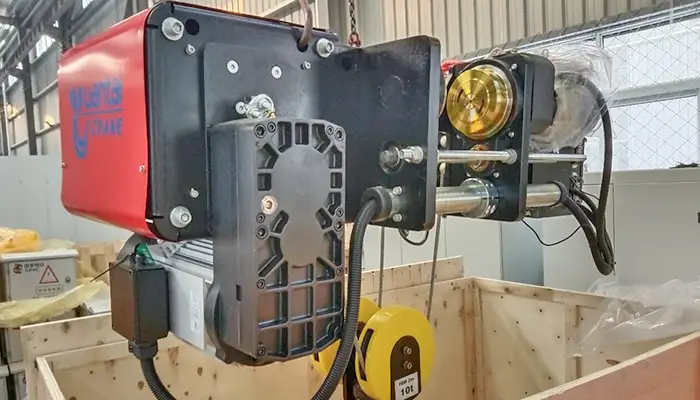
European style electric wire rope hoist
Core Technologies Behind Smart Wire Rope Hoists
Understanding the technologies behind smart wire rope hoists helps buyers make informed decisions about crane efficiency, safety, and maintenance. Remote monitoring, IoT integration, and predictive algorithms are the backbone of modern hoist systems.
Remote monitoring is the foundation of smart hoist management. With sensors in key components, operators get a clear, real-time picture of crane health across multiple sites. This visibility allows maintenance teams to detect issues early and respond before production is affected.
What modern sensors track:
Before diving into numbers and alarms, it's helpful to understand exactly what these sensors observe. They monitor mechanical and operational parameters that directly affect hoist performance.
- Motor temperature: Keeps the motor from overheating and prevents unexpected stops
- Gearbox vibration: Flags misalignment or bearing wear before failure occurs
- Brake wear condition: Ensures reliable stopping performance and operator safety
- Load spectrum and overload events: Shows how frequently the hoist handles maximum loads
- Lifting cycle counts: Helps schedule inspections and component replacement at the right time
- Operating hours: Gives insight into usage patterns and remaining service life
Buyer benefits:
Knowing what the sensors track is one thing. Understanding the value is another. Remote monitoring gives you actionable insight so you can act before minor issues turn into costly repairs.
- Detect abnormal behavior early and prevent mechanical failure
- Reduce unnecessary inspections and avoid downtime
- Support long-term maintenance planning with accurate, real-time data
With remote monitoring in place, crane operators and maintenance teams can respond quickly, prioritize tasks effectively, and make decisions based on facts rather than guesswork. This is especially critical in multi-crane operations where manually tracking each hoist is impractical.
IoT integration brings wire rope hoists into the digital era. By connecting cranes to industrial networks, operators can access real-time data from anywhere, enabling better coordination and faster response to potential issues. This isn't just about convenience—it's about having a complete overview of multiple cranes and hoists at once, which is critical in busy steel mills, manufacturing plants, and logistics yards.
Core components of IoT-enabled hoists:
Before we list them, it's useful to understand that IoT systems combine hardware, software, and communication protocols to create a single, connected environment for monitoring and control.
- PLC-based control systems: Serve as the central "brain," collecting sensor data and managing crane operations automatically
- Cloud dashboards: Display live hoist performance and historical trends, accessible from desktops or mobile devices
- Mobile alert notifications: Send real-time warnings about overloads, abnormal vibrations, or motor temperature spikes
- Maintenance log automation: Records inspections, repair history, and operating hours automatically, reducing paperwork and human error
- Remote diagnostics access: Allows technicians to troubleshoot issues without being physically on-site, speeding up problem resolution
Buyer value:
Integrating IoT doesn't just make data visible; it makes it actionable. Centralized monitoring reduces reliance on manual inspections, improves collaboration between maintenance and operations teams, and ensures cranes and hoists remain safe and productive.
- Enables faster response to potential problems across multiple hoists
- Reduces unplanned downtime by providing timely alerts
- Improves maintenance scheduling and resource allocation
- Supports multi-site operations with a unified view of all crane assets
By implementing IoT systems, industrial buyers can operate smarter and maintain their overhead cranes more efficiently, while also building a foundation for predictive maintenance and long-term cost savings.
Predictive maintenance is about working smarter, not harder. Instead of replacing parts on a fixed schedule or waiting for a failure, predictive systems monitor the actual condition of your wire rope hoists. By analyzing performance trends over time, you can take action exactly when it's needed—no sooner, no later. This approach helps avoid unnecessary downtime and reduces maintenance costs.
Key parameters monitored by predictive systems:
Before looking at the specifics, it's important to understand that predictive maintenance relies on patterns and thresholds. The system doesn't just flag random values—it identifies deviations that signal potential problems.
- Increasing vibration amplitude: Detects worn bearings, misaligned gears, or imbalance in the hoist drum before mechanical damage occurs
- Rising motor temperature over time: Indicates friction, overloading, or motor inefficiency that could shorten component life
- Brake response delay: Identifies early wear in brake pads or hydraulic systems, preventing safety risks
- Abnormal power consumption: Highlights issues like motor strain, electrical faults, or mechanical binding
- Load deviation patterns: Shows repeated overloads or uneven weight distribution that may stress the wire rope or crane structure
Buyer value:
With predictive maintenance, you no longer rely on guesswork or rigid schedules. Maintenance is performed precisely when it's required, which reduces unnecessary part replacements and helps keep a lean inventory of spare parts.
- Alerts maintenance teams automatically when thresholds are exceeded
- Prevents catastrophic failures by addressing problems early
- Reduces spare parts and labor costs through condition-based service
- Supports long-term planning for multiple hoists or crane systems
Predictive algorithms turn raw sensor data into actionable insights. For buyers of steel mill cranes or 15 ton overhead crane systems, this means longer equipment life, fewer emergency repairs, and smoother operations overall.
Why it matters for buyers:
- Reduces unplanned downtime by catching issues early
- Improves safety for operators and maintenance staff
- Helps extend the service life of hoists and cranes
- Provides actionable data for maintenance planning
Smart Wire Rope Hoists: Data and Operational Benefits
Smart wire rope hoists provide industrial buyers with actionable insights, predictive maintenance capabilities, and improved operational efficiency. Understanding the data they collect and the advantages they deliver is critical for steel mill crane and 15 ton overhead crane buyers.
For buyers considering remote operation and smart monitoring for wire rope hoists, knowing what data to track is key. Not all measurements provide the same value, and collecting the right parameters ensures maintenance is timely and effective. Good data lets you anticipate wear, avoid failures, and plan replacements before problems hit production.
Critical parameters for smart hoists:
Before listing the data points, keep in mind that these measurements focus on both mechanical and electrical health. They give a complete picture of how the hoist performs under real-world conditions.
- Load spectrum classification: Tracks the range of weights lifted, showing how often the hoist operates near its maximum capacity
- Peak load history: Records instances of overload or extreme lifting, which helps prevent overstressing equipment
- Wire rope wear indicators: Monitors rope diameter, corrosion, and strand deformation to plan timely replacements
- Drum alignment behavior: Detects misalignment that can cause uneven winding and premature rope wear
- Motor current and voltage stability: Flags electrical anomalies that may indicate motor stress or control system issues
- Gearbox lubrication condition: Ensures proper oil levels and contamination detection to avoid gear damage
- Emergency stop frequency: Reveals how often the hoist is forced to stop, indicating operational or safety issues
- Travel and hoisting cycle counts: Provides usage metrics that inform service intervals and lifespan estimates
Buyer value:
Collecting these parameters isn't just about monitoring; it's about making decisions backed by data. With comprehensive tracking, you can estimate remaining service life accurately, schedule maintenance proactively, and reduce unexpected downtime.
- Enables precise planning for wire rope replacement and component servicing
- Helps prioritize maintenance tasks based on real operational stress
- Provides transparency for multi-crane operations or large industrial facilities
- Supports safety compliance by documenting abnormal events and usage trends
By focusing on the right data, industrial buyers of steel mill cranes, 15 ton overhead cranes, or multi-hoist systems can make smarter maintenance decisions, improve operational efficiency, and extend the life of their equipment.
Unexpected hoist failures can halt production and ripple through an entire operation. Even a short breakdown can have serious consequences for workflow, scheduling, and safety. Understanding what downtime costs—and how to prevent it—is critical for industrial buyers.
Consequences of unplanned hoist failure:
Before planning maintenance, it's important to recognize the real impact of a sudden breakdown. These are the issues you want to avoid:
- Production stoppage: Lines come to a halt, delaying schedules and affecting output
- Labor inefficiency: Operators and maintenance staff are forced into reactive problem-solving
- Delivery delays: Missed shipments can impact customers and supply chain reliability
- Safety risks: Emergency situations increase the chance of accidents and injuries
Predictive alerts from smart systems allow you to schedule maintenance proactively. Instead of reacting to a breakdown, you can plan a controlled shutdown, replace worn components, and get the crane back in operation quickly—saving time, money, and headaches.
Wire rope hoists are built to last, but their lifespan depends heavily on how they're used and maintained. Continuous monitoring gives operators insight into the hoist's condition at all times, helping prevent wear and tear before it becomes serious. This approach keeps equipment running longer and reduces the need for costly replacements.
What continuous monitoring helps prevent:
Before discussing the results, it's helpful to know the common issues that shorten hoist life. Monitoring focuses on these key areas:
- Overloading: Detects when the hoist is lifting beyond its safe capacity, protecting motors, brakes, and structural components
- Excessive braking wear: Tracks brake performance to avoid uneven wear and premature replacement
- Motor overheating: Monitors temperature trends to prevent motor damage from high loads or poor ventilation
- Structural fatigue: Observes patterns of stress on the crane structure, reducing the risk of cracks or deformation
By addressing these issues in real time, operators can extend the life of the hoist, reduce emergency maintenance, and maximize return on investment. Proper monitoring ensures that both the mechanical and electrical components of the crane work reliably for years.
Safety is a top concern for any industrial operation. Wire rope hoists handle heavy loads every day, and any malfunction can create serious hazards. Remote monitoring systems make it easier to track safety-related events and ensure compliance with regulations, without relying solely on manual checks.
What remote systems automatically document:
Before thinking about compliance, it's useful to understand the types of data these systems capture. This documentation helps operators and maintenance teams act quickly and maintain safe operations:
- Overload incidents: Records every time the hoist exceeds its rated capacity, helping prevent repeated misuse
- Safety stop activation: Tracks emergency stop triggers, showing where operational risks may occur
- Maintenance records: Keeps a digital log of inspections, repairs, and component replacements
- Inspection compliance: Confirms that scheduled checks are completed and documented for audit purposes
For regulated environments, such as steel manufacturing plants or heavy workshops, digital traceability is invaluable. It not only ensures the safety of personnel but also provides proof of compliance during inspections, audits, or internal reviews.
Financial Impact: Cost vs. Return
Many crane buyers wonder if investing in smart hoist systems really pays off. The answer lies in comparing traditional maintenance approaches with data-driven, remote monitoring and predictive maintenance. Understanding the cost structure helps make that decision clearer.
Traditional Approach:
Before smart systems, maintenance was mostly reactive. Buyers had to deal with unexpected breakdowns and manage the resulting costs manually. Common challenges included:
- Reactive maintenance: Repairs are performed only after a failure occurs, often causing production stoppages
- Emergency spare parts purchase: Urgent replacement parts can be expensive and difficult to source quickly
- Unexpected downtime losses: Unplanned stoppages impact productivity, delivery schedules, and labor efficiency
- High labor cost for inspection: Frequent manual checks are time-consuming and can strain maintenance teams
Smart System Approach:
By contrast, IoT-enabled hoists with predictive maintenance allow maintenance to be planned based on actual equipment condition, reducing overall costs. Key advantages include:
- Scheduled maintenance planning: Maintenance is performed at the right time, reducing emergency work
- Lower spare parts inventory: Parts are replaced only when needed, saving storage costs and waste
- Predictable service budgeting: Data-driven insights allow more accurate planning of maintenance expenses
- Reduced catastrophic failure risk: Early detection prevents major breakdowns, lowering repair and downtime costs
Over the full lifecycle of a crane or hoist, these smart systems often reduce total cost of ownership, improve reliability, and make long-term maintenance budgets more predictable. For industrial operations—especially in steel mills or heavy workshops—this approach can deliver measurable savings while keeping equipment running safely and efficiently.
Implementation Considerations for Crane Buyers
Adding IoT and remote monitoring to wire rope hoists requires more than just installing sensors. Buyers need to carefully evaluate the operational and technical environment to ensure the system delivers the expected benefits. Proper planning reduces integration issues and maximizes return on investment.
Key factors to evaluate before integration:
Before implementing smart upgrades, consider the elements that will affect system performance and reliability. These factors ensure that both new and existing hoists operate efficiently with remote monitoring:
- Existing crane control system compatibility: Confirm that your current PLCs, drives, and control panels support sensor integration and data collection
- Network infrastructure availability: Ensure industrial Ethernet or wireless networks can handle continuous data transmission without interruption
- Data security protocols: Verify that encryption, user authentication, and access controls are in place to protect operational data
- Cloud vs. on-premise monitoring options: Decide whether you want data stored locally or on cloud platforms for centralized access
- Multi-site equipment integration strategy: Plan how cranes across multiple workshops, yards, or facilities will share data and alerts
- Operator training requirements: Train staff on interpreting alerts, using dashboards, and responding to predictive maintenance notifications
- Environmental factors (heat, dust, vibration in steel mills): Ensure sensors and electronics are rated for the conditions they will face
Smart upgrades can be applied to both new installations and retrofitted existing hoists, giving industrial buyers flexibility. By addressing these considerations early, you ensure smooth implementation, accurate data collection, and reliable remote operation.
Who Benefits Most from Smart Wire Rope Hoists
Not every industrial facility needs advanced remote monitoring, but for operations that rely heavily on lifting equipment, smart wire rope hoists deliver clear advantages. These systems provide real-time insights, predictive alerts, and centralized data that improve safety, efficiency, and equipment lifespan.
Industries and operations that gain the most value:
Before listing them, it’s important to note that the biggest benefits are seen where downtime is costly, hoists run frequently, or multiple cranes need to be coordinated.
- Steel mills operating heavy-duty cranes: High loads and continuous operation demand constant monitoring to avoid costly downtime and safety risks
- High-cycle manufacturing workshops: Facilities with repetitive lifting tasks benefit from predictive maintenance to prevent component wear and optimize production flow
- Logistics centers with multi-crane coordination: Centralized data helps schedule maintenance without disrupting material handling operations
- Ports and bulk handling yards: Remote alerts and monitoring allow operators to manage large-scale hoist operations efficiently across long travel distances
- Maintenance-intensive industrial plants: Facilities with complex lifting systems can reduce labor and parts costs while ensuring reliability
Facilities running critical lifting operations gain the most measurable return. For buyers, this means improved uptime, lower maintenance costs, extended service life, and better overall operational control.
Frequently Asked Questions (FAQ)
Industrial buyers often have questions about remote monitoring, IoT integration, and predictive maintenance before investing in smart wire rope hoists. These FAQs address common concerns and provide practical guidance.
Many buyers wonder if remote monitoring requires a dedicated control room. The answer is no. Modern platforms offer mobile dashboards that display real-time hoist performance and alerts. Operators can check multiple cranes from anywhere, reducing the need to be physically present on site.
"Will this reduce manual inspection completely?"
Some hope that smart systems will eliminate inspections entirely. While predictive monitoring optimizes the frequency and accuracy of checks, regulatory inspections and safety audits are still required. The system complements, rather than replaces, standard maintenance practices.
"Is remote monitoring secure?"
Data security is a valid concern. Industrial monitoring systems use encrypted communication, secure authentication, and access controls to protect operational information. This ensures sensitive performance data cannot be accessed or altered by unauthorized users.
"What happens if the internet connection fails?"
Smart systems are designed with resilience in mind. Local PLCs continue normal hoist operations even if connectivity is lost. Once the connection is restored, data synchronizes automatically, so no information is lost, and operations continue safely.
"Can predictive maintenance detect wire rope failure?"
While it cannot predict every possible failure instantly, predictive maintenance tracks usage patterns, load history, and wear indicators. This information helps schedule timely rope replacement, brake service, or motor checks, significantly reducing the risk of unexpected breakdowns.
Conclusion
Remote operation and predictive maintenance are changing how wire rope hoists and overhead cranes are managed. Instead of waiting for failures and reacting to problems, industrial buyers can now monitor equipment in real time, analyze trends, and plan maintenance based on actual conditions. This approach brings clarity, control, and efficiency to crane operations.
Key benefits for facilities operating steel mill cranes or 15 ton overhead crane systems:
Before considering an investment, it’s helpful to see the tangible outcomes smart monitoring delivers in everyday operations:
- Reduced downtime: Early alerts and predictive maintenance prevent unexpected breakdowns that disrupt production
- Lower maintenance cost: Parts and labor are used more efficiently, reducing unnecessary repairs and inventory
- Extended service life: Monitoring mechanical and electrical performance helps prevent overloading, overheating, and component wear
- Improved safety compliance: Digital logs of overload events, emergency stops, and inspections simplify audits and regulatory requirements
- Data-backed operational decisions: Real-time dashboards allow operators and maintenance teams to make informed choices about scheduling, usage, and resource allocation
Investing in IoT-enabled wire rope hoists isn’t just about keeping up with technology—it’s about managing risk, improving reliability, and maximizing the long-term return on your lifting equipment. For buyers, this means fewer surprises, safer operations, and more predictable production outcomes.