Wire Rope Hoist Safety Checklist | Overload, Brakes, Rope
Wire Rope Hoist Safety Considerations Every Buyer Must Check
Most Important Takeaway:
Before purchasing a wire rope hoist, ensuring that safety systems—overload protection, reliable braking, regular rope inspection, and duty verification—are fully compliant is non-negotiable. Neglecting these can lead to workplace accidents, costly downtime, and regulatory penalties.
Key Takeaways (Buyer-Focused Questions Solved Here)
- Overload Protection Verification: How do I know if the hoist can prevent lifting beyond its rated capacity?
- Brake Reliability: Are the hoist brakes capable of stopping the load safely under all conditions?
- Wire Rope Inspection: What signs of wear or damage should I look for before operation?
- Duty Cycle Confirmation: Is the hoist suitable for my intended lifting frequency and load types?
- Compliance with Safety Standards: Does the hoist meet OSHA, ISO, or CE regulations?
- Maintenance Accessibility: Can I easily perform routine inspections and component replacements?
Introduction
Wire rope hoists handle some of the heaviest lifting in industrial operations. They’re not just equipment—they’re critical tools that keep production moving. That means safety can’t be overlooked. Every lift has potential risks, and buyers need to understand them before making a purchase.
Why Safety Matters:
- Protect Your Team: Accidents from rope failure, overloads, or brake issues can cause serious injuries. Ensuring a safe hoist protects your workers every day.
- Avoid Liability Problems: Using a hoist that doesn’t meet safety or regulatory standards can trigger insurance claims or fines.
- Minimize Operational Losses: A single hoist failure can halt production, delay schedules, and rack up repair costs quickly.
Industrial operations depend on both reliability and safety. When a hoist fails, the cost isn’t just in repairs—it’s lost time, disrupted workflows, and sometimes penalties for non-compliance. Checking features like overload protection, brake reliability, rope condition, and duty suitability is essential before any purchase.
Practical Buyer Takeaways:
- Always verify that the hoist is rated for your maximum expected load.
- Confirm brakes are tested and maintained for emergency and service stops.
- Inspect the wire rope regularly for wear, corrosion, or broken strands.
- Make sure the hoist matches your operation’s duty cycle to prevent early failure.
- Check certifications like OSHA, ISO, or CE to ensure compliance with local regulations.
The bottom line: choosing a wire rope hoist isn’t just about lifting capacity. It’s about protecting people, meeting safety standards, and keeping your operation running without unexpected downtime.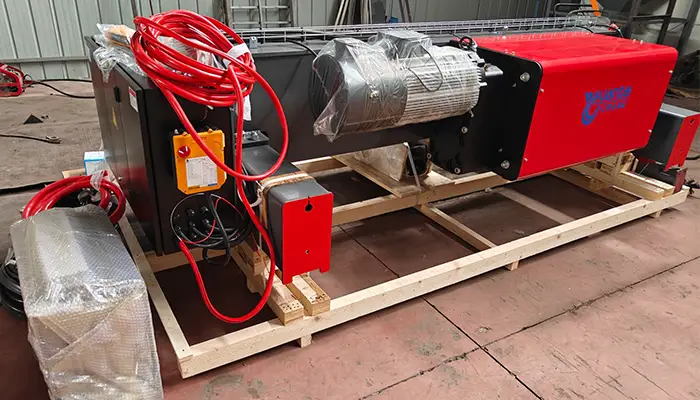
Wire rope hoist, European style electric hoist
Overload Protection
Overload protection is essential to prevent lifting loads beyond a hoist's rated capacity. It's not just about avoiding equipment damage—it's about keeping operators and nearby personnel safe. Modern hoists often combine mechanical and electronic systems to provide multiple layers of protection.
- Mechanical Limiters: These include slip clutches or spring-loaded devices that act as a physical barrier to overloading.
- Electronic Limiters: Sensors detect excessive load and can trigger alarms, slow the lift, or automatically stop the hoist, giving real-time safety feedback.
- Confirm the hoist's rated capacity aligns with your heaviest expected load.
- Check for alarm systems that warn operators before overload occurs.
- Verify automatic cutoffs that prevent lifting if the load exceeds safe limits.
- Hoists without any overload sensors or limiters.
- Rated capacity that barely meets your operational needs, leaving no safety margin.
- Systems that do not alert operators or stop automatically under excessive load.
Brake System Reliability
Brakes are a hoist's critical safety component. They do more than stop a load—they protect operators, materials, and equipment from accidents caused by uncontrolled descent. Understanding the brake system's design and reliability is a must for any buyer.
- Prevents uncontrolled load descent, which could injure staff or damage materials.
- Provides emergency stopping in unexpected situations.
- Emergency and Service Brakes: Confirm the hoist has both to handle routine stops and unexpected conditions.
- Regular Brake Testing Intervals: Ask suppliers for maintenance schedules and test procedures to ensure brakes remain effective.
- Load and Speed Compatibility: Verify that the brakes are rated for the maximum load and speed used in your operation.
- Can the hoist safely hold a fully loaded hook without slipping?
- Will the brakes stop the load reliably in emergencies?
- Are maintenance and replacement straightforward when brakes wear over time?
Wire Rope Inspection and Maintenance
The wire rope is the heart of a hoist. Even a small flaw can quickly turn into a dangerous failure if not caught in time. Regular inspection and maintenance are essential to keep the hoist safe and reliable. Buyers should know what to look for and how often to check it.
- Fraying: Loose or broken strands that indicate weakening of the rope.
- Kinks: Twists or bends that can compromise strength and smooth operation.
- Corrosion: Rust or chemical damage that reduces the rope's load-bearing capacity.
- Broken Wires: Even a few broken wires can signal the rope is near the end of its life.
- Lubrication: Proper lubrication reduces wear and prevents corrosion.
- Set a clear inspection frequency based on usage and environment.
- Maintain proper documentation to track wear, repairs, and replacements.
- Follow replacement criteria specified by the manufacturer; don't wait until the rope fails.
- How do I know the wire rope is safe for daily lifts?
- What signs indicate it needs replacement before failure?
- How do I document inspections to comply with safety regulations?
Duty Verification (Hoist Classification & Application)
Not all hoists are built for the same workload. A hoist that works fine for light-duty operations may fail if used in heavy, continuous lifting. Buyers need to understand duty cycles and match the hoist to their specific operational demands.
- Light-Duty: Occasional lifts, low frequency, minimal load stress.
- Medium-Duty: Regular lifts, moderate loads, daily usage.
- Heavy-Duty: Continuous lifts, high load capacity, demanding industrial applications.
- Single vs. Multiple Lifts: Will you frequently lift one load at a time or multiple loads per cycle?
- Peak Load Conditions: Can the hoist handle maximum expected weights without strain?
- Will this hoist handle my workload day after day?
- Is it suitable for occasional versus continuous lifting?
- How do I choose between a light-duty or heavy-duty hoist based on my operations?
Integration with Safety Compliance
Choosing a hoist isn't just about lifting capacity—it's also about meeting safety regulations. Regulatory compliance protects your staff, keeps operations legal, and avoids costly penalties. Buyers should be proactive in aligning their equipment with recognized standards and ensuring proper use.
- OSHA Compliance: Ensures the hoist meets U.S. workplace safety regulations.
- ISO Standards: Confirms quality and safety across international operations.
- CE Certification: Required for hoists operating in European markets, indicating compliance with health, safety, and environmental requirements.
- Ensure proper installation according to manufacturer guidelines.
- Use clear signage to indicate load limits, hazards, and operational instructions.
- Provide operator training to ensure safe handling and awareness of emergency procedures.
- Maintain inspection records and safety checks.
- Confirm insurance coverage aligns with the type of hoist and duty cycle.
- Keep certificates of compliance and load testing accessible for audits or claims.
Practical Buyer Tips
Selecting the right hoist goes beyond specifications. Practical considerations can save time, reduce maintenance headaches, and improve long-term safety. Here's what experienced buyers check before making a purchase.
- Request load testing results and manufacturer certification to ensure the hoist can safely handle rated capacity.
- Confirm that spare parts are readily available to minimize downtime during maintenance.
- Check for service support or warranties from the supplier.
- Automatic alerts for overload, brake issues, or abnormal conditions.
- Failsafe brakes that engage even if the primary system fails.
- Simple, clear controls and easy-to-read displays.
FAQ / Common Buyer Concerns
Even experienced buyers have questions when selecting a wire rope hoist. Safety, reliability, and long-term operation are top priorities, and these FAQs address the most common concerns.
Conclusion
Selecting a wire rope hoist isn’t just about choosing a piece of equipment—it’s about ensuring safety, reliability, and efficiency in your operations. Buyers need to pay attention to the critical safety features before purchase to avoid costly mistakes.
Key Points to Remember:
- Check overload protection: Make sure the hoist can prevent lifting beyond its rated capacity.
- Verify brake reliability: Ensure brakes can safely hold and stop the load in all conditions.
- Inspect rope condition: Regular checks for fraying, kinks, corrosion, or broken wires are essential.
- Confirm duty suitability: Match the hoist’s duty cycle to your workload, including peak conditions.
Proper selection and maintenance directly protect:
- Your staff – reducing risk of accidents.
- Your equipment – preventing premature wear or catastrophic failure.
- Your business operations – avoiding downtime, delays, and compliance issues.
Finally, consulting with experienced suppliers is invaluable. They can help you:
- Match the hoist to your specific operational demands.
- Recommend safety and maintenance practices.
- Ensure compliance with regulatory standards.
In short, taking the time to verify safety features and align the hoist with your workload isn’t just prudent—it’s essential for smooth, safe, and reliable industrial operations.