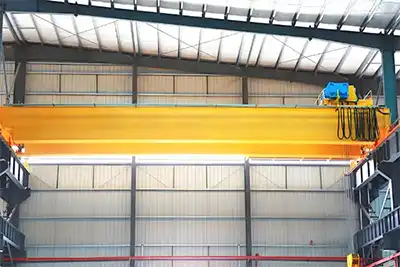
Total Overhead Crane Cost vs Equipment Price: Budget Smart
Total Overhead Crane Cost ≠ Equipment Price: What Else Should Be Budgeted?
The purchase price of an overhead crane or EOT crane is only part of the total investment. Buyers often underestimate expenses like runway preparation, power upgrades, installation, operator training, and maintenance. Planning for the full lifecycle cost ensures safe, efficient, and uninterrupted crane operation.
Introduction
When it comes to buying an overhead crane, many buyers make a simple but costly mistake: they assume that the price tag on the crane itself is the total cost of the project. In reality, the crane’s equipment price—whether it’s a single girder bridge crane, double girder EOT crane, or a hoist system—represents only a portion of the total investment.
Ignoring the other expenses can lead to serious problems. Installation delays can stretch a project by weeks, sometimes even months, if foundations, runways, or electrical systems aren’t ready. Budget overruns are almost guaranteed when buyers forget to include costs like runway reinforcement, crane commissioning, or safety equipment. On top of that, overlooking these factors can create operational inefficiency or even safety risks once the crane is in use.
This guide is designed to help buyers see the full picture. It lays out all the additional costs and considerations that come with installing and operating an overhead crane, from runway preparation and installation to operator training and long-term maintenance. By understanding the total investment upfront, you can plan more accurately, avoid surprises, and ensure your crane performs reliably for years.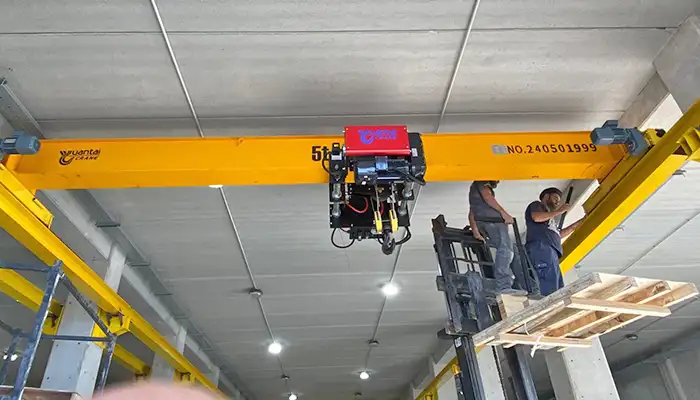 1–50 Ton Overhead Crane for Sale Price & Customization Cost
Key points to consider:
- Equipment price is only the starting point: Don’t stop budgeting at the crane itself.
- Hidden costs add up fast: Runway modifications, electrical upgrades, and safety compliance can easily equal 30–50% of the crane’s base price.
- Operational impact matters: Poor planning doesn’t just cost money—it can slow production and create safety hazards.
- Planning ahead pays off: Knowing all costs upfront allows for better decision-making and a smoother installation.
By keeping these points in mind, buyers can approach overhead crane projects with a clear understanding of the full scope, ensuring that the crane doesn’t just get delivered, but actually works safely and efficiently from day one.
Equipment Cost vs. Total Overhead Crane Cost
When budgeting for an overhead crane, it's important to separate the equipment cost from the total project cost. Many buyers look at the crane price and assume that's all they need to pay. But the truth is, getting the crane itself is just the beginning.
The equipment cost covers the crane's core components:
- Bridge: the main horizontal structure that spans your workspace.
- Hoist: the lifting mechanism that handles the load.
- Trolley: the part that moves the hoist along the bridge.
- Control system: including pendant controls, radio remote, or PLC integration.
These items define the crane's capacity and basic functionality, but they don't include everything else needed to make it work safely and reliably.
The total project cost goes beyond the equipment price. It includes all the necessary steps and materials to get the crane fully operational:
- Runway preparation: beams, foundations, and structural reinforcements.
- Installation: professional setup, alignment, and commissioning.
- Power and controls: electrical panels, wiring, and integration with your facility's system.
- Safety and compliance: limit switches, overload protection, and signage.
- Training and maintenance: operator instruction and preventive maintenance programs.
To put it in perspective, let's look at an example:
- Overhead crane price: $60,000
- Installation, runway, and support costs: $25,000–$50,000
- Total project cost: $85,000–$110,000
This example shows that the extra expenses can easily add 40–80% on top of the crane's base price. Ignoring these costs can lead to serious surprises, both in budgeting and project planning.
- Equipment cost is just the starting point; don't plan your budget based solely on the crane price.
- Total project cost includes structural preparation, installation, power upgrades, safety, and training.
- A clear understanding of all costs upfront helps prevent delays and keeps your project on schedule.
Hidden or Overlooked Costs for Overhead Cranes
Buying an overhead crane isn't just about the price of the bridge, hoist, or trolley. Many of the most significant costs appear during preparation, installation, and operation. Overlooking these hidden expenses can quickly turn a straightforward project into a budget headache. Below, we break down the most common overlooked costs that every crane buyer should account for.
Before a crane can even be installed, the building and crane runway must be ready. This is often a bigger expense than buyers expect.
- Design and engineering: Custom crane runways and beams must be calculated to carry both the crane and its maximum payload safely.
- Reinforcement of existing structures: Older workshops or facilities may require additional support, such as steel bracing or foundation strengthening.
- Foundation work and alignment: The crane runway must be level and straight to avoid misalignment, excessive wear, and operational hazards.
Without proper runway preparation, cranes can experience excessive sway, vibrations, or premature wear on wheels and rails.
Installing an overhead crane is more than just putting it in place. Proper setup is critical for safety and long-term reliability.
- Professional installation: This includes assembling the bridge, trolley, hoist, and control systems. Attempting DIY installation can lead to misalignment and safety issues.
- Alignment, calibration, and load testing: Each crane must be tested under operational loads to ensure smooth movement and safe lifting.
- Final safety inspections and commissioning certificates: Regulatory compliance and verification that all components meet safety standards are essential before the crane is put into operation.
Even if the crane itself is ready, it won't operate without the right power and controls.
- Electrical system upgrades: Transformers, panels, busbars, and wiring may need upgrades to handle the crane's load.
- Voltage and frequency compatibility: Motors and drives must match the facility's electrical supply to prevent damage or performance issues.
- Control system integration: Whether pendant, radio, or PLC-based controls, these systems must be installed, tested, and connected to the crane safely.
Safety isn't optional, and compliance costs are often overlooked.
- Safety devices: Limit switches, overload protection, and emergency stop systems are mandatory for safe operation.
- Work area safety: Guardrails, platforms, and signage help prevent accidents during crane operation.
- Regulatory compliance: Local and international standards (such as OSHA, ISO, or CE) often require inspections and certifications, which carry additional costs.
Even the best crane can't function efficiently if operators aren't trained properly.
- Safe operation training: Operators need hands-on training with bridge cranes, trolleys, and hoists.
- Control system familiarization: Understanding pendant, radio, or automated systems prevents misuse.
- Routine inspections and maintenance procedures: Operators should know how to spot early signs of wear or mechanical issues.
A crane's purchase price is only a fraction of its total cost over its lifetime.
- Spare parts inventory: Motors, brakes, hoists, and control system components should be stocked for quick replacement.
- Scheduled inspections and preventive maintenance: Regular check-ups prevent unexpected downtime and expensive repairs.
- Long-term service contracts: Having access to technical support or maintenance agreements reduces downtime and ensures consistent performance.
Even after installation, running an overhead crane comes with ongoing expenses.
- Equipment insurance coverage: Protects against accidents, damage, or operational failures.
- Downtime costs: Unexpected repair or maintenance periods can impact production schedules.
- Energy consumption: Power costs for running multiple hoists, long crane spans, or heavy loads add up over time.
Key Takeaways:
- Hidden costs often exceed 30–50% of the crane's equipment price.
- Planning for runway prep, installation, safety, training, and maintenance upfront avoids delays and surprises.
- Understanding the full spectrum of costs ensures your overhead crane operates safely and efficiently from day one.
Practical Budgeting Tips for Overhead Crane Buyers
Buying an overhead crane isn’t just about picking the right model—it’s about planning for the full investment so you don’t run into unexpected costs later. The more detailed your budget upfront, the smoother your project will run and the fewer surprises you’ll face during installation and operation.
Here are practical tips to help you budget effectively:
- Prepare a detailed total cost breakdown
Don’t stop at the crane price. List every expense, including runway preparation, installation labor, electrical upgrades, safety systems, operator training, and long-term maintenance. This will give you a realistic view of what the project truly costs and help you make informed decisions. - Include a 10–20% contingency for unforeseen expenses
Even with careful planning, unexpected costs can arise—like additional structural reinforcements, equipment delays, or last-minute electrical work. A contingency buffer ensures your project can handle these surprises without stalling. - Consider future expansion
Think ahead about potential upgrades. Will you need a higher-capacity crane in the future, extra hoists, or a longer span to accommodate new workflow layouts? Including these possibilities in your budget now can save significant costs down the line. - Request a Total Cost of Ownership (TCO) estimate from suppliers
Ask your crane supplier not just for the equipment price, but for a TCO estimate. This should cover installation, maintenance, energy consumption, spare parts, and any recurring operational costs. A TCO helps you compare models realistically and plan for the long-term financial impact.
Questions This Guide Solves
The crane's equipment price—whether it's a single girder bridge crane, double girder EOT crane, or hoist system—only covers the basic hardware. It does not include:
- Runway and structural preparation
- Electrical system upgrades and control integration
- Installation and commissioning labor
- Safety equipment and regulatory compliance
- Operator training and long-term maintenance
Ignoring these additional costs can result in unexpected expenses and operational delays. The equipment price is just the starting point for a full project budget.
Many buyers focus solely on the crane and miss key expenses. Common hidden costs include:
- Runway reinforcement and foundation work for smooth and safe operation
- Power supply upgrades to match crane motors and control systems
- Safety systems like limit switches, overload protection, and emergency stops
- Commissioning and alignment testing to ensure proper performance
- Spare parts and preventive maintenance programs for long-term reliability
Planning for these hidden costs early helps avoid delays and unplanned expenditures.
Budget overruns usually occur when critical steps are overlooked or underestimated. To prevent this:
- Prepare a detailed total cost breakdown, covering equipment, installation, runway, power, safety, and training
- Include a 10–20% contingency for unforeseen issues
- Discuss Total Cost of Ownership (TCO) with suppliers to understand long-term costs
- Plan for future expansion or upgrades to avoid expensive modifications later
By factoring in all of these elements, you can keep the project on schedule and within budget.
Owning an overhead crane involves ongoing expenses beyond installation:
- Maintenance and inspections: Scheduled checks prevent unplanned downtime and extend crane lifespan
- Operator training: Ensures safe and efficient operation while reducing accident risk
- Spare parts inventory: Motors, brakes, hoists, and control components should be readily available
- Regulatory compliance: Maintaining certifications, inspections, and safety devices according to OSHA, ISO, or CE standards
- Energy consumption: Running multiple hoists or long-span cranes affects electricity costs
Accounting for these long-term costs ensures your crane remains reliable, safe, and cost-efficient over its entire lifecycle.
Conclusion: Understanding the True Cost of an Overhead Crane
It's easy to look at the price tag on an overhead crane and think that's the full budget. The truth is, the crane itself is only part of the total cost. Many important expenses are easy to overlook but can quickly add up.
- Runway preparation and structural reinforcement: Ensures the crane travels smoothly and safely without putting stress on the building.
- Installation, alignment, and commissioning: Professional setup guarantees proper performance and reduces the risk of damage or accidents.
- Electrical upgrades and control system integration: Matching motors and controls to your facility's power supply prevents downtime and costly mistakes.
A successful crane project requires looking beyond the equipment. Planning for all aspects of the project upfront reduces delays, prevents budget overruns, and keeps operations running smoothly.
- Infrastructure: Foundations, beams, and crane runways must be correctly designed and aligned.
- Safety: Devices like limit switches, overload protection, and emergency stops protect operators and equipment.
- Training: Operators need proper instruction on crane and control system use to maintain efficiency and safety.
- Maintenance: Having spare parts, preventive inspections, and service contracts in place ensures long-term reliability.
Understanding long-term costs is critical. A TCO estimate includes not just upfront expenses, but all ongoing operational and maintenance costs, giving you a complete picture before purchase.
- Energy and operational costs: Running hoists, long spans, or multiple cranes can add significant electricity expenses over time.
- Long-term service or maintenance contracts: Reduce downtime and keep the crane performing at its best.
- Future expansion or higher-capacity upgrades: Planning ahead avoids expensive retrofits or replacements as your production needs grow.
Bottom Line: Budgeting only for the crane itself is risky. By planning for installation, safety, training, maintenance, and operational costs, you make sure your overhead crane operates safely, efficiently, and reliably for years. A detailed TCO estimate is the best tool to avoid surprises and make informed purchasing decisions.