True Cost of Electric Chain Hoists: Purchase vs Lifetime
Introduction
Electric chain hoists are a cornerstone of modern industrial lifting. From small workshops to large manufacturing plants, they handle tasks that would be slow, unsafe, or impossible by hand. These hoists are versatile, reliable, and suitable for lifting a wide range of loads—from light components in assembly lines to heavy machinery in steel mills.
But when it comes to buying an electric chain hoist, most people focus only on the price tag. That’s where Total Cost of Ownership (TCO) comes in. TCO looks beyond the initial purchase and considers the full cost of operating the hoist over its lifetime.
Here’s the thing: a hoist with a lower upfront cost might look appealing, but it can cost much more in the long run. Maintenance, unexpected downtime, energy use, and even parts replacement can add up quickly. If you only compare sticker prices, you might be setting yourself up for bigger expenses down the line.
Key point: Thinking about TCO ensures you’re not just buying a hoist—you’re investing in long-term efficiency, reliability, and safety.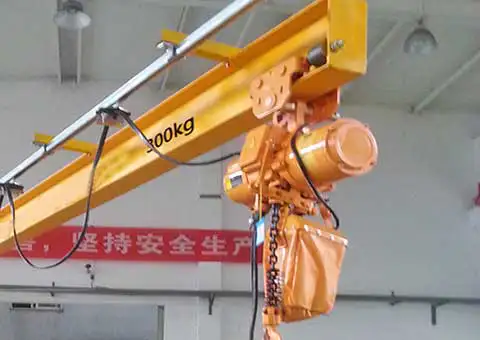
electric chain hoist for sale
Purchase Price of Electric Chain Hoists
When we talk about purchase price, we mean the initial cost you pay to get the hoist up and running. This isn’t just the hoist itself—it also includes several important factors:
- Hoist unit: The main component, including the chain, motor, brake system, and control system.
- Optional accessories: Limit switches, radio remote controls, overload protection, or special hooks.
- Shipping and installation: Getting the hoist delivered and installed properly can add to the upfront expense, especially for heavier or customized models.
A common mistake among buyers is assuming that a lower price means better value. The truth is, cheap hoists often come with hidden costs—frequent repairs, poor energy efficiency, or shorter service life.
Several factors influence the purchase price of an electric chain hoist:
- Brand and certifications: Hoists from reputable manufacturers with CE, ISO, or other safety certifications may cost more upfront but provide consistent performance and support.
- Load capacity and lifting speed: Higher-capacity hoists or faster lifting speeds typically cost more. Picking the right balance for your workflow is critical.
- Single vs. dual speed: Dual-speed hoists offer more precise control but usually come at a premium.
- Standard vs. customized hoists: Off-the-shelf hoists are cheaper, but custom solutions designed for your specific load, environment, or installation constraints can prevent costly downtime later.
Beyond Purchase Price: What Adds to Lifetime Cost
Buying an electric chain hoist is just the beginning. The real cost comes from running it every day in your workshop, factory, or industrial site. A hoist that seems inexpensive at first might end up costing far more over its lifetime if you overlook maintenance, downtime, energy use, and safety. Understanding these factors helps you make smarter, long-term purchasing decisions.
Regular maintenance is essential to keep an electric chain hoist operating safely and efficiently. Skipping maintenance can lead to unexpected breakdowns, shorter lifespan, and higher repair bills. Key maintenance considerations include:
- Inspection and lubrication: Chains, gears, and bearings require routine inspection and lubrication to prevent wear. Neglecting this can cause slow operation or even sudden failure.
- Replacement of critical components: Motors, brakes, and chains wear over time. High-quality hoists may have longer intervals between replacements, but cheap models often need parts swapped more frequently.
- Preventive vs. reactive maintenance: Investing in preventive maintenance is generally cheaper than emergency repairs and avoids production downtime.
Every hour a hoist is out of service impacts productivity. Even a small delay can ripple through an industrial workflow, increasing costs far beyond the price of repairs. Consider the following:
- Lost productivity during repairs: Time spent fixing the hoist is time your team isn't lifting materials. In high-volume operations, this can be costly.
- Impact on industrial processes: Downtime may disrupt assembly lines, material handling, or shipping schedules, creating cascading delays.
Electric chain hoists consume power continuously during lifting operations. Efficiency differences between models can influence your utility costs over time:
- Power efficiency variations: High-quality motors and optimized control systems reduce energy consumption, especially for frequent lifts.
- Load-dependent energy use: Heavier loads or prolonged operation increase electricity costs. Choosing a hoist suited to your workload helps control expenses.
How easy it is to get replacement parts significantly affects long-term costs:
- OEM vs. third-party parts: Original manufacturer parts guarantee compatibility and longevity, while cheaper third-party options may fail sooner or cause additional damage.
- Lead times: Hoists that require rare or imported parts may sit idle for days or weeks, increasing downtime costs.
Even the best hoist can become a liability if operators are not trained or safety procedures aren't followed:
- Training costs: Operators need proper instruction on hoist operation, load limits, and emergency procedures.
- Safety incidents: Misuse or accidents can lead to equipment damage, injury, regulatory fines, or production stoppages. Investing in training reduces long-term costs and protects your workforce.
By factoring in maintenance, downtime, energy, parts, and operator training, you can see how the true lifetime cost of a hoist often far exceeds the initial purchase price. Savvy buyers don't just compare hoist prices—they calculate Total Cost of Ownership (TCO) to make a decision that saves money and improves efficiency over years of operation.
Calculating Total Cost of Ownership (TCO)
Understanding the true cost of an electric chain hoist means looking beyond the sticker price. Total Cost of Ownership (TCO) provides a complete picture of what a hoist will actually cost over its lifetime, helping buyers make smarter, more cost-effective decisions.
To calculate TCO, consider all relevant costs, not just the purchase price. A simple formula can help:
TCO = Purchase Price + Maintenance Costs + Energy Costs + Downtime Costs + Parts Replacement + Operator Training & Safety Compliance
Breaking it down:
- Purchase price: Initial investment, including the hoist unit, installation, and any optional accessories.
- Maintenance costs: Routine inspections, lubrication, and replacements for wear parts like chains, brakes, and motors.
- Energy costs: Electricity consumed during operation, which varies depending on hoist efficiency and load requirements.
- Downtime costs: Lost productivity and delays when the hoist is under repair or maintenance.
- Parts replacement: Cost of OEM or compatible spare parts over the hoist's lifespan.
- Operator training and safety compliance: Time and resources spent on training staff and maintaining safety standards.
Let's compare two hoists handling the same load in a medium-sized workshop:
Low-cost hoist
- Purchase price: $2,500
- Frequent breakdowns: 3–4 maintenance events per year
- Energy efficiency lower: slightly higher electricity usage
- Average downtime per event: 6–8 hours
- TCO over 5 years: $6,500–$7,000
High-quality hoist
- Purchase price: $4,000
- Minimal maintenance: 1–2 events per year
- Energy-efficient motor: lower electricity use
- Average downtime per event: 1–2 hours
- TCO over 5 years: $5,500–$6,000
This example shows that buying cheap upfront can lead to higher long-term costs, while investing in a quality hoist reduces downtime, maintenance, and operational headaches.
When comparing hoists, buyers often overlook indirect costs:
- Frequent breakdowns that halt production
- Higher energy bills due to inefficient motors
- Shorter lifespan requiring earlier replacement
- Extra training or safety concerns due to poor design or controls
Factoring these into your decision helps avoid surprises and ensures your investment truly delivers value over its lifetime.
Benefits of Investing in Higher-Quality Hoists
When it comes to electric chain hoists, going for the cheapest option isn't always the smartest move. Higher-quality hoists might cost more upfront, but they often save money and headaches in the long run. Here's why:
A high-quality hoist is built to handle consistent, heavy use without breaking down. That means fewer unexpected repairs and less interruption to your workflow.
- Less frequent maintenance reduces labor and parts costs.
- Fewer breakdowns keep production lines running smoothly.
- Reliable performance avoids emergency downtime that can affect the entire operation.
Premium hoists are designed with durability in mind. Components like motors, chains, brakes, and control systems last longer, which spreads your investment over many years of use.
- High-quality materials resist wear and corrosion.
- Advanced engineering reduces strain on critical parts.
- Extends the time before a full replacement is needed, lowering overall lifetime cost.
Safety isn't optional in industrial lifting. Quality hoists meet rigorous safety standards, often with CE, ISO, or other certifications, and include features that protect operators and loads.
- More consistent lifting performance reduces risk of accidents.
- Built-in safety features like overload protection and reliable brakes prevent costly incidents.
- Reduces downtime caused by accidents or regulatory compliance issues.
When it's time to upgrade or replace equipment, high-quality hoists retain value better than low-cost alternatives.
- Easier to resell or trade in due to brand reputation and condition.
- Higher resale value can offset the original purchase price.
- Helps maintain a safer, more efficient workshop with minimal financial loss.
Buyer Considerations & Practical Tips for Buyers
Selecting the right electric chain hoist goes beyond picking a model off the shelf. Savvy buyers think about their specific needs, the working environment, and long-term efficiency. Making the right choice upfront can prevent costly mistakes later.
Not all hoists are created equal. The right hoist depends on how you plan to use it. Consider:
- Frequency of use: Is the hoist needed for occasional lifts or continuous, heavy-duty operation? High-usage applications demand more durable, reliable models.
- Load capacity requirements: Choose a hoist rated slightly above your maximum load to account for safety margins and unexpected lifts. Overloading a hoist can quickly lead to breakdowns or accidents.
- Environment: Indoor vs. outdoor, dusty or wet conditions, or hazardous areas can all affect hoist performance. Explosion-proof or corrosion-resistant hoists may be necessary for specific settings.
A reputable supplier can make a huge difference in lifetime costs. Consider:
- Availability of technical support and troubleshooting guidance.
- Warranty coverage and terms for both parts and labor.
- Speed and ease of obtaining replacement parts, especially OEM components.
A supplier that stands behind their product reduces downtime and long-term operational headaches.
While a lower upfront price might be tempting, short-term savings can lead to higher costs later. Smart buyers prioritize:
- Reliability over initial cost—less downtime and maintenance.
- Operator safety and compliance, which reduces incidents and regulatory risk.
- Energy efficiency, which can lower electricity costs over years of operation.
Ask suppliers to provide a detailed Total Cost of Ownership estimate. This should include purchase price, maintenance, energy, downtime, parts replacement, and training costs. Seeing all these numbers side by side helps you compare hoists fairly.
Don't just look at the sticker price. A hoist that costs more upfront might actually save money over years of operation thanks to lower maintenance and downtime.
Speak with other customers who have used the same hoist. Real-world performance, reliability, and ease of maintenance often reveal more than specifications on paper.
Taking these practical steps ensures your hoist not only fits your immediate needs but also minimizes surprises and extra costs down the line.
Conclusion
The true cost of an electric chain hoist isn’t just the purchase price—it’s the sum of purchase price plus all lifetime costs. Maintenance, energy, downtime, and safety considerations all factor into the real investment.
Strategic buyers focus on Total Cost of Ownership (TCO) rather than just the sticker price. By choosing a hoist that balances upfront cost, reliability, and operational efficiency, you protect your workflow, save money over time, and keep your operation running safely and smoothly.
Investing wisely today means fewer headaches tomorrow—and a hoist that delivers real value throughout its entire service life.