1 to 10 Ton A-Frame Crane for Sale for Industrial & Workshop Use
Introduction: What Is an A-Frame Crane?
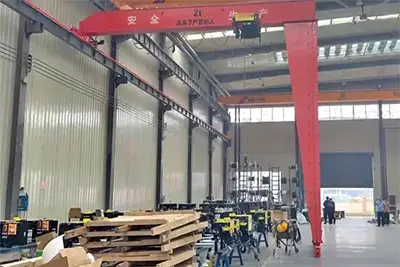
An A-frame crane is a type of gantry crane characterized by its distinctive triangular frame that resembles the letter "A." This design provides solid stability and support when lifting loads, making it a reliable choice for many industrial and workshop settings. Unlike overhead bridge cranes, which require fixed runway beams, A-frame cranes are freestanding and often portable, giving them the flexibility to be used in a variety of environments.
The key structural feature of an A-frame crane is its two inclined legs that meet at the top, forming a rigid, stable shape. Between these legs runs a horizontal beam (also called the crossbeam or gantry beam), which supports the hoisting mechanism. This structure allows the crane to lift and move heavy objects safely without the need for permanent installation.
You might also hear A-frame cranes referred to as “crane a frame” or “gantry crane a frame” in different regions or industries. These terms all point to the same basic design but sometimes emphasize the crane’s application or structure in slightly different ways.
Historically, A-frame cranes have been around for decades, valued for their simplicity and efficiency. They originated as practical solutions for lifting in environments where installing overhead cranes was either too expensive or impossible. Over time, improvements in materials and design have expanded their use, but the core triangular frame concept remains unchanged because it works well.
- Freestanding, triangular frame shape
- Portable or fixed options available
- Supports hoists on a horizontal beam
- Also called “crane a frame” or “gantry crane a frame”
- Used in workshops, construction sites, and light to medium industrial lifting
This straightforward design is what makes A-frame cranes a trusted choice for reliable lifting where flexibility and cost-effectiveness matter most.
Types and Materials of A-Frame Cranes
Frame Material Options -
A-frame gantry cranes are built using two main materials: steel and aluminum. Each serves different lifting needs depending on capacity and mobility.
Steel A-Frame Cranes-Steel cranes are strong and durable, suited for heavy loads in industrial settings. They are not easy to move but provide high stability and long service life.
Aluminum A-Frame Cranes-Aluminum cranes are lightweight and portable, making them a popular choice for light-duty work, maintenance tasks, or mobile jobs.
Design Types
A-frame gantry cranes are also classified by their design. The main types include fixed height, adjustable height, and collapsible or folding models.
- Fixed Height A Frame Cranes This type has a constant lifting height. It is simple and reliable, best for locations where height changes are not required.
- Adjustable Height A Frame Cranes- These cranes allow the user to raise or lower the beam height. Ideal for facilities with different lifting needs or ceiling heights.
- Folding or Collapsible A Frame Cranes -Designed for easy storage and transport, folding cranes are ideal for mobile technicians or users with limited space.
A-Frame Gantry Crane Specifications
| Type | Material | Capacity | Self-Weight | Span | Height |
|---|---|---|---|---|---|
| Fixed Height | Steel / Aluminum | 0.5–10 tons | 150–800 kg | 2–6 m | 2.5–5 m |
| Adjustable Height | Steel / Aluminum | 0.5–5 tons | 100–600 kg | 2–5 m | 2–4.5 m |
| Folding | Aluminum | 0.5–3 tons | 50–250 kg | 1.5–4 m | 1.8–3 m |
| Heavy-Duty Steel | Steel | 5–10 tons | 500–1200 kg | 3–6 m | 3–5 m |
| Lightweight Aluminum | Aluminum | 0.5–2 tons | 40–150 kg | 1.5–3.5 m | 1.8–3.5 m |
Typical Applications of A-Frame Cranes
A-frame cranes are incredibly versatile and find use in a range of industries and situations. Here are some of the most common places you’ll see them in action:
- Workshops and Small Factories: In smaller manufacturing or repair shops, space can be tight and lifting needs vary. A-frame cranes fit perfectly here because they don’t require complex installations and can be moved as needed. They help with lifting heavy parts, machinery, or materials during assembly or maintenance.
- Construction Sites: Construction projects often need flexible lifting equipment that can be set up quickly and moved around as the site changes. A-frame cranes provide a sturdy solution for lifting beams, panels, and equipment without relying on permanent infrastructure.
- Maintenance and Repair: Whether it’s routine machinery maintenance or emergency repairs, A-frame cranes make it easier to lift and position heavy components safely. Their portability means they can be brought directly to the work area, reducing downtime.
- Outdoor Lifting and Assembly: When lifting tasks happen outdoors—like assembling large structures or handling materials in open yards—A-frame cranes are a good fit. Their simple design handles rough environments well, and aluminum models are especially useful when corrosion resistance is important.
Why Are A-Frame Cranes Preferred in These Settings?
- Portability: Many models come with wheels or folding features, making it easy to move the crane where it’s needed most. This is especially valuable on job sites or workshops where lifting locations change frequently.
- Ease of Use: The simple, freestanding design means no need for fixed rails or runways. Setup is quick and doesn’t require specialized installation teams.
- Cost-Effective: Compared to overhead cranes or jib cranes, A-frame cranes are more affordable, both in initial cost and ongoing maintenance.
- Flexible Capacity: With various sizes and materials available, these cranes can handle light to moderately heavy loads, adapting to different tasks without overkill.
In short, A-frame cranes offer practical lifting solutions wherever flexibility, quick setup, and reliable performance are needed.
Benefits of Using A-Frame Cranes
A-frame cranes offer several practical advantages that make them a solid choice for lifting tasks across different settings.
- Stable and Safe Design: The classic triangular shape of an A-frame crane isn’t just sturdy—it provides excellent balance and reduces the risk of tipping. This stability means safer lifting, especially when handling heavy or uneven loads.
- Easy to Move and Set Up: Many A-frame cranes come with wheels or folding mechanisms, allowing you to reposition or store them with minimal effort. No need for permanent installation or complex setup—just wheel it in, lock it down, and get to work.
- More Affordable Than Other Crane Types: Compared to overhead bridge cranes or jib cranes, A-frame cranes usually come at a lower price point. They also save money on installation and maintenance, which makes them attractive for businesses watching their budget.
- Versatility in Design Options: Whether you want a fixed-height frame for routine lifts, an adjustable model for variable heights, or a collapsible crane for tight spaces, there’s an A-frame crane built to match your specific requirements.
- Handles a Range of Loads: From lightweight aluminum models for smaller jobs to heavy-duty steel frames that lift multiple tons, A-frame cranes cover a broad spectrum of lifting capacities.
All in all, A-frame cranes strike a good balance between reliability, flexibility, and cost, making them a practical choice for many industrial and workshop applications.
Comparison With Other Crane Types
When planning for lifting equipment under 10 tons, it's important to evaluate how A-frame gantry cranes compare to other common systems. The right crane depends on your working environment, how often you lift, available space, and whether mobility or fixed installation is more critical. Here's a practical look at how A-frame cranes perform alongside other crane types.
Portable A-Frame Gantry Cranes
These cranes are designed for flexibility and quick deployment in small workshops or open work areas. They are a top choice for low-volume or irregular lifting tasks.
- Application: Best suited for light-duty, mobile lifting tasks in workshops, garages, or job sites.
- Advantages: Easy to move, quick to set up, low initial cost, does not require permanent installation.
- Limitations: Limited span and lifting height, best for smaller and occasional lifts.
Light-Duty Overhead Bridge Cranes
This crane type is ideal for structured, high-frequency lifting inside buildings. It’s commonly found in production environments that demand constant material flow.
- Application: Ideal for continuous, repetitive indoor lifting across a fixed area.
- Advantages: Offers wide coverage across bays or production lines; efficient for integrated workflows.
- Limitations: Requires runway beams and fixed installation; higher upfront cost; not portable.
Jib Cranes (Wall or Floor Mounted)
Jib cranes offer a compact lifting solution for localized handling needs. They are commonly used alongside workstations or machinery where tight placement is needed.
- Application: Suitable for localized lifting near machinery or workbenches.
- Advantages: Space-saving, precise lifting, relatively low cost.
- Limitations: Fixed radius, non-mobile, limited reach.
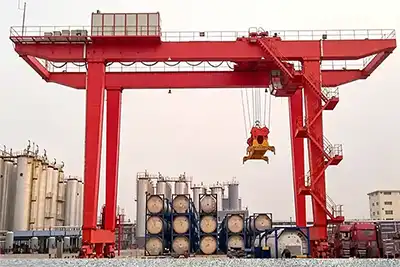
Rail-Mounted Gantry Cranes
These cranes run on fixed rails and are used in open yards or workshops with designated travel paths. Their lifting capacity and reach can vary depending on the frame design.
Application: Better for outdoor yards or workshops needing repeated movement along a defined path.
Types:
- A-Frame Type: Simple and balanced; good for general lifting.
- L-Frame Type: Increased clearance on one side, suitable when obstructions are present.
- U-Frame Type: Designed for high-clearance lifts or where large items must pass between legs.
Limitations: Requires rail installation; fixed path limits flexibility.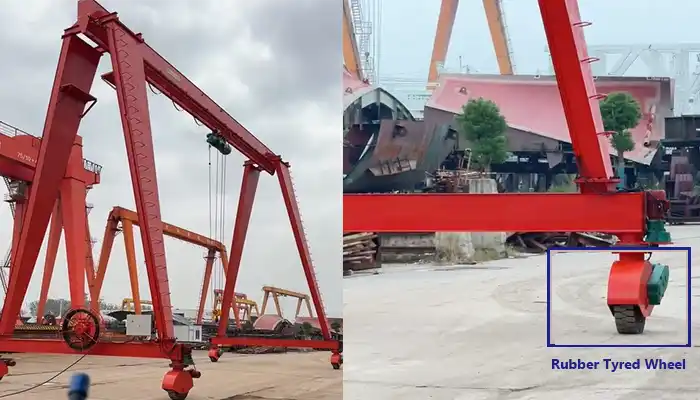
16 ton gantry crane with rubber tyred wheels
Rubber-Tyred Gantry Cranes (RTGs)
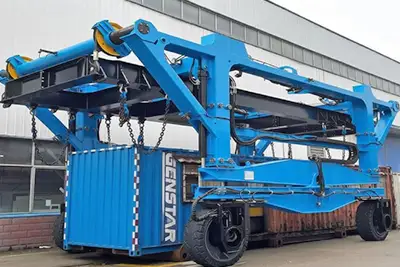
RTGs allow for full mobility on flat ground without rail installation. They are popular in construction sites, yards, and temporary setups where movement flexibility is essential.
Application: Used in open yards or areas requiring crane mobility without rails.
Types:
- A-Frame RTG: Compact and lighter; more cost-effective and easy to maneuver.
- U-Frame RTG: Built for bulk handling with high vertical clearance.
Limitations: Requires strong, flat ground; U-frame versions have a wider turning radius and higher cost.
Conclusion and Send An Inquiry
A-frame gantry cranes continue to be a practical and dependable choice for many industries handling loads under 10 tons. Their simple structure, ease of use, and versatility across different work environments make them ideal for workshops, maintenance areas, and temporary job sites.
Whether you need a fixed-height frame for repeated lifting tasks or a lightweight aluminum crane for occasional use, there's an A-frame crane configuration to match your specific needs. Both steel and aluminum options are available in portable, adjustable, and folding designs, offering a balance of strength and mobility.
If you're considering a new crane or want help selecting the right model, we're here to assist. Our team can provide tailored recommendations, custom configurations, and fast quotes based on your requirements.
Feel free to contact us for a personalized solution. You can also browse through different crane categories or explore our rental options if you need equipment on a short-term basis.