15 Ton Double Girder Crane Customization & Cost Tips
Focus: Practical guidance on customizing and managing costs for 15 ton double girder cranes across various industrial applications.
Introduction
When it comes to lifting heavy loads in industrial settings, 15 ton double girder cranes hold a solid place. They’re a common choice in many factories, warehouses, and steel mills where you need reliable strength but don’t necessarily require the extra bulk or cost of heavier cranes. These cranes strike a practical balance between capacity and size, making them a go-to option for many mid-sized operations.
Customizing a 15 ton double girder crane isn’t just a nice-to-have — it’s essential. Off-the-shelf cranes might not fit your specific workspace, the types of loads you handle, or your workflow. When you get a crane that’s tailored to your actual needs, you save money and avoid headaches later on.
- Better fit for your facility: Not every plant is the same size or layout. Customization ensures the crane fits perfectly within your building’s height, width, and span constraints.
- Meets exact lifting needs: You avoid paying for unnecessary capacity or features you don’t use.
- Improves safety and efficiency: Custom safety devices and controls can match your operational risks and improve productivity.
- Long-term savings: A crane built for your use pattern will last longer and cost less to maintain.
In short, a customized 15 ton double girder crane gives you what you really need — no more, no less — making it a smart investment for any industrial operation.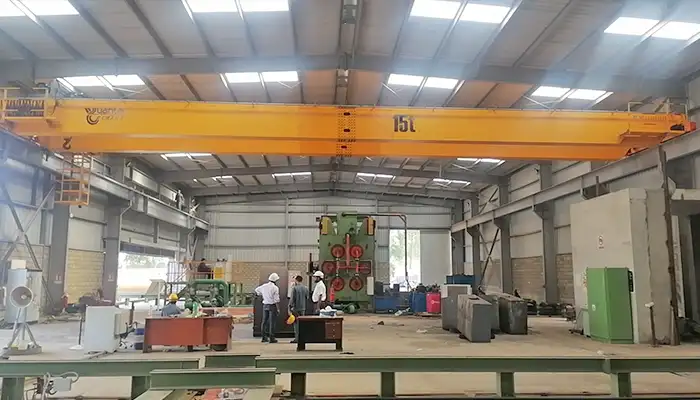
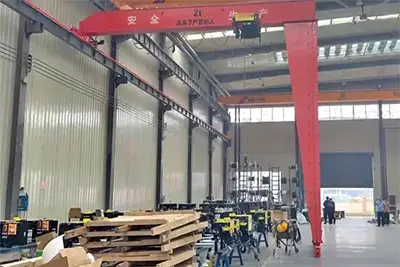
15 ton double girder overhead crane for sale
Common Industrial Applications
15 ton double girder cranes are used across a wide range of industries, and for good reason. Their capacity fits many common tasks where heavier cranes would be overkill, and lighter cranes wouldn’t cut it. Here are some of the main places you’ll find them:
- Foundries and steel mills: These cranes handle heavy steel billets, molds, and slabs. They need to lift loads safely while withstanding tough conditions like heat and dust.
- Manufacturing plants: Whether it’s moving heavy machinery parts or large assemblies, these cranes provide the strength and precision needed for efficient production.
- Warehousing and logistics centers: They speed up loading and unloading of bulky goods, reducing manual labor and turnaround time.
- Construction sites and fabrication workshops: Here, the crane’s role is to move structural components and heavy materials quickly and safely around the site.
Each industry presents its own lifting challenges, so the crane’s design has to match those specifics. For example:
- Load weight and size: Steel slabs can be huge and unevenly shaped, requiring special grabs or clamps, while machine parts might need precise positioning.
- Work environment: Dust, moisture, heat, or even corrosive atmospheres mean the crane must have protective coatings and reliable safety features.
- Frequency of use: Some factories run their cranes nonstop, demanding durable components and easy maintenance, while others use them only occasionally but still expect reliability.
- Space constraints: Workshops or warehouses often have low ceilings or narrow aisles, so crane dimensions and controls have to adapt accordingly.
Customization Factors That Impact Performance and Cost
When you’re looking at a 15 ton double girder crane, customization isn’t just about making it look right — it directly affects how well the crane performs and what you’ll end up paying. Let’s break down the main areas where choices matter.
Span & Lifting Height
The crane’s span (the distance between the runway rails) and lifting height must fit your building and the size of the loads you handle. Too small a span limits where you can move loads; too large means unnecessary material and cost. Similarly, if the lifting height is off, it can cause problems like not being able to stack materials properly or inefficient workflow.
- Measure your workspace carefully before ordering
- Think about future needs, like stacking higher or expanding operations
- Balance current lifting height requirements with cost — extra height can add up
Speeds & Controls
How fast the crane moves can affect productivity, but speed often comes with higher costs and more wear. Adjustable speeds for the hoist and trolley allow you to tune the crane to the job: faster for lighter loads or slower for precision work.
Control options vary, too:
- Pendant control: simple, reliable, and cost-effective
- Radio remote: gives the operator flexibility and better visibility
- Cabin control: used in larger facilities where the operator needs an elevated view
Choosing the right control method impacts safety, ease of use, and price.
Hoisting Mechanisms
Your lifting method makes a big difference. Wire rope hoists are common and robust for heavy loads. Electric chain hoists are more compact and better for certain workshop environments. Some jobs need special grabs, clamps, or magnets depending on what’s being lifted.
- Wire rope hoists suit continuous, heavy-duty work
- Electric chain hoists work well for moderate duty and tighter spaces
- Specialized lifting devices may add to upfront cost but improve efficiency and safety
Power & Safety
Your crane has to match the available power supply. Voltage differences can affect motor selection and costs. Also, safety features can’t be an afterthought.
- Overload protection systems prevent damage and accidents
- Anti-sway controls make handling heavy loads safer and easier
- Explosion-proof options are critical if you work in hazardous environments
These features add cost but can save money and downtime in the long run.
Materials & Finishes
The crane’s build quality affects durability. Using higher-grade steel improves strength and reduces weight. Finishes like corrosion-resistant paint or galvanization are vital in humid, salty, or chemical environments.
- Choose materials based on your environmental conditions
- Protective coatings help avoid costly repairs and extend service life
In all, these customization factors balance your crane’s price against its performance and lifespan. Knowing which options you truly need helps avoid paying for features that won’t add value to your specific operation.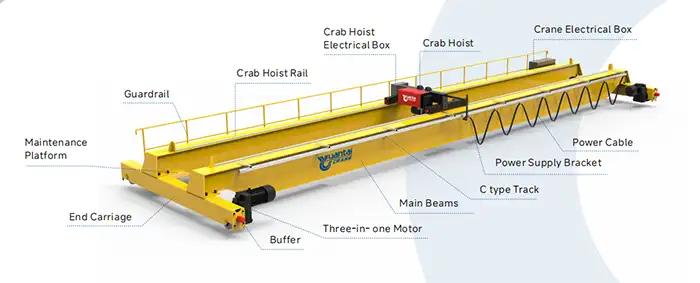
Key Cost Drivers
Understanding what drives the price of a 15 ton double girder crane helps you plan your budget wisely. Not all costs are obvious upfront, and some components or services can significantly affect your total investment. Here’s a closer look at the biggest cost factors.
Structural Components (Girders, End Trucks) and Hoist Quality
The backbone of any overhead crane is its structure — the girders and end trucks carry the load and allow smooth movement.
- Girders: Double girders mean two parallel beams supporting the hoist. The quality of the steel, the design thickness, and the manufacturing process all affect strength and weight, which in turn impact price. Higher-grade steel or extra reinforcements cost more but last longer and handle stress better.
- End trucks: These are the wheel assemblies that run along the runway beams. Precision engineering here means smoother travel, less wear, and less downtime, but it also adds to the cost.
The hoist is equally important. A good-quality hoist with reliable motors, gearboxes, and brakes reduces breakdowns and maintenance. Cheaper hoists may lower the upfront price but can cause costly delays or repairs later.
Electrical Systems and Automation Levels
Electrical components can make or break your crane’s performance and safety.
- Basic electrical systems include motors, wiring, control panels, and switches. Using certified, high-quality parts ensures reliability and compliance with safety regulations but usually costs more.
- Automation and control levels vary widely: from simple manual controls to semi-automated functions like load positioning, and even fully automated crane operation. More automation means higher initial costs due to advanced sensors, PLCs (programmable logic controllers), and software, but it can improve precision and reduce labor costs.
Choosing the right balance depends on your operation’s complexity and budget.
Installation, Testing, and Commissioning
Don’t overlook the cost of getting your crane up and running. Installation includes:
- Delivering and assembling the crane components on-site
- Aligning and securing runway beams and girders
- Electrical wiring and connecting power supplies
- Testing all mechanical and electrical systems to ensure safety and functionality
- Training your operators if needed
Installation costs vary depending on site conditions, complexity, and location. Tight or hard-to-access spaces, or projects requiring downtime, can increase labor and time expenses.
Optional Features and After-Sales Services
Optional add-ons can improve safety, efficiency, and crane lifespan, but they add to your initial price tag. These might include:
- Remote controls and radio systems for safer operation
- Anti-sway devices for smoother handling
- Specialized hooks, grabs, or magnets tailored to your loads
- Explosion-proof components for hazardous environments
- Additional safety sensors and alarms
After-sales service is another critical cost area. Reliable suppliers offer warranties, regular maintenance programs, spare parts availability, and emergency repairs. Investing in good support reduces downtime and extends your crane’s useful life — often saving money over time, even if the upfront cost is higher.
Cost Optimization Tips
Buying a 15 ton double girder crane is a significant investment, so it’s smart to spend your money where it counts most. Here are some practical tips to help you keep costs down without sacrificing quality or performance.
Assess Real Lifting Needs to Avoid Overspending
It’s easy to think “bigger is better” when buying cranes, but that often leads to paying for capacity you never use. Take the time to analyze your actual load weights, lifting frequency, and operational demands.
- Look at your heaviest loads and add a reasonable safety margin—usually 10-20%
- Consider whether your workload is steady or occasional
- Avoid upgrading to a 20 ton crane “just in case” if your loads rarely approach 15 tons
Knowing your true needs keeps your purchase focused and cost-effective.
Choose Certified Factory-Direct Manufacturers for Cost and Quality Balance
Buying directly from certified manufacturers—especially those with ISO and CE certifications—can give you the best value. You avoid middlemen markups and get reliable quality assurance.
- Factory-direct suppliers often offer better customization options at lower prices
- Certifications ensure compliance with safety and quality standards
- You’ll have clearer communication and quicker responses
This approach helps balance upfront cost with long-term dependability.
Prioritize Essential Customizations Based on Operation Requirements
Customization is important, but not every add-on is necessary for every operation. List out the features you really need to match your work environment and lifting tasks.
- Focus first on safety and functionality features
- Don’t pay extra for automation or controls you won’t use regularly
- Consider future needs but avoid overbuilding now
This prioritization prevents wasted expenses on unnecessary extras.
Consider Modular Designs for Scalability and Easier Upgrades
Some manufacturers offer modular crane designs that let you add or upgrade features over time. This can spread costs and keep your crane current without full replacement.
- Modular components like hoists, controls, or safety devices can be swapped or improved later
- Allows you to scale up if production demands increase
- Simplifies maintenance and part replacement
Planning for modularity means you’re not locked into one fixed setup.
Factor in Maintenance and Energy Efficiency for Total Cost of Ownership
The cheapest crane upfront may cost more over its lifespan. Look beyond purchase price to maintenance needs and energy consumption.
- Choose high-quality motors and components that last longer and need less repair
- Energy-efficient designs reduce operating costs
- Regular maintenance programs can prevent expensive breakdowns
Considering total cost over time helps you make a smarter investment that pays off in the long run.
Matching Crane Types to Industrial Scenarios
Not all 15 ton double girder cranes are built the same. Depending on your industry and how you use the crane, certain types and features will suit you better. Here’s how to match your crane choice to your specific situation.
Continuous Heavy-Duty vs. Intermittent Light Use
If your operation runs around the clock, like in a steel mill or busy manufacturing plant, you’ll need a crane designed for heavy-duty, continuous use. These cranes have reinforced structures, high-quality motors, and robust controls to handle nonstop workloads without overheating or wearing out quickly.
On the other hand, if your crane use is occasional or light—say, in a smaller workshop or warehouse—you can opt for a simpler, lighter-duty design. This saves you money on upfront costs and maintenance, without sacrificing reliability for your lower demands.
Indoor vs. Outdoor Environment Adaptations
Where the crane works affects its design and materials. Indoor cranes typically don’t need weatherproofing, so paint and coatings can be basic. But if your crane is outdoors, exposed to sun, rain, dust, or chemicals, it needs extra protection:
- Weather-resistant paint and corrosion-proof coatings
- Sealed electrical systems to prevent moisture damage
- Optional covers or cabins to shield operators and controls
Choosing the right adaptations ensures longer crane life and fewer breakdowns.
Standard vs. Explosion-Proof Cranes
If your work environment involves flammable gases, dust, or hazardous materials—like chemical plants, grain silos, or paint factories—you’ll need explosion-proof cranes. These cranes use special electrical components and safety features to prevent sparks and reduce the risk of accidents.
While explosion-proof cranes cost more upfront, they are necessary for safety and regulatory compliance in hazardous zones.
Manual vs. Semi-Automated/Automated Operation
Some operations prefer simple manual control with pendant or radio remotes. It’s straightforward and cost-effective for many routine tasks.
However, semi-automated or fully automated cranes are growing in popularity in high-precision or high-volume industries. These cranes can:
- Automatically position loads with sensors and controls
- Reduce operator fatigue and increase safety
- Improve repeatability and efficiency
Choosing the right level of automation depends on your budget, workload, and how much you want to invest in technology.
Matching your 15 ton double girder crane to your specific industrial scenario is key to getting the right performance without overspending on unnecessary features. Think about how you work today—and where you might be headed tomorrow.
How to Get Accurate Quotes and Make Informed Purchases
Getting a fair price and the right crane starts with clear communication and careful evaluation. Here’s how to make sure you get accurate quotes and make smart buying decisions.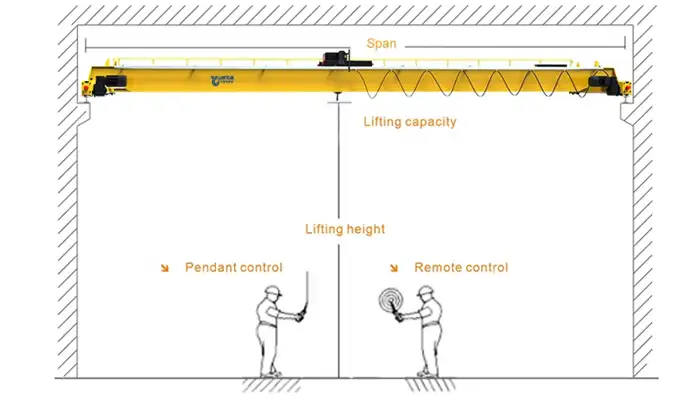
Provide Detailed Specs and Site Info to Suppliers
Don’t expect suppliers to guess your needs. The more information you share upfront, the better your quote will match what you actually require.
- Include exact lifting capacity, span, and lifting height
- Describe the type of loads and frequency of use
- Provide details about your facility: ceiling height, runway beam dimensions, power supply, and environment conditions
- Share any special requirements, like explosion-proof features or automation
This clarity saves time, reduces misunderstandings, and avoids costly surprises.
Request Transparent Cost Breakdowns
Ask suppliers to itemize their quotes clearly. You want to see how much goes toward the crane’s structure, hoist, controls, installation, and optional features.
- Compare apples to apples between different suppliers
- Spot where you might be paying extra for features you don’t need
- Understand installation and after-sales service costs separately
Transparency helps you evaluate value rather than just the bottom-line number.
Evaluate Warranty, Support, and Spare Parts Availability
A crane isn’t just a one-time purchase. Check what kind of warranty coverage the supplier offers and how easy it is to get spare parts and maintenance support.
- Longer warranties often reflect better quality
- Local or quick-response service centers can reduce downtime
- Availability of spare parts means faster repairs and less disruption
Good support reduces headaches and keeps your crane running smoothly over time.
Choose Suppliers with Relevant Industry Experience
Not all crane manufacturers or dealers are equally experienced in your specific industry. Choose suppliers who understand the challenges you face.
- They’ll suggest better customization based on real-world use
- They know what safety and regulatory standards apply
- Their past projects provide reassurance and references
Working with knowledgeable suppliers increases your chances of a smooth purchase and operation.
Summary & Recommendations
Customizing your 15 ton double girder crane isn’t just about adding bells and whistles — it’s about making sure the crane works efficiently for your exact needs. A well-tailored crane helps you get the job done safely, smoothly, and without wasting money on unnecessary features.
- Focus on customizations that improve safety, fit your workspace, and match your lifting tasks
- Keep your budget in mind, but also think about future growth or changes in your operation
- Avoid overbuying capacity or features that won’t get regular use
When in doubt, lean on experts. Experienced manufacturers and suppliers can guide you through the technical details and help you strike the right balance between cost and performance. Their advice can save you money and trouble down the road.
In the end, a properly customized 15 ton double girder crane is a smart investment that pays off in reliability, safety, and productivity for years to come.
Ready to find the perfect 15 ton double girder crane tailored to your needs? Don’t guess or settle for a one-size-fits-all solution. Reach out to us for a free, no-obligation consultation.
- We’ll take the time to understand your facility, lifting requirements, and budget
- Our experts will help you explore customization options that truly fit your operation
- You’ll receive detailed, transparent quotes — so you know exactly what you’re paying for
- We offer factory-direct pricing backed by ISO and CE certifications for quality assurance
- Plus, ongoing support and service to keep your crane running smoothly for years
Getting started is easy. Just contact us with your basic project info, and we’ll guide you through every step — from design and pricing to delivery and installation.
Don’t overpay for a crane you don’t need. Get a 15 ton double girder crane customized to work efficiently and reliably in your industrial environment.
Reach out today and let’s build your ideal lifting solution together!