
Overhead Crane Price Comparison: Best Value Buying in 2025
Introduction
When it comes to buying an overhead crane, price isn’t just about the machine itself. Where you buy it from—and where it will be used—can make a big difference in how much you end up paying. Regional price differences exist for practical reasons, and understanding these can help you make a smarter buying decision.
Why Regional Price Differences Matter for Overhead Crane Buyers
Overhead cranes might look similar on paper, but the cost can vary quite a bit depending on the country or region. This happens because of several factors:
- Labor and material costs vary widely between countries. A crane built in a region with lower wages and cheaper raw materials will usually cost less.
- Import taxes and customs duties add extra costs for cranes shipped across borders. These fees can sometimes push the price up by 20% or more.
- Local standards and certification requirements affect design, testing, and approval processes, which also influence the price.
- Shipping distance and logistics impact how much you pay for delivery and how long you wait to get your crane.
- Availability of local service and spare parts can affect not just the initial cost but your total cost of ownership over time.
Ignoring these regional differences could lead to surprises on your invoice or delays in your project.
What This Article Covers
This article digs into how overhead crane prices vary across major regions in 2025. We’ll look at typical price ranges for popular crane sizes in countries like China, the USA, Germany, India, the UAE, and South America. You’ll also get practical advice on what factors influence these prices and what to watch for when buying internationally.
Here’s what to expect:
- A clear explanation of the main factors driving crane costs in different regions
- A detailed price comparison table to help you benchmark your options
- Real-world examples of buyers weighing local vs. imported cranes
- Tips on risks and rewards when sourcing cranes globally
- Guidance on balancing cost, quality, and delivery timelines
By the end, you’ll have a better sense of where to find good value for your budget and how to avoid common pitfalls when buying overhead cranes internationally.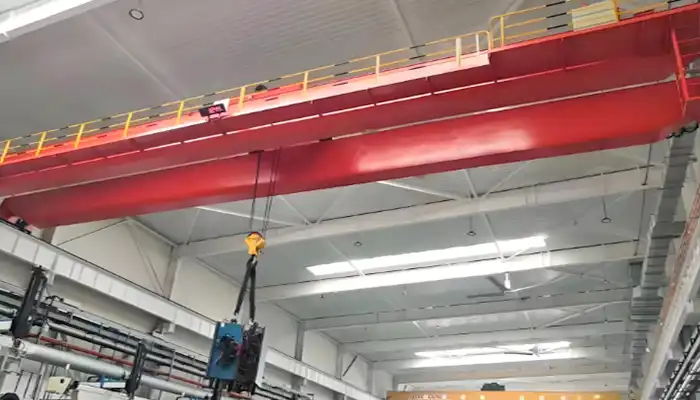
check overhead crane price ranges of typical overhead crane types of different capacity
Key Factors Influencing Overhead Crane Prices by Region
When comparing overhead crane prices across different countries, it’s important to understand the underlying reasons why costs can vary so much. These differences aren’t random—they’re tied to real, practical factors that affect every step of the crane’s journey from factory floor to your facility.
Labor and Raw Material Costs Impact on Pricing
One of the biggest reasons crane prices differ is the cost of labor and raw materials in the manufacturing country.
- Labor Costs: Countries with lower wage levels can produce cranes at a significantly lower price. For example, manufacturers in China or India generally benefit from lower labor costs than those in the USA or Germany. This affects the price of everything from steel fabrication to electrical assembly.
- Raw Materials: Steel, motors, electrical components, and other materials may cost more or less depending on local supply chains. Regions close to steel mills or with strong industrial bases often have cheaper access to materials, which helps keep crane prices down.
Lower labor and raw material costs don’t always mean lower quality, but it’s important to verify manufacturing standards to avoid surprises.
Local Standards, Certifications, and Compliance Requirements
Each region has its own rules about crane safety, quality, and environmental impact, which influence how cranes are designed and built.
- CE Certification: Mandatory for cranes used in Europe and often requested globally for export credibility. CE requires strict testing, documentation, and certain design features, which add to manufacturing costs.
- ISO Standards: These cover quality management systems and product consistency. While ISO certification doesn’t directly increase crane price by itself, it often correlates with better quality control, which can influence pricing.
- Regional Regulations: Countries like India have their own safety standards, including requirements from agencies such as DGMS (Directorate General of Mines Safety) for cranes used in certain industries. Compliance might require extra features or testing.
- Environmental and Electrical Compliance: Some regions require cranes to meet specific electrical codes or environmental standards, influencing component choices and engineering.
Meeting these standards increases production complexity and cost but ensures safer, more reliable cranes.
Import Duties, Tariffs, and Logistics Expenses
For buyers importing cranes from another country, customs duties and tariffs can add a hefty margin to the base price.
- Import Duties: These taxes vary widely—from zero in free trade zones to as much as 30-40% in some countries—directly increasing the landed cost of cranes.
- Tariffs and Trade Policies: Political changes can alter tariffs quickly, so prices may fluctuate over time. It’s important to check current rates before budgeting.
- Handling and Port Fees: Beyond duties, charges like unloading, inspection, storage, and customs brokerage add to costs and sometimes cause delays.
- Logistics: Freight mode (sea, air, rail, road), shipping distance, and route efficiency all impact final delivery price and time.
Factoring in these expenses upfront helps avoid unexpected charges after your order is placed.
Lead Times, Shipping Modes, and Freight Costs
How long it takes to get your crane and how much the transport costs will be are key practical considerations for buyers.
- Lead Times: Depending on manufacturing location and demand, crane lead times can range from 2 weeks to 3 months or more. Factories with high order volumes or custom requests typically have longer waits.
- Shipping Modes: Sea freight is the most common and economical for heavy cranes but takes the longest (often 20-45 days). Air freight is faster but expensive, usually reserved for urgent or small parts. Rail and road transport may be needed for inland delivery.
- Freight Costs: Shipping costs depend on weight, volume, and distance. Bulky crane components may require special packaging and handling, increasing freight charges.
- Seasonal and Geopolitical Factors: Congestion at ports, strikes, or geopolitical tensions can cause delays and cost spikes.
Buyers should plan for realistic delivery schedules and work with suppliers experienced in international logistics to avoid costly surprises.
Overhead Crane Price Benchmarks by Region (2025)
When planning to buy an overhead crane, it’s helpful to know how prices stack up in different parts of the world. Below is a practical price guide for common crane sizes—specifically 10-ton double girder and 20-ton cranes—as of 2025. We’ll also touch on typical delivery times and key notes buyers should keep in mind for each region.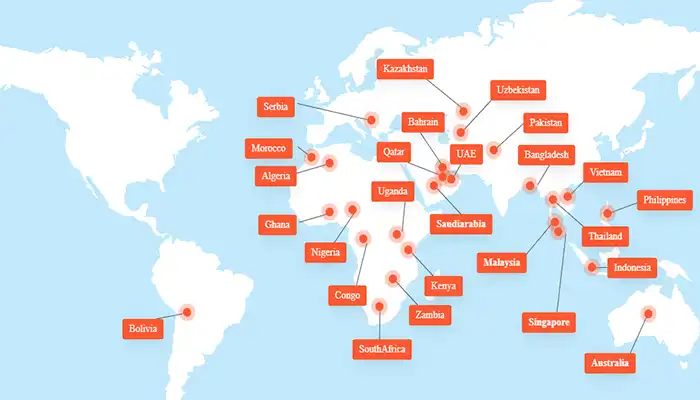
overhead crane for sale around - check Yuantai Crane main market and projects around world
China
- 10t Double Girder Crane Price: $17,000 – $28,000
- 20t Crane Price: $30,000 – $45,000
- Typical Delivery Time: 30–45 days
- Notes:
China remains the most competitive market for overhead cranes, especially in manufacturing hubs like Henan. Factories often supply directly to buyers, cutting out middlemen and lowering costs. Many Chinese manufacturers offer CE and ISO-certified cranes, which means you get internationally recognized quality standards at factory-direct prices. Lead times are relatively quick, but customs clearance and inland delivery need to be considered for international buyers.
USA
- 10t Double Girder Crane Price: $45,000 – $70,000
- 20t Crane Price: $75,000 – $110,000
- Typical Delivery Time: 15–30 days
- Notes:
Cranes made in the US tend to be more expensive due to higher labor costs, stricter compliance regulations (OSHA, ANSI), and quality standards. However, buyers benefit from local support, faster delivery times, and easier access to parts and service. For companies prioritizing quick turnaround and compliance with US regulations, paying the premium often makes sense.
Germany
- 10t Double Girder Crane Price: $55,000 – $80,000
- 20t Crane Price: $85,000 – $120,000
- Typical Delivery Time: 30–60 days
- Notes:
Germany’s overhead cranes are known for premium engineering and high durability. The prices reflect rigorous quality control, use of high-end components, and customization capabilities. While pricier, these cranes are a preferred choice for industries demanding long service life and reliability. Lead times may be longer due to detailed engineering and testing procedures.
India
- 10t Double Girder Crane Price: $20,000 – $35,000
- 20t Crane Price: $38,000 – $60,000
- Typical Delivery Time: 45–60 days
- Notes:
India offers competitive prices due to a growing local manufacturing base and relatively low labor costs. Many Indian manufacturers supply not only the domestic market but also export to the Middle East and Southeast Asia. Freight costs are often more favorable for buyers in those regions. However, lead times can be longer because of high demand and production capacity limits. Certification and quality can vary widely, so it’s important to choose reputable suppliers.
UAE
- 10t Double Girder Crane Price: $60,000+ (imported)
- 20t Crane Price: $90,000+
- Typical Delivery Time: Varies widely
- Notes:
The UAE market largely depends on imported cranes, often from Europe, the US, or China. Prices are marked up due to import duties, handling fees, and local distributor margins. Buyers should expect higher prices but benefit from after-sales support through regional dealers. Delivery times vary based on source country and shipping method.
South America
- 10t Double Girder Crane Price: $50,000 – $70,000
- 20t Crane Price: $80,000 – $100,000
- Typical Delivery Time: Longer lead times, often 60+ days
- Notes:
Overhead crane buyers in South America face higher prices mainly because of import tariffs, complex customs processes, and longer shipping distances. Local manufacturing options are limited in many countries, so importing cranes is common. Logistics can be challenging, with delays at ports and difficult inland transportation. These factors increase overall costs and project timelines.
Understanding these regional benchmarks helps buyers set realistic budgets and choose sourcing locations wisely based on their priorities—whether that’s price, delivery speed, local support, or certification requirements.
| Region | 10t Double Girder Crane Price | 20t Crane Price | Typical Delivery Time | Notes |
|---|---|---|---|---|
| China | $17,000 – $28,000 | $30,000 – $45,000 | 30–45 days | CE/ISO certified, factory-direct |
| USA | $45,000 – $70,000 | $75,000 – $110,000 | 15–30 days | Local support, strict compliance |
| Germany | $55,000 – $80,000 | $85,000 – $120,000 | 30–60 days | Premium engineering and quality |
| India | $20,000 – $35,000 | $38,000 – $60,000 | 45–60 days | Competitive freight to Middle East |
| UAE | $60,000+ (imported) | $90,000+ | Varies | High import markups |
| South America | $50,000 – $70,000 | $80,000 – $100,000 | Longer lead times | Customs-heavy, logistics complex |
Example Applications
To better understand how regional factors affect overhead crane purchasing decisions, let’s look at some common buyer scenarios. These examples highlight real challenges and trade-offs buyers face when choosing where and how to buy their cranes.
Comparing China vs. USA for Purchasing a 15-Ton Overhead Crane
For many buyers, the choice between sourcing from China or the USA boils down to price versus service and delivery speed.
- Price:
Chinese cranes typically cost 40% to 60% less than comparable US-made cranes. For a 15-ton crane, you might pay around $28,000 to $40,000 from China versus $65,000 to $90,000 in the USA. This makes Chinese cranes attractive for tight budgets or large projects requiring multiple units. - Quality and Certifications:
US manufacturers follow stringent standards (OSHA, ANSI) and offer strong quality assurance. Chinese manufacturers increasingly provide CE and ISO certifications, but buyers should verify factory credentials and perform due diligence. - Delivery and Support:
Buying domestically means faster delivery (often within 2-4 weeks) and easier access to installation and maintenance teams. Importing from China can add weeks for shipping and customs clearance, and local service availability may be limited unless arranged in advance. - Long-Term Costs:
Consider total cost of ownership, including maintenance, parts availability, and potential downtime. US cranes often have stronger after-sales networks, while Chinese cranes may require importing spare parts.
Bottom line: If upfront cost is critical and you can plan for longer delivery and independent support, China offers great value. For projects requiring fast delivery and local service, the USA is preferred despite the higher price.
Evaluating India vs. UAE for 10-Ton EOT Cranes: Cost and Service Differences
Buyers in the Middle East often compare Indian and UAE-sourced cranes, weighing price against convenience.
- Cost:
Indian-made cranes usually cost 25% to 40% less than imported cranes sold in the UAE market, thanks to lower labor costs and competitive export pricing. A 10-ton EOT crane from India might cost $20,000 to $30,000, whereas similar cranes imported into the UAE often start at $60,000 due to taxes and markups. - Service and Support:
The UAE benefits from a developed dealer and service network for cranes, providing installation, training, and quick repairs. Indian suppliers can provide reliable cranes but often rely on regional partners for after-sales support, which may vary in responsiveness. - Delivery:
Shipping from India to the UAE is usually faster and cheaper compared to imports from Europe or the USA, making Indian cranes popular in the Middle East.
Bottom line: Indian cranes offer a cost-effective option if you can arrange for installation and support locally. UAE-sourced cranes cost more but come with strong local backing and immediate availability.
Choosing Between Import and Local Purchase in South America
In South America, buyers must carefully balance import costs against local manufacturing capabilities.
- Importing Cranes:
Due to limited local production, most South American buyers import cranes from the US, China, or Europe. Import duties and taxes can increase the landed cost by 30% or more. Shipping times often exceed 6 weeks, and customs delays can add unpredictability. - Local Purchase:
Some countries like Brazil and Argentina have domestic crane manufacturers or assemblers, but prices tend to be higher and product options limited. Local production may be beneficial for customized designs or quicker turnaround if you’re near manufacturing centers. - Service and Parts:
After-sales support is often a deciding factor. Imported cranes from major brands may come with established dealer networks, while local manufacturers might offer more personalized service.
Bottom line: If your project timeline allows, importing cranes from China or the US can be cost-effective despite the added duties and delays. For urgent needs or specialized cranes, local suppliers may be preferable even at a higher cost.
These scenarios show that there’s no one-size-fits-all answer. Your best choice depends on balancing price, delivery speed, support, and long-term reliability—plus the specific conditions of your location and project.
Risks and Rewards of Buying Cranes Globally
Buying an overhead crane from another country can open up cost savings and access to more options. But it also comes with challenges you need to consider carefully. Let’s break down the main risks and rewards involved.
Freight Costs, Insurance, and Potential Delays
When you buy a crane internationally, freight costs quickly become a big part of your total price. Cranes are heavy, bulky, and require special handling, which isn’t cheap.
- Freight Charges: Sea freight is usually the most affordable way to ship cranes, but it can take weeks or even months depending on your location and shipping route. Air freight is faster but extremely costly and usually reserved for urgent parts or small components.
- Insurance: Shipping large equipment involves risk. Damage or loss during transit can happen, so proper insurance coverage is essential to protect your investment.
- Delays: Customs clearance, port congestion, or logistical issues can delay delivery, sometimes by weeks. Such delays can disrupt your project schedule and increase indirect costs like storage and labor downtime.
Installation Support Availability and Costs
Buying overseas doesn’t just mean shipping the crane—it also means figuring out how you’ll install it correctly.
- Local Installation Teams: Not every region has qualified technicians experienced with foreign-made cranes. If you don’t have reliable local support, you may need to bring in specialists from the manufacturer, which adds to cost and complexity.
- Training: Operators and maintenance teams might require training on new crane models or controls, especially if the crane is from a different region with unfamiliar systems.
- Extra Costs: Travel, accommodation, and overtime for expert installers can add thousands to your project cost if local teams aren’t available.
Warranty Terms and Adapting Cranes to Local Environments
Warranty coverage and adapting the crane to your local conditions are critical but often overlooked aspects.
- Warranty Limitations: International suppliers may offer standard warranties, but enforcement can be tricky if the manufacturer is far away. Knowing who handles warranty claims locally is important.
- Spare Parts Availability: Access to genuine spare parts might be limited in your region, causing longer downtime and higher repair costs if parts have to be shipped internationally.
- Environmental Adaptation: Cranes need to match local environmental conditions such as temperature extremes, humidity, dust, or corrosive atmospheres. Not all imported cranes are pre-configured for these challenges, so customization might be necessary.
- Electrical Standards: Voltage and frequency differences require cranes to be designed or adapted accordingly to avoid operational issues.
In summary, buying cranes globally can bring savings and wider choices but requires careful planning. Balancing these risks with the potential rewards ensures you make a purchase that fits your budget, timeline, and long-term needs.
Conclusion: How to Balance Price, Quality, and Delivery
Choosing where to buy your overhead crane isn’t just about picking the lowest price. It’s about finding the right balance between cost, quality, and delivery timelines to suit your project’s unique needs. Here are some key takeaways to help guide your decision:
Key Takeaways for Selecting the Best Sourcing Region
- Understand Your Priorities: If upfront cost is your main concern, regions like China and India often offer more affordable cranes. However, if quick delivery or strict compliance with local standards is critical, you may lean toward suppliers in the USA or Europe despite higher prices.
- Factor in Total Cost of Ownership: Don’t just look at the purchase price. Consider installation costs, availability of spare parts, maintenance, warranty support, and possible downtime. Sometimes a higher-priced crane with better service saves money over time.
- Certification and Compliance Matter: Ensure the crane meets local safety and quality standards. Non-compliance can lead to costly fines, delays, or safety risks.
- Plan for Lead Times: Longer delivery times can impact your project schedule. Build realistic timelines and communicate clearly with suppliers about your deadlines.
Strategic Considerations for Your Budget and Timeline
- Be Transparent With Suppliers: Provide detailed project requirements and timelines upfront. This helps suppliers offer the best price and delivery options tailored to your needs.
- Explore Hybrid Solutions: Sometimes importing crane kits and completing local fabrication reduces costs and import duties while maintaining quality.
- Build Relationships With Reliable Suppliers: Trustworthy suppliers with strong local or regional support can make a huge difference in ensuring your crane arrives on time and operates smoothly.
- Prepare for Unexpected Costs: Budget for potential customs fees, shipping delays, or installation challenges. A contingency fund prevents surprises.