Sugar Plant Overhead Cranes: Corrosion & Heat Guide
Working Environment Inside Sugar Plants
Sugar plants are harsh working environments for overhead cranes.
Unlike normal factories, sugar mills contain moisture, heat, dust, and corrosive conditions that can affect crane performance, safety, and service life.
Before selecting a crane, buyers should understand the actual working conditions inside the plant. This helps in choosing the correct crane structure, electrical protection, motor type, and anti-corrosion treatment.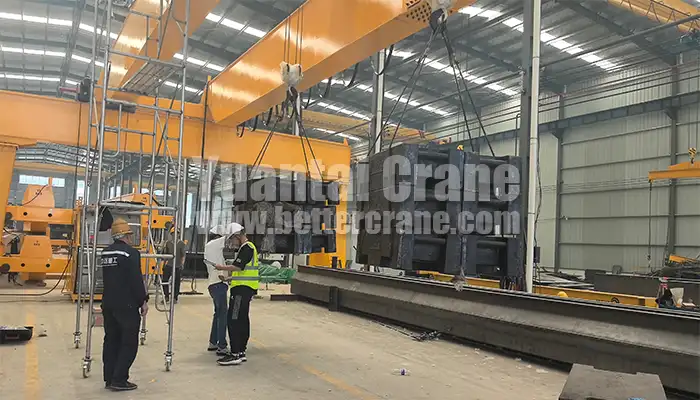
overhead crane for suger plant
Common Areas Where Overhead Cranes Are Used
Overhead cranes are commonly used in many sections of a sugar plant, including:
- Cane unloading areas
- Mill house maintenance workshops
- Boiler maintenance zones
- Turbine and generator rooms
- Bagasse handling sections
- Sugar packaging and warehouse areas
- General maintenance workshops
Each area creates different operating conditions for the crane.
For example:
- Cane unloading and bagasse areas usually have heavy dust and moisture.
- Boiler areas expose cranes to steam and high temperatures.
- Turbine rooms often require precise lifting of expensive equipment.
- Warehouses may require frequent lifting and smooth operation.
- Maintenance workshops often handle long and heavy machine parts during shutdown periods.
Because of these different conditions, buyers should not choose a crane based only on lifting capacity. The working environment is equally important.
Environmental Conditions Buyers Should Evaluate
Sugar plants operate in harsh environments that combine moisture, dust, heat, and corrosive conditions. These factors directly affect crane performance, reliability, and maintenance costs.
Sugar plants usually have high humidity and wet conditions.
Common sources include:
- Steam near boilers and pipelines
- Water condensation
- Wet production processes
- Rainy or tropical climates
These conditions can cause:
- Rust on crane structures
- Electrical failures
- Brake problems
- Wire rope corrosion
- Reduced motor life
To improve reliability, buyers often choose:
- IP54 or IP55 electrical protection
- Moisture-resistant motors
- Anti-condensation heaters in panels
- Better ventilation systems
- Anti-rust surface treatment
Without proper protection, moisture can shorten crane service life and increase maintenance costs.
Sugar production creates a large amount of airborne dust.
Typical dust sources include:
- Sugar particles
- Bagasse fiber dust
- Packaging dust
- Organic residue
Dust can create several problems:
- Dust buildup on motors and brakes
- Blocked cooling airflow
- Overheating of electrical parts
- Sticky contamination on equipment
- Increased wear on moving parts
Bagasse dust is especially difficult because it can stick to equipment when mixed with moisture.
To reduce these problems, buyers should consider:
- Enclosed electrical panels
- Dust-protected motors
- Sealed limit switches
- Protected cables
- Easy-to-clean crane designs
Good dust protection helps reduce maintenance frequency and improves crane reliability.
Some areas inside sugar plants operate at high temperatures.
Typical hot zones include:
- Boiler sections
- Steam process areas
- Turbine rooms
- Areas near hot machinery and pipelines
High temperatures can cause:
- Motor overheating
- Faster aging of electrical insulation
- Lubrication problems
- Reduced electrical component life
For these environments, buyers may need:
- High-temperature motor insulation
- Heat-resistant cables
- Thermal protection systems
- Additional cooling or ventilation
- Suitable duty cycle design
Ignoring heat conditions can lead to frequent breakdowns and shorter equipment life.
Sugar plants can also create corrosive environments.
Common causes include:
- Moist air mixed with sugar residue
- Cleaning chemicals
- Water exposure
- Wash-down operations
Corrosion may damage:
- Steel structures
- Hoists and end trucks
- Electrical enclosures
- Bolts and fasteners
- Wire ropes and rails
To improve durability, buyers often select:
- Epoxy painting systems
- Galvanized components
- Corrosion-resistant electrical boxes
- Stainless steel hardware for critical parts
- Regular anti-rust inspections
Good corrosion protection helps extend crane service life and reduce long-term repair costs.
Why Standard Industrial Cranes Often Fail in Sugar Mills
Many standard industrial overhead cranes are designed for normal factory conditions.
However, sugar mills operate in a much harsher environment with high humidity, dust, heat, and corrosion.
As a result, cranes that work well in ordinary workshops may experience frequent failures inside sugar plants if they are not specially designed for these conditions.
Common Failure Problems
Common crane failure issues in sugar plants are mainly caused by moisture, dust, heat, and poor environmental protection.
Moisture, steam, and sugar residue can quickly cause rust on crane beams, platforms, railings, and structural connections.
Without proper anti-corrosion treatment:
- Paint may peel off
- Steel surfaces may corrode
- Structural lifespan may shorten
- Maintenance costs may increase
Wire ropes are highly affected by humid and corrosive environments.
Common problems include:
- Rust buildup
- Reduced flexibility
- Faster wear
- Reduced lifting safety
If lubrication and protection are poor, wire rope replacement frequency can increase significantly.
Sugar dust and bagasse dust can block motor cooling airflow.
At the same time, high ambient temperatures near boilers and turbines make cooling even more difficult.
This may cause:
- Motor overheating
- Insulation damage
- Reduced motor lifespan
- Unexpected shutdowns
Dust and sticky sugar particles can enter brake systems.
Over time, this may lead to:
- Reduced braking performance
- Brake slipping
- Delayed stopping
- Increased safety risks
Regular cleaning and proper sealing are important in sugar mill environments.
Moisture and dust can enter electrical panels, control boxes, and wiring systems.
This may result in:
- Electrical short circuits
- Sensor failures
- Unstable crane operation
- Frequent electrical maintenance
Poor electrical protection is one of the most common causes of crane downtime in sugar plants.
Limit switches often fail in sugar mills because of:
- Dust accumulation
- Moisture exposure
- Corrosion
- Poor sealing
When switches stop working properly, crane safety and positioning accuracy can be affected.
Dust contamination, poor lubrication conditions, and high temperatures can reduce gearbox reliability.
Common issues include:
- Oil contamination
- Seal damage
- Increased gear wear
- Overheating
Without proper protection and maintenance, gearbox service life can become much shorter than expected.
Hidden Long-Term Costs
The biggest problem is often not the initial crane price, but the long-term operating cost caused by unsuitable crane design.
Sugar plants usually operate under tight production schedules during the crushing season.
If a crane fails during this period, it can affect:
- Equipment maintenance
- Material handling
- Production continuity
Downtime during peak production periods can become extremely expensive.
Frequent crane failures often require:
- Emergency repair teams
- Urgent spare part purchases
- Overtime labor costs
- Production rescheduling
Emergency repairs are usually much more expensive than preventive maintenance.
When cranes stop operating, important plant activities may also stop, including:
- Maintenance work
- Equipment replacement
- Material transport
- Production line support
In some cases, one crane failure can affect multiple production areas.
Poor environmental protection can increase replacement frequency for:
- Wire ropes
- Brakes
- Motors
- Bearings
- Limit switches
- Electrical components
Over time, spare parts costs can become very high.
A standard crane designed for normal workshops may experience much faster aging inside sugar plants.
This can lead to:
- Earlier major repairs
- Reduced reliability
- More frequent breakdowns
- Shorter overall equipment lifespan
In many cases, investing in better protection during the initial purchase is more economical than repeated repairs later.
Why Sugar Plants Require Environment-Specific Crane Design
Sugar mills need cranes designed specifically for harsh industrial environments, not just standard lifting equipment.
The main difference between a normal workshop crane and a sugar mill crane is not only lifting capacity — it is environmental protection and long-term reliability.
A sugar plant crane may require:
- Anti-corrosion painting systems
- Moisture-resistant electrical protection
- Dust-protected motors and brakes
- Heat-resistant components
- Sealed control systems
- Improved ventilation design
- Stronger maintenance accessibility
For sugar plants, buyers should evaluate:
- Working environment
- Duty cycle
- Temperature conditions
- Dust exposure
- Corrosion risks
- Maintenance requirements
—not just crane tonnage and span.
A crane with proper protective engineering usually delivers:
- Longer service life
- Lower maintenance costs
- Higher operational reliability
- Reduced downtime
- Better long-term investment value
Corrosion Resistance: What Buyers Must Check
Corrosion is one of the biggest causes of crane damage in sugar plants.
Moisture, steam, sugar residue, chemicals, and outdoor exposure can gradually damage crane structures, mechanical parts, and electrical systems.
For long-term reliability, buyers should evaluate corrosion protection carefully before purchasing the crane.
Structural Protection Requirements
Good corrosion protection starts with proper surface preparation before painting.
Important factors include:
- Sandblasting quality
- Removal of rust, oil, and surface contamination
- Proper surface roughness before coating
Poor surface preparation can cause paint failure even if high-quality coatings are used.
Buyers should confirm:
- Sandblasting standards
- Surface cleaning process
- Coating preparation procedure
Proper preparation helps paint adhere strongly to the steel structure.
Sugar mill cranes usually require stronger paint protection than standard factory cranes.
Common protective systems include:
- Epoxy primer coatings
- Polyurethane top coatings
- Multi-layer industrial painting systems
These coatings help protect the crane against:
- Humidity
- Steam
- Chemical exposure
- Rust formation
- Outdoor weather conditions
Multi-layer coating systems generally provide better long-term durability.
Some crane parts are more vulnerable to corrosion because they are small, exposed, or difficult to maintain.
Buyers often request galvanized or stainless protection for:
- Fasteners and bolts
- Cable trays
- Outdoor exposed accessories
- Railings and platforms
- Electrical support brackets
These components may seem small, but corrosion failure in these areas can create maintenance and safety problems later.
Hoist and Mechanical Protection
The hoist is one of the most important parts of the crane and requires strong corrosion protection.
Drums and pulleys are constantly exposed to moisture and dust.
Without protection, rust can:
- Damage wire ropes
- Increase wear
- Reduce lifting safety
- Shorten component lifespan
Protective coatings and proper maintenance help reduce these risks.
Wire ropes are highly sensitive to humid environments.
Buyers should consider:
- Anti-corrosion lubrication
- Galvanized wire ropes if necessary
- Proper rope storage and maintenance
- Regular inspection schedules
Corroded wire ropes can become a major safety hazard if not properly protected.
Dust and moisture can enter bearing systems and reduce service life.
Sealed bearings help prevent:
- Dust contamination
- Water penetration
- Lubrication loss
- Premature bearing failure
This is especially important in bagasse and sugar dust environments.
Outdoor cranes require additional protection against:
- Rain
- Sun exposure
- Dust
- Wind-driven moisture
Protective covers can help protect:
- Motors
- Brakes
- Gearboxes
- Electrical systems
This improves reliability and reduces maintenance frequency.
Electrical Corrosion Protection
Electrical systems are highly sensitive to moisture and corrosion.
Without proper protection, electrical failures can become frequent.
Electrical panels and control boxes should have suitable IP protection ratings.
Common choices include:
- IP54
- IP55
- Higher protection if required
These enclosures help prevent dust and moisture from entering sensitive electrical components.
Sealed control panels help protect against:
- Steam
- Sugar dust
- Condensation
- Water exposure
Proper sealing improves electrical reliability and reduces maintenance problems.
Cable entry points are common locations for moisture penetration.
Moisture-resistant cable glands help prevent:
- Water entry
- Cable corrosion
- Electrical short circuits
Good cable sealing is especially important for outdoor cranes and humid workshops.
Temperature changes can create condensation inside electrical panels.
Anti-condensation heaters help keep panels dry and reduce the risk of:
- Short circuits
- Corrosion
- Electrical component damage
These heaters are commonly used in humid environments and outdoor crane systems.
Outdoor Crane Corrosion Considerations
Outdoor sugar plant cranes require additional protection because they are exposed directly to weather conditions.
Outdoor cranes may require:
- Roof covers
- Rain shields
- Covered electrical systems
- Waterproof protection for motors and brakes
Rainwater exposure can accelerate corrosion quickly if protection is insufficient.
Strong sunlight can damage standard paint systems over time.
UV-resistant coatings help:
- Reduce paint aging
- Prevent cracking and fading
- Improve long-term coating durability
This is important for cranes operating continuously outdoors.
Poor drainage can allow water accumulation on crane structures.
Good drainage design helps prevent:
- Standing water
- Rust formation
- Structural corrosion
- Water penetration into components
Buyers should check whether the crane structure allows proper water drainage.
Outdoor crane rails are also exposed to moisture and corrosion.
Important considerations include:
- Rail cleaning access
- Proper drainage near rails
- Anti-rust maintenance
- Rail fastening protection
Corroded rails can affect crane travel safety and increase maintenance costs over time.
Dust Resistance: Critical Design Features for Sugar Mill Cranes
Sugar mills generate large amounts of sugar dust and bagasse dust during daily operation.
This dust may seem harmless, but over time it can seriously affect crane reliability, safety, and maintenance costs.
For sugar plant cranes, proper dust protection is just as important as lifting capacity.
Why Sugar Dust Is Dangerous for Crane Systems
Dust Accumulation Blocks Cooling
Dust can collect on motors, brakes, electrical panels, and ventilation openings.
This may:
- Reduce airflow
- Block heat dissipation
- Cause overheating
- Shorten component lifespan
In high-temperature areas, blocked cooling becomes even more dangerous.
Sugar dust is often sticky, especially in humid environments.
Over time, dust buildup can:
- Reduce brake performance
- Cause brake slipping
- Increase motor wear
- Create overheating problems
- Damage moving mechanical parts
Dust mixed with moisture is especially difficult to remove.
Fine dust particles can enter electrical systems if protection is insufficient.
This may cause:
- Electrical short circuits
- Sensor malfunctions
- Unstable crane operation
- Control system failures
Dust contamination is one of the most common causes of electrical problems in sugar mills.
Limit switches, sensors, and control devices may become unreliable when covered by dust.
Common problems include:
- False signals
- Positioning errors
- Slow response
- Frequent switch failures
Proper sealing and regular cleaning are important for reliable operation.
Motor and Brake Protection
Totally Enclosed Motors
Sugar mill cranes often use TEFC (Totally Enclosed Fan Cooled) motors for better dust protection.
Benefits of TEFC motors include:
- Reduced dust entry
- Better protection for internal components
- Improved reliability in dusty environments
- Longer motor service life
These motors help reduce contamination problems compared with open-type motor designs.
Even with enclosed motors, cooling design remains important.
Buyers should consider:
- Proper ventilation layout
- Cooling airflow protection
- Dust-resistant cooling fans
- Motor temperature monitoring if necessary
Good cooling protection helps prevent overheating in dusty and hot environments.
Brake systems should also be protected against dust contamination.
Dust-protected brake systems help:
- Reduce brake wear
- Improve stopping performance
- Prevent dust buildup
- Lower maintenance frequency
Enclosed brake designs are especially useful in bagasse handling and sugar processing areas.
Electrical System Dust Protection
High IP Rating Recommendations
Electrical systems inside sugar mills usually require higher protection ratings.
Common recommendations include:
- IP54
- IP55
- Higher ratings for severe environments
Higher IP ratings help protect equipment from dust and moisture entry.
Junction boxes should be properly sealed to prevent dust penetration.
Good sealing helps reduce:
- Electrical contamination
- Corrosion
- Loose connections
- Short circuit risks
This improves long-term electrical reliability.
Pendant controls are frequently exposed to dusty environments.
Dustproof pendant stations help:
- Improve operator safety
- Protect control buttons
- Reduce electrical failures
- Extend control station lifespan
Proper sealing is important for frequently used controls.
Variable Frequency Drive (VFD) panels are sensitive to dust and heat.
Protected VFD systems may include:
- Sealed enclosures
- Cooling filters
- Ventilation protection
- Internal temperature control
Without proper protection, dust contamination can reduce VFD reliability and increase downtime.
Maintenance-Friendly Dust Control Design
Good crane design should also make cleaning and maintenance easier.
This helps reduce long-term maintenance costs and improves operational reliability.
Crane components should allow easy access for:
- Dust removal
- Inspection
- Preventive maintenance
Difficult cleaning access often leads to dust buildup over time.
Removable covers make maintenance work faster and more efficient.
They help technicians access:
- Motors
- Brakes
- Electrical systems
- Lubrication points
This simplifies routine inspection and cleaning.
A clear and organized crane layout helps maintenance teams:
- Inspect components quickly
- Identify problems earlier
- Reduce shutdown time
- Improve maintenance efficiency
Good layout design is especially important during busy crushing seasons.
Centralized lubrication systems help protect moving components from dust-related wear.
Benefits include:
- Easier maintenance
- More consistent lubrication
- Reduced contamination risk
- Longer component lifespan
This is especially useful for cranes operating continuously in dusty environments.
Heat Resistance: Key Factors Buyers Often Ignore
Heat is often underestimated in sugar plant crane selection.
However, high temperatures in certain areas can significantly reduce crane reliability, especially when combined with dust and humidity.
Understanding heat exposure is important for selecting the right motor class, electrical protection, lubrication system, and duty cycle rating.
High-Temperature Areas in Sugar Plants
Certain zones inside sugar mills regularly operate under high heat conditions, including:
- Boiler houses
- Turbine maintenance zones
- Steam pipeline areas
- Hot bagasse processing sections
These areas often experience continuous heat radiation rather than short-term temperature spikes.
As a result, cranes operating in these zones must be designed for long-term thermal stress, not occasional heat exposure.
Effects of Heat on Crane Components
Electrical Components
High temperatures can significantly affect electrical system stability.
Common problems include:
- Reduced insulation lifespan in cables and motors
- Overheating of VFD (Variable Frequency Drive) systems
- Sensor instability and inaccurate signals
- Increased risk of electrical failure over time
When heat is combined with dust or poor ventilation, electrical issues become more frequent.
Heat also affects mechanical performance and long-term durability.
Typical effects include:
- Grease breakdown and loss of lubrication performance
- Reduced brake efficiency due to thermal stress
- Faster aging of seals and rubber components
- Increased wear on moving parts
These issues often develop gradually and may not be immediately visible, but they reduce crane service life over time.
Heat-Resistant Design Features
To operate safely in high-temperature zones, cranes must include proper thermal protection design.
Motors used in sugar mill cranes near heat sources should have:
- Higher insulation class ratings (heat-resistant winding materials)
- Controlled temperature rise limits
- Improved internal thermal protection
These features help prevent motor overheating and insulation failure during continuous operation.
Cables must also be selected based on temperature conditions.
Key requirements include:
- High-temperature resistant cable materials
- Shielded control cables for signal stability
- Protection against thermal aging and cracking
Good cable selection improves both safety and long-term electrical reliability.
Proper cooling design is essential for cranes operating in hot environments.
Common solutions include:
- Additional cooling systems for motors and control panels
- Heat shields near boilers, turbines, and pipelines
- Improved airflow design around electrical components
Without proper ventilation, even high-quality components can fail prematurely.
Duty Cycle Considerations Under Heat Exposure
Heat does not only affect materials—it also increases operational stress on the entire crane system.
High temperatures reduce the efficiency of:
- Lubrication systems
- Cooling systems
- Electrical stability
As a result, crane components must work harder to maintain normal performance, which increases wear and failure risk.
In hot environments, choosing the correct duty class becomes more important than in normal workshops.
Buyers should evaluate:
- Frequency of operation
- Load intensity
- Continuous vs intermittent use
- Ambient temperature conditions
A higher duty classification may be required to ensure stable long-term operation.
Sugar plants often use cranes in two different ways:
- Continuous operation cranes: used in production-related handling tasks
- Maintenance-duty cranes: used during shutdown periods for heavy equipment repair
Heat exposure affects both types differently:
- Continuous cranes require stronger cooling and higher thermal endurance
- Maintenance cranes require stability under heavy but intermittent loads
Selecting the wrong configuration may lead to overheating, reduced efficiency, or unexpected downtime.
IP Protection Ratings Buyers Should Understand
IP (Ingress Protection) ratings define how well crane components are protected against dust and water.
In sugar plants, where dust, moisture, and wash-down conditions are common, IP protection directly affects equipment reliability and service life.
IP ratings are usually written as IPXY, where:
- First digit (X) = Dust protection level
- Second digit (Y) = Water protection level
Dust Protection Levels
Higher first digits mean better protection against solid particles like sugar dust and bagasse dust.
- Low level → limited dust protection
- Medium level → partial dust resistance
- High level → strong dust sealing for industrial environments
Water Protection Levels
The second digit indicates resistance to moisture and water exposure.
- Basic level → light moisture protection
- Medium level → protection against splashing water
- High level → protection against strong water jets or wash-down conditions
In sugar plants, both dust and moisture protection are equally important due to combined operating conditions.
Different crane components require different protection levels depending on exposure and function:
| Component | Recommended Protection |
|---|---|
| Motors | IP55 or higher |
| Electrical Panels | IP54–IP65 |
| Pendant Controls | IP65 |
| Limit Switches | IP65 |
| Outdoor Components | Higher protection as needed |
Key Interpretation for Buyers
- Motors need strong protection due to dust + heat exposure
- Electrical panels require balanced protection for dust and moisture
- Pendant controls and switches must be fully sealed because they are frequently handled and exposed
- Outdoor components should always be upgraded based on weather conditions
Choosing the correct IP level ensures stable operation in real sugar mill environments, not just laboratory conditions.
Many crane issues in sugar plants are not caused by design failure, but by incorrect IP selection during procurement.
Selecting Low-IP Standard Workshop Equipment
A common mistake is choosing general industrial cranes designed for clean or semi-clean workshops.
These cranes often fail quickly in sugar environments due to insufficient sealing.
Ignoring Wash-Down Conditions
Sugar plants often use water cleaning or experience steam exposure.
If equipment is not designed for water resistance, moisture can enter:
- Electrical panels
- Motors
- Control systems
This leads to short circuits and frequent failures.
Underestimating Dust Penetration Risks
Sugar dust is fine and can easily enter gaps in poorly sealed equipment.
Once inside, it can:
- Block cooling systems
- Damage electrical contacts
- Reduce sensor accuracy
- Increase wear on mechanical parts
For this reason, IP rating selection should always consider real operating conditions, not just basic specifications.
Structural and Mechanical Design Considerations
In sugar plants, crane failures are often linked not only to environment factors, but also to structural and mechanical design choices.
Correct configuration of the crane structure, hoist type, and traveling system plays a key role in long-term reliability.
Crane Structure Design
Double Girder vs Single Girder for Sugar Plant Applications
Both designs can be used in sugar plants, but their suitability depends on duty level, span, and maintenance requirements.
- Single girder cranes
Suitable for lighter loads, smaller spans, and less frequent operation. They are more economical but may have limited rigidity in heavy-duty maintenance work. - Double girder cranes
Better suited for sugar mills where heavy equipment handling, long components, and frequent maintenance lifting are required. They offer higher stability and better load distribution.
In sugar plant environments, double girder designs are often preferred for critical maintenance areas such as mill houses and turbine rooms due to higher structural strength and reduced deflection.
Sugar plants often use cranes intensively during maintenance seasons, especially during shutdown periods.
This creates repetitive stress on:
- Main girders
- End carriages
- Welded joints
- Wheel assemblies
Over time, repeated lifting cycles can lead to fatigue damage if the structure is not properly designed.
To improve fatigue resistance, buyers should ensure:
- Proper structural reinforcement in high-stress zones
- High-quality welding standards
- Suitable duty classification (not under-rated design)
- Controlled deflection limits under full load
A crane designed only for occasional use may fail quickly under intensive seasonal maintenance operation.
Excessive deflection can affect both safety and operational accuracy.
In sugar plant applications, anti-deflection design is important for:
- Long-span cranes
- Heavy maintenance lifting
- Precision equipment installation
Key design controls include:
- Reinforced girder structure
- Optimized beam geometry
- Proper load distribution across girders
- Controlled end carriage stiffness
Lower deflection improves load stability and reduces mechanical stress on the entire crane system.
Hoist Selection
Wire Rope Hoists vs Chain Hoists
Wire rope hoists
- Suitable for heavy loads and long lifting heights
- Better for continuous industrial use
- More stable for large equipment handling
Chain hoists
- Suitable for lighter loads and shorter lifting heights
- Simpler structure but limited in heavy-duty sugar plant applications
For mill maintenance and turbine handling, wire rope hoists are generally preferred.
European-style hoists are often selected for sugar mills because they offer:
- Better thermal management
- Compact structure with higher efficiency
- Lower wheel load on crane girders
- Improved duty cycle performance
These features make them suitable for frequent maintenance operations and continuous industrial use.
In dusty and humid environments like sugar plants, enclosed hoist systems provide better protection.
- Reduced dust ingress
- Improved motor and gearbox protection
- Longer service life
- Lower maintenance frequency
Enclosed designs are especially useful in bagasse handling areas and mill workshops.
Wheel and Rail Protection
Corrosion on Runway Rails
Runway rails are often exposed to moisture, sugar dust, and outdoor conditions.
Without protection, they may suffer from:
- Rust formation
- Surface pitting
- Reduced smoothness of crane travel
- Increased wheel wear
Regular inspection and anti-rust treatment are essential.
Dust and residue accumulation on rails can affect crane movement.
Common issues include:
- Slipping or uneven travel
- Increased rolling resistance
- Wheel vibration and noise
Proper maintenance includes:
- Routine rail cleaning
- Removal of bagasse dust buildup
- Lubrication where applicable
- Inspection of rail alignment
Clean rails help ensure stable and smooth crane operation.
Dust and debris can accelerate wheel wear in sugar plant cranes.
This may result in:
- Irregular wheel surface wear
- Increased vibration during travel
- Higher maintenance frequency
- Shorter wheel lifespan
To reduce wear, buyers should consider:
- High-quality wheel materials
- Proper sealing of wheel bearings
- Regular cleaning of rail surfaces
- Controlled alignment of runway systems
Good wheel and rail protection directly improves crane stability and long-term operating cost efficiency.
Electrical and Automation Considerations
In sugar plants, electrical systems are exposed to dust, moisture, heat, and vibration.
Because of this, modern crane systems increasingly rely on VFD control, remote operation, and monitoring functions to improve reliability and safety.
VFD Systems in Sugar Plants
Variable Frequency Drive (VFD) systems are widely used in sugar mill cranes to improve control and reduce mechanical stress.
VFD allows the crane to start and stop gradually instead of sudden movement.
This helps to:
- Reduce impact load on the structure
- Prevent load swing
- Improve operational safety
Without VFD, direct starting can cause high mechanical stress.
VFD helps:
- Reduce gearbox shock load
- Protect wire ropes from sudden tension
- Extend motor and brake lifespan
This is especially important during heavy maintenance lifting in mill houses and turbine areas.
Sugar plants often handle irregular and heavy equipment during maintenance.
VFD systems provide:
- Precise speed control
- Smooth positioning of heavy parts
- Better alignment during installation work
This improves both safety and accuracy during critical lifting tasks.
Remote Control Advantages
Remote control systems are increasingly used in sugar plant crane operations due to harsh working conditions.
Operators can control cranes from a safe distance, avoiding:
- High temperature zones near boilers
- Steam exposure areas
- Dust-heavy environments
Remote operation helps reduce direct exposure to:
- Sugar dust
- Heat radiation
- Moisture and steam
- Noise and vibration
This improves overall workplace safety and operator comfort.
Smart Monitoring Features
Modern crane systems can include monitoring and diagnostic functions to improve reliability and reduce unexpected failures.
Temperature sensors help detect:
- Motor overheating
- Gearbox temperature rise
- Electrical panel heat buildup
Early detection helps prevent serious equipment damage.
Overload protection systems track:
- Excess load conditions
- Frequent overload events
- Abnormal working patterns
This helps prevent motor burnout and mechanical stress.
Brake systems are critical for safety, especially in dusty environments.
Monitoring helps identify:
- Brake lining wear
- Reduced braking efficiency
- Maintenance timing requirements
This ensures safe stopping performance at all times.
Advanced monitoring can support predictive maintenance by analyzing:
- Operating temperature trends
- Load cycles
- Component wear patterns
This allows maintenance teams to:
- Schedule repairs in advance
- Avoid unexpected breakdowns
- Reduce downtime during production seasons
Predictive systems are especially valuable in sugar plants where downtime during crushing season can lead to significant production losses.
Inspection and Maintenance Requirements
Even the best-designed sugar plant crane requires regular inspection and maintenance.
Due to dust, moisture, heat, and heavy-duty use, sugar mill cranes need a structured maintenance plan to ensure safety, reliability, and long service life.
Daily inspections focus on areas most affected by dust, moisture, and wear:
- Dust Buildup – Check motors, brakes, VFD panels, and moving parts for accumulated sugar or bagasse dust. Remove any debris to maintain cooling efficiency and operational reliability.
- Wire Rope Corrosion – Inspect wire ropes for rust, broken strands, or signs of wear. Lubricate if necessary to prevent premature failure.
- Brake Contamination – Ensure brake linings and discs are free of dust and moisture. Check for slipping or reduced stopping performance.
- Electrical Enclosure Sealing – Verify that panels, junction boxes, and pendant controls are fully sealed, and no moisture or dust has penetrated.
Daily inspections help detect early issues before they develop into costly failures.
Preventive maintenance reduces downtime and extends crane lifespan. Key activities include:
- Cleaning Schedules – Regularly clean crane structures, motors, hoists, rails, and end trucks to remove dust, debris, and residue.
- Lubrication Intervals – Apply proper grease to wire ropes, bearings, gears, and wheels according to manufacturer recommendations.
- Paint Inspection – Inspect coatings for scratches, peeling, or rust. Touch up exposed areas to maintain corrosion protection.
- Heat-Related Component Inspection – Check motors, VFD panels, cables, and brakes for signs of overheating or insulation damage, especially in boiler or turbine areas.
A preventive maintenance schedule ensures consistent performance and avoids emergency repairs.
During scheduled shutdowns, sugar plants can perform more comprehensive maintenance tasks:
- Full Corrosion Inspection – Inspect all steel structures, end trucks, rails, and hoists for rust or corrosion. Apply treatment or repaint as needed.
- Structural Repainting – Reapply protective coatings to exposed surfaces, especially in high-moisture or outdoor areas.
- Electrical System Cleaning – Remove dust from panels, check sealing, inspect wiring, and test sensors and limit switches.
- Bearing and Gearbox Servicing – Inspect, clean, lubricate, or replace bearings and gearboxes to ensure smooth operation during the next production season.
Seasonal maintenance is critical to keep cranes reliable during the high-demand crushing periods.
Questions Buyers Should Ask Crane Suppliers
When purchasing cranes for sugar plants, technical specifications alone are not enough.
Buyers should actively ask targeted questions to ensure the crane is truly suitable for harsh operating conditions such as dust, moisture, corrosion, and heat.
Corrosion protection determines how long the crane will last in a sugar mill environment.
Buyers should ask:
- What coating system is used? (Check if it includes epoxy primer, polyurethane topcoat, or multi-layer industrial paint system.)
- What surface preparation standard is applied? (Proper sandblasting and surface cleaning directly affect coating durability.)
- Are outdoor components galvanized? (Important for fasteners, cable trays, rails, and exposed structural parts.)
These questions help confirm whether the crane is designed for humid and corrosive conditions, not just standard workshop environments.
Sugar dust and bagasse dust are major causes of crane failure. Proper sealing and protection are essential.
Buyers should ask:
- What IP ratings are provided for key components? (Motors, panels, pendant controls, and limit switches should meet industrial dust protection standards.)
- Are motors fully enclosed? (Enclosed motors perform better in dusty environments and reduce cooling contamination.)
- How are brakes protected from sugar dust? (Brake contamination is a common cause of reduced stopping performance.)
These questions ensure the crane can operate reliably in dusty sugar production areas.
Heat exposure in boiler and turbine areas can significantly affect crane performance.
Buyers should ask:
- What motor insulation class is used? (Higher insulation class improves resistance to thermal aging.)
- What is the allowable ambient temperature? (This defines whether the crane can operate safely in high-heat zones.)
- Are high-temperature cables included? (Important for preventing insulation damage and electrical failures.)
These points help ensure stable operation in high-temperature environments.
Long-term reliability depends not only on design but also on maintenance support.
Buyers should ask:
- What are the recommended maintenance intervals? (Clear schedules help prevent unexpected failures.)
- Is local spare parts availability supported? (Reduces downtime during urgent repairs.)
- How easy is component replacement? (Affects maintenance speed and labor cost.)
- What technical support is available? (Remote support, installation guidance, and troubleshooting capability are important.)
These questions help evaluate the total lifecycle value of the crane, not just the initial purchase price.
Recommended Crane Configurations for Sugar Plants
Selecting the right crane configuration ensures safe, efficient, and reliable operation across different areas of a sugar plant.
Each area has specific lifting requirements, environmental challenges, and operational priorities.
Typical Capacities
Maintenance areas require cranes that can handle a range of machinery and spare parts. Common capacities include:
- 5 ton overhead crane
- 10 ton overhead crane
- 15 ton overhead crane
- 20 ton overhead crane
Capacity selection depends on the weight of equipment, frequency of maintenance lifts, and spatial constraints.
Common Applications
- Servicing sugar mill rollers and crushers
- Handling pumps, motors, and gearboxes
- Lifting long shafts or turbine components
- Transporting spare parts and repair materials
For workshops, both single and double girder cranes are used depending on load and span requirements, but double girder cranes are preferred for heavier equipment and more frequent lifting.
These areas require cranes with specific features due to high temperatures and heavy components.
Recommended Configuration
- Heavy-duty double girder cranes for stability and load control
- Heat-resistant motors, cabling, and electrical components
- Enclosed hoists and dust-resistant mechanical systems
Key Operational Needs
- Precise load positioning for turbine, generator, or pump alignment
- Smooth start/stop operation (VFD control recommended)
- Frequent lifting of heavy components during maintenance cycles
High thermal and dust protection ensures reliable crane operation in boiler houses and turbine maintenance zones.
Cane yards and bagasse handling areas expose cranes to moisture, sunlight, and corrosive residues.
Recommended Configuration
- Weatherproof structural design and protective coatings
- Anti-corrosion upgrades for exposed steel and components
- IP65 or higher electrical protection for motors, panels, and controls
Operational Considerations
- Resistance to rain, UV, and temperature fluctuations
- Durable hoists and wire ropes for outdoor material handling
- Easy maintenance access for cleaning dust and debris
Outdoor cranes may operate intermittently but must withstand harsh environmental conditions year-round to avoid unexpected downtime.
Cost vs Lifecycle Value Analysis
In sugar plant projects, crane selection should not be based only on the initial purchase price.
The real cost is determined by how the crane performs over its entire service life under harsh operating conditions.
A lower-priced crane may appear attractive at the beginning, but can lead to significantly higher total operating costs.
Corrosion-Related Replacement Costs
In humid, dusty, and corrosive sugar plant environments, poorly protected cranes tend to degrade quickly.
This can result in:
- Frequent replacement of structural parts
- Wire rope and brake system failures
- Electrical component damage
- Accelerated paint deterioration
Over time, replacement costs can exceed the original crane investment.
Downtime Losses
Crane failure in a sugar plant does not only affect the equipment itself.
It can directly impact production efficiency.
Typical consequences include:
- Delays in maintenance operations
- Interruption of equipment repair work
- Reduced productivity during crushing season
- Bottlenecks in material handling processes
In many cases, downtime losses are far greater than equipment repair costs.
Maintenance Labor Expenses
Lower-quality cranes usually require more frequent maintenance, including:
- Emergency repairs
- Unplanned inspections
- Repeated part replacements
- Increased labor hours during shutdowns
These hidden labor costs accumulate significantly over time, especially in continuous industrial operations.
A crane designed specifically for sugar plant conditions delivers better long-term value, even if the initial cost is higher.
Longer Crane Lifespan
Proper protection against dust, moisture, heat, and corrosion helps extend the service life of:
- Structural steel
- Motors and gearboxes
- Electrical systems
- Hoisting mechanisms
This reduces the need for early replacement or major refurbishment.
Reduced Shutdown Risk
Reliable crane design minimizes the risk of unexpected failure during critical production periods, especially during the crushing season.
This ensures:
- Stable maintenance scheduling
- Continuous production support
- Reduced emergency downtime
Lower Maintenance Frequency
Environment-specific crane design reduces wear and contamination issues, leading to:
- Fewer repair interventions
- Longer service intervals
- Lower spare parts consumption
- More predictable maintenance planning
Improved Operational Reliability
A well-designed sugar mill crane provides consistent performance under harsh conditions.
This results in:
- Safer lifting operations
- Better load control
- Reduced operator intervention
- Higher overall plant efficiency
In sugar plant applications, lifecycle value is always more important than initial cost.
A properly engineered crane with strong environmental protection consistently delivers lower total ownership cost and higher operational stability over time.
Conclusion
Sugar plant overhead cranes should be selected based on environmental durability, not only lifting capacity.
In real sugar mill operations, harsh conditions such as corrosion, dust, and heat have a direct impact on crane performance and long-term reliability.
These environmental factors affect:
- Crane lifespan – accelerated wear and earlier equipment aging
- Production reliability – higher risk of unexpected downtime during critical operations
- Maintenance cost – increased repairs, spare parts usage, and labor requirements
- Worker safety – higher risk of equipment failure and operational instability
To ensure long-term stable performance, buyers should carefully evaluate:
- Protective coating systems for corrosion resistance
- IP protection ratings for dust and moisture resistance
- Heat-resistant electrical and motor configurations
- Dust-protected mechanical components such as brakes and hoists
- Supplier experience in sugar industry crane applications
A properly specified overhead crane is not just lifting equipment.
In sugar plant operations, it becomes a long-term production reliability asset that supports continuous operation, reduces downtime risk, and improves overall plant efficiency.