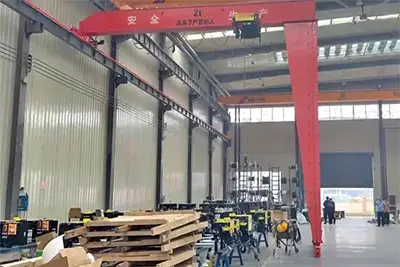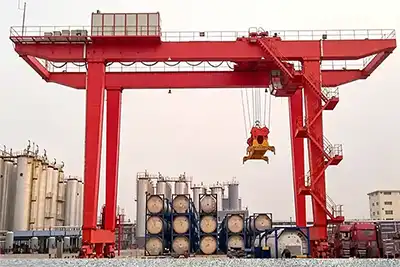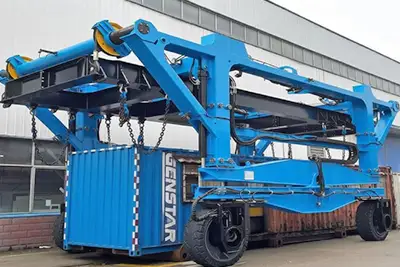
15 Ton Gantry Crane: Single vs Double Girder Comparison
15 Ton Single vs. Double Girder Gantry Crane: Which Should You Buy?
If you work in a factory, steel yard, or construction site, you’ve probably seen a 15-ton gantry crane in action. It’s one of the most common lifting systems used for moving heavy materials — strong enough for big loads, yet flexible enough for everyday use. You’ll find it in workshops, warehouses, and outdoor yards, handling everything from machinery parts to steel structures and precast components.
But here’s the usual question buyers face:
Should you choose a single girder or a double girder design?
At first glance, both seem to do the same job — lifting 15 tons. Yet, their structures, lifting height, working performance, and costs are not the same. The design you pick will directly affect how much you spend upfront, how easy the crane is to install, and how efficiently it performs in the long run.
Let’s break it down a bit:
- A single girder gantry crane has one main beam where the hoist runs directly underneath. It’s lighter, simpler, and often chosen for low- to medium-duty lifting tasks.
- A double girder gantry crane has two main beams. This design offers higher lifting height, better stability, and smoother operation for continuous or heavy-duty work.
The right choice depends on more than just the load weight. You’ll want to think about:
- Duty cycle – how frequently you’ll use the crane during daily operations.
- Lifting height – how much vertical space your workshop or yard allows.
- Span – the width between rails or supports, affecting both design and cost.
- Budget – whether you’re looking for a more affordable setup or a long-term heavy-duty investment.
In short, your decision between a single or double girder gantry crane should be practical, not just theoretical. Once you understand how these factors fit your working conditions, choosing the right 15-ton gantry crane becomes much easier — and far more cost-effective.
Overview of 15 Ton Gantry Cranes
A 15 ton gantry crane is a heavy-duty lifting system designed to move materials weighing up to 15 tons across a fixed area. Unlike overhead cranes that rely on building structures, gantry cranes are supported by legs running on rails or wheels, making them ideal for both indoor and outdoor operations. This mobility and structural independence make them especially useful in places where permanent overhead runways are not practical or cost-effective.
Where 15-Ton Gantry Cranes Are Commonly Used
You’ll find this crane capacity used across a wide range of industries because it sits right in the middle—strong enough for large items, yet not so massive that it becomes too expensive or difficult to install. Common working environments include:
- Manufacturing Plants: For lifting heavy machine parts, molds, and assemblies.
- Steel Yards: For handling steel beams, plates, and fabricated structures.
- Construction Sites: For moving precast concrete blocks, rebar bundles, and building materials.
- Logistics and Warehouses: For container loading and unloading, or palletized cargo handling.
- Maintenance Workshops: For repairing and assembling large mechanical components.
Each environment may require small adjustments to the crane’s structure, such as track length, span width, or lifting height, to match site conditions.
Common Configurations of 15-Ton Gantry Cranes
Depending on the application and working space, 15-ton gantry cranes come in several practical configurations:
- Full Gantry Crane:
The most common type, with both legs running on rails at ground level. Ideal for open yards and large spans. - Semi-Gantry Crane:
One side runs on a floor rail while the other runs on a runway beam fixed to a building column. Great for workshops with partial overhead support. - Truss-Type Gantry Crane:
Uses a lightweight truss structure to resist strong wind loads. Perfect for outdoor environments such as shipyards and construction sites. - Portable or Adjustable Gantry Crane:
Smaller, mobile models with adjustable height or span for indoor maintenance work or temporary lifting needs.
In short, the 15-ton gantry crane offers a good balance of strength, flexibility, and adaptability. Whether it’s for manufacturing, steel handling, or construction, there’s always a configuration that can be tailored to match your site conditions and production requirements.
Single Girder Gantry Crane – Features and Applications
A single girder gantry crane is built with a single main beam that supports the hoist, which typically runs along the lower flange of the girder. This design is simple, compact, and efficient — making it a popular choice for many small to medium-scale operations.
Because it has fewer components and lighter structural weight, this type of crane is generally easier to install and maintain. It provides all the lifting capability needed for 15-ton loads while keeping the structure straightforward and cost-friendly.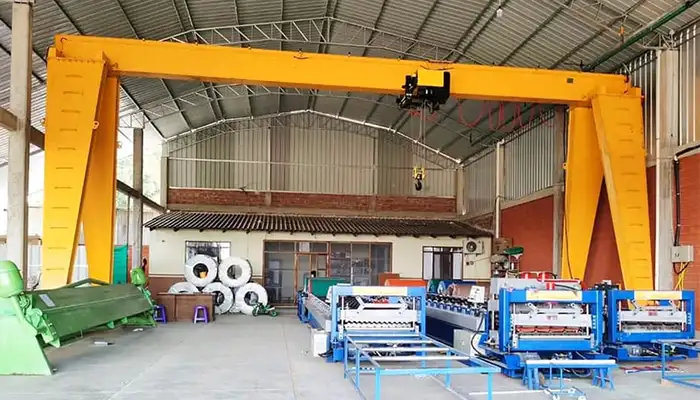
15 ton gantry crane for sale, types of single girder gantry crane design for indoor use and outdoor use
Key Advantages
Single girder gantry cranes are designed with practicality in mind. Here’s why many buyers prefer them for everyday lifting tasks:
- Lightweight and Cost-Effective
The structure uses less steel than a double girder design, which reduces material and fabrication costs. This makes it a smart option for buyers on a tight budget or those needing multiple cranes for different work areas. - Easier Installation and Maintenance
The smaller size and lighter components make transportation, assembly, and servicing much simpler. It can often be installed without heavy lifting machinery, reducing downtime during setup. - Best for Low- to Medium-Duty Operations
Single girder cranes perform well in environments where lifting frequency is moderate and operating hours are limited — such as in light manufacturing or maintenance workshops.
Limitations to Consider
While single girder cranes offer excellent value, they do come with some performance boundaries:
- Restricted Lifting Height
Since the hoist runs under the main beam, the hook height is naturally lower. This can be a concern if your process requires more vertical clearance or if large equipment occupies the workspace. - Limited Span and Duty Cycle
For very wide spans or continuous, heavy-duty lifting, a single girder crane may not provide the strength or durability needed. Excessive use can lead to faster wear and reduced service life compared with double girder designs.
Typical Applications
You’ll most often find 15-ton single girder gantry cranes in settings where efficiency and simplicity matter more than maximum lifting height or heavy-duty performance:
- Small and Medium Workshops – Handling parts, molds, or equipment where space and budget are limited.
- Maintenance Yards – Ideal for occasional repair work or component replacement.
- Outdoor Temporary Sites – Easy to transport and reassemble for project-based or seasonal operations.
In summary, a single girder 15-ton gantry crane is a dependable choice for operations that require solid lifting power without the added cost or complexity of a double girder system. It’s simple, affordable, and practical — perfect for moderate workloads and flexible material handling setups.
Double Girder Gantry Crane – Features and Applications
A double girder gantry crane features two main girders running parallel to each other, with the trolley and hoisting mechanism traveling on rails mounted on top of these girders. This structure provides greater strength, stiffness, and lifting height compared to single girder designs. It’s the preferred option for sites that demand continuous, heavy-duty lifting and long-term operational reliability.Because of its superior stability and design flexibility, the double girder gantry crane is widely used in large industrial projects where precision, capacity, and safety come first.
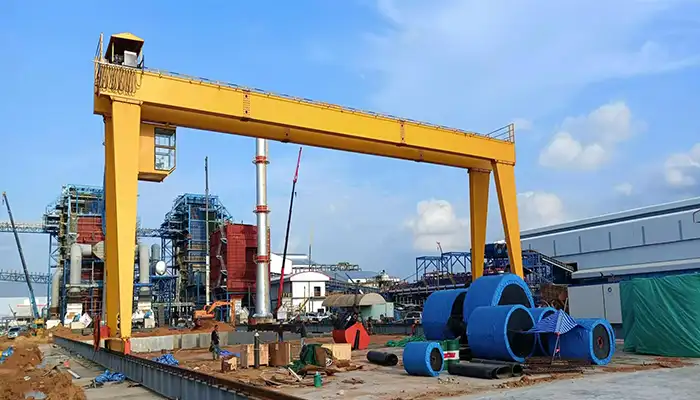
Key Advantages
A double girder gantry crane offers several functional and performance benefits that make it worth the higher investment:
- Greater Lifting Height and Stability
The hoist runs between the two main girders instead of below them, allowing for a higher hook position and more effective use of vertical space. The twin-girder setup also improves load balance, reducing sway and increasing lifting accuracy. - Ideal for Heavy-Duty and High-Frequency Work
Built for demanding environments, these cranes handle frequent lifting cycles and heavy loads with ease. They are suitable for A5–A8 duty classes, ensuring steady operation under continuous use. - Flexible for Customization
Double girder designs can easily integrate auxiliary hoists, magnetic lifters, grabs, or rotating trolleys, depending on your production needs. This makes them versatile for handling a wide range of materials — from steel billets to machinery parts and large assemblies.
Limitations to Consider
While highly capable, double girder gantry cranes do come with added requirements:
- Higher Cost and Structural Needs
The additional girder, stronger support frames, and advanced trolley mechanisms increase both the purchase and installation cost. They also require more robust foundations and rail alignment for safe operation. - More Maintenance Work
With more components and moving parts, inspections and routine servicing take more time and technical attention compared to a single girder setup.
Typical Applications
Double girder gantry cranes are the go-to solution for operations that require high lifting precision, frequent use, and wide spans. Some of the most common workplaces include:
- Shipyards and Port Facilities – For lifting ship components, engines, or large metal sections.
- Steel Mills and Foundries – For handling hot metal, heavy molds, and steel products in harsh environments.
- Large-Span Manufacturing Plants – For assembling large machinery, prefabricated structures, or heavy industrial parts.
- Construction and Infrastructure Projects – For moving oversized materials such as precast beams or bridge segments.
In short, a 15-ton double girder gantry crane is built for serious work. It’s reliable under tough conditions, offers superior lifting height, and provides long-term stability — making it the right choice for buyers who value performance, safety, and future scalability over initial cost.
Technical Comparison: Single Girder vs. Double Girder Gantry Crane
When selecting a 15-ton gantry crane, the choice between a single and double girder design comes down to more than appearance — it’s about matching technical features to your actual workload, site size, and operational goals. The table below provides a practical side-by-side comparison to help buyers make a clear, informed decision.
| Parameter | Single Girder Gantry Crane | Double Girder Gantry Crane |
|---|---|---|
| Rated Capacity | Up to 20 tons (15T is ideal for design efficiency and cost control). | Up to 200 tons, suitable for heavy industrial operations. |
| Lifting Height | Moderate, as the hoist runs under the girder. | Higher, since the hoist moves between the girders, maximizing hook travel. |
| Span Range | Short to medium spans; ideal for compact workshops and indoor use. | Medium to long spans; better suited for large yards and wide production areas. |
| Duty Class | A3–A5 — best for light to medium-duty work cycles. | A5–A8 — designed for medium to heavy-duty and frequent lifting operations. |
| Crane Weight | Lighter structure; easier to move, assemble, and maintain. | Heavier and more rigid, providing extra stability for large loads. |
| Maintenance | Simple design means fewer components and lower upkeep costs. | Requires more maintenance due to additional parts and mechanical complexity. |
| Price Range | More economical initial investment; good for general lifting needs. | Higher upfront cost, but offers better long-term performance and durability. |
| Installation | Quick and straightforward; minimal foundation work needed. | Needs stronger supports and precise alignment for rails and columns. |
Quick Takeaway for Buyers
- Go for a single girder if you need a budget-friendly, easy-to-install solution for light to moderate lifting.
- Choose a double girder if your site demands continuous operation, higher lifting height, and room for future upgrades.
This comparison helps narrow the gap between what looks good on paper and what truly performs well in real working conditions.
How to Choose Between Single and Double Girder Designs for 15-Ton Gantry Cranes
When it comes to 15-ton gantry cranes, the decision between a single or double girder design isn't just about cost — it's about matching the crane to your industrial application, site conditions, and operational needs. Understanding how each design performs in typical work environments will help you make the right choice.
The frequency of crane operation plays a major role in deciding the design:
- Single Girder 15-Ton Gantry Crane:
Best for occasional or light-duty lifting, such as in maintenance workshops or small fabrication shops. It handles moderate workloads efficiently without overcomplicating installation or maintenance. - Double Girder 15-Ton Gantry Crane:
Built for frequent or heavy-duty operations, making it suitable for steel mills, shipyards, and large industrial plants where continuous lifting and higher stability are needed.
The vertical space available in your facility often dictates which design will work best:
- Single Girder:
Ideal for spaces with limited ceiling height. Since the hoist runs under the girder, hook height is lower but adequate for standard workshop applications. - Double Girder:
Provides maximum lifting height, as the hoist travels between the girders. This is especially useful in outdoor yards or tall production lines, where higher hook clearance is required.
How wide your working area is will also influence the crane choice:
- Single Girder:
Suited for narrow to medium spans, such as indoor workshops, maintenance areas, or compact fabrication units. - Double Girder:
Better for long spans or outdoor industrial yards where heavy loads must travel across wide distances. Its robust design maintains stability over large spans.
Financial planning is always a factor in crane selection:
- Single Girder:
A more economical solution with lower material, installation, and maintenance costs. Perfect when budget constraints are tight but operational needs are moderate. - Double Girder:
Higher initial investment, but offers better durability, load capacity flexibility, and suitability for high-frequency or future-intensive use. Often considered a long-term investment.
Think ahead about potential operational growth:
- If you expect increased load demands or need to integrate auxiliary hoists, a double girder 15-ton gantry crane provides the flexibility to upgrade without replacing the entire crane system.
- Single girder cranes are less adaptable for future expansion but can still meet stable, moderate workload requirements efficiently.
For typical industrial applications:
- Single Girder 15-Ton Cranes: Light to medium workshops, maintenance yards, small fabrication plants, or temporary outdoor sites.
- Double Girder 15-Ton Cranes: Steel mills, shipyards, large-span manufacturing plants, or high-frequency outdoor lifting operations.
In short, choosing between single and double girder designs should be a balance between current operational needs, site conditions, and long-term plans. Evaluating duty cycle, lifting height, span, budget, and future expansion will help ensure the crane you pick delivers efficient and safe performance for years to come.
Practical Buyer Tips for 15-Ton Gantry Cranes
Buying a 15-ton gantry crane is more than just picking a model off a catalog. There are several practical factors that can make or break the efficiency, safety, and longevity of your crane. Here are some key tips for buyers to keep in mind:
Before placing an order, make sure your site can accommodate the crane:
- Power Supply: Check voltage, phase, and frequency to ensure compatibility with the crane's electrical system.
- Site Dimensions: Measure the width, height, and length of your working area to match the crane's span and lifting height.
- Ground Conditions: Confirm that the floor or rail system can support the crane's weight, especially for double girder models.
Every industrial site has unique requirements. Don't hesitate to ask suppliers for tailored solutions:
- Adjustable span or height for flexible operations.
- Higher hoisting speed for time-sensitive workflows.
- Weatherproof or corrosion-resistant coatings for outdoor use.
- Specialized attachments like grabs, magnets, or auxiliary hoists for material-specific handling.
Even the best crane can underperform without proper installation and maintenance:
- Check if your supplier offers on-site installation assistance or detailed guidance.
- Ensure local availability of spare parts to minimize downtime.
- Evaluate after-sales support, including maintenance schedules, technical guidance, and emergency repair services.
For imported cranes, compliance and safety are critical:
- Look for CE and ISO certifications to ensure international safety and quality standards.
- Ask for third-party inspection reports to verify load testing, structural integrity, and performance before shipping.
Practical Takeaway: A 15-ton gantry crane is a significant investment. Taking the time to check site compatibility, customization options, support availability, and certifications ensures that the crane performs efficiently, safely, and reliably over the long term.
Conclusion
When it comes to 15-ton gantry cranes, the choice between single and double girder designs boils down to your operational needs and long-term goals.
- Single Girder Gantry Cranes: Economical, lightweight, and simple. They are perfect for lighter lifting tasks, occasional use, and smaller workshops or maintenance yards.
- Double Girder Gantry Cranes: Robust, stable, and versatile. These cranes handle heavier loads, higher lifting heights, and continuous or demanding industrial operations with ease.
Ultimately, the right crane depends on factors like duty cycle, lifting height, span, and your future expansion plans. A careful assessment ensures that the crane meets both current needs and long-term performance expectations.
Practical Tip for Buyers: Share your detailed operational requirements with your supplier — including load types, frequency, site dimensions, and power supply. Providing these details helps manufacturers offer the most accurate quotation and tailor a crane design that fits your facility perfectly.
Making the right choice now will save time, reduce maintenance issues, and improve efficiency for years to come.