Grab Bucket: How to Improve Bulk Material Handling Efficiency
Crane grab buckets for sale—mechanical, hydraulic, electric & specialty types for grab bucket overhead cranes . Explore applications, features & practical tips for choosing grab bucket.
Introduction: Making Bulk Material Handling More Efficient
Bulk material handling comes with a lot of headaches. Moving coal, ore, scrap, or grain isn’t just heavy work—it’s a puzzle of timing, safety, and cost. Every minute lost to downtime or spillage can affect your productivity and your bottom line.
Grab buckets play a key role in keeping operations smooth. They aren’t complicated, but when chosen and used correctly, they allow you to:
- Load and unload materials faster and more precisely
- Reduce material loss and spillage
- Minimize strain on both equipment and operators
The goal of this guide is simple: to give you practical, actionable ways to make your bulk material handling more efficient. You’ll see how the right grab bucket, combined with proper operation and maintenance, can help your team move more material in less time, with fewer interruptions.
In this guide, you’ll learn:
- Common challenges in bulk material handling and how to overcome them
- How grab buckets can improve workflow efficiency
- Step-by-step tips for selecting, operating, and maintaining grab buckets
By the end, you’ll have a clear understanding of how to reduce downtime, increase throughput, and make your operations run smoother every day.
Role of Grab Buckets in Material Handling
Grab buckets are the backbone of bulk material handling. They do more than just lift and release material—they can make or break your operation’s efficiency. Knowing the right type to use and how design affects performance is key to saving time and reducing operational headaches.
Grab Bucket Types: Choose What Fits Your Material
Different operations need different grab buckets. Here’s a simple breakdown:
Hydraulic Grab Buckets
- Strong grip and smooth operation.
- Handles heavy materials like coal, ore, and scrap.
- Fast opening/closing cycles for quicker loading/unloading.
Electric Grab Buckets
- Precise control with electric motors.
- Ideal for lighter materials like grains or pellets.
- Energy-efficient and quiet during operation.
Mechanical Grab Buckets
- Operated via ropes or pulleys.
- Rugged, simple, low-maintenance.
- Slower cycles, less precision—but reliable in tough environments.
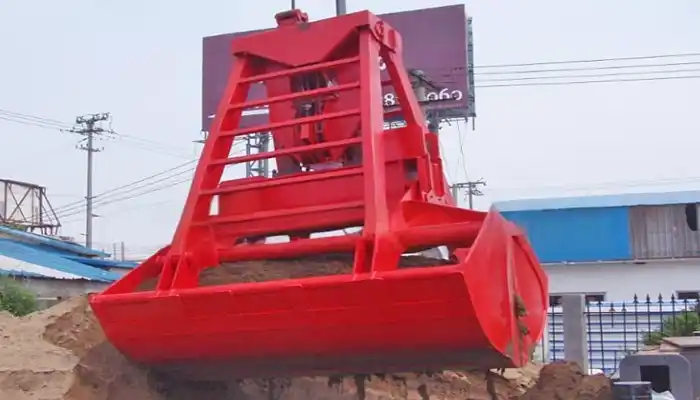
Design Matters: Speed, Precision, and Efficiency
Not all grab buckets handle materials the same way. Design features make a real difference:
- Bucket Shape: Affects how material is scooped and released.
- Capacity: Larger buckets move more material but need more crane power.
- Petal Design: Multi-petal (2-petal, 3-petal, orange peel) buckets hold irregular materials securely and reduce spillage.
The right design means fewer wasted cycles, less spillage, and lower labor costs.
Material-Specific Tips
Matching your grab bucket to the material type prevents problems and boosts efficiency:
- Coal: Dusty and prone to spillage → smooth-opening, controlled-release buckets.
- Ore: Heavy and dense → strong hydraulic buckets for safe handling.
- Scrap Metal: Irregular shapes → orange peel or multi-petal buckets.
- Grain & Pellets: Light and flowable → precise hydraulic or electric grabs.
Pick wisely, and your grab bucket doesn’t just lift material—it lifts productivity.
Selecting the Right Grab Bucket for Your Operation
Choosing the right grab bucket is more than just picking the first model you see. The right choice can save time, reduce spillage, and extend equipment life. A wrong choice, on the other hand, can slow operations and increase maintenance costs.
Every material behaves differently, and your grab bucket needs to match its properties:
- Weight: Heavy materials like ore or scrap need hydraulic buckets for a strong grip and safe lifting.
- Density: Dense materials require buckets that can handle full loads without straining the crane or hoist.
- Moisture Content: Wet or sticky materials can clog standard buckets. Look for smooth surfaces or specialized designs to ensure material flows easily.
Getting this match right ensures faster cycles, fewer missed grabs, and less cleaning or maintenance downtime.
The size of your bucket affects both speed and safety:
- Larger buckets move more material per cycle, improving throughput.
- Too large, and you risk overloading cranes or creating spillage.
- Smaller buckets may mean more cycles, but they are safer for precise operations or confined spaces.
It’s a balancing act between moving more material and keeping operations controlled and safe.
Deciding whether to go standard or custom depends on your operation:
- Standard Buckets: Readily available, lower upfront cost, and suitable for most common materials.
- Customized Buckets: Designed to match specific material characteristics, crane configurations, or operational requirements. They may cost more initially but can significantly improve efficiency and reduce long-term wear.
It’s tempting to buy the cheapest bucket, but total cost of ownership matters more:
- Consider repair and maintenance frequency.
- Factor in time lost due to slower cycles or spillage.
- Compare energy consumption between hydraulic, electric, and mechanical models.
A slightly higher upfront investment in the right bucket often pays off through lower downtime, reduced labor, and improved throughput.
Optimizing Grab Bucket Operation
Even the best grab bucket won’t reach its full potential if it’s not operated efficiently. Optimizing how your bucket is used can reduce downtime, improve material flow, and keep your team safe. Small adjustments in operation and maintenance often make a big difference in daily productivity.
Proper Attachment and Maintenance Practices
A grab bucket is only as effective as its installation and upkeep:
- Secure Attachment: Always double-check that the bucket is properly connected to the crane or hoist. Loose attachments can cause spillage or even accidents.
- Regular Inspections: Look for cracks, worn-out teeth, or hydraulic leaks before each shift. Early detection prevents costly repairs.
- Lubrication and Cleaning: Keep moving parts well-lubricated and free from debris to ensure smooth operation.
Routine maintenance keeps cycles consistent and extends the life of both the bucket and the crane.
Reducing Idle Time During Loading and Unloading
Idle time is wasted time. Improving workflow around your grab bucket can save hours:
- Pre-position materials for easy access.
- Coordinate with operators to minimize waiting for crane movements.
- Use multiple buckets or rotate between cranes if possible to keep material moving continuously.
Even small reductions in idle time per cycle can add up to a noticeable increase in throughput over a day.
Coordinating with Cranes and Other Handling Equipment
Grab buckets don’t operate in isolation—they’re part of a bigger system:
- Align crane speed with bucket cycle time to avoid overreaching or underutilization.
- Sync with conveyors, hoppers, or trucks to prevent bottlenecks.
- Communication between operators and ground staff ensures smoother, faster operations.
When all parts work together, your bulk material handling becomes more efficient and predictable.
Tips for Smooth and Consistent Grab Cycles
Consistency is key for maximizing efficiency:
- Avoid sudden starts or stops that can spill material.
- Use controlled opening and closing to prevent bouncing or misloads.
- Adjust the grab cycle according to material type and weight.
- Train operators to anticipate material flow and coordinate movements rather than react to delays.
A smooth, consistent operation not only improves productivity but also reduces wear on equipment and lowers maintenance costs.
Enhancing Productivity Through Technology
Technology isn't about fancy gadgets—it's about making material handling faster, safer, and more predictable. Leveraging modern tools and systems can help operators get more done with less effort while giving managers better control over operations.
Automated and electro-hydraulic grab buckets can dramatically improve cycle times:
- Faster Opening and Closing: Electro-hydraulic buckets operate smoothly and quickly, reducing the time spent on each load.
- Consistent Performance: Automation reduces human error, ensuring each grab cycle is precise and repeatable.
- Less Strain on Operators: Easier control allows operators to handle more material with less fatigue.
For high-volume operations like ports, recycling yards, or mining facilities, these systems can make a noticeable difference in overall throughput.
Keeping an eye on operations helps managers spot inefficiencies before they become problems:
- Track crane and bucket usage in real time.
- Measure cycle times, load weights, and idle periods.
- Identify bottlenecks in material flow or equipment performance.
With this data, you can make informed decisions on staffing, maintenance, and equipment upgrades.
A grab bucket doesn't operate in isolation—its efficiency depends on how it fits into your workflow:
- Coordinate crane operations with conveyors, trucks, or hoppers to reduce waiting times.
- Schedule maintenance during low-activity periods to minimize downtime.
- Plan material handling paths for smooth movement and fewer interruptions.
Integrating grab buckets into a well-thought-out workflow ensures your technology investment pays off in faster cycles and higher productivity.
Reducing Downtime and Operational Costs
Downtime is one of the biggest hidden costs in bulk material handling. Every hour a grab bucket sits idle is material not moved and money not earned. Proactive measures can keep your equipment running smoothly while lowering long-term expenses.
Preventive Maintenance Schedules
A grab bucket that’s well-maintained lasts longer and operates more efficiently:
- Routine Inspections: Check for cracks, worn-out teeth, hydraulic leaks, or loose attachments regularly.
- Scheduled Lubrication: Keep moving parts greased to prevent wear and ensure smooth operation.
- Replacement Planning: Swap out parts before they fail to avoid unplanned downtime.
Following a preventive schedule may take time upfront, but it saves hours—or even days—of lost productivity later.
Identifying Common Wear Points and Failure Causes
Knowing where buckets are most likely to fail helps prevent major breakdowns:
- Teeth and Edges: Wear quickly when handling abrasive materials like ore or coal.
- Hydraulic Components: Leaks or pressure drops can slow operation or stop the cycle completely.
- Hinges and Linkages: Loosen over time, affecting grip strength and precision.
Addressing these points proactively avoids costly repairs and keeps cycles running smoothly.
Training Operators for Efficient and Safe Usage
Even the best bucket is ineffective without skilled operators:
- Teach proper attachment, lifting, and release techniques to prevent spillage.
- Train operators to anticipate material behavior, avoiding sudden stops or jolts.
- Encourage reporting of small issues early, before they escalate into major problems.
Well-trained operators reduce wear, prevent accidents, and maximize the efficiency of every grab cycle.
Case Studies / Practical Examples
Sometimes the best way to understand efficiency improvements is to see them in action. Real-world examples of optimized grab bucket operations show how small changes can lead to big results.
Efficiency Gains with Optimized Grab Buckets
Across various industries, operators and managers have reported noticeable improvements after upgrading or optimizing grab buckets:
- Scrap Metal Recycling Yard: Switching from mechanical to hydraulic multi-petal buckets increased loading speed by 25%, reduced spillage, and lowered crane wear.
- Coal Handling at a Power Plant: Implementing controlled-release hydraulic buckets reduced material loss by 15% and sped up unloading cycles.
- Grain Terminal: Replacing standard buckets with precise electric grabs reduced manual handling and improved throughput by 20%.
These examples highlight that choosing the right bucket, paired with proper operation, can transform efficiency.
Key Metrics to Track
When evaluating performance improvements, focus on measurable outcomes:
- Tons per Hour: How much material is moved per cycle or per shift.
- Reduced Labor: Fewer operators or shorter shift times required for the same output.
- Cost Savings: Lower maintenance, less spillage, and reduced equipment wear.
Tracking these metrics helps quantify the impact of upgrades or operational changes.
Lessons Learned and Actionable Takeaways
From these real-world examples, several practical lessons emerge:
- Match the bucket type and design to the specific material.
- Maintain a consistent operation routine with preventive maintenance.
- Train operators to maximize the efficiency of each grab cycle.
- Use technology or automation where it improves speed and reduces manual errors.
By applying these lessons, managers can see measurable improvements in productivity, safety, and operational costs.
Conclusion
Choosing the right grab bucket isn’t just a minor equipment decision—it directly affects how efficiently your operation runs. From loading and unloading speed to material spillage and labor costs, the right bucket can make a measurable difference in productivity.
Key Takeaways
- Proper Selection Matters: Matching the bucket type, size, and design to the material ensures smoother, faster, and safer handling.
- Optimized Operation Counts: Regular maintenance, operator training, and efficient workflow integration reduce downtime and equipment wear.
- Cost Savings Add Up: The combination of the right bucket, proper use, and preventive care lowers operational costs over time.
Next Steps for Managers
- Review your current grab bucket systems and identify bottlenecks or inefficiencies.
- Consider upgrades or replacements if your existing equipment doesn’t match material requirements.
- Implement preventive maintenance schedules and operator training programs to maximize efficiency.
By taking these steps, you can improve throughput, reduce spillage, and make your bulk material handling operation more reliable and cost-effective.