Step-by-Step Electric Hoist Buying Guide UAE
Step-by-Step Buyer’s Guide to Selecting the Right Electric Hoist in the UAE – Practical Guide for Procurement Teams
Electric Hoists Buyer's Guide – UAE Industries
Electric hoists play a crucial role in industrial operations across the UAE. They are not just lifting devices—they are essential tools that help teams move heavy materials safely and efficiently. From workshops and factories to ports and construction sites, a properly selected hoist can save time, reduce labor, and improve safety on the job.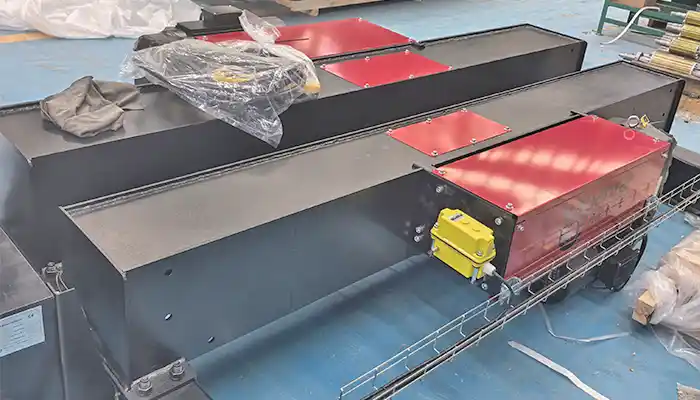
European style electric hoist for double girder crane
Choosing the right electric hoist and cranes in the UAE comes with unique challenges. The climate is hot and often humid, dust is a common factor in many industrial areas, and strict safety standards must be met. Selecting the wrong type of hoist can lead to equipment breakdowns, operational delays, or even accidents.
In this guide, we focus on three types of hoists most relevant to UAE industries:
Wire Rope Electric Hoists
- Best for heavy-duty lifting and long-span operations.
- Suitable for steel mills, port cranes, and large factories.
- Durable with high load capacities.
Electric Chain Hoists
- Compact and easy to install.
- Designed for light-to-medium loads in workshops and assembly lines.
- Operable via pendant control or compatible with automated systems.
Explosion-Proof Hoists
- Engineered for hazardous environments, such as chemical plants or oil & gas facilities.
- Compliant with international standards and UAE regulations.
- Protects both personnel and equipment while maintaining lifting efficiency.
This guide is designed for procurement teams looking to make practical, informed decisions when buying electric hoists in the UAE. It will help you consider:
- Load capacity and lift height requirements.
- Duty cycle and frequency of usage.
- Environmental factors such as heat, dust, humidity, and outdoor operations.
- Safety, compliance, and certification needs.
With these insights, you can select a hoist that not only fits your operational needs but also ensures reliability, safety, and cost-effectiveness in the UAE's unique industrial conditions.
The UAE's hot and humid climate, along with frequent dust and outdoor operations, requires hoists that can handle extreme temperatures and resist corrosion, ensuring long-term performance.
Ensuring hoists meet UAE and international safety standards is critical. Explosion-proof hoists, emergency stop systems, and certified lifting equipment protect personnel and prevent costly accidents.
Before purchasing, evaluate load requirements, duty cycle, and environment, and check for proper certifications. Selecting the right hoist upfront saves time, reduces maintenance, and optimizes operational efficiency.
Electric Hoist Types and Applications
Choosing the right hoist starts with understanding the different types available and how they fit into specific industrial applications. Each type has its strengths, limitations, and ideal use cases, especially under UAE conditions like high temperatures, dust, and strict safety standards.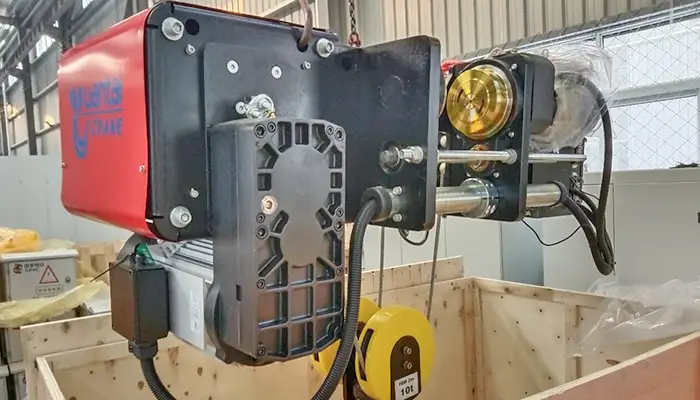
Electric hoist for single girder crane with capacity up to 20 ton
Wire rope electric hoists are the go-to choice for heavy-duty lifting. They are built to handle high loads over long spans and are known for their durability and reliability.
Key Features:
- Handles heavy loads, often up to tens of tons.
- Long lifting height and longer spans for large industrial spaces.
- Robust construction that withstands continuous operation.
Typical Applications in the UAE:
- Steel mills and metal processing plants.
- Large construction sites requiring heavy material handling.
- Port cranes for container and bulk cargo handling.
- Manufacturing plants with overhead production lines.
Advantages:
- High load capacity and excellent durability.
- Suitable for continuous and heavy-duty operation.
Limitations:
- Larger footprint and more complex installation.
- Higher initial cost compared to chain hoists.
Electric chain hoists are compact and versatile, making them ideal for lighter loads and smaller workshops. They are easier to install and maintain, which is why they are popular across UAE factories.
Key Features:
- Lightweight and compact design.
- Suitable for light-to-medium loads, typically up to a few tons.
- Easy to operate with pendant or remote control.
Applications in the UAE:
- Workshops and assembly lines.
- Small factories or light manufacturing operations.
- Areas where space is limited and maneuverability is important.
Advantages:
- Simple installation and maintenance.
- Lower cost and flexible for various light-to-medium applications.
Limitations:
- Not suitable for very heavy loads or long-span operations.
- Lower durability for continuous heavy-duty lifting compared to wire rope hoists.
Explosion-proof hoists are specifically designed for hazardous areas where flammable gases, vapors, or dust may be present. They are critical in ensuring safety in industries such as chemical plants or oil and gas facilities in the UAE.
Key Features:
- Built to prevent sparks and reduce ignition risk in hazardous zones.
- Fully compliant with international safety standards (e.g., IECEx, ATEX).
- Often comes with reinforced enclosures and protective coatings.
UAE-Specific Considerations:
- Must comply with local industrial safety regulations.
- Suitable for areas with high temperatures, dust, and corrosive environments.
Advantages:
- Ensures personnel safety in hazardous areas.
- Allows operations in environments where standard hoists cannot be used.
Limitations:
- Higher purchase and maintenance cost.
- Requires careful planning and adherence to safety certification requirements.
Key Selection Criteria for Procurement Teams
Selecting the right electric hoist is not just about picking a model off a catalog. Procurement teams need to consider multiple technical and operational factors to ensure the hoist performs reliably in UAE industrial conditions. From load capacity to environmental factors, each detail matters.
Understanding how much weight a hoist will handle is the first step. Oversizing or undersizing can lead to safety risks or unnecessary costs.
Key Points:
- Determine the maximum load the hoist will lift in daily operations.
- Consider peak loads and occasional overloads.
- Account for lift height requirements—taller lifts may need wire rope hoists instead of chain hoists.
- UAE-specific consideration: high ambient temperatures can affect motor performance and load handling efficiency.
Not every hoist is designed for continuous heavy use. Matching the hoist's duty cycle to your operational schedule ensures longevity and reliability.
Key Points:
- Light-duty: occasional lifting, low frequency. Ideal for small workshops or maintenance.
- Medium-duty: moderate lifting frequency, suitable for most factories.
- Heavy-duty: continuous operations with high lifting frequency. Common in steel mills, ports, and construction sites.
- Match the hoist's duty classification to your production schedule to avoid premature wear and downtime.
The right speed and control system improve efficiency and operator safety.
Key Points:
- Standard speed hoists are sufficient for basic operations.
- Variable speed hoists allow precise positioning, useful in assembly lines or sensitive material handling.
Control options:
- Pendant control for simple operation.
- Remote control for safe operation at a distance.
- Cabin control for large cranes in ports or factories.
- Integration with automated systems for modern production setups.
UAE industrial conditions are unique, and environmental factors can impact hoist performance and lifespan.
Key Points:
- High temperatures: motors and electronics need to withstand heat.
- Dust and humidity: may require protective covers or enclosures.
- Outdoor use: consider UV protection and corrosion-resistant materials.
- Explosion-proof requirements: necessary for chemical plants, oil & gas facilities, and areas with flammable dust or gases.
Safety is not optional. Hoists must meet both international and local regulations.
Key Points:
- Certifications: CE, ISO, IECEx for quality and safety assurance.
- UAE local standards and industrial safety regulations must be followed.
Safety features to look for:
- Emergency stop.
- Overload protection.
- Limit switches to prevent over-lifting.
Proper training and maintenance are essential to ensure safe operation over time.
Installation and Maintenance Considerations
Proper installation and regular maintenance are critical to getting the best performance from your electric hoist. A poorly installed hoist or irregular maintenance can lead to downtime, costly repairs, or safety risks. For UAE industrial operations, special attention is needed due to high temperatures, dust, and outdoor exposure.
Before installation, procurement teams should ensure that all necessary preparations are complete. This reduces delays and ensures the hoist performs reliably from day one.
Checklist Items:
- Confirm hoist specifications match the planned load and lift height.
- Verify the type of hoist (wire rope, chain, explosion-proof) is suitable for the environment.
- Ensure structural supports are capable of handling the hoist load.
- Check that all certifications, manuals, and compliance documents are available.
- Plan for safe handling and temporary storage of the hoist before installation.
Electric hoists need proper space and infrastructure to operate efficiently.
Key Points:
- Space: Ensure sufficient overhead clearance and working area for safe lifting.
- Runway beams: Must be designed to support the hoist load and movement. Quality steel beams with correct alignment are essential.
- Power supply: Check voltage, frequency, and phase compatibility. UAE plants may have 380–415V, 50Hz three-phase systems, but always confirm.
- Outdoor vs. indoor installation: Hoists installed outdoors may require weatherproof covers or corrosion-resistant materials.
Regular maintenance extends the life of your hoist and ensures safety in UAE conditions.
Maintenance Recommendations:
- Inspect wire ropes, chains, and hooks for wear and deformation.
- Check motor and brake performance under load.
- Lubricate moving parts according to manufacturer guidelines.
- Test limit switches, emergency stops, and overload protection devices.
- Keep electrical components protected from dust, heat, and humidity.
- Schedule preventive maintenance every 6–12 months depending on usage frequency.
Proper maintenance reduces downtime, avoids unexpected failures, and ensures the hoist continues to operate safely and efficiently under UAE's challenging industrial conditions.
Supplier Evaluation and Selection
Selecting the right supplier is just as important as choosing the right hoist. A reliable supplier ensures you get quality products, timely delivery, and ongoing support—critical factors for smooth operations in UAE industrial environments.
Before finalizing a purchase, procurement teams should ask detailed questions to ensure the supplier can meet operational and compliance needs.
Essential Questions:
- What type of hoists do you provide? Wire rope, chain, or explosion-proof?
- Are your hoists certified to international standards (CE, ISO, IECEx) and compliant with UAE safety regulations?
- What warranty and after-sales service do you offer?
- Do you have a service network or partners within the UAE for maintenance and spare parts?
- Can you provide references or case studies from similar UAE industrial applications?
Choosing between local and international suppliers requires careful consideration.
Key Points:
Local suppliers:
- Easier access to parts and maintenance support.
- Faster delivery and lower shipping costs.
- Familiarity with UAE regulations and industrial standards.
International suppliers:
- May offer advanced or specialized hoist technologies.
- Longer lead times and higher shipping costs.
- Need to verify compatibility with local power supply and environmental conditions.
Procurement teams should weigh the trade-offs between immediate support and advanced product features.
Verifying the supplier's production quality can prevent costly mistakes.
Best Practices:
- Conduct on-site factory inspections if possible.
- Request third-party inspection reports for hoist performance, safety, and certification.
- Ensure all documentation, including load testing and quality certificates, is provided before purchase.
- Verify that the supplier can support future upgrades, spare parts, and technical training in the UAE.
A careful supplier evaluation process ensures that the electric hoist you select will be reliable, safe, and suited to UAE operational conditions.
Cost Factors and Budgeting
When selecting an electric hoist, cost is more than just the purchase price. Procurement teams in the UAE need to consider the total cost of ownership, which includes maintenance, spare parts, and operational efficiency over the hoist's lifetime. Understanding these factors helps avoid unexpected expenses and ensures long-term value.
The upfront price of a hoist can vary widely depending on type, capacity, and features. However, a lower purchase price does not always mean better value.
Key Points:
- Evaluate how the hoist's features and durability match your operational needs.
- Consider costs beyond the purchase, including installation, commissioning, and operator training.
- Total cost of ownership includes maintenance, spare parts, downtime, and energy consumption.
Quick access to spare parts is essential to minimize downtime and maintain production schedules.
Key Points:
- Check whether the supplier has a stock of critical parts in the UAE.
- Verify lead times for replacement parts if shipped from abroad.
- Consider whether local service providers can handle repairs and routine maintenance.
Long-term costs often outweigh initial savings. Procurement teams should plan for the full operational life of the hoist.
Key Points:
- Energy efficiency: Modern hoists with efficient motors reduce electricity bills.
- Maintenance: Regular preventive maintenance reduces unexpected breakdowns.
- Downtime: Evaluate potential production losses if the hoist is out of service.
- Durability: Investing in a robust hoist can save money over time, even if initial costs are higher.
Practical Tips for UAE Procurement Teams
Buying an electric hoist is not just about specifications on paper—it's about matching the right equipment to your operational environment, anticipating future needs, and making decisions efficiently. For UAE industrial operations, practical planning can save both time and money.
Choosing the right type of hoist ensures safety, efficiency, and reliability.
Key Points:
- Wire rope hoists: Best for heavy-duty lifting in steel mills, ports, or large factories.
- Chain hoists: Suitable for workshops, assembly lines, and light-to-medium lifting tasks.
- Explosion-proof hoists: Essential in chemical plants, oil & gas facilities, or areas with flammable dust and gases.
- Consider environmental conditions such as heat, dust, humidity, and whether the hoist will be used indoors or outdoors.
Procurement teams should think ahead to avoid limitations as operations grow.
Key Points:
- Assess potential increases in load requirements or production scale.
- Ensure the hoist and runway system can accommodate higher capacities in the future.
- Choose suppliers who offer scalable solutions or modular hoist designs.
- Factor in possible automation integration or upgrades to control systems.
Having a concise checklist helps procurement teams make faster, more informed choices without overlooking critical details.
Quick Checklist:
- Verify hoist type matches the operational load and environment.
- Confirm duty cycle and lifting height requirements.
- Check supplier certifications and after-sales support in the UAE.
- Ensure compatibility with local power supply and infrastructure.
- Plan for maintenance, spare parts availability, and long-term reliability.
- Consider future capacity needs and potential system upgrades.
Conclusion
Selecting the right electric hoist is a critical decision for any industrial operation in the UAE. The right choice improves efficiency, ensures safety, and minimizes downtime, while the wrong choice can lead to operational delays, equipment damage, or safety hazards.
Key Takeaways
When choosing an electric hoist, procurement teams should focus on:
- Matching hoist type to operational needs: Wire rope, chain, or explosion-proof depending on load, environment, and industry.
- Considering UAE-specific conditions: High temperatures, dust, humidity, outdoor use, and compliance with local regulations.
- Evaluating total cost of ownership: Initial purchase price, maintenance, spare parts availability, energy efficiency, and lifecycle costs.
- Checking safety and compliance: Certifications like CE, ISO, IECEx, and adherence to local UAE industrial standards.
- Planning for future growth: Ensuring hoists and infrastructure can handle increased loads or automation upgrades.
Reliability, Safety, and Compliance
UAE industrial operations demand hoists that are robust, safe, and fully compliant. Prioritizing reliability and safety not only protects workers and equipment but also supports continuous production and reduces unexpected costs.
Consult Certified Suppliers
Working with certified suppliers ensures you get hoists that meet international quality standards and are suitable for UAE industrial conditions. Suppliers can provide tailored solutions, installation support, and ongoing maintenance, helping procurement teams make confident decisions.