Comparing Hoist Tonnages for Workshop, Offshore & Outdoor Use
Comparing Hoist Tonnages: How to Match Capacity to Workshop, Offshore, and Outdoor Needs
Most Important Takeaway:
Selecting the right hoist tonnage—whether it’s an electric hoist, anti-corrosion hoist, or workshop/outdoor hoist—is critical for safety, operational efficiency, and long-term cost savings. Correct capacity prevents overloads, reduces downtime, and ensures optimal crane performance in any environment.
Key Takeaways (Buyer-Focused)
- Correct hoist tonnage ensures safe lifting and prevents accidents in workshops, offshore facilities, and outdoor environments.
- Electric hoists are ideal for precise, frequent lifting but require careful selection based on rated load, duty cycle, and environment.
- Workshop hoists should match the weight and size of parts, molds, or materials while ensuring compatibility with existing crane systems.
- Anti-corrosion hoists and outdoor hoists are essential for chemical, marine, or harsh weather environments. Material coatings and protective designs matter for longevity.
- Overestimating capacity wastes budget, while underestimating capacity risks equipment failure and safety hazards.
- Consulting with manufacturers on environmental conditions, frequency of lifts, and lifting height ensures optimal hoist selection.
Questions This Guide Solves
- How do I select the correct electric hoist for my workshop or outdoor operations?
- What hoist tonnage is ideal for anti-corrosion or offshore lifting environments?
- How do environmental factors affect hoist capacity selection?
- What are the key differences between workshop, outdoor, and offshore hoists?
- How can I prevent costly mistakes when choosing hoist capacity?
Introduction: Why Choosing the Right Hoist Tonnage Matters
Key Point: Selecting the correct hoist tonnage is crucial for safe, efficient, and cost-effective lifting operations. The right capacity ensures smooth performance of electric hoists, workshop hoists, anti-corrosion hoists, and outdoor hoists while preventing accidents, downtime, and unnecessary expenses.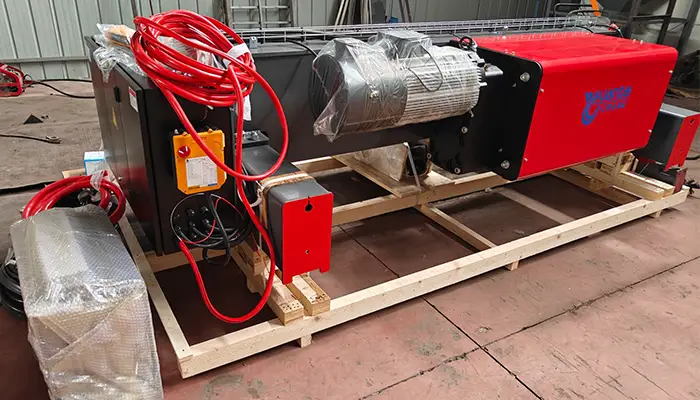 European style wire rope electric hoists for sale
Every lifting environment has unique requirements, and a hoist suitable for one setting may fail in another. Buyers need to understand how workshop, offshore, and outdoor hoists differ to select the right tonnage for their operations:
- Workshop Lifting: Handles machinery, molds, steel plates, and other industrial components indoors.
- Offshore Lifting: Deals with motion, wind, saltwater, and strict safety standards.
- Outdoor Applications: Must withstand rain, dust, sun, and extreme temperatures.
Selecting a hoist with the wrong tonnage can have serious consequences. Using an undersized or oversized hoist impacts both safety and cost:
- Equipment overload and potential accidents.
- Downtime due to maintenance or failure.
- Increased long-term costs from repairs and replacements.
Hoist type and design are just as important as tonnage. Understanding the features of each hoist helps buyers match the right solution to the environment:
- Electric Hoists: Precise, energy-efficient, and suitable for frequent lifting operations.
- Anti-Corrosion Hoists: Resistant to chemical, marine, and humid environments.
- Outdoor Hoists: Weatherproof and designed for harsh outdoor conditions.
Proper selection requires careful evaluation of technical and environmental factors. This ensures the hoist performs reliably over its entire service life:
- Rated load vs. actual load.
- Duty cycle and lifting frequency.
- Environmental conditions: indoor, offshore, or outdoor exposure.
- Compliance with safety regulations and standards.
Electric Hoist Tonnage
Selecting the right hoist tonnage is essential for safe and efficient lifting. It's not just about choosing a number—it's about understanding how rated load, duty cycle, and environmental factors influence hoist performance. Getting this right ensures your electric hoist, workshop hoist, anti-corrosion hoist, or outdoor hoist can handle loads reliably without risk of damage or downtime.
Every hoist has a rated capacity, which is the weight it can safely lift under normal conditions. The maximum load is the absolute limit the hoist can handle briefly, often with a safety factor applied. For buyers, ensuring the rated capacity matches or exceeds your heaviest load with a safety margin is critical to prevent overloads and accidents:
- Always calculate the heaviest expected load including fixtures or lifting attachments.
- Factor in a safety margin of 10–25% depending on the application.
- Avoid oversizing unnecessarily, which increases cost and may reduce efficiency.
Not all hoists are designed for the same frequency of operation. The duty class indicates how often a hoist can operate safely without overheating or excessive wear. Buyers should match hoist duty class to lifting frequency for reliable long-term performance:
- Frequent lifts require higher duty cycle hoists for continuous operation.
- Light, occasional lifts can use hoists with lower duty classes, reducing upfront costs.
- Duty cycle affects both electric hoist lifespan and energy efficiency.
Different operating environments require hoists with specialized designs. Choosing the right type ensures durability, safety, and compliance with local regulations:
Workshop Hoists
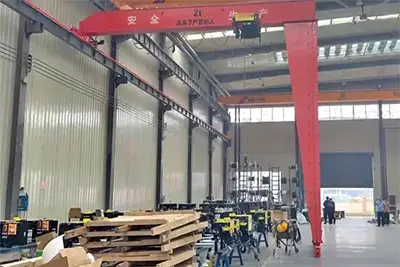
- Ideal for indoor factories, assembly lines, and production areas.
- Designed for controlled environments, handling steel plates, molds, and machinery.
Anti-Corrosion Hoists
- Suitable for chemical plants, offshore platforms, and humid environments.
- Features include stainless steel components, protective coatings, and IP-rated motors to resist corrosion.
Outdoor Hoists
- Built to withstand sun, rain, dust, and extreme temperatures.
- Often includes weatherproof housings, durable wire ropes, and protective covers for long-term performance.
Electric hoists are widely used due to their precision, efficiency, and ease of integration with cranes and lifting systems. Understanding these benefits helps buyers justify the investment:
- Smooth operation reduces impact on loads and structures.
- Energy efficiency lowers operating costs for frequent lifts.
- Precise control improves safety during positioning and handling.
- Easy integration with single girder, double girder, or gantry cranes enhances flexibility.
Workshop Applications
Workshops require hoists that can handle frequent, precise lifting of heavy parts, molds, steel sheets, and machinery. Selecting the right hoist tonnage and type ensures smooth operations, safety, and long-term reliability in industrial environments.
Industrial workshops often handle a variety of materials that differ in weight, size, and shape. Understanding the typical loads helps in selecting the right hoist:
- Machinery: Lifting engines, motors, and assembled equipment.
- Molds: Handling heavy molds in injection molding or metal casting.
- Steel Sheets and Plates: Moving raw or fabricated steel for cutting and assembly.
- Fabricated Parts: Hoisting components during assembly or maintenance.
Most industrial workshops require hoists that cover light to medium-heavy loads. Correct tonnage prevents overload and ensures durability:
- 1–5 tons: Small machinery, molds, and light fabricated parts.
- 5–10 tons: Medium-sized equipment and steel plates.
- 10–20 tons: Heavy machinery, large molds, or multiple combined loads.
- Choosing a hoist within this range balances safety, efficiency, and cost.
When choosing a hoist for workshop use, several technical factors determine optimal performance:
Hoist Height and Span Compatibility
- Ensure the hoist can reach the required lifting height.
- Verify it fits within the crane span and workshop layout.
Load Weight and Lifting Frequency
- Match hoist rated load to the heaviest expected load with a safety margin.
- Higher lifting frequency requires hoists with a higher duty cycle for durability.
Material Handling Requirements
- Consider the type and shape of materials to avoid slippage or damage.
- Select hoists with precise control for delicate or heavy assembly operations.
Offshore, Marine, and Anti-Corrosion Needs
Offshore and marine environments pose unique challenges for lifting equipment. Exposure to saltwater, wind, vessel motion, and corrosive chemicals can quickly degrade standard hoists. For buyers, selecting the right anti-corrosion or offshore hoist ensures safety, compliance, and reliable performance under these harsh conditions.
Hoists used offshore must handle conditions that indoor workshops rarely face:
- Corrosive environments: Saltwater, chemical exposure, and high humidity.
- Wind and vessel motion: Hoists must operate safely on moving platforms.
- Strict safety regulations: Compliance with international marine and offshore standards is mandatory.
Hoist capacity depends on the weight and type of cargo, machinery, or equipment being lifted. Choosing the correct tonnage prevents overload and ensures long-term durability:
- 5–10 tons: Small equipment, tools, or container handling.
- 10–30 tons: Medium-sized machinery or offshore supply lifts.
- 30–50+ tons: Heavy cargo, large machinery, or combined loads.
- Oversizing slightly for safety margins is recommended due to dynamic forces at sea.
Specialized hoist designs are required for offshore and chemical-heavy environments. Look for these features:
Stainless Steel Components or Anti-Corrosion Coatings
- Protects gears, wire ropes, and hooks from rust and chemical damage.
- Extends service life in humid or saline conditions.
IP-Rated Electric Hoist Motors
- Protects against water, dust, and spray.
- Ensures continuous operation even in wet or corrosive environments.
Compliance with Marine and Safety Standards
- Certifications such as DNV, ABS, or ISO ensure hoists meet offshore safety and reliability requirements.
- Necessary for legal and insurance compliance in marine operations.
Outdoor Hoist Considerations
Outdoor lifting operations present unique challenges that indoor or workshop hoists rarely face. Exposure to sun, rain, dust, and temperature extremes can quickly damage equipment if the hoist is not designed for these conditions. Choosing the right outdoor hoist ensures safety, reliability, and long-term performance in demanding environments such as construction sites, shipyards, or open-air warehouses.
Outdoor hoists must operate reliably despite harsh weather conditions and uneven terrain:
- Sun and heat: Can degrade motors, wiring, and paint coatings.
- Rain and moisture: Increases the risk of corrosion and short-circuits.
- Dust and debris: Can clog gears and reduce hoist lifespan.
- Temperature extremes: Hoist performance must remain consistent in hot or cold climates.
Selecting a hoist for outdoor use requires careful attention to protective features and capacity:
Weatherproof Design with Protective Covers
- Shields motors, gears, and electrical components from rain, dust, and UV damage.
- Ensures reliable operation in all weather conditions.
Outdoor-Rated Wire Rope and Hoist Motors
- Wire ropes and hoist motors must be specifically rated for outdoor use.
- Stainless steel or coated ropes prevent corrosion and increase durability.
Load Capacity with Safety Margin
- Hoist tonnage should exceed maximum expected loads to account for wind, uneven terrain, and dynamic forces.
- Safety margins reduce the risk of accidents and extend hoist lifespan.
Matching Hoist Capacity to Operational Needs
Selecting the correct hoist capacity goes beyond just matching numbers. Buyers must evaluate load weight, frequency of lifts, environmental factors, and hoist type to ensure safe, reliable, and efficient lifting operations. Proper selection minimizes downtime, prevents overload, and extends hoist lifespan.
Before choosing a hoist, determine the heaviest load it will lift as well as the average operational load. This ensures the hoist can handle real-world conditions:
- Include fixtures, slings, or attachments in total weight calculations.
- Identify average load patterns to select the correct duty class.
- Avoid oversizing unnecessarily, which can increase cost and reduce efficiency.
The number of lifts per hour and duration of operation directly affect hoist performance and lifespan. Consider:
- High-frequency lifts require hoists with a higher duty cycle.
- Light, occasional lifts can use lower duty class hoists to reduce upfront cost.
- Duty cycle selection impacts electric hoist motor durability and energy efficiency.
Environmental conditions significantly influence hoist choice. Assessing the work setting helps buyers select the right anti-corrosion, outdoor, or offshore hoist:
- Indoor workshops: Controlled environment, minimal exposure to moisture or debris.
- Chemical exposure or humid areas: Require anti-corrosion hoists with coated components or stainless steel.
- Offshore or marine operations: Hoists must handle wind, vessel motion, and saltwater exposure.
- Outdoor environments: Hoists must be weatherproof and resistant to temperature extremes and dust.
Adding safety margins ensures the hoist can handle unexpected loads and dynamic forces:
- Typical safety margins range from 10–25% above maximum load.
- Ensure compliance with local and international safety standards such as ISO, DNV, or ABS.
- Safety margins protect operators, equipment, and the surrounding environment.
Finally, select the hoist configuration that matches operational requirements and crane type:
- Single Girder Hoists: Suitable for light to medium loads in workshops.
- Double Girder Hoists: Ideal for heavier loads, higher lifting heights, or frequent lifting.
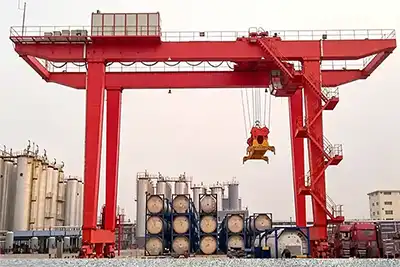
- Gantry Hoists: Mobile lifting solution for outdoor or temporary operations.
- Overhead Hoists: Fixed systems for indoor workshops or production lines.
Avoiding Common Mistakes
Selecting the wrong hoist is a frequent source of safety risks, downtime, and extra costs. Many industrial buyers overlook crucial factors such as load calculations, duty cycles, and environmental conditions. Understanding these pitfalls helps ensure your electric hoist, workshop hoist, anti-corrosion hoist, or outdoor hoist performs reliably and safely.
Buying a hoist that is larger than necessary may seem like a safe choice, but it often leads to unnecessary expenses and inefficiency.
- Oversized hoists are more expensive to purchase and maintain.
- They consume more energy and may require stronger cranes, reinforced structures, or additional installation costs.
- Selecting the correct capacity reduces upfront investment while maintaining safety and performance.
Using a hoist with an insufficient rated load is a critical safety concern that can cause equipment failure or accidents.
- Overloaded hoists can result in dropped loads, motor failure, or mechanical damage.
- Frequent maintenance or downtime increases overall operational costs.
- Always calculate the maximum load including attachments, slings, or combined components to ensure safe operation.
Failing to consider lifting frequency, duty cycles, or the work environment can reduce hoist lifespan and reliability.
- Low duty cycle hoists may overheat or wear out under frequent lifting.
- Exposure to chemicals, humidity, offshore saltwater, or outdoor weather can accelerate corrosion or electrical failure.
- Choose the right hoist type for the environment: anti-corrosion, outdoor-rated, or electric hoists with proper IP protection.
Skipping consultation with suppliers can lead to poor hoist selection and operational problems.
- Manufacturers provide guidance on duty class, rated load, and environmental suitability.
- They can recommend anti-corrosion or outdoor hoist options tailored to your application.
- Early consultation helps avoid costly mistakes and ensures long-term reliability.
Conclusion: Choosing the Right Hoist for Maximum Safety and Efficiency
Selecting the correct hoist tonnage is not just a technical decision—it directly impacts workplace safety, operational efficiency, and long-term costs. Whether your operation requires an electric hoist, workshop hoist, anti-corrosion hoist, or outdoor hoist, the right choice ensures smooth, reliable lifting under all conditions.
Key Takeaways for Buyers
- Safety First: Proper hoist capacity prevents overload, accidents, and equipment damage.
- Match Hoist to Environment: Choose anti-corrosion hoists for chemical or offshore operations, outdoor hoists for weather-exposed sites, and workshop hoists for indoor production lines.
- Consider Load and Duty Cycle: Ensure rated load matches the heaviest lifts, and duty cycle meets your lifting frequency.
- Plan for Efficiency: Correct selection minimizes maintenance, downtime, and energy costs.
- Consult Experienced Suppliers: Professional guidance helps match hoist type, capacity, and protective features precisely to your operational needs.
Final Advice
By carefully evaluating load weight, duty cycle, environmental conditions, and hoist type, buyers can prevent costly mistakes and ensure optimal crane and hoist performance. Investing time in proper hoist selection and supplier consultation guarantees a solution that is safe, efficient, and durable for years of industrial, offshore, or outdoor lifting operations.
FAQs: Questions This Guide Solves
This guide addresses the most common concerns buyers face when selecting electric hoists, workshop hoists, anti-corrosion hoists, and outdoor hoists.
Choosing the right electric hoist requires evaluating:
- Load weight and lifting frequency to match the hoist's rated capacity and duty cycle.
- Operational environment, such as indoor workshops or outdoor construction sites, to ensure durability.
- Crane integration, ensuring the hoist works with single girder, double girder, or gantry systems.
- For outdoor use, consider weatherproof designs with protective covers and outdoor-rated wire ropes.
Long-tail example: "best electric hoist for workshop or outdoor lifting"
Selecting the correct tonnage for anti-corrosion or offshore hoists depends on cargo weight, vessel motion, and dynamic forces:
- Typical ranges: 5–50+ tons for offshore lifting depending on equipment size.
- Ensure safety margins of 10–25% above the maximum expected load.
- Look for stainless steel components, anti-corrosion coatings, and IP-rated motors to withstand harsh environments.
Long-tail example: "anti-corrosion electric hoist for offshore chemical lifting"
Environmental conditions directly impact hoist performance, durability, and safety:
- Indoor workshops have controlled conditions, allowing standard hoist selection.
- Outdoor sites require weatherproof hoists resistant to sun, rain, dust, and temperature extremes.
- Chemical, humid, or offshore environments require anti-corrosion hoists with protective coatings and compliant certifications.
- Failing to account for environmental factors can lead to frequent maintenance or equipment failure.
Long-tail example: "choosing hoist capacity based on environmental conditions"
Each hoist type is designed for a specific environment:
- Workshop Hoists: Indoor use, precise lifting of machinery, molds, or steel plates.
- Outdoor Hoists: Built to resist weather, dust, and temperature fluctuations.
- Offshore / Anti-Corrosion Hoists: Designed for corrosive, wet, or saltwater environments with compliance to marine safety standards.
Avoiding common errors saves time, money, and reduces risk:
- Don't oversize hoists unnecessarily, which increases cost and energy use.
- Never underestimate maximum load; always include fixtures and attachments.
- Consider duty cycle, lifting frequency, and environmental exposure.
- Consult with experienced hoist manufacturers to match hoist type, capacity, and protective features precisely.