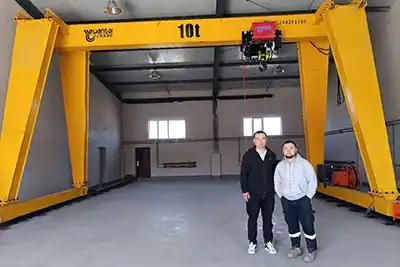
Ultimate Gantry Crane Buyer Checklist – Capacity & Site Tips
Ultimate Gantry Crane Buyer Checklist – Capacity & Site Tips
Check a complete buyer checklist for gantry cranes. Assess capacity, structure, and site conditions to choose the right crane for your operations safely.
The Ultimate Buyer Checklist for Gantry Cranes: Capacity, Structure, and Site Conditions
Introduction
What Gantry Cranes Do
Gantry cranes are widely used in industries where lifting and moving heavy loads is a daily task. From steel mills to shipyards, and warehouses to large workshops, these cranes make it possible to transport materials safely and efficiently. They might look simple at first glance, but their proper selection is far from straightforward.
Why Choosing the Wrong Crane Is Risky
Picking the wrong gantry crane can cause more than inconvenience. It can lead to:
- Operational delays because the crane cannot handle your loads.
- Damage to materials or the crane itself due to overloading.
- Safety hazards for operators and other staff.
- Extra costs for modifications or replacements later on.
Purpose of This Checklist
This buyer checklist is designed to help you make a smart, practical decision. By walking through key factors—capacity, structure, and site conditions—you can select a gantry crane that fits your workflow, space, and long-term needs. Think of it as a roadmap for avoiding mistakes that are easy to make when purchasing heavy lifting equipment.
At a Glance: What You’ll Learn
- How to determine the right lifting capacity for your operation.
- Which structural features matter for different types of workloads.
- How to evaluate your site to ensure the crane fits and operates safely.
- Tips for planning maintenance and future upgrades.
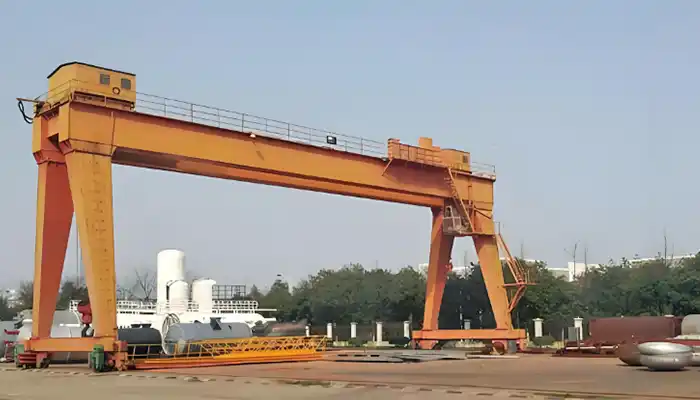
Understanding Gantry Crane Capacity
When it comes to gantry cranes, capacity isn't just a number on a spec sheet. It's about how much weight the crane can safely lift, how often it will be used, and how it fits into your workspace. Overlook this, and you could end up with a crane that either can't handle your loads or costs far more than necessary.
Think of this as the heart of your crane decision. The rated load tells you the maximum weight your crane can lift safely—but there's a bit more to it:
Single vs. Dual Hoist:
- Single hoist cranes handle one load at a time. They're simpler, easier to maintain, and generally less expensive.
- Dual hoist cranes can manage heavier or uneven loads by distributing weight. They're ideal for bulky items, but the setup requires careful operation.
Safety and WLL (Working Load Limit):
- Never plan to use the crane at its absolute maximum. Factor in a safety margin.
- If your loads are uneven or shift during lifting, consider additional allowance to prevent strain on the crane.
Height isn't just about lifting higher—it's about fitting your crane safely into the space you have.
Hook Height vs. Maximum Lift:
- Hook height is the distance from the floor to the hook when fully raised.
- Maximum lifting height also accounts for the crane's structure and any overhead obstructions.
Site Adjustments:
- Check for beams, lights, or pipes that could block movement.
- Low-headroom cranes may be necessary in workshops or areas with limited vertical space.
The span—the distance between the crane's legs—and the track length determine how far and how effectively the crane can move materials.
Span Selection:
- Should match your load sizes and workflow. Too narrow limits coverage; too wide may cost more without much benefit.
Clearance and Overhang:
- Ensure enough space at the ends so the crane can move freely.
- Consider whether you need the crane to reach slightly outside your main work area.
How often the crane will be used matters just as much as how much it can lift.
Duty Levels:
- Light-duty: occasional lifts, low usage.
- Moderate-duty: daily lifts, typical industrial use.
- Heavy-duty: continuous operation, high-stress environments like steel mills or shipyards.
Maintenance Considerations:
- Frequent lifting increases wear on motors, hoists, and rails.
- Match the crane's duty rating to your workload to reduce downtime and extend its service life.
Structural Considerations
When choosing a gantry crane, the structure is just as important as capacity. The crane's type, materials, beams, and hoist system all influence performance, safety, and long-term maintenance. Let's break down the key elements buyers should consider.
Different types of gantry cranes serve different purposes. Selecting the right type depends on workspace, load size, and mobility requirements.
Full Gantry Cranes, with single girder gantry and double girder gantry design
- Legs span the entire working area for maximum coverage.
- Suitable for outdoor yards or large workshops.
- Typically supports heavier loads.
Semi-Gantry Cranes
- One leg rides on a runway, the other on the floor.
- Ideal for workshops with space limitations.
- Handles moderate loads efficiently.
- Lightweight and movable, perfect for temporary lifting or smaller workshops.
- Limited load capacity but easy to reposition.
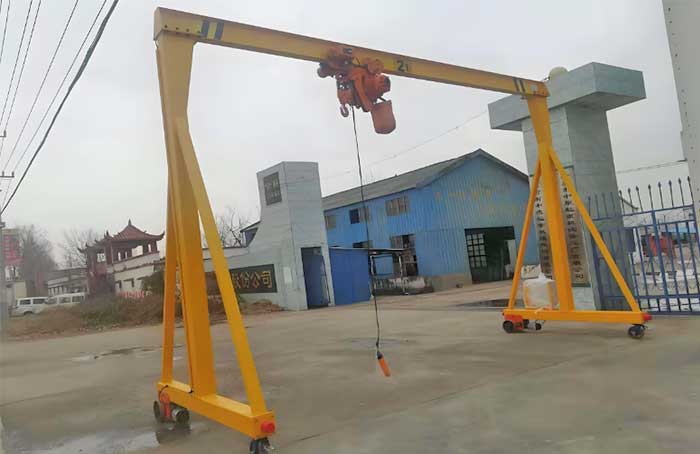
Buyer's Tip: Consider how often the crane needs to move and the available footprint before choosing a type.
The durability and safety of a crane depend heavily on the quality of its steel and fabrication.
Steel Grades
- High-strength steel reduces bending and deflection under load.
- Ensures the crane can handle repeated lifting cycles without fatigue.
Welding and Structural Integrity
- Industrial-standard welding prevents cracks and structural failure.
- Proper welding increases the crane's lifespan and lowers long-term maintenance costs.
Practical Note: Investing slightly more in materials and build quality upfront can save significant costs over the crane's lifetime.
The design of beams and end carriages impacts load handling, span, and overall stability.
Single Girder Cranes
- Lower cost and easier to maintain.
- Suitable for light to moderate loads and smaller spans.
Double Girder Cranes
- Supports heavier loads and longer spans.
- Often includes maintenance walkways and provides greater stability.
Decision Guide: Choose single girder for simple, lighter operations; double girder for heavy or large loads.
The trolley and hoist type determine how efficiently the crane lifts and moves materials. Selecting the right mechanism affects both safety and productivity.
- Manual Hoists: Low-cost, simple, ideal for occasional or light lifting.
- Electric Hoists: Efficient for regular operations with moderate to heavy loads.
- Hydraulic Hoists: Powerful, suitable for heavy-duty or specialized lifting tasks.
- Special Options: Explosion-proof hoists for hazardous environments. Low-headroom hoists for spaces with limited vertical clearance.
Tip for Buyers: Match the hoist type to your environment, load type, and lifting frequency to ensure safe and efficient operation.
Site Conditions and Installation Requirements
Even the best gantry crane won't perform well if your site isn't ready. Checking floor strength, environmental factors, clearance, and power needs before purchase can save time, money, and headaches later.
The foundation is the first thing to consider—without it, your crane can't operate safely.
Things to check:
- Floor Load Capacity: Ensure the floor can support the crane plus its maximum load. Reinforce if needed.
- Leveling & Foundations: Uneven floors can cause operational issues and premature wear. Make sure anchoring points meet manufacturer specs.
Tip: A site survey before ordering the crane can prevent costly retrofits later.
Your crane's surroundings can affect its longevity and reliability.
Key points:
- Indoor vs. Outdoor Use: Indoor cranes are protected but may face height or space limits. Outdoor cranes must handle wind, rain, and temperature swings.
- Corrosion & Temperature: Humid or salty environments require corrosion-resistant coatings. Extreme temperatures may need specialized motors or lubricants.
Tip: Match your crane design to the environment to reduce downtime and maintenance costs.
Clearances are critical for safe and smooth operation.
What to verify:
- Obstructions: Check for beams, pipes, lighting, or other obstacles that could interfere with crane movement.
- Travel Path: Make sure the crane and trolley can move along the full runway without hitting anything.
Tip: Physically mark the intended travel path to ensure enough space before installation.
Reliable power and safety devices are essential for both performance and compliance.
Checklist:
- Voltage & Phase Compatibility: Confirm the crane's electrical requirements match your facility.
- Safety Systems: Ensure limit switches, anti-collision devices, and emergency stops are integrated and tested according to regulations.
Tip: Review power and safety requirements with your supplier early to avoid surprises during installation.
Additional Buyer Considerations
Beyond capacity, structure, and site requirements, there are a few extra factors that can make a big difference in long-term satisfaction with your gantry crane. These considerations often get overlooked but are crucial for smooth operations.
A crane is only as good as its upkeep. Easy maintenance and access to parts keep downtime to a minimum.
Points to consider:
- Ease of Servicing: Ensure there's enough space to access motors, hoists, and other key components for inspection and repair.
- OEM vs. Third-Party Parts: Using original manufacturer parts ensures compatibility and reliability, while third-party parts may save cost but sometimes compromise performance or safety.
Tip: Ask the supplier about recommended maintenance intervals and spare parts availability in your region.
Safety and regulatory compliance isn't optional. It protects workers and avoids legal issues.
Checklist:
- ISO, CE, or Local Certification: Confirm the crane meets international or local standards.
- Load Testing and Inspection Documentation: Ensure proper documentation is provided, including test reports and inspection certificates.
Tip: Regulatory compliance also helps with insurance and may be required for operating permits.
Think ahead. A crane that meets today's needs might not suffice if operations grow.
Key considerations:
- Upgrade Capacity or Extend Span: Check if the crane can be modified for higher loads or longer spans in the future.
- Modularity for Additional Cranes: If you plan to add more cranes in the same yard or workshop, confirm that your current setup allows for integration.
Tip: Planning for expansion upfront can save costly replacements or modifications later.
Practical Buyer Tips
Even after evaluating capacity, structure, and site conditions, there are practical steps buyers can take to make sure they get the right gantry crane. These tips help minimize risk and ensure smooth operations from day one.
Before placing any order, inspect the site thoroughly.
- Check floor strength, clearance, and runway alignment.
- Identify potential obstructions like beams, pipes, or equipment.
- Note any environmental factors, such as outdoor exposure, temperature extremes, or corrosion risks.
Tip: A professional survey helps prevent costly mistakes during installation and ensures the crane fits perfectly in your workspace.
Visualizing how the crane will operate in your space can prevent surprises.
- Request a layout plan showing travel paths, lifting points, and clearance zones.
- Consider simulations for heavy or awkward loads to ensure safe handling.
Tip: This step is especially important for complex operations or high-frequency lifting.
Don't just look at the crane's purchase price—consider the full cost of ownership.
- Factor in installation costs, any floor or foundation reinforcements, and electrical setup.
- Include long-term maintenance, spare parts, and potential downtime in your comparison.
Tip: Sometimes a slightly higher upfront cost can save thousands in maintenance and operational efficiency over the crane's lifespan.
Past performance is the best indicator of reliability.
- Ask the supplier for examples of similar projects they have completed.
- Speak with other clients about their experience with installation, operation, and maintenance.
Tip: Real-world references can give insights beyond brochures and spec sheets, helping you make a more confident decision.
Conclusion
Choosing the right gantry crane goes far beyond just looking at lifting capacity. Assessing the capacity, structural design, and site conditions ensures the crane will operate safely, efficiently, and reliably for years to come. Skipping any of these steps can lead to operational delays, increased maintenance, or even safety hazards.
Thorough planning upfront pays off. By taking the time to evaluate floor strength, clearance, environmental factors, hoist types, and future expansion potential, buyers can avoid costly mistakes and ensure smooth installation and operation.
Using this checklist as a standard part of your procurement process makes selecting a gantry crane simpler, more structured, and less risky. It’s a practical guide to making informed decisions, saving time, and protecting your investment.
Key Takeaways:
- Match the crane’s rated capacity to your loads and duty cycle.
- Choose the right structural type, material quality, and hoist system.
- Evaluate site conditions carefully, including floor strength, clearance, environment, and power supply.
- Plan for maintenance, compliance, and future expansion.
- Use practical buyer tips to confirm the crane fits your operations before ordering.