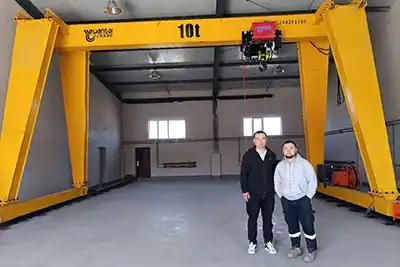
Hidden Costs in Gantry Crane Projects and How to Avoid Them
Introduction: Why Hidden Costs Matter in Gantry Crane Projects
When companies plan a gantry crane project, most focus on the equipment price. The crane is the most visible part of the investment, but the "crane price" is only one piece of the total cost. Hidden expenses often appear during installation, sometimes too late to adjust the budget. Click to learn more on hot sale gantry crane types, tonnages and prices . 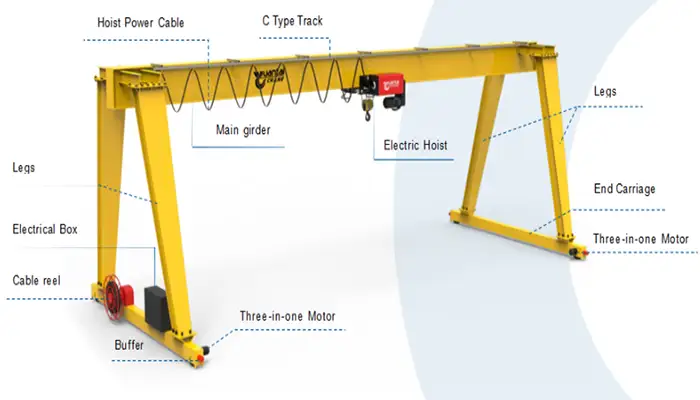
A gantry crane system involves more than steel and a hoist. It touches the ground, electricity, workflow, and sometimes the building itself. Buyers often overlook:
- Site preparation costs – foundation work or leveling the ground
- Electrical requirements – cabling, power upgrades, or control cabinet placement
- Shipping and handling fees – varies with crane size and port regulations
- Installation labor & equipment – especially for outdoor gantry cranes
- Future costs – maintenance, spare parts, and inspections
Even small overlooked costs can delay the project or significantly increase the total budget.
Hidden costs can surprise buyers after initial budgeting, affecting installation speed and production start. Common impacts include:
- Budget overruns – require new approvals or slow purchasing
- Installation delays – additional site work needed before crane arrival
- Higher long-term costs – choosing wrong hoist, motor, or controls
- Safety risks – cheaper components may lead to frequent breakdowns
Ignoring hidden costs can quietly increase the total cost of ownership over 10–20 years.
Professional suppliers don't just sell cranes—they guide buyers to understand full project costs. Best practices include:
- Detailed technical review – confirm span, lifting height, foundation, and power supply
- Transparent quotation – itemized breakdown of included vs. excluded costs
- Installation guidance – planning, logistics, and local labor advice
- Maintenance & spare parts recommendations – for long-term reliable operation
Open communication from the start reduces hidden costs, ensures smoother installation, and helps the crane perform well from day one.
Hidden Cost Category 1: Pre-Installation Site Preparation
Before a gantry crane ever arrives at the site, the ground and surrounding area must be ready to support it. This is where many hidden costs appear, because buyers often assume the existing floor or yard is already suitable. In reality, most gantry crane installations require some level of preparation—especially for outdoor yards, uneven shop floors, or older industrial buildings. Taking time to review these conditions early helps avoid delays and unexpected budget increases during installation.
Even a "simple" gantry crane depends on a stable foundation. The crane legs, wheel loads, and runway surface must be able to carry the rated capacity safely. If not, the buyer needs modifications before installation can begin.
Common foundation-related hidden costs
- Concrete thickness upgrades
Many indoor floors are not designed for heavy wheel loads. Increasing slab thickness—sometimes from 150 mm to 300 mm or more—is a common and often expensive requirement. - Soil condition improvements
Outdoor gantry cranes, especially those over 10 tons, often require soil compaction or reinforcement. Soft soil can lead to uneven settling, misalignment, and unsafe crane travel. - Ground leveling or reinforcement
If the crane runs on ground rails, even small elevation differences can cause rail misalignment. Leveling the ground, adding gravel layers, or using reinforced concrete beams may be needed.
These foundation expenses are rarely included in the crane quotation, because they depend entirely on the buyer's site conditions.
A gantry crane needs enough room to operate safely. Many workshops and yards discover too late that existing structures interfere with crane movement, leading to additional work that was never planned.
Typical clearance issues that lead to extra costs
- Door height, pipe racks, ventilation ducts, or indoor obstacles
A taller gantry crane may not fit through existing entry points or may interfere with overhead equipment. This often means modifying building components before installation. - Cutting, relocating, or adjusting structures
Removing steel beams, shifting cable trays, lowering pipelines, or rerouting utility lines can add both cost and downtime.
These modifications usually require coordination with multiple teams—civil, electrical, and mechanical—adding time to the installation schedule.
A gantry crane is large, heavy, and often shipped in oversized pieces. If the site cannot receive these components safely, more preparation is needed.
Things buyers often overlook
- Creating temporary access paths
Delivery trucks and cranes need enough space to drive in, turn, and unload. For factories with narrow entrances or construction sites with soft soil, temporary roads may be required. - Lifting equipment for unloading
Depending on the crane's size, a mobile crane, forklift, or telehandler may be needed to unload beams, legs, and hoists. These machines are often rented, adding to the project cost.
Small sites or crowded industrial areas often face the highest unexpected expenses in this category.
Hidden Cost Category 2: Power Supply & Electrical Work
Electrical work is one of the most underestimated parts of a gantry crane project. Buyers often focus on the crane itself and forget that the crane must be powered, protected, and connected correctly before it can operate. In many cases, electrical preparation ends up costing more time than the mechanical installation. Understanding these requirements early helps avoid delays, rework, and unnecessary spending.
Supplying stable power to a gantry crane requires proper planning of cable paths. The cost depends on cable length, the route the cable must follow, and the protection needed for outdoor or high-traffic areas.
Typical hidden costs in cable routing
- Length of power cables
The longer the distance from the main power distribution point to the crane, the higher the cable cost. Heavy-duty cables for larger cranes are not cheap, and the price increases quickly with every additional meter. - Cable trenching or conduit installation
Outdoor gantry cranes often require underground cable trenches or protective conduits to shield cables from weather and vehicle traffic. Digging, installing PVC or steel conduits, and backfilling all add to the budget. Indoors, routing cables along walls or ceilings may require brackets or cable trays.
These expenses are usually not included in the supplier's quotation unless the buyer specifically requests electrical installation.
Where the electrical control panel (or power distribution cabinet) is located affects the wiring length, protection requirements, and overall installation cost. Many facilities do not have a ready location for the panel, leading to extra preparation.
Common issues that increase costs
- Distance from crane to control cabinet
If the panel is placed far from the crane, longer power and control cables are needed. This not only increases material cost but also time for installation and testing. - Extra wiring needs
Additional wires may be required for safety devices, limit switches, grounding, and emergency stop systems. Each added circuit means more conduits, cable trays, and protective hardware.
For outdoor cranes, the panel may need a weatherproof room or protective shelter—another cost many buyers do not expect.
Voltage mismatch is one of the most avoidable yet surprisingly common hidden costs. When buyers provide the wrong voltage or frequency, the crane's electrical system must be modified to match the local supply.
What voltage mismatch can lead to
- Cost of transformers or voltage converters
If the supplier builds the crane based on incorrect voltage information, the buyer may need a transformer to adapt the power supply. Transformers for large cranes can be expensive and require additional space and installation work. - Reconfiguration or replacement of motors and electrical components
In some cases, the crane's motors, control panels, or VFDs must be replaced or reconfigured, causing delays and additional cost.
A simple mistake in voltage specification can easily add thousands of dollars to the project. Double-checking the power supply before ordering prevents this issue entirely.
Hidden Cost Category 3: Shipping, Packaging & Port Handling Fees
Shipping and handling may seem straightforward at first glance, but gantry cranes are large, heavy, and often irregularly shaped. Buyers frequently assume the supplier's FOB or EXW price covers everything. In reality, costs related to cargo size, packaging, and port handling can add a significant amount to the project budget if not planned for in advance.
Large gantry crane components—like long girders or wide beams—usually exceed standard cargo dimensions. Shipping such items often requires special arrangements.
Practical considerations
- Long beams and wide spans
Standard containers may not fit all parts, which forces the use of flat racks, open-top containers, or even breakbulk shipping. Each option is more expensive than regular container shipping. - Heavy components
Cranes with higher tonnage involve very heavy parts, which increase freight cost based on weight, not just volume. Some shipping lines charge extra for weights above standard limits.
Failing to plan for oversized cargo can result in last-minute surcharges and delayed delivery.
Proper packaging is critical to prevent damage during transit, especially for overseas shipments. Many buyers underestimate the need for extra protection.
Typical packaging requirements
- Wooden crates or steel frames
Structural parts and electrical panels often need custom crates or reinforced frames to avoid deformation or breakage. - Anti-corrosion film
Steel components are susceptible to rust, especially during long sea voyages. Wrapping in anti-corrosion film or applying temporary coatings is a must.
Skipping or underestimating packaging can lead to costly replacements or repairs upon arrival.
Port handling, customs clearance, and duties are often invisible costs until the crane arrives at the destination.
Hidden expenses to consider
- Customs duties and taxes
Import tariffs vary by country and crane type. High-duty countries can add 5–20% of the total crane cost. - Terminal handling charges
Unloading oversized cargo, storing at the port, or moving to a bonded area may require extra equipment and labor. - Documentation fees
Bills of lading, certificates of origin, and inspection fees can add hundreds or even thousands of dollars.
Proper planning and early communication with freight forwarders help prevent surprises at the port.
Hidden Cost Category 4: Installation & Commissioning
Even after the crane arrives on-site, the expenses don't stop. Many buyers assume installation is just "plug-and-play," but assembling and commissioning a gantry crane involves skilled labor, equipment, and testing. Ignoring these costs can throw your budget off by a significant margin.
Installing a gantry crane requires experienced technicians. It's not just about bolting pieces together. Precise alignment, safety checks, and mechanical adjustments take time and skill.
Key labor considerations
- On-site technicians
Supplier engineers or certified specialists may need to be flown in. Their accommodation and travel costs are often overlooked. - Local manpower
Extra hands might be needed for lifting, positioning, or assisting engineers. Labor rates vary widely depending on location and skill level.
Failing to plan for proper labor can delay the project or compromise safety during assembly.
Even with skilled labor, heavy components require specialized equipment for assembly. Most buyers underestimate these rentals.
Typical rental needs
- Mobile cranes – Needed to lift girders and hoists into place, especially for double girder or high-span cranes.
- Scissor lifts or aerial platforms – For installing electrical components, trolley rails, and control systems safely at height.
- Forklifts – Helpful for moving smaller components and assisting assembly teams.
Choosing the wrong size or insufficient equipment can cause inefficiency and safety risks, leading to additional costs.
Once the crane is assembled, proper testing is not optional—it's essential.
Testing and inspection points
- Load tests – Verifying the crane can safely handle rated capacity plus a safety margin.
- Third-party inspection – Many buyers or local regulations require independent verification to comply with safety standards.
Skipping proper testing may save money upfront but can result in fines, safety hazards, or insurance issues down the line.
Hidden Cost Category 5: After-Installation Operating Costs
Even after the gantry crane is installed and commissioned, the costs continue. Many buyers focus on the purchase price and overlook ongoing expenses. These operating costs can add up over time and have a significant impact on your budget. Understanding them upfront helps plan for reliable operation and avoids surprises.
Cranes are not "fit-and-forget" equipment. Routine maintenance is essential to keep them safe and functional.
Key maintenance tasks
- Lubrication – Regular greasing of wheels, bearings, and hoist gears to prevent wear.
- Replacing wear parts – Wheels, motors, brakes, and gear reducers eventually need replacement. Planning for replacement intervals helps avoid downtime.
- Inspections – Periodic checks of structure, hoist, and electrical systems may be required by safety regulations.
Proper maintenance prevents costly breakdowns and extends the crane's lifespan, but skipping it can result in expensive repairs.
Even a small component failure can stop operations.
Considerations
- Extra shipping for urgent parts – If parts are not stocked locally, expedited shipping from the supplier adds extra cost.
- Lead times – Some specialized hoists or control components may take weeks to arrive. Planning spare inventory reduces operational risk.
- Compatibility – Using non-standard or locally sourced parts can sometimes reduce reliability or increase maintenance frequency.
Crane operation can be a hidden drain on your electricity bill, especially for larger or frequently used cranes.
Practical tips
- Standard motors vs. high-efficiency motors – High-efficiency motors cost more upfront but reduce electricity consumption over the crane's lifetime.
- Variable frequency drives (VFDs) – Smooth acceleration and deceleration not only protect equipment but can also lower energy use.
- Operation scheduling – Minimizing idle running time or off-peak operation can reduce overall energy costs.
Being aware of operating costs helps buyers make informed decisions about energy-efficient designs and long-term expenses.
Hidden Cost Category 6: Design Changes & Project Variations
Even the best-planned gantry crane projects can face changes during design or construction. Buyers often underestimate how much late changes or special features can impact cost, lead time, and installation complexity. Knowing what can trigger extra charges helps you plan and negotiate better.
Altering core crane specifications after production has started can be costly.
Typical impacts
- Redesign fees – Engineering adjustments for new load requirements or span dimensions.
- Extra material costs – Longer beams, stronger steel, or additional bracing may be required.
- Delays – Production schedules can be pushed back, affecting project timelines.
Even a seemingly small change in lifting capacity or height can ripple through the entire crane design.
Optional add-ons improve safety and operation but often come with unexpected costs if added late.
Common optional features
- Remote controls – Allow operators to work from a safe distance, but require extra wiring and programming.
- Limit switches – Protect against over-travel or overload; may require additional sensors and control integration.
- Anti-sway systems – Essential for precise positioning of loads, particularly in delicate handling operations.
- Storm locks (for outdoor gantry cranes) – Keep cranes stable in high wind; installation requires structural reinforcement.
Adding these features after initial design usually increases both price and delivery time.
Custom solutions can solve unique operational problems, but they also bring hidden costs.
Considerations
- Production lead time – Special girders, unusual spans, or high-capacity hoists take longer to manufacture.
- Higher unit cost – Non-standard components are often more expensive than standard modular parts.
- Testing & validation – Custom features may require additional load tests or certifications.
Planning for optional features and customizations at the start minimizes unexpected expenses and helps maintain project schedules.
How Buyers Can Avoid Hidden Costs
Hidden costs in gantry crane projects don't have to catch you by surprise. With careful planning and clear communication, buyers can reduce extra charges, avoid delays, and make the most of their investment.
Giving your supplier precise details from the start is the single most effective way to prevent hidden costs.
Key technical info to share
- Load weight – Maximum load in tons ensures the right hoist and steel structure are selected.
- Lifting height – Determines leg length, beam design, and hoist configuration.
- Span – Distance between crane legs affects beam strength and motor sizing.
- Duty cycle – Frequency and intensity of crane use guide component ratings and maintenance planning.
Accurate specifications mean the supplier can quote correctly, avoiding oversizing—or undersizing—the crane.
Visual information helps suppliers understand real-world conditions, which can reveal potential cost drivers early.
Benefits
- Avoid surprises – Spot low ceilings, pipes, or equipment that could interfere with crane installation.
- Correct hoist and trolley selection – Ensures the crane will operate safely in confined spaces.
- Optimized design – Helps engineers plan for ideal leg clearance, rail placement, and workflow.
Even simple smartphone photos can save significant time and money later.
Knowing the installation environment upfront prevents last-minute adjustments and added costs.
Important considerations
- Power supply – Voltage, phase, and frequency must match crane specifications; otherwise, transformers or modifications add cost.
- Ground conditions – Soil stability, concrete quality, and leveling requirements can influence foundation work.
- Access constraints – Doorways, narrow passages, or overhead obstacles affect crane delivery and assembly methods.
Communicating these details early allows suppliers to plan the right delivery and installation strategy.
Always ask for a detailed quotation that clearly separates equipment, installation, accessories, shipping, and optional features.
Why it matters
- Transparency – You know exactly what you're paying for and can avoid surprise charges.
- Budget planning – Helps allocate funds correctly across all project stages.
- Comparison – Makes it easier to evaluate different suppliers on a like-for-like basis.
A well-documented breakdown ensures both buyers and suppliers are on the same page, reducing misunderstandings and hidden fees.
What Suppliers Should Do to Help Buyers Avoid Extra Costs
Suppliers play a key role in helping buyers avoid hidden expenses. Clear communication, early planning, and transparent documentation can save both parties time and money.
A clear, itemized quotation prevents misunderstandings and unexpected charges later.
Best practices for suppliers
- Item-by-item breakdown – Show equipment, installation, shipping, optional accessories, and add-ons separately.
- Mandatory vs. optional items – Clearly mark which components are required for safe operation and which are extras.
- Notes on special requirements – Highlight costs for voltage conversion, foundation work, or site-specific adaptations.
This approach helps buyers plan budgets accurately and avoids disputes over "hidden" costs.
Before finalizing the order, suppliers should confirm that all technical details match the buyer's site and operation.
Key review points
- Verify load weight, lifting height, span, and duty cycle.
- Assess site conditions, including floor strength, ceiling height, and access limitations.
- Recommend hoist and trolley type based on lifting frequency and precision requirements.
Early technical review eliminates guesswork and ensures the crane supplied meets the buyer's actual needs, reducing redesigns or change orders.
Advising buyers on installation requirements ahead of time avoids last-minute modifications or extra charges.
Practical guidance
- Installation feasibility – Check site dimensions, foundation, and overhead clearances.
- Groundwork recommendations – Inform buyers if soil reinforcement or concrete thickness adjustments are needed.
- Electrical preparation – Confirm voltage, phase, and frequency match the crane's specification; suggest conduit and cabling routes.
Clear pre-shipment guidance reduces delays and prevents costly on-site fixes.
Buyer Checklist: Hidden Cost Prevention
Site Condition
- ☐ Check floor strength, concrete thickness, and soil stability
- ☐ Ensure overhead clearance and indoor obstacles are OK
- ☐ Verify access roads and unloading areas
Power Supply
- ☐ Confirm voltage, phase, and frequency match crane requirements
- ☐ Check if transformers or converters are needed
- ☐ Plan cable routing and control panel placement
Installation Environment
- ☐ Consider indoor/outdoor conditions: dust, humidity, temperature, wind
- ☐ Decide on rain covers, anti-corrosion paint, or sealed motors
- ☐ Check space constraints for assembly and movement
Equipment for Unloading
- ☐ Ensure forklifts, mobile cranes, or scissor lifts are available
- ☐ Prepare temporary staging areas for components
Spare Parts Budget
- ☐ Plan for wheels, brakes, motors, reducers
- ☐ Factor in shipping costs for urgent replacements
- ☐ Confirm supplier support and local parts availability
Testing & Certification
- ☐ Determine if load tests or third-party inspections are needed
- ☐ Check local regulations or industry standards
- ☐ Include testing time and costs in the budget
Tip: Review this checklist with your supplier early to prevent surprises and stay on schedule and budget.
Conclusion
Hidden costs in gantry crane projects are more common than many buyers realize. Overlooking foundation preparation, electrical work, shipping, or installation details can quickly add thousands—or even tens of thousands—to a project.
By identifying these costs early, buyers can plan budgets more accurately, reduce delays, and avoid unexpected surprises during installation and operation. Suppliers also benefit, as clear communication upfront minimizes rework, misunderstandings, and additional labor on their side.
Key takeaways:
- Early planning saves money: Providing detailed technical specs, site photos, and power information ensures suppliers can give accurate quotes.
- Transparent communication reduces risks: Both buyers and suppliers avoid disputes and extra costs when expectations are clear.
- Complete quotations matter: Request a full, itemized, end-to-end quotation covering equipment, installation, certification, and optional add-ons.
Ultimately, the goal is a smooth, predictable project that meets operational needs, stays on budget, and lasts for years with minimal maintenance. Taking the time to uncover hidden costs before signing a contract is a small effort that pays off big.