How to Choose Overhead Crane for Steel Coil Handling in PNG
Check how to select best overhead crane for steel coil handling in PNG, including capacity, span & workshop height considerations.Get overhead crane now!
Introduction
Steel coil handling is an essential part of many industrial operations in Papua New Guinea. Factories and workshops across Port Moresby, Lae, and other industrial hubs move heavy steel coils every day. Without the right lifting equipment, this work can be slow, unsafe, and costly.
Choosing the right crane isn’t just about lifting heavy objects—it affects the safety of your workers, the speed of your operations, and the long-term reliability of your business. A well-designed 10 ton overhead crane can make a big difference. It allows workers to move steel coils quickly and safely, reduces the risk of accidents, and keeps production running smoothly.
Key points to consider in steel coil handling:
- Ensure the crane can handle the weight of your heaviest steel coils with a safety margin.
- Consider workshop space and headroom—some sites have low ceilings or tight layouts.
- Reliability matters—downtime for maintenance or repairs can be expensive and disrupt schedules.
- Operator training is essential for safe and efficient use.
In PNG, businesses often say, “Gutpela wok mas go yet” — good work must continue. Choosing the right crane ensures that work keeps going safely and efficiently, day after day.
Importance of Choosing the Right Crane
Selecting the correct crane is more than just a technical decision—it’s a practical business choice. The right steel coil handling overhead crane directly impacts your operational efficiency and worker safety.
If a crane is underpowered or poorly designed, it slows down production, increases the risk of accidents, and leads to higher maintenance costs. On the other hand, a crane suited to your operations keeps coils moving efficiently and reduces strain on both people and equipment.
Why the right crane matters for PNG businesses:
- Operational Efficiency: Faster lifting and moving of steel coils keeps production lines flowing without interruptions.
- Worker Safety: Properly designed overhead cranes reduce the chance of accidents, injuries, and strain on staff.
- Cost Control: Avoids frequent breakdowns, costly repairs, and production delays.
- Longevity: A crane built for local conditions, like PNG’s coastal humidity and tropical climate, lasts longer.
As PNG business owners often remind each other, “Gutpela wok mas go yet.” The saying reflects a culture that values reliable, practical solutions that keep work going without unnecessary risk or delay. Selecting the right crane isn’t just about lifting steel—it’s about keeping your people safe, your operations smooth, and your business steady.
Single Girder Overhead Crane vs. Double Girder Overhead Crane for Steel Coil Handling
Choosing the right overhead crane is critical for steel plants in Papua New Guinea. Workshops vary in size, ceiling height, and the weight of steel coils they handle daily. Understanding the difference between a single girder overhead crane and a double girder overhead crane helps businesses select the most suitable option for safety, efficiency, and long-term use.
Types of single girder overhead cranes for sale PNG
Single Girder Overhead Crane: A single girder overhead crane is compact and cost-effective, making it a popular choice for smaller workshops or facilities with limited ceiling height. It’s ideal for lifting lighter steel coils and is easier to install and maintain.
- Compact design fits workshops with limited headroom.
- Lower initial cost compared to double girder cranes.
- Simple installation and maintenance.
- Suitable for lighter loads and shorter spans.
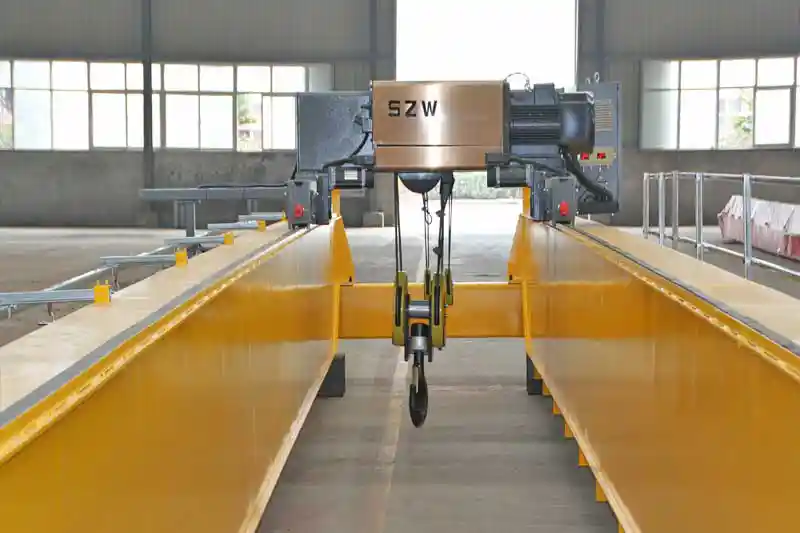
Double Girder Overhead Crane: A double girder overhead crane is stronger and built for heavy-duty steel coil handling. It can lift larger coils with higher frequency, making it ideal for busy steel plants. This type is more durable and supports longer spans and greater lifting heights.
- Higher lifting capacity for heavy steel coils.
- More durable for continuous, long-term use.
- Can handle longer spans and higher lifting heights.
- Supports frequent heavy-duty operations efficiently.
Choosing the Right Crane for PNG Steel Plants
- For smaller workshops with low ceilings or lighter loads, a single girder overhead crane is usually sufficient.
- For heavy steel coil handling, high-volume production, or large spans, a double girder overhead crane is recommended.
- Always consider local conditions, including climate, maintenance capability, and operator training.
As people often say in PNG, “Gutpela samting i stap strong na i save wok longpela taim” — a strong, well-built thing works for a long time. Choosing the right type of overhead crane ensures your steel plant runs smoothly, safely, and efficiently.
Key Factors to Consider When Choosing an Overhead Crane
Selecting the right 10 ton overhead crane for steel coil handling in Papua New Guinea requires careful attention to several key factors. Each element affects safety, efficiency, and long-term operation. Understanding these practical considerations ensures your steel coil handling overhead crane meets the demands of your workshop and local conditions.
- Match crane capacity to the heaviest coil plus a safety margin.
- Prevent overloading, which can cause accidents or equipment damage.
- Measure the workshop span accurately before selecting crane type.
- Single girder cranes work well for shorter spans; double girder cranes handle longer spans.
- Verify ceiling clearance to avoid operational issues.
- Low headroom design maximizes vertical space in compact workshops.
- Heavy-duty cranes for daily, high-volume operations.
- Light-duty cranes for workshops with infrequent lifting needs.
- Confirm power supply matches crane specifications.
- Consider corrosion-resistant components for tropical environments.
In PNG, business owners often say, “Gutpela wok i mas go yet” — good work must continue. Choosing a crane that fits your operational, environmental, and technical needs ensures smooth, safe, and productive steel coil handling every day.
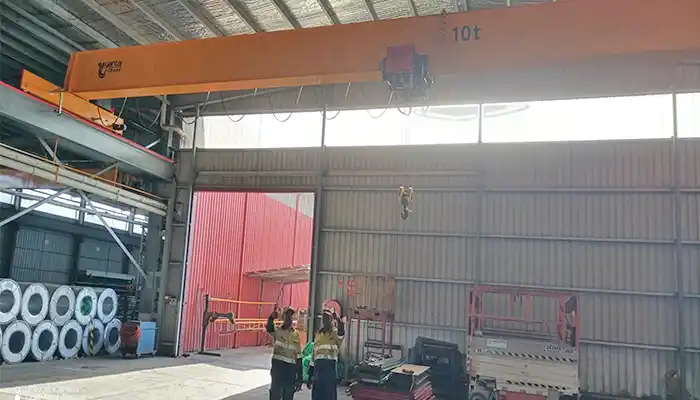
10 ton overhead crane for steel coil handing Plant in PNG
Practical Tips for PNG Steel Plants
Running a steel plant in Papua New Guinea comes with unique challenges. Tropical humidity, coastal conditions, and heavy daily workloads can take a toll on equipment. Selecting and maintaining the right 10 ton overhead crane for steel coil handling is critical to keep operations smooth and safe.
Durable Components: Choose cranes built with materials that resist corrosion and wear. A well-constructed steel coil handling overhead crane can handle the tropical climate, salty coastal air, and the rigors of daily industrial use.
- Look for corrosion-resistant steel and quality paint coatings.
- Ensure hoists, trolleys, and rails are built for long-term durability.
Local Maintenance and Spare Parts: Reliable maintenance support is key in PNG, where remote locations can make repairs challenging. Ensure the supplier provides access to spare parts and service support.
- Verify availability of local technicians or training for in-house staff.
- Keep a stock of essential spare parts to minimize downtime.
Operator Training: Even the best crane is only effective when used correctly. Train operators in safe lifting techniques and routine checks to prevent accidents and improve efficiency.
- Provide hands-on training for steel coil handling procedures.
- Emphasize safety checks before every lift.
Future Expansion: Plan ahead for potential growth. Choose a crane that can adapt if production increases or larger steel coils are introduced. This ensures your investment remains practical over time.
- Consider modular crane designs or upgradeable components.
- Ensure lifting capacity and span can accommodate future needs.
As local business owners often say in PNG, “Olgeta samting mas strong na stap longpela taim” — everything must be strong and last long. Following these practical tips ensures your 10 ton overhead crane keeps steel coil handling operations safe, efficient, and ready for the future.
Conclusion
Choosing the right steel coil handling overhead crane is more than just a technical decision—it’s a practical business move. A properly selected 10 ton overhead crane improves safety for workers, increases operational efficiency, and reduces long-term costs. Investing in the right crane ensures your steel plant runs smoothly day after day.
For PNG steel plants, it pays to consult experienced suppliers who understand local conditions. They can provide tailored solutions that match your workshop size, lifting needs, and future growth plans. This guidance helps you get a crane that fits your operations perfectly and keeps maintenance manageable.
As people often say in Papua New Guinea, “Olgeta samting mas strong na stap longpela taim” — everything must be strong and last long. By choosing the right crane and maintaining it properly, your business gains a reliable partner for steel coil handling for years to come.