Choose the Right Explosion-Proof Crane: Buyer’s Guide
How to Choose the Right Explosion-Proof Crane for Your Plant: A Step-by-Step Buyer’s Guide
Introduction
When it comes to working in hazardous environments, lifting equipment isn’t just about moving heavy loads. It’s about safety—your safety, your team’s safety, and the safety of your facility. That’s where explosion-proof cranes come in. These cranes are specifically engineered to operate safely in areas with flammable gases, vapors, or combustible dust.
Why Explosion-Proof Cranes Matter
- Prevent accidents: Properly designed cranes reduce the risk of sparks or electrical faults igniting dangerous materials.
- Protect your team: Avoid injuries and fatalities caused by uncontrolled explosions.
- Ensure compliance: Meet local and international safety regulations to prevent fines and operational shutdowns.
- Maintain production: Reduce downtime caused by accidents or unsafe equipment.
The Risks of Choosing the Wrong Crane
Selecting the wrong crane might seem like a small mistake, but the consequences can be serious:
- Increased risk of fires or explosions in the plant.
- Equipment damage and costly repairs.
- Regulatory penalties, legal liabilities, and compliance issues.
- Unexpected production stoppages and operational delays.
Purpose of This Guide
This guide is designed to give you a step-by-step approach to choosing the right explosion-proof crane for your plant. By the end of it, you’ll be able to:
- Identify the hazardous zones in your facility.
- Match your loads, weights, and workflow to the right crane.
- Understand the critical explosion-proof features you need.
- Ensure your crane is compliant with all relevant standards.
- Work with suppliers who can support installation and maintenance in hazardous environments.
Even if you’ve used cranes before, hazardous area applications are a whole different ballgame. This guide will help you make informed, practical decisions that protect your staff, your equipment, and your plant’s operations
European style explosion proof overhead crane for sale
Explosion Hazard Zones
Before you even think about lifting equipment, it's crucial to understand the hazard zones in your plant. These zones define where flammable gases, vapors, or combustible dusts are likely to be present and how often. Choosing a crane without this knowledge is like driving blind—you might get to your destination, but the risks along the way could be catastrophic.
Hazard zones are classifications used to describe the likelihood and duration of explosive atmospheres. Knowing these helps you pick a crane that can safely operate under those conditions.
Gas Zones:
- Zone 0: Areas where explosive gas or vapor is present continuously or for long periods.
- Zone 1: Areas where explosive gas is likely to occur during normal operation.
- Zone 2: Areas where explosive gas is not likely, and if it does occur, it will exist only for a short period.
Dust Zones:
- Zone 20: Areas where combustible dust is present continuously or for long periods.
- Zone 21: Areas where combustible dust is likely to occur during normal operation.
- Zone 22: Areas where combustible dust is not likely, and if it occurs, it will only be for a short period.
Selecting the right explosion-proof crane depends heavily on your plant's zone classification. Using a crane rated for Zone 2 in a Zone 1 area, for example, could lead to catastrophic accidents. The crane's motors, electrical components, and control systems must match the zone's risk level.
- Perform a thorough site survey: Map all areas with potential gas or dust hazards before contacting suppliers.
- Document your findings: Include frequency, concentration, and type of hazard. This ensures the supplier can recommend the correct explosion-proof features.
- Plan for future changes: Plants evolve. A new process, storage area, or material could change the hazard classification, so consider flexibility when selecting your crane.
- Zone 0: Continuous or long-term presence of explosive gases or vapors.
- Zone 1: Likely presence during normal operation.
- Zone 2: Unlikely, short-term presence only.
- Zone 20: Continuous or long-term presence of combustible dust.
- Zone 21: Likely presence during normal operation.
- Zone 22: Unlikely, short-term presence only.
Keep a detailed record of hazard zones including location, type, frequency, and any environmental changes. This ensures suppliers can design or recommend a crane suited for your plant's risks.
When selecting a crane, consider that new processes, storage areas, or materials might change hazard classifications over time. Choose flexible crane options that can adapt to evolving conditions.
Identify the Load Types and Handling Requirements
Once you understand the hazard zones in your plant, the next step is to get clear on what exactly you need to lift. Different materials, weights, and handling patterns can drastically affect the type of crane and hoist you should choose. Skipping this step often leads to underpowered cranes or unnecessary over-spec equipment—both costly mistakes.
The type of material you handle directly impacts crane design and explosion-proof requirements:
- Flammable liquids: Require cranes with fully sealed motors and spark-resistant components.
- Combustible dust: Needs cranes with dust-tight enclosures and explosion-proof electrical systems.
- Chemicals: Corrosion-resistant finishes and materials may be necessary.
- Metals: Hot or rough surfaces may require specialized hoists or grabs.
- Accurately measure the weight, length, width, and height of the materials you plan to lift.
- Determine whether a single or double girder crane is needed based on load capacity.
- Consider the hoist type—wire rope for heavy or long loads, chain hoist for lighter loads.
- Factor in maximum bundle or batch weight, not just individual piece weight, to avoid overloading.
- Continuous operation: Requires cranes built for durability and low maintenance.
- Occasional lifting: May allow for simpler, more cost-effective crane models.
- Consider the lifting patterns, such as repetitive, long-distance travel or precise placement.
- Temperature extremes: High or low temperatures may require motors and lubrication suitable for the conditions.
- Corrosion: Chemicals, salt, or moisture may require protective coatings or stainless-steel components.
- Outdoor exposure: Sun, rain, and wind can affect crane durability; weatherproof and UV-resistant designs may be necessary.
- Space constraints: Ensure crane dimensions fit within aisles, roof heights, and overhead structures.
Determine the Right Explosion-Proof Crane Type
Once you know your plant's hazard zones and load requirements, the next step is to choose the type of explosion-proof crane that meets both your operational needs and safety regulations. Not all cranes are suitable for hazardous environments, so understanding the differences is critical.
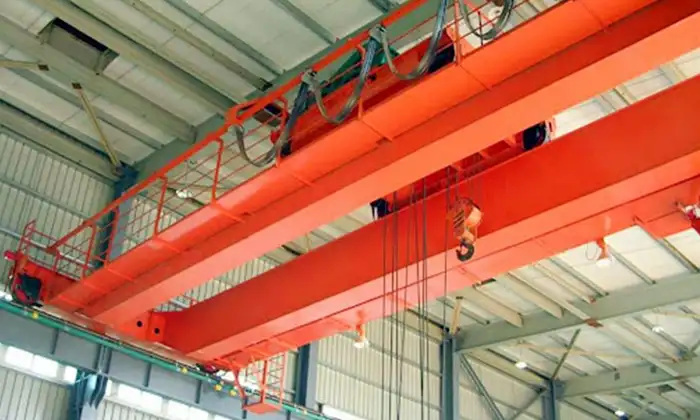
Explosion proof overhead bridge crane with explosion proof open winch trolley for sale
Single Girder Explosion-Proof Cranes:
- Designed for lighter loads, usually up to 20 tons, but with all electrical and mechanical components rated for hazardous zones.
- Lower headroom requirement, which can be useful in older facilities or tight indoor spaces.
- Easier to install and maintain, with cost-effective explosion-proof components.
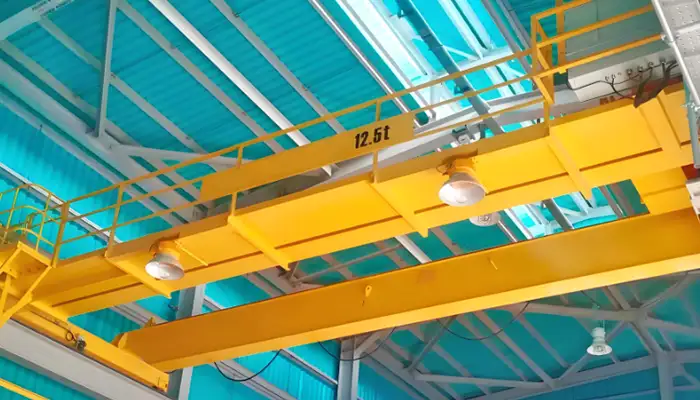
Double Girder Explosion-Proof Cranes:
- Suitable for heavier loads or long spans where additional lifting stability is required.
- Supports larger explosion-proof hoists and extra safety features, like anti-sway or overload protection.
- Provides better load distribution and reduces stress on the crane bridge, important for frequent heavy lifting in hazardous zones.
Practical note: Even if your loads are moderate, choosing a double girder explosion-proof crane may give you flexibility for future heavier operations.
Top-Running Explosion-Proof Cranes:
- Bridge travels on rails mounted on strong runway beams, supporting heavier loads safely in hazardous environments.
- Electrical components, motors, and hoists are fully explosion-proof, designed to prevent sparks or overheating.
Under-Running (Under-Slung) Explosion-Proof Cranes:
- Bridge runs beneath the runway beam, reducing floor and building load requirements.
- Easier to retrofit into existing plants while maintaining full explosion-proof compliance.
- Often used in Zone 1 or Zone 2 areas where space is limited.
Tip for buyers: Always verify that the crane's top or under-running components are rated for your specific hazard zone. Even small differences can impact safety and compliance.
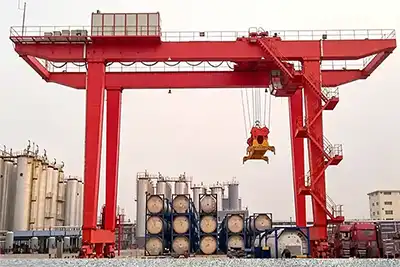
Explosion-Proof Gantry Cranes:
- Free-standing design, ideal for outdoor or open areas where hazardous materials are stored.
- Can be equipped with explosion-proof hoists, motors, and control systems.
- Flexible mobility—good for moving materials between multiple zones safely.
Explosion-Proof Overhead Bridge Cranes:
- Mounted on runway beams inside the facility, keeping floors clear for production.
- All electrical and control components meet zone-specific explosion-proof standards.
- Preferred for continuous indoor operations where safety and workflow efficiency are critical.
Practical takeaway: Your choice should balance workflow, load requirements, and hazard zone safety. Explosion-proof features aren't optional—they must match your plant's classification to prevent accidents and regulatory issues.
Explosion-Proof Features to Look For
When it comes to explosion-proof cranes, the devil is in the details. Not all cranes advertised as “explosion-proof” are equal—especially if you’re handling hazardous gases or combustible dust. Understanding the key features will help you choose a crane that keeps your plant safe, compliant, and operational.
Electrical components are the heart of an explosion-proof crane, and they must meet strict safety standards:
- Motors: Ensure they are rated for your specific hazard zone (Zone 1, Zone 2, Zone 21, etc.) and certified by ATEX or IECEx.
- Hoists: Explosion-proof hoists prevent sparks or overheating while lifting heavy loads. Wire rope or chain hoists should be fully enclosed.
- Control panels: All switches, relays, and drives must have certified enclosures to prevent ignition of surrounding gases or dust.
Buyer tip: Always ask the supplier for certification documents and confirm that each component matches the plant's zone classification.
Even the mechanical parts of a crane can generate sparks if not properly designed:
- Spark-resistant materials: Components like hooks, trolleys, and gearboxes should be made of or coated with materials that minimize friction sparks.
- Sealed bearings: Keep dust, moisture, and corrosive particles away from moving parts.
- Protective enclosures: Any exposed gears or chains should be enclosed to prevent accidental sparks or contact with hazardous substances.
Explosion-proof cranes should include multiple layers of safety:
- Emergency stops: Easily accessible and fully functional in all operating zones.
- Limit switches: Prevent the hook or trolley from moving beyond safe limits.
- Anti-sway systems: Reduce load swing, which is critical when handling flammable materials.
- Overload protection: Prevents lifting more than the crane's rated capacity, reducing mechanical and electrical risks.
Every hazardous environment is different. A standard crane may not always fit:
- Extreme temperatures: Cranes can be designed to operate in very hot or very cold environments without compromising explosion-proof safety.
- High humidity or corrosive environments: Protective coatings, stainless steel components, and sealed electronics extend service life.
- Special workflows: Cranes can be tailored with longer spans, multiple trolleys, or specialized hoists for unique lifting patterns.
Practical takeaway: When buying an explosion-proof crane, don't just check the load capacity and span. Look carefully at all electrical, mechanical, and safety components, and confirm that they are certified, tested, and suitable for your specific hazard zone. A small detail can make the difference between safe operation and a serious accident.
Compliance and Certification Requirements
When it comes to explosion-proof cranes, compliance isn't optional—it's the baseline for safety, reliability, and legal operation. Even the best crane can become a liability if it doesn't meet the regulations of your region or industry.
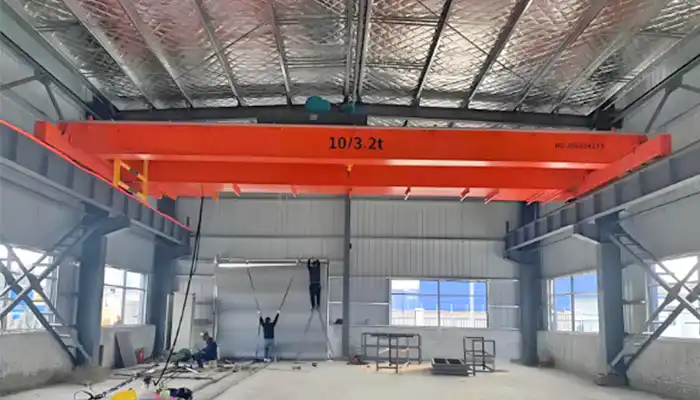 double girder explosion proof hoist crane
Different countries and regions have specific rules for hazardous environment equipment. Make sure your crane aligns with the relevant standards:
- OSHA (USA): Ensures workplace safety, including proper operation and maintenance of cranes in hazardous areas.
- NEC (National Electrical Code, USA): Governs electrical installations in explosive atmospheres.
- ATEX (Europe): Certification required for equipment used in explosive gas or dust environments.
- IECEx (International): Globally recognized standard for explosion-proof electrical equipment.
- Regional or national codes: Some countries have additional safety requirements, so always check local legislation.
Tip for buyers: Identify all applicable regulations before requesting quotations. Suppliers should be able to provide equipment certified for your region's standards.
Certified cranes come with documentation that proves compliance and provides traceability:
- CE marking: Shows conformity with European safety and health requirements.
- ISO certification: Confirms quality management and manufacturing standards.
- Third-party inspection certificates: Independent verification of explosion-proof design, materials, and installation.
Practical advice: Always keep copies of all certificates. During audits or inspections, these documents demonstrate that you are compliant and proactive about safety.
Regular inspections and maintenance are required for explosion-proof cranes to remain compliant:
- Schedule periodic checks for motors, hoists, and control panels.
- Verify that protective enclosures, bearings, and mechanical components remain intact and free of sparks or damage.
- Keep maintenance logs to ensure ongoing compliance with local and international safety standards.
Key takeaway: Compliance isn't just about ticking boxes—it's about ensuring your crane can operate safely day in and day out, protecting people, assets, and your business.
Evaluate Supplier Expertise
Choosing the right explosion-proof crane goes beyond technical specifications. Your supplier's experience and support capabilities can make or break the success of your project. A crane is only as good as the service and guidance you receive before, during, and after installation.
- Look for suppliers with a proven track record in providing cranes specifically designed for explosive atmospheres.
- Ask about past projects in chemical plants, oil and gas facilities, grain processing, or similar hazardous environments.
- Experienced suppliers understand the nuances of hazard zones, explosion-proof components, and regulatory compliance—reducing the risk of mistakes.
- Explosion-proof cranes require careful installation to maintain safety certification. Make sure the supplier can provide professional installation and commissioning.
- Check if they offer training for your operators to ensure safe handling.
- Ask about after-sales support, including maintenance contracts, spare parts availability, and technical guidance for long-term operation.
- A reputable supplier should be willing to show you their production facilities or provide references from similar plants.
- Reviewing case studies or past installations demonstrates their ability to deliver reliable, compliant solutions tailored to hazardous environments.
- Seeing the manufacturing and testing process firsthand can also reassure you that quality and safety standards are consistently met.
Practical takeaway: Don't just buy a crane. Buy confidence. Choosing a supplier with real-world experience, technical expertise, and reliable support ensures that your explosion-proof crane will operate safely and efficiently for years to come.
Cost Considerations vs. Value
When selecting an explosion-proof crane, it's easy to get caught up in the initial price tag. But in hazardous environments, cheaper is not always safer. A well-chosen crane may cost more upfront but can save you money, downtime, and potential accidents over its lifetime.
- Explosion-proof cranes require specialized motors, hoists, and control systems, which can make them more expensive than standard cranes.
- Investing in a certified, high-quality crane ensures long-term safety, fewer replacements, and consistent performance.
- Avoid cutting corners; an under-specified crane may fail in critical conditions, leading to costly accidents or shutdowns.
- Regular maintenance is essential for explosion-proof cranes to remain compliant and safe.
- Choose a supplier who provides easy access to spare parts and offers support for repairs.
- Consider the ease of servicing electrical and mechanical components in your hazard zone—components should be simple to replace without compromising safety.
- Fewer accidents: A compliant crane reduces the risk of workplace incidents, protecting employees and lowering insurance costs.
- Reduced downtime: Reliable cranes minimize production interruptions caused by maintenance or failures.
- Longer crane lifespan: High-quality explosion-proof components resist wear, corrosion, and environmental stress, providing years of trouble-free operation.
Practical takeaway: Think beyond the initial purchase. A slightly higher upfront investment in the right explosion-proof crane can pay off through safety, reliability, and reduced operational costs over the long term.
Step-by-Step Selection Checklist
Selecting the right explosion-proof crane can feel overwhelming, but breaking it down into clear steps makes the process manageable. This checklist helps you systematically evaluate your plant's needs, compliance requirements, and supplier capabilities, ensuring a safe and reliable purchase.
- Identify areas with flammable gases, vapors, or combustible dust.
- Determine whether zones are classified as Zone 0, 1, 2 (gas) or Zone 20, 21, 22 (dust).
- Document frequency and duration of exposure for each area.
- Record the types of materials to be lifted (liquids, dust, chemicals, metals).
- Measure weight, dimensions, and potential batch sizes.
- Assess whether lifting is continuous, repetitive, or occasional.
- Choose single or double girder based on load capacity and lifting height.
- Determine top-running or under-running depending on building structure and floor load.
- Consider gantry vs. overhead bridge cranes based on indoor/outdoor use, mobility, and workflow.
- Ensure motors, hoists, and control panels are ATEX/IECEx certified for your hazard zone.
- Verify spark-resistant materials, sealed bearings, and protective enclosures.
- Include safety systems like emergency stops, limit switches, anti-sway devices, and overload protection.
- Confirm alignment with regulations such as OSHA, NEC, ATEX, or IECEx.
- Check CE, ISO, and third-party inspection documentation.
- Ensure ongoing inspection and maintenance protocols are in place.
- Look for suppliers with proven hazardous environment crane experience.
- Evaluate installation, commissioning, and operator training services.
- Review case studies or factory visits to ensure quality and reliability.
- Compare initial cost with long-term safety, reliability, and ROI.
- Factor in maintenance, spare parts, and potential downtime savings.
- Choose a solution that balances cost-effectiveness with safety and compliance.
Practical takeaway: Following this step-by-step checklist gives you confidence that your explosion-proof crane is safe, compliant, and tailored to your plant's specific needs. It helps prevent costly mistakes while ensuring long-term operational efficiency.
Conclusion
Choosing an explosion-proof crane isn’t something to rush. A methodical, safety-first approach is essential—your decisions affect not only the efficiency of your operations but also the safety of everyone in your plant.
Before requesting quotations, take the time to collect detailed information about your plant: hazard zones, load types, lifting patterns, environmental conditions, and structural constraints. This data ensures that suppliers can recommend the right crane, tailored to your specific needs, rather than offering a generic solution.
A well-chosen explosion-proof crane does more than lift materials. It protects your team, keeps your facility compliant with regulations, and delivers reliable performance over the long term. Investing time and effort in the selection process pays off with fewer accidents, reduced downtime, and a safer, more efficient workplace.
Practical takeaway: Follow a structured, informed approach. When you do, your explosion-proof crane will be a dependable asset, supporting both safety and productivity for years to come.