Overhead Crane Installation: 8 Buyer Mistakes to Avoid
Most Important Takeaway
Before purchasing an overhead crane, buyers must understand common installation pitfalls. Planning ahead, verifying site conditions, and confirming specifications prevents costly mistakes, downtime, and safety issues.
- Verify your site can accommodate the crane: structural support, runway, and clearances.
- Ensure your power supply and electrical system meet crane requirements.
- Confirm hoist, trolley, and crane specifications match your load requirements.
- Check that end stops, buffers, and other safety features are included and compliant.
- Ask about load testing, documentation, and operator training to avoid future downtime.
- Walk the crane path to identify obstructions before purchase to prevent operational limits.
- Confirm responsibility for installation tasks between supplier, contractor, and your team.
This guide solves buyer questions such as:
- “What should I check before ordering a crane?”
- “How can I avoid installation delays or extra costs?”
- “Which specifications and site conditions are critical for safe operation?”
Introduction: Why Buyers’ Attention Matters Before Purchasing an Overhead Crane
Buying an overhead crane isn’t just about picking a model off the catalog. What you do before purchase directly affects installation, costs, and safety. Even small oversights—like not checking runway alignment or power supply—can turn a straightforward installation into a long, expensive headache.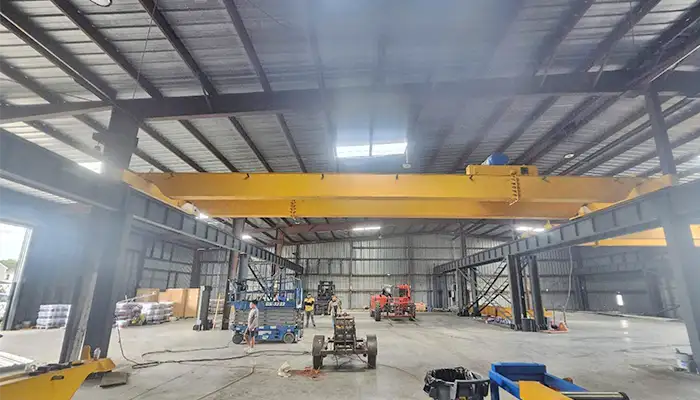
Here’s why buyer involvement is critical:
- Cost control: Discovering misalignments or missing components after delivery can double installation expenses.
- Time management: Delays in verifying site readiness often translate into days or weeks of production downtime.
- Safety: Incorrect specifications or overlooked obstructions increase the risk of accidents during operation.
The purpose of this guide is to help you, as a buyer, avoid these pitfalls. It focuses on practical steps you can take before ordering your crane to ensure smooth installation and reliable operation. Think of it as a pre-purchase checklist—one that prevents surprises and keeps your project on track.
Key Points Buyers Should Confirm Before Ordering
- Site and structural readiness: Check floor capacity, runway beams, and clearances to avoid post-delivery modifications.
- Electrical compatibility: Verify voltage, phase, grounding, and motor suitability for your facility.
- Crane specifications: Make sure the hoist, trolley, and bridge meet your load, span, and lifting height requirements.
- Safety compliance: Ensure the crane meets standards like CMAA, OSHA, ANSI/ASME B30, or CSA B167.
- Path obstructions: Walk the intended crane route to identify pipes, ducts, or equipment that could interfere.
- Documentation and training: Confirm that manuals, maintenance schedules, and operator training will be provided.
What Buyers Must Verify Before Ordering a Crane
Before placing an order for an overhead crane, buyers have a lot to check. Getting these details right before purchase can prevent costly changes, installation delays, and safety issues. This section provides a practical pre-purchase checklist to guide your decisions.
Your crane can only perform well if the building and runway are ready. Don't assume your existing facility is automatically suitable. Take the time to verify the following:
- Runway beams and building support: Make sure the beams can handle the crane's weight plus the maximum load. Check structural drawings or have an engineer assess the support.
- Floor load capacity: If the crane's wheels or columns rest on the floor, confirm it can bear the weight without cracking or uneven settling.
- Clearances: Ensure there's enough overhead space for lifting heights and enough side space for the crane to travel freely without hitting walls, pipes, or equipment.
Tip for buyers: Walk the site yourself with your supplier or engineer to double-check these points—visual confirmation avoids surprises.
Even the best crane won't operate without the right power setup. Confirm these details before signing a purchase order:
- Voltage, phase, and grounding: Make sure your facility's electrical system matches the crane requirements. This avoids costly rewiring after delivery.
- Feeder lines and connection points: Check that the cables can carry the load and are properly routed.
- Motor compatibility: Ask the supplier if the crane's motors are rated for your electrical setup, especially if you're using variable frequency drives or non-standard voltages.
Buyer tip: Include your electrical team in discussions—early verification saves headaches during installation.
Not all cranes are built equal. Confirm that the crane you're buying is designed for your operational needs:
- Capacity: The hoist, trolley, and bridge must handle the maximum load plus a safety margin.
- Span and lifting height: Make sure these match your building dimensions and workflow.
- Datasheets and 3D drawings: Ask your supplier for detailed specs or 3D layouts if available. They help identify potential fit issues before delivery.
Practical note: Small differences in span or hook height can make installation impossible without modifications. Always double-check.
Safety isn't optional. Buyers should confirm that the crane and its components meet applicable standards before purchase:
- Regulatory compliance: Check that the crane adheres to CMAA, OSHA, ANSI/ASME B30, or CSA B167 requirements.
- Safety features: Ensure end stops, buffers, limit switches, and interlocks are included in the package.
- Documentation: Verify that manuals, maintenance schedules, and inspection checklists are provided.
Buyer tip: Ask for certificates or inspection reports to confirm compliance—don't rely solely on manufacturer claims.
A crane can only operate efficiently if nothing blocks its movement. Buyers must assess the site carefully:
- Overhead obstacles: Walk the crane path and check for pipes, ducts, lighting fixtures, or equipment that could interfere.
- Maintenance access: Ensure there's enough room to perform routine maintenance safely.
- Supplier confirmation: Ask the supplier to validate that the planned travel path accommodates the crane design.
Practical advice: Even small obstructions can cause repeated downtime or prevent the crane from reaching its full capacity. Identifying them before ordering is much easier than fixing them later.
Eight Common Installation Problems – Buyer Action Points Before Purchase
Before buying an overhead crane, it's important to understand where things can go wrong during installation. Many of these problems are avoidable if buyers take proactive steps before placing an order. Below, we break down the eight most common issues and what you, as a buyer, should verify.
If the runway rails are not perfectly aligned, the crane won't move smoothly. This can lead to excessive wear, vibration, and long-term maintenance headaches.
Buyer Action Points:
- Request the supplier's alignment tolerances and check that they match your site's specifications.
- Review elevation plans and ensure the runway is level and straight over the full span.
- Ask if the supplier provides pre-installation alignment reports or laser verification services.
Tip: Even small deviations of a few millimeters can cause uneven travel. Walk the runway area with your engineer before purchase to confirm measurements.
Overhead cranes require a reliable and compatible electrical setup. Using incorrect voltage or phase can prevent the crane from operating or damage the motors.
Buyer Action Points:
- Verify your facility can supply the required voltage, phase, and amperage for the crane motors.
- Check that feeder lines and connection points can handle the crane's electrical load.
- Confirm with the supplier if motors are compatible with your power system, especially if VFDs (Variable Frequency Drives) are used.
Tip: Electrical verification before purchase avoids costly rewiring or delays during commissioning.
The wrong hoist or trolley specification can result in underperformance, unsafe lifting, or overload.
Buyer Action Points:
- Confirm that the crane's maximum load capacity meets or exceeds your heaviest lift.
- Verify span length, lifting height, and hook reach with your supplier.
- Request datasheets or 3D drawings to ensure the crane fits your facility and workflow.
Tip: Small differences in span or hook height can make installation impossible without structural modifications.
End stops, buffers, and limit switches protect both the crane and building infrastructure. Missing or weak components increase the risk of collisions.
Buyer Action Points:
- Ensure the crane package includes end stops, buffers, and limit switches.
- Verify that all safety components meet CMAA or ANSI standards.
- Ask the supplier how these components are installed and tested before delivery.
Tip: Buyers should confirm these features in writing as part of the purchase agreement.
Overhead obstacles like pipes, ducts, lights, or machinery can block crane travel and reduce operational efficiency.
Buyer Action Points:
- Map the entire crane travel path and identify any potential obstacles.
- Discuss clearance requirements with your supplier to ensure proper crane operation.
- Plan to remove or relocate obstacles before ordering the crane.
Tip: Even minor obstructions can cause repeated downtime or prevent the crane from reaching full capacity.
If foundation bolts, anchor points, or fixings are incorrect, the crane may become unstable, causing safety risks and structural damage.
Buyer Action Points:
- Confirm foundation and beam details with the supplier.
- Ask for torque specifications and installation guidance.
- Request structural recommendations or certification to ensure safe installation.
Tip: Buyers should involve their structural engineer before purchase to verify all anchor points meet the crane's load requirements.
Load testing is essential to ensure the crane can safely handle its maximum rated capacity. Skipping it can hide defects and void warranties.
Buyer Action Points:
- Verify that the supplier will perform pre-delivery load tests.
- Request documentation of load test results before commissioning.
- Ensure tests cover both static and dynamic loads for safety compliance.
Tip: Load testing before delivery protects you from unexpected failures and ensures regulatory compliance.
Even the best crane can be misused without proper instructions or trained operators.
Buyer Action Points:
- Ask the supplier to provide operation manuals, maintenance schedules, and inspection checklists.
- Confirm that operator training is included or available.
- Ensure your team knows emergency procedures, load limits, and daily inspection routines.
Tip: Buyers should never rely on verbal instructions alone—written manuals and documented training are essential.
FAQs – Buyer Concerns Before Purchasing
When planning to purchase an overhead crane, buyers naturally have a lot of questions. The right answers before placing an order can prevent costly delays, safety issues, and miscommunication with suppliers or contractors. Here's a practical guide to the most common concerns.
Before buying, make sure your site can support the crane safely and efficiently:
- Check the runway beams and building support for weight capacity.
- Verify floor load limits, especially for cranes with columns resting on the ground.
- Walk the crane's planned travel path to identify obstacles like pipes, ducts, or equipment.
- Confirm overhead and side clearances for the crane, hoist, and load swing.
Tip: Buyers should request structural drawings or get an engineer to verify these points before signing the purchase order.
Your building structure must handle not just the crane's weight, but also the maximum load it will lift:
- Ask the supplier for the crane's total weight and load distribution.
- Have a structural engineer review beams, columns, and foundations.
- Check if any modifications or reinforcements are needed before ordering.
Practical advice: Don't assume an existing facility is ready. Early verification avoids expensive retrofits after delivery.
A crane will not operate safely without the correct electrical setup:
- Confirm voltage, phase, and grounding match the crane's motors.
- Check feeder lines and circuit capacity for safe operation.
- Verify if VFD (Variable Frequency Drive) motors or special electrical components are compatible.
Buyer note: Involve your electrical team early to avoid delays or motor damage after installation.
Incorrect specifications can lead to unsafe lifting or mechanical failure:
- Verify the hoist, trolley, and bridge capacity meets your maximum load.
- Confirm span length, lifting height, and hook reach match your facility and workflow.
- Request datasheets, 3D layouts, or drawings from the supplier to visualize fit and operation.
Tip: Even a small mismatch in span or hook height can prevent installation without structural changes.
Clear responsibility is critical to avoid confusion:
- Supplier: Usually provides the crane components, documentation, and sometimes installation support.
- Contractor or Installer: Handles assembly, alignment, anchoring, and testing if not included by the supplier.
- Buyer: Confirms site readiness, electrical setup, and oversees that installation follows specifications.
Buyer advice: Make these responsibilities clear in your purchase contract. Include load testing and inspection requirements before final acceptance.
Proper use and compliance reduce accidents and legal risks:
- Verify that end stops, buffers, limit switches, and safety interlocks are included.
- Ensure operation manuals, inspection checklists, and maintenance schedules are provided.
- Arrange operator training before the crane is commissioned.
- Confirm the crane complies with CMAA, OSHA, ANSI/ASME B30, or CSA B167 standards.
Tip: Don't wait until the crane is installed to train operators. Early training helps prevent accidents and ensures smooth operations from day one.
Conclusion
When it comes to overhead crane installation, what you do before purchase is just as important as the expertise of your supplier. Buyers who take the time to prepare their site, confirm specifications, and verify safety requirements set themselves up for a smooth, efficient installation.
By checking structural readiness, electrical compatibility, and crane specifications in advance, you reduce the risk of costly delays, unexpected modifications, or downtime. Ensuring your building can support the crane, confirming that the hoist and trolley meet your load requirements, and walking the crane path for potential obstructions are small steps that save big headaches later.
Key actions buyers should take before ordering:
- Request detailed documentation from the supplier, including datasheets, drawings, and safety certificates.
- Ensure operator training and maintenance schedules are included.
- Clarify installation responsibilities, alignment verification, and load testing procedures.
In short, proactive preparation is the best way to protect your investment. Buyers who confirm all requirements before placing an order not only avoid installation mistakes but also ensure that their overhead crane operates safely, efficiently, and reliably from day one.