The Real Lifecycle Cost of a Ladle Handling Crane
The Real Lifecycle Cost of a Ladle Handling Crane: What Buyers Don’t See in the Quote
Most Important Takeaway
When purchasing a ladle handling crane, the initial price is only a fraction of the true cost. Over a 10-year lifecycle, hidden expenses such as maintenance, downtime, spares, and compliance audits can double the total cost, making quality, reliable cranes a smarter investment than cheap options.
Key Takeaways
- Initial Price vs Lifecycle Cost: Low upfront cost can lead to higher operating expenses over 10 years.
- Maintenance & Spares Matter: Regular replacement of hoist ropes, motors, brakes, and other components is a significant cost driver.
- Downtime is Expensive: Production losses from unplanned maintenance can outweigh initial savings.
- Audit Compliance Risks: Cheap cranes often fail safety or operational audits, resulting in fines or forced upgrades.
- Procurement-Level Insight: Lifecycle cost analysis helps buyers defend decisions to finance and management teams.
- Lead Trigger: Request a 10-year lifecycle cost estimate to understand the total ownership cost and avoid surprises.
Initial Price vs 10-Year Operating Cost
When you get a quote for a ladle handling crane, it usually shows only the purchase price, delivery, and installation costs. At first glance, a lower number looks attractive. “Hey, we’re saving money,” you might think. But here’s the reality: that number tells only part of the story. Over the next 10 years, the real cost of ownership often far exceeds the initial price, and that’s where many buyers get caught off guard.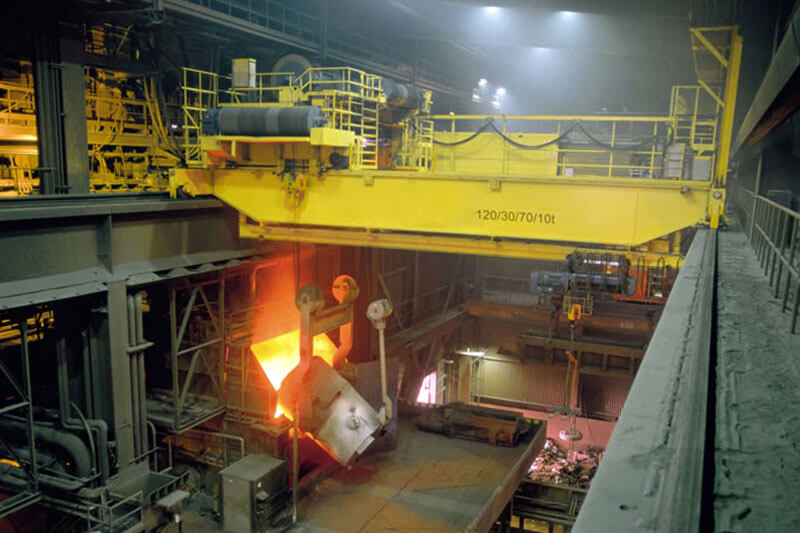
ladle handling overhead cranes for sale
The hidden costs aren’t abstract—they have a direct impact on your budget and production efficiency. Here’s what most quotes don’t include:
- Energy consumption over a decade
Operating a ladle handling crane is energy-intensive, especially in steel mills where it runs multiple shifts per day. Small differences in motor efficiency or drive design can translate into thousands of dollars in electricity costs over 10 years. - Wear and tear on hoist and trolley components
Hoist ropes, brakes, gears, and trolleys don’t last forever. Even with regular maintenance, parts wear down, which can affect load handling accuracy, safety, and downtime. Using low-quality components may save you upfront but increases replacement frequency and labor cost. - Labor for routine maintenance
Every crane needs inspections, lubrication, and minor adjustments. Budgeting only for occasional repairs can leave your team scrambling. Skilled maintenance labor adds up, especially when you factor in overtime or emergency repairs.
Example in Practice:
A basic, low-cost crane might save $50,000 at purchase. Sounds good, right? But over a 10-year lifecycle, energy consumption, extra maintenance, part replacements, and unplanned downtime can add up to $200,000 or more in total costs. By contrast, investing in a well-built, properly spec’d crane upfront can actually be more economical in the long run.
Practical Tip: Always ask for a lifecycle cost estimate that includes energy, maintenance, spares, and downtime before making your procurement decision. This simple step can save significant money and headaches down the road.
Maintenance, Spares, and Downtime
Owning a ladle handling crane is not just about buying it—it’s about keeping it running safely and reliably. Maintenance, spare parts, and downtime are where the real costs often show up. Many buyers underestimate this, thinking that “once installed, it just works.” In reality, steel mill cranes operate in harsh conditions, and ignoring this part of the lifecycle can quickly become expensive.
Even the best cranes need replacement parts over time. Some of the most critical items include:
- Hoist ropes and chains – These are under constant stress and heat, and their failure can halt production.
- Brakes and clutches – Safety depends on reliable stopping power. Worn brakes can lead to accidents or fines.
- Motors and drives – Electric and hydraulic systems degrade over time; cheap replacements may not meet original specifications.
- Gears and trolleys – These wear naturally, especially under heavy loads or continuous operation.
Key considerations:
- OEM parts are more expensive upfront but maintain safety compliance and reliability.
- Generic or low-cost spares may save money initially but increase downtime and risk of failure.
- Plan for replacement schedules in advance to avoid emergency shutdowns.
Downtime is one of the most expensive hidden costs in a steel mill. Even a few hours of unplanned downtime can significantly disrupt production schedules.
- Production loss – A halted crane stops ladle movement, affecting melting, pouring, and downstream processes.
- Financial impact – Each hour of downtime can translate to tens of thousands of dollars in lost revenue, depending on the size of the facility.
- Extended repairs – Waiting for parts or skilled technicians can stretch downtime further, multiplying the cost.
Practical tip: Track crane uptime and plan preventive maintenance to minimize unexpected stoppages. A small investment in scheduled inspections can save far more in lost production.
Steel mills are high-risk environments, especially when handling molten metal or heavy ladles. Regular inspections and compliance checks are mandatory to ensure safety and operational continuity.
- Mandatory safety inspections – Regularly check lifting components, electrical systems, and structural integrity.
- Audit readiness – Cranes often face internal or external audits; failing one can result in fines or forced downtime.
- Special requirements for molten or heavy loads – Cranes handling ladles may require more frequent inspections due to extreme heat and weight.
- Non-compliance costs – Ignoring inspections or using non-compliant parts can lead to serious penalties, unplanned shutdowns, or complete equipment replacement.
Practical tip: Budget inspections and audits into your operational plan. Consider a maintenance contract with certified technicians who understand the demands of ladle handling cranes.
Why Cheap Cranes Often Fail Audits
Buying a ladle handling crane at a low price can seem like a smart move at the time. But cheap cranes often hide serious risks that only become visible during audits or inspections. Safety, compliance, and long-term reliability are not optional—they are mandatory for steel mill operations.
The foundation of a crane's reliability starts with its materials and construction. Budget cranes often use substandard steel, welds, or mechanical components, which can compromise safety and durability.
- Weak steel or poor welds may fail under heavy ladle loads or during continuous operation.
- Low-quality bearings, gears, or trolleys wear out faster, leading to unplanned downtime.
- Even minor structural defects can trigger audit failures or safety violations.
Practical tip: Inspect material certificates and quality assurance documentation before purchase. Ask suppliers about third-party inspection or ISO certification.
Modern ladle handling cranes must include functional safety devices, sensors, and emergency stops to protect operators and the facility. Low-cost cranes often cut corners in these critical areas:
- Emergency stops may be missing or fail intermittently.
- Sensors for overload protection, limit switches, or anti-sway systems may be absent or poorly calibrated.
- Missing or defective safety features increase the risk of accidents and liability issues.
Practical tip: Confirm that all safety features are tested and certified, and request a full compliance report during procurement.
Compliance is more than hardware—it's paperwork. Cheap cranes frequently lack complete documentation for regulatory and audit purposes:
- Installation and maintenance records may be incomplete.
- Load testing, structural certificates, and operational manuals may be missing.
- Without proper documentation, even a mechanically sound crane can fail audits.
Practical tip: Ensure the supplier provides full audit-ready documentation, including inspection reports, test certificates, and operational manuals.
The result of using a low-cost, non-compliant crane is not just maintenance headaches:
- Increased risk of operator accidents or production incidents
- Potential fines or penalties from regulatory authorities
- Unexpected capital expenditure if the crane must be replaced or upgraded to meet audit requirements
Practical tip: Always weigh upfront savings against potential long-term costs. Investing in a compliant, high-quality crane reduces risk and ensures consistent production.
Procurement-Level Appeal
Buying a ladle handling crane isn't just a technical decision—it's a financial one. Procurement managers often have to justify higher upfront costs to finance teams who may focus only on the initial purchase price. This is where a lifecycle cost approach becomes essential.
A thorough lifecycle cost analysis shows the total financial impact of a crane over its operational life, not just the sticker price. This allows procurement teams to make decisions that save money in the long run.
- Justify higher upfront investment: A more expensive, high-quality crane may have lower maintenance, downtime, and energy costs over 10 years.
Tools to quantify value:
- TCO (Total Cost of Ownership): Calculates all costs including purchase, maintenance, energy, spares, and downtime.
- ROI (Return on Investment): Measures the financial return versus the initial outlay.
- NPV (Net Present Value): Compares the present value of costs and savings over the crane's lifecycle.
Practical tip: Presenting these numbers to finance teams makes it easier to approve premium cranes without dispute.
It's not just about numbers—it's also about confidence and trust. High-quality cranes reduce risk, minimize unplanned downtime, and maintain compliance, which benefits the entire operation.
- Reduces emergency maintenance and production stoppages.
- Ensures regulatory and audit compliance, avoiding fines or forced upgrades.
- Transparent 10-year cost estimation shows management exactly where their money goes.
Practical tip: Use lifecycle cost reports in meetings with finance and operations teams. It makes your case clear and defendable.
FAQ: Questions Solved in This Guide
Most crane quotes focus on purchase price, delivery, and installation. Buyers may think they are getting a deal, but this figure only shows part of the story. Over 10 years, energy use, maintenance, spares, and labor can add significantly to total costs.
Key points:
- Energy consumption for continuous operation can run into tens of thousands per year.
- Hoist, trolley, and brake wear require replacement parts and labor.
- Scheduled maintenance and emergency repairs add to ongoing expenses.
Example: A low-cost crane might save $50,000 upfront but could cost $200,000 more over a decade in energy, maintenance, and downtime. Evaluating total cost of ownership gives a clearer picture of the real financial impact.
Hidden costs often catch buyers by surprise. They include:
- Spare parts and consumables: Hoist ropes, brakes, motors, and gears wear out and need replacement.
- Downtime costs: Unplanned failures disrupt steel mill production and can cost tens of thousands per hour.
- Inspection and compliance costs: Frequent audits and safety checks are mandatory, especially for molten or heavy ladles.
Practical tip: Always budget for maintenance, inspections, and emergency repairs, not just the crane purchase.
Cheap cranes often cut corners, which can lead to audit failures:
- Substandard materials and construction: Low-quality steel, welds, and mechanical parts compromise safety.
- Missing or poor-quality safety devices: Emergency stops, limit switches, and overload protection may be absent or unreliable.
- Insufficient documentation: Lack of operational manuals, load testing records, and inspection certificates can fail regulatory requirements.
Consequence: Non-compliance can result in fines, forced shutdowns, and unexpected replacement costs.
Lifecycle cost analysis shows total financial impact over the crane's operating life, helping procurement managers justify decisions to finance teams.
Tools for evaluation:
- TCO (Total Cost of Ownership)
- ROI (Return on Investment)
- NPV (Net Present Value)
Benefits:
- Supports higher upfront investments in reliable cranes.
- Reduces risk of unplanned downtime and safety incidents.
- Builds transparency and trust with management and finance teams.
Practical tip: Present lifecycle cost estimates alongside quotes to show long-term savings versus initial cost.
- Choose cranes with quality materials, certified components, and proven reliability.
- Schedule preventive maintenance and inspections to reduce unplanned downtime.
- Plan for OEM spare parts rather than low-cost alternatives to ensure compliance and reduce failure rates.
- Request a 10-year lifecycle cost estimate from suppliers to compare options beyond the initial price.
- Ensure complete audit-ready documentation for compliance and safety assurance.
Bottom line: Thoughtful planning, proper specifications, and lifecycle cost evaluation protect your operation and maximize return on investment.
Conclusion
Purchasing a ladle handling crane is more than a one-time expense—it’s a long-term investment in your steel mill’s safety, reliability, and efficiency. Focusing only on the initial price can be misleading. Hidden costs such as maintenance, spare parts, energy consumption, downtime, and failed audits can quickly outweigh any upfront savings.
By taking a 10-year lifecycle cost approach, buyers gain a complete picture of the total ownership cost. This allows you to make informed procurement decisions, confidently justify investments to finance teams, and ensure your crane operates safely and reliably for years to come.