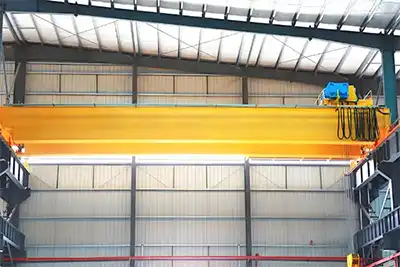
How China’s Carbon Peak Policy Shapes Overhead Cranes
Introduction
China’s Carbon Peak policy, formally launched with a target to peak carbon emissions by 2030, is more than just a government plan. It is a roadmap that affects nearly every heavy industry, including steel production, logistics, and manufacturing plants that rely on overhead cranes for daily operations.
For overhead crane manufacturers and buyers, this policy is not just a regulatory requirement—it shapes what kinds of cranes will be needed in the near future. Energy efficiency, low-carbon designs, and smart operation systems are becoming standard considerations. Buyers who ignore these changes may face higher operating costs and reduced competitiveness.
Why this matters for overhead crane buyers:
- China is pushing for lower energy consumption in factories, which directly impacts crane design and operational efficiency.
- Plants and workshops will need cranes with energy-saving features to comply with emissions standards.
- Choosing compliant cranes can make it easier to secure government incentives or tax breaks.
By understanding the Carbon Peak policy, buyers can anticipate changes in crane specifications, from motor efficiency to structural design, and make decisions that align with both environmental requirements and long-term cost savings.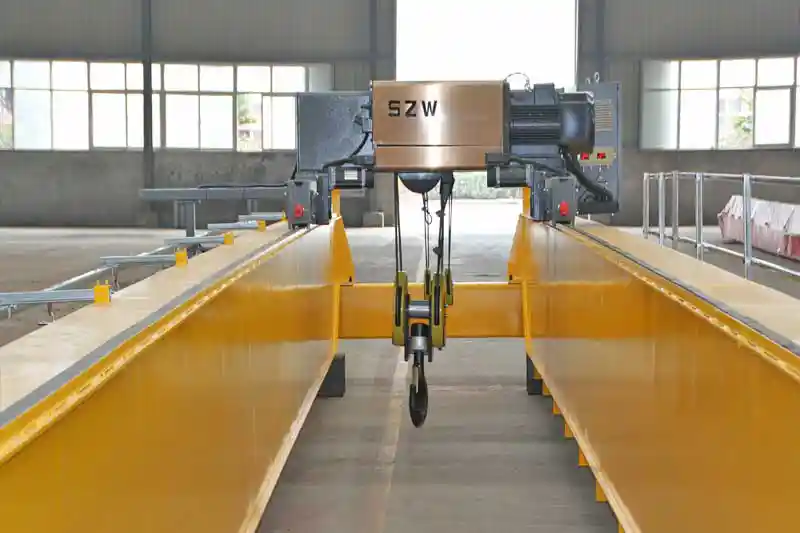
European style overhead crane for sale
The Carbon Peak Policy and Its Industrial Implications
The Carbon Peak policy focuses on reducing energy intensity and overall carbon emissions across Chinese industries. It encourages factories to adopt green manufacturing practices, upgrade equipment, and transition toward smarter, energy-efficient operations. Overhead cranes, which are central to steel mills, logistics hubs, and large manufacturing facilities, are directly affected by these goals.
The Carbon Peak policy is a national strategy aimed at controlling total carbon emissions while improving energy efficiency across industrial sectors. For factories and workshops, this translates into stricter energy-performance requirements, accelerated equipment upgrades, and a stronger focus on sustainable production practices.
A key objective of the policy is lowering energy consumption per unit of output. For overhead crane users, this means selecting cranes equipped with high-efficiency motors, optimized drive systems, and intelligent controls that reduce idle time and unnecessary lifting cycles.
Steel mills, manufacturing plants, and logistics facilities are major contributors to industrial emissions. By adopting energy-efficient overhead cranes and advanced hoisting systems, these users can significantly reduce indirect carbon emissions associated with electricity use in material handling operations.
The policy encourages the adoption of low-carbon technologies such as variable frequency drives, regenerative braking systems, and smart monitoring solutions. For crane buyers, energy-efficient overhead cranes are becoming essential assets for long-term compliance, cost control, and sustainability goals.
Steel mills and heavy industrial users face growing pressure to upgrade aging crane systems. Older crane models with low efficiency may result in higher operating costs, increased maintenance expenses, and compliance risks as energy and carbon regulations become more stringent.
In logistics centers and warehouses, cranes equipped with regenerative braking or energy recovery systems can capture and reuse energy during lowering and braking. This directly supports carbon reduction targets while improving overall operating efficiency and reducing electricity costs.
Government incentives may include subsidies, tax benefits, or policy support for purchasing energy-efficient overhead cranes and retrofitting existing systems. Facilities that meet carbon peak standards may also gain recognition, strengthening their corporate image and competitiveness in both domestic and international markets.
Shifts in Overhead Crane Design Driven by Carbon Reduction
China's Carbon Peak policy is pushing overhead crane manufacturers to rethink how cranes are designed and operated. Energy efficiency is no longer optional—it is a core requirement for new crane installations and upgrade projects. For buyers, this means that today's overhead cranes are smarter, lighter, and more cost-effective than those offered just a few years ago.
Modern overhead cranes increasingly adopt high-efficiency motors and advanced drive systems that reduce electricity consumption without compromising lifting performance. This is especially valuable in steel mills, warehouses, and manufacturing plants where cranes operate continuously.
Key points for buyers:
- Look for variable frequency drives (VFDs) or energy-saving motor options to lower power consumption.
- High-efficiency motors generate less heat, reducing wear and long-term maintenance requirements.
- Energy-efficient drives support compliance with carbon reduction targets and may qualify for incentives.
Regenerative braking systems are increasingly standard on new overhead cranes. These systems capture energy generated during load lowering or deceleration and feed it back into the electrical system instead of dissipating it as heat.
Benefits for operators and buyers:
- Lower overall energy costs, particularly in high-frequency crane applications.
- Reduced mechanical brake wear, extending maintenance intervals.
- Improved sustainability performance and reduced indirect carbon emissions.
Overhead crane design is shifting toward lighter, structurally optimized steel configurations. By reducing dead weight while maintaining strength and safety factors, these cranes consume less energy during travel and lifting operations.
Considerations for buyers:
- Carefully assess span, lifting capacity, and duty class when selecting lightweight designs.
- Lighter cranes reduce loads on runway beams, potentially lowering civil construction costs.
- Advanced structural analysis ensures weight reduction does not compromise reliability or service life.
Smart control systems are becoming a standard feature in modern overhead cranes. These systems optimize crane motions, limit unnecessary acceleration and idling, and provide real-time monitoring of energy usage.
Practical advantages for buyers:
- Reduced energy waste through precise control of acceleration, deceleration, and idle time.
- Improved operational safety and positioning accuracy.
- Data-driven maintenance planning that reduces downtime and extends crane service life.
New Features and Innovations in Modern Chinese Overhead Cranes
The push toward carbon reduction is accelerating innovation in the overhead crane industry. Chinese manufacturers are now delivering overhead cranes that not only comply with stricter energy and emission standards but are also better aligned with real-world plant operations, lifecycle cost control, and future expansion needs.
Electric overhead cranes remain the standard solution in modern industrial plants, while hybrid crane systems are gaining attention. Hybrid cranes combine electric drives with energy storage or auxiliary power modules to reduce peak electricity demand and improve power stability.
Key takeaways for buyers:
- Hybrid cranes perform well in locations with unstable power supply or high peak demand charges.
- Electric and hybrid systems significantly reduce energy costs in continuous or 24/7 operations.
- These solutions help plants meet carbon peak targets without sacrificing lifting efficiency.
IoT-enabled monitoring systems are transforming overhead crane operation and maintenance. Sensors and intelligent controllers continuously collect data on energy consumption, operating cycles, load patterns, and component condition.
Benefits for buyers:
- Early fault detection reduces unplanned shutdowns and production losses.
- Energy tracking identifies inefficiencies and supports data-driven optimization.
- Historical operating data enables predictive maintenance and extends crane service life.
Modern Chinese overhead cranes increasingly use environmentally friendly materials and surface treatments. Low-VOC paint systems, corrosion-resistant alloys, and optimized steel grades reduce both environmental impact and long-term maintenance requirements.
Practical advantages:
- Longer coating life reduces repainting frequency and maintenance costs.
- Lower environmental footprint during production and operation.
- Easier compliance with tightening environmental and workplace safety regulations.
Modular design has become a defining feature of modern Chinese overhead cranes. Components such as hoists, control systems, and end carriages can be configured or upgraded independently, allowing cranes to adapt to changing production requirements.
Key considerations for buyers:
- Individual modules can be upgraded without replacing the entire crane system.
- Flexible configurations support varying load sizes, weights, and workflow layouts.
- Faster installation and simplified maintenance minimize downtime and labor costs.
Implications for Buyers and Plant Managers
Understanding these innovations is critical for crane buyers, procurement teams, and plant managers. Energy-efficient, carbon-compliant, and intelligent overhead cranes directly contribute to lower operating costs, smoother workflows, and long-term operational resilience.
- Lower electricity consumption directly reduces monthly and annual operating expenses.
- Reduced mechanical stress on motors, brakes, and gearboxes results in fewer maintenance interventions.
- Higher crane availability and uptime support more stable and productive workflows in steel mills, warehouses, and manufacturing plants.
- Eligibility for government incentives, subsidies, or tax relief linked to energy-efficient equipment.
- Simplified compliance with emission and energy regulations, reducing regulatory and financial risks.
- Stronger corporate image and ESG positioning as a plant committed to sustainable manufacturing.
- Many older cranes can be upgraded with energy-saving motors, regenerative braking units, or smart control systems.
- Evaluating remaining service life, duty class, and operational intensity helps determine upgrade feasibility.
- Targeted retrofits can deliver meaningful efficiency and safety improvements at a lower cost than full replacement.
- Frequent downtime or rising maintenance costs often indicate that replacement is more economical than retrofit.
- New-generation cranes integrate efficiency, safety, and digital monitoring from the design stage.
- Upgrading supports future production expansion and tighter environmental requirements.
- Steel mills in Jiangsu province using energy-efficient double girder EOT cranes with regenerative braking report 15–20% electricity savings.
- Logistics hubs in Guangdong implementing IoT-enabled single girder cranes reduced maintenance downtime by approximately 30%.
- Automotive manufacturing plants adopting modular crane systems improved load-handling flexibility while shortening installation time.
The Global Perspective
China's Carbon Peak policy is reshaping not only domestic manufacturing but also the global position of Chinese overhead crane manufacturers. By prioritizing energy efficiency, low-carbon design, and smart crane technologies, Chinese suppliers are increasingly meeting the higher environmental and operational standards required by international buyers.
- Chinese manufacturers are producing overhead cranes compliant with both domestic and international energy and emission standards.
- Global buyers increasingly favor cranes that reduce electricity consumption and support sustainability goals.
- Carbon-compliant crane designs enable Chinese suppliers to access regulated markets such as Europe and North America.
- Asia: Rapid industrial growth in Southeast Asia and India is driving demand for modern, energy-saving overhead cranes in steel, automotive, and logistics sectors.
- Europe: Strict carbon and energy regulations are accelerating the replacement of older cranes, creating opportunities for proven low-carbon Chinese crane solutions.
- North America: Steel mills, manufacturing plants, and warehouses prioritize energy efficiency and operating cost control, increasing interest in modular and energy-efficient Chinese cranes.
- Partnering with Chinese manufacturers provides access to cranes already optimized for energy savings and carbon compliance.
- International buyers benefit from competitive pricing, shorter delivery cycles, and advanced features such as IoT monitoring and regenerative braking.
- Choosing suppliers aligned with global low-carbon trends reduces regulatory risk and helps future-proof plant operations.
Conclusion
China’s Carbon Peak policy is driving a clear transformation in the overhead crane industry. From energy-efficient motors and regenerative braking systems to lightweight structures and smart control systems, cranes are being redesigned to reduce energy consumption and minimize carbon emissions. For buyers, this means that the focus is no longer just on lifting capacity or span—it’s also about efficiency, sustainability, and long-term operational cost savings.
Key takeaways for crane buyers:
- Modern Chinese overhead cranes combine low energy consumption with smart features like IoT monitoring and predictive maintenance.
- Compliance with carbon reduction policies ensures lower electricity bills, reduced downtime, and alignment with future environmental regulations.
- Modular and flexible designs allow plants to adapt cranes for multiple applications, improving productivity and return on investment.
Why buyers should consider partnering with Chinese suppliers:
- Access to cranes already optimized for energy efficiency, low-carbon operation, and future regulatory compliance.
- Cost-effective solutions with shorter lead times compared to many global competitors.
- Support for retrofitting or upgrading existing cranes, helping plants stay competitive while meeting sustainability targets.
- Proven track record of supplying cranes to steel mills, manufacturing plants, and logistics hubs around the world.
In short, investing in energy-efficient, carbon-compliant overhead cranes from Chinese manufacturers is not just a response to regulation—it’s a practical strategy to reduce operating costs, improve workflow, and future-proof your plant operations.