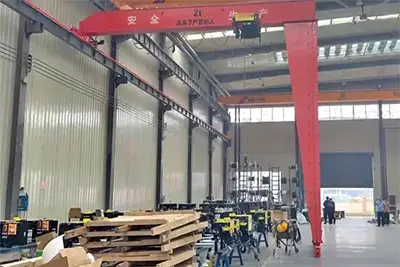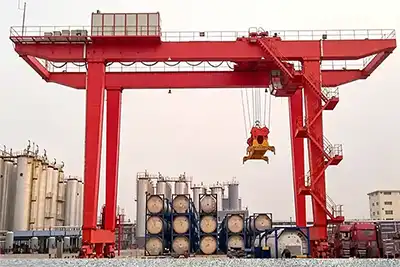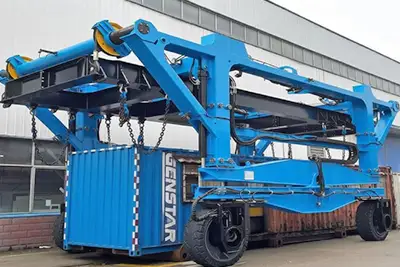
Non-Rail Gantry Cranes for Heavy Lifting Without Rails
Introduction: Why Non-Rail Gantry Cranes Matter
Gantry cranes are essential for lifting heavy loads in industrial plants, workshops, and outdoor operations. Traditionally, these cranes run on fixed rails, offering stability and precision. Rail-based systems work well in permanent layouts but can be limiting when the floor is sensitive, the workspace is temporary, or the plant layout changes frequently.
In such cases, installing rails may be expensive, time-consuming, or even impossible. Non-rail gantry cranes provide a practical alternative, moving freely on wheels without requiring permanent tracks. They allow industrial operators to lift heavy loads safely while keeping flexibility and minimizing infrastructure changes.
Key benefits include:
- Mobility across workshops, yards, or temporary sites
- Adaptability to uneven or sensitive floors
- Quick deployment and easy relocation without major construction
Non-rail gantries are particularly suited for industrial plants with floor limitations, temporary lifting needs, and outdoor material handling.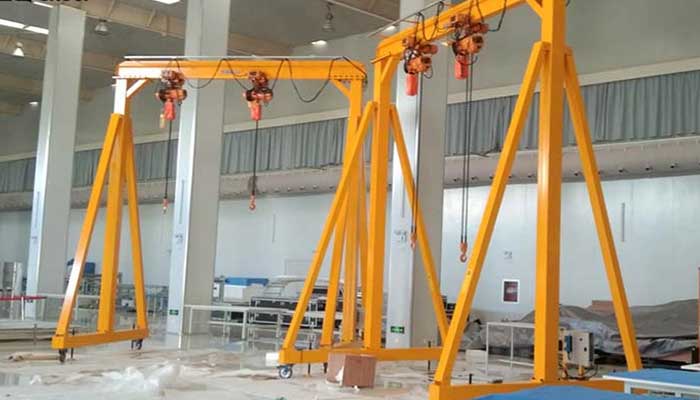
Non rail gantry crane for sale
Non-Rail Gantry Cranes
A non-rail gantry crane is essentially a bridge crane mounted on wheels. It has the same basic structure as a traditional gantry crane but prioritizes mobility over fixed stability. Understanding its components helps in selecting the right crane for your facility.
Main components include:
- Girders: Horizontal beams that support the hoist and trolley
- End Carriages: Vertical supports with wheels to allow movement
- Wheels: Steel, rubber, or polyurethane, designed according to floor type
- Hoist Mechanisms: Electric chain, wire rope, or hydraulic hoists for lifting
Non-rail gantries come in several types, each suited to different industrial applications.
Types and configurations:
- Mobile / Portable Gantries: Lightweight, easy to move, perfect for temporary lifting and maintenance tasks
- Folding / Modular Gantries: Can be adjusted or disassembled, ideal for storage or changing work areas
Wheel Configurations:
- 4-wheel: Compact, suitable for lighter loads and narrow spaces
- 6-wheel: Better stability for medium loads and uneven floors
- 8-wheel: Distributes heavy loads evenly, protecting sensitive floors
The choice of type and wheel configuration directly affects mobility, floor safety, and load-handling efficiency.
Key Advantages of Non-Rail Gantry Cranes
One of the main reasons industrial operators choose non-rail gantry cranes is mobility. Unlike rail-based systems, these cranes can move freely across a workshop or site. This allows the same crane to serve multiple workstations, eliminating the need for permanent tracks and giving operators more flexibility in daily operations.
Mobility Benefits:
- Easily repositioned within a workshop or outdoor site
- Can cover multiple workstations without major installation
- Reduces downtime when moving equipment or materials
Non-rail gantries also offer adaptability to floor conditions, which is critical for plants with sensitive or uneven surfaces. By distributing the load across multiple wheels, they reduce pressure on concrete slabs, helping protect the floor while maintaining safe lifting operations.
Floor Adaptability:
- Suitable for sensitive or uneven floors
- Reduced floor pressure compared to fixed-rail cranes
- Minimizes risk of floor damage or structural stress
These cranes are excellent for temporary or outdoor use. Whether it’s a construction site, seasonal storage yard, or short-term maintenance project, non-rail gantries can be quickly deployed and relocated. Many models come with weather-resistant options to withstand outdoor conditions.
Temporary and Outdoor Use:
- Ideal for construction sites, maintenance work, and seasonal operations
- Weather-resistant design options for outdoor lifting
- Quick relocation without disassembling major structures
Finally, non-rail gantries offer cost and installation advantages. Without the need for rail installation, upfront costs and labor are significantly reduced. Setup and teardown are faster, making these cranes practical for short-term projects or evolving industrial layouts.
Cost and Installation Benefits:
- No expensive rail installation required
- Faster setup and teardown
- Lower long-term infrastructure costs
Non-rail gantry cranes combine mobility, floor adaptability, and cost-efficiency, making them a practical solution for industrial plants, workshops, and outdoor operations where traditional rail cranes are not feasible.
Practical Applications in Industrial Plants
Non-rail gantry cranes are particularly useful in industrial plants where flexibility and mobility are critical. They allow operators to move heavy loads safely without the constraints of permanent rail systems, making them ideal for facilities with limited infrastructure or temporary work areas.
Common Industrial Applications:
- Lifting Heavy Machinery: Perfect for moving large machines in plants where installing rails is impractical or impossible.
- Handling Steel Coils, Molds, and Large Components: Provides safe lifting in workshops with floor load limits, protecting both the equipment and the building structure.
- Outdoor Material Handling: Suitable for construction sites, shipyards, and storage yards where mobility and adaptability to uneven ground are required.
These applications highlight how non-rail gantries can be integrated into both indoor and outdoor operations, offering a practical and cost-effective solution for material handling in various industrial settings.
Design Considerations for Buyers
Choosing the right non-rail gantry crane requires more than just picking a crane that can lift the heaviest load. Buyers need to balance capacity, mobility, and floor safety to ensure the crane works efficiently and safely in their specific environment.
Key Design Considerations:
- Weight Capacity vs. Mobility: Select a crane that can handle your heaviest loads without exceeding the floor’s weight limits. Oversized cranes may be stable but can damage floors or reduce mobility.
- Wheel Type and Configuration: Wheels affect both mobility and floor protection. Rubber or polyurethane wheels are better for sensitive floors, while steel wheels are suitable for outdoor or rugged surfaces. The number of wheels (4, 6, or 8) also distributes weight differently.
- Span and Lifting Height: Ensure the crane’s girder span and lifting height fit your facility’s layout. A crane that is too short may limit operations, while one that is too tall may be unstable.
- Environmental Factors: Consider wind loads for outdoor use, dust in workshops, and potential corrosion. Some cranes offer weather-resistant coatings or enclosed hoists for harsh conditions.
- Safety Features: Look for built-in brakes, overload protection, and stability mechanisms. These features prevent accidents and extend the lifespan of the crane.
Choosing Between Non-Rail and Rail Gantry Cranes
Selecting the right type of gantry crane depends on the facility layout, floor conditions, and the nature of lifting operations. Non-rail cranes are not a one-size-fits-all solution, and there are situations where traditional rail cranes are still more appropriate.
When Non-Rail Cranes Are Preferable:
Non-rail gantries shine in flexible or temporary setups. They are ideal for workshops with sensitive floors, sites without the budget or space for rail installation, or outdoor operations that require quick relocation. They are also suited for plants where the lifting points or workstations change frequently.
Situations Where Rail-Based Cranes Are Advantageous:
Rail cranes remain the best choice for permanent installations with heavy, continuous lifting. They provide superior stability, higher precision, and greater lifting capacity. Facilities with strong, reinforced floors and predictable workflows often benefit from fixed-rail systems.
Hybrid Solutions:
Some plants combine both approaches. Semi-permanent or partially mobile systems allow cranes to move within a defined area while still offering some of the stability advantages of rails. These hybrid setups work well when occasional relocation is needed without fully sacrificing precision or load capacity.
Maintenance and Longevity
Proper maintenance is essential to keep non-rail gantry cranes safe, reliable, and long-lasting. Because these cranes are mobile and often used on sensitive floors or outdoors, regular checks and preventive care make a big difference in performance and lifespan.
Key Maintenance Practices:
- Regular Inspection of Wheels and Flooring Interface: Check for wear, cracks, or uneven pressure on wheels. Proper wheel maintenance protects both the crane and the floor from damage.
- Hoist and Trolley Maintenance: Inspect the hoist, trolley, and lifting mechanisms regularly. Lubricate moving parts and verify load chains, ropes, or cables are in good condition to ensure safe lifting operations.
- Storage and Protection for Outdoor or Seasonal Use: If the crane is used outdoors or only seasonally, cover it or store it in a sheltered area. Protecting it from rain, dust, and corrosion extends its service life and prevents operational issues.
Maintenance and Longevity
Keeping a non-rail gantry crane in good condition is key to safety, reliability, and long-term performance. Since these cranes are mobile and often operate on sensitive floors or outdoors, regular maintenance prevents costly repairs and extends lifespan.
Essential Maintenance Practices:
- Inspect Wheels and Floor Contact: Regularly check wheels for wear, cracks, or misalignment. Ensure the floor interface is stable to prevent damage to both the crane and the workshop floor.
- Maintain Hoist and Trolley Systems: Examine chains, wire ropes, and trolleys frequently. Lubricate moving parts and verify that all lifting mechanisms operate smoothly to avoid accidents or downtime.
- Protect During Storage or Seasonal Use: For cranes used outdoors or only part of the year, cover or store them in a sheltered area. Protecting against rain, dust, and corrosion keeps components functional and extends service life.
A consistent maintenance routine ensures non-rail gantry cranes remain safe, efficient, and durable, providing reliable lifting performance for years.
Conclusion
Non-rail gantry cranes offer a flexible and cost-effective solution for lifting heavy loads in environments where traditional rail systems are impractical. Their mobility, adaptability to floor conditions, and ability to operate in temporary or outdoor setups make them a practical choice for many industrial plants, workshops, and construction sites.
When selecting a crane, buyers should carefully consider:
- Mobility: Can the crane move easily to different workstations or outdoor areas?
- Floor Protection: Will the wheel type and configuration prevent damage to sensitive floors?
- Operational Versatility: Does the crane meet the plant’s lifting height, span, and load requirements while allowing for future adjustments?