Outdoor Crane Protection Guide – Gantry, Overhead & Jib Crane
Outdoor cranes face challenges that indoor equipment never has to deal with. Rain, dust, direct sunlight, and humidity constantly test their strength and reliability. For buyers, understanding how these environmental factors affect an outdoor crane’s lifespan is crucial. Without proper protection, even a heavy-duty outdoor gantry crane, outdoor overhead crane, or outdoor jib crane can quickly develop rust, suffer electrical failures, or see moving parts wear out faster than expected.
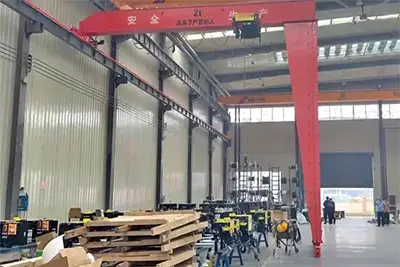
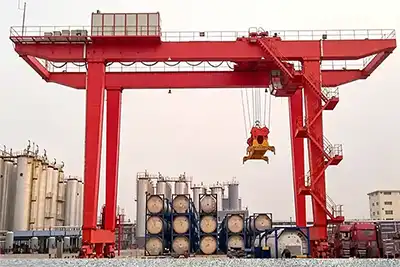
Not all outdoor cranes are the same. A large outdoor gantry crane spans open areas and exposes its beams, trolleys, and joints to weather all year round. An outdoor overhead crane carries sensitive electrical components along its runway, which need effective sealing against moisture and dust. Meanwhile, an outdoor jib crane, even if mounted in a single spot, still requires strong protective coatings on its boom, motor, and pivot points to withstand sun and rain. Each type of crane presents unique protection challenges that buyers need to consider carefully.
Key environmental factors affecting outdoor cranes include:
- Rain and Moisture: Can corrode steel structures and damage hoist systems. Electrical parts on outdoor overhead cranes and jib cranes are particularly vulnerable.
- Dust and Debris: Dust from stone yards or gravel yards can clog gears, wear out brakes, and reduce performance. Outdoor gantry cranes are especially exposed due to their large working areas.
- UV Exposure: Constant sunlight can fade paint, weaken protective coatings, and degrade plastic or rubber insulation on all types of outdoor cranes.
- Humidity and Temperature Fluctuations: High humidity speeds up corrosion, and temperature swings can affect steel structures, impacting the accuracy and durability of outdoor overhead cranes and gantry cranes.
For buyers, considering these factors before purchasing an outdoor crane is not optional—it’s essential. Proper protective measures, such as anti-corrosion coatings, sealed electrical components, and UV-resistant paints, ensure that outdoor gantry cranes, overhead cranes, and jib cranes operate reliably for years, even in harsh environments.
Environmental Factors Affecting Outdoor Cranes
Operating outdoor cranes comes with its own set of challenges that buyers often overlook. Whether it’s a large outdoor gantry crane, an outdoor overhead crane, or a compact outdoor jib crane, understanding how the environment impacts performance and longevity is crucial.
Rain and moisture are the biggest threats to any outdoor crane. Water can cause rust on steel structures and weaken the crane's overall stability. Electrical components, especially those on outdoor overhead cranes and jib cranes, are at risk of short circuits if not properly sealed.
- Structural impact: Rainwater can accelerate corrosion on gantry crane girders, overhead crane rails, and jib crane booms.
- Operational risks: Water ingress in hoist systems or control panels can lead to unexpected downtime.
- Buyer tip: Check that the crane's electrical enclosures meet IP-rated standards (IP54 or higher) to prevent water damage.
Outdoor work environments, particularly stone yards, quarries, or construction sites, generate large amounts of dust and debris. This dust can settle on gears, hoists, brakes, and electrical systems, leading to reduced efficiency and higher maintenance needs.
- Affected components: Dust can interfere with trolleys, wire ropes, and control systems on outdoor gantry cranes, overhead cranes, and jib cranes alike.
- Maintenance reminder: Regular cleaning and lubrication are essential to prevent premature wear.
- Buyer tip: Ask the manufacturer about dust-resistant covers or sealed hoists for dusty environments.
Sunlight might seem harmless, but prolonged exposure can damage an outdoor crane over time. Paint can fade, protective coatings can weaken, and plastic or rubber components like cable insulation may degrade.
- Gantry cranes: Large surfaces like beams need UV-resistant coatings to maintain both durability and appearance.
- Overhead and jib cranes: Exposed electrical enclosures and operator controls benefit from shaded covers or UV-protective materials.
- Buyer tip: Verify that the paint and coatings are rated for outdoor UV exposure to reduce maintenance costs.
Fluctuating temperatures and high humidity also affect outdoor cranes. Steel components expand and contract with heat changes, which can impact the precision of overhead crane rails or the alignment of gantry crane girders. Humid or coastal environments accelerate corrosion, especially on moving parts and exposed joints.
- Thermal stress: Temperature swings may affect boom alignment on outdoor jib cranes.
- Corrosion risks: Coastal or high-humidity locations require enhanced anti-corrosion treatments.
- Buyer tip: Consider cranes with galvanization or multi-layer coatings if the crane will operate in humid or coastal areas.
Structural Protection Measures for Outdoor Cranes
Protecting the structure of an outdoor crane is one of the most critical steps to ensure long-term durability. Whether it’s a heavy-duty outdoor gantry crane, an outdoor overhead crane, or a compact outdoor jib crane, proper coatings, materials, and anti-corrosion treatments can make a big difference in reducing maintenance costs and preventing premature wear.
The first line of defense for any outdoor crane is its surface coating. Choosing the right type of paint and surface treatment can protect steel from rust, UV damage, and environmental wear.
- Powder coating vs. liquid paint: Powder coating generally offers thicker, more uniform protection and lasts longer under harsh weather, while liquid paint is easier to touch up on smaller areas.
- Anti-corrosion primers and multi-layer coatings: A primer layer combined with top coats creates a durable barrier against moisture and dust, especially for exposed parts like gantry crane girders or jib crane arms.
- Buyer tip: Look for cranes with UV-resistant and weatherproof coatings to maintain both appearance and structural integrity.
The materials used in constructing an outdoor crane play a major role in its lifespan and performance.
- Corrosion-resistant steel or treated metals: High-quality steel or specially treated metals reduce the risk of rust and degradation in humid or coastal environments.
- Reinforced components for longevity: Critical parts like overhead crane beams, trolleys, and jib crane booms should be reinforced to withstand environmental stress and frequent use.
- Buyer tip: Confirm with the manufacturer which materials are used and whether any additional treatment is applied to ensure long-term durability.
Beyond paint and materials, specific anti-corrosion treatments provide added protection for outdoor cranes operating in tough environments.
- Galvanization and zinc coatings: These form a protective layer that prevents rust from forming on steel surfaces.
- Rust inhibitors: Applied to joints, bolted connections, and other vulnerable areas to extend structural life.
- Regular inspections and maintenance: Even the best treatments need routine checks. Look for signs of coating wear, rust spots, or exposed metal and address them promptly.
- Buyer tip: Ask for recommended maintenance schedules and verify whether treatments are factory-applied or need periodic reapplication.
Electrical and Control Component Protection for Outdoor Cranes
For outdoor cranes, protecting electrical and control components is just as important as safeguarding the steel structure. Exposure to rain, dust, sunlight, and humidity can damage motors, control panels, and hoists, leading to downtime and costly repairs. Whether it’s an outdoor gantry crane, an outdoor overhead crane, or an outdoor jib crane, proper electrical protection ensures reliable operation and longer equipment life.
The first step in protecting electrical components is using enclosures rated for outdoor conditions.
- IP Ratings: Motors, control panels, hoists, and trolleys should meet IP54, IP65, or higher standards to resist water and dust ingress.
- Protective housings: Critical areas like gantry crane drives and jib crane control boxes require durable housings that shield against rain, dust, and accidental splashes.
- Buyer tip: Always confirm the IP rating of each component, especially if the crane will operate in rainy, dusty, or humid environments.
Even with enclosures, extra sealing measures add a layer of safety.
- Gaskets, sealants, and protective covers: Properly applied seals prevent moisture and dust from entering sensitive areas.
- Critical points: Ensure overhead crane trolley motors, control panels, and jib crane articulation points are properly sealed to prevent corrosion or short circuits.
- Buyer tip: Check that seals are factory-installed or professionally applied, and inspect them regularly during maintenance.
Sunlight and heat can degrade wiring, insulation, and operator components over time.
- Shade covers: Sensitive electronics, control panels, and operator cabins benefit from shade or UV-protective covers.
- Heat-resistant insulation: Use wires and cables designed to withstand high temperatures and prolonged sun exposure.
- Buyer tip: Ask about materials and components rated for outdoor UV exposure, especially for cranes installed in sunny or hot regions.
Proper electrical and control protection ensures that your outdoor gantry cranes, overhead cranes, and jib cranes continue to operate safely and reliably, even in harsh environments. When selecting an outdoor crane, prioritize IP-rated enclosures, effective sealing, and UV-resistant components to reduce maintenance and prevent costly failures.
Operational and Maintenance Considerations for Outdoor Cranes
Even the best-protected outdoor crane needs careful operation and regular maintenance to stay in top condition. Whether it's an outdoor gantry crane, overhead crane, or jib crane, routine checks and proper care help prevent unexpected downtime and extend the crane's service life.
Regular inspections are essential to catch small issues before they become major problems.
- Structural checks: Look for paint wear, rust, or damage to protective coatings on beams, booms, and joints of outdoor gantry cranes, overhead cranes, and jib cranes.
- Electrical inspections: Ensure that motors, control panels, hoists, and trolleys are free from moisture, dust ingress, or corrosion.
- Buyer tip: Keep a checklist and schedule inspections monthly or quarterly, depending on usage and environmental conditions.
Dust, debris, and weather exposure can affect moving parts if not managed properly.
- Cleaning: Remove accumulated dust, dirt, or stone fragments from rails, trolleys, hoists, and pivot points. For dusty stone yards, cleaning may be needed more frequently.
- Lubrication: Apply grease or oil to moving parts like wire ropes, gears, and bearings to reduce friction and prevent rust, especially after rain or in humid areas.
- Buyer tip: Use manufacturer-recommended lubricants and maintain a consistent schedule to ensure smooth crane operation.
Sometimes, environmental conditions demand extra precautions to protect outdoor cranes.
- Temporary covers or shelters: Use tarps or retractable covers for gantry cranes, overhead cranes, or jib cranes during storms or prolonged sun exposure.
- Operational adjustments: Schedule lifts or heavy operations during favorable weather to reduce stress on crane components.
- Buyer tip: Consider mobile or retractable shading solutions for outdoor cranes in areas with intense sun or frequent rain.
Buyer Checklist for Outdoor Cranes
When selecting an outdoor crane, whether it's an outdoor gantry crane, outdoor overhead crane, or outdoor jib crane, buyers need to look beyond lifting capacity and span. Considering durability, protection, and maintenance can save time, money, and headaches down the line. Here's a practical checklist to guide your decision:
- Ensure the crane's steel structure uses high-quality materials and corrosion-resistant metals.
- Confirm multi-layer coatings or powder coatings are applied to exposed areas such as gantry crane girders, overhead crane rails, or jib crane booms.
- Ask the manufacturer about additional rust prevention measures like galvanization or zinc treatments.
- Confirm that motors, control panels, hoists, and trolleys meet appropriate IP ratings (IP54 or higher) for outdoor use.
- Inspect protective housings on sensitive components, including gantry crane drives and jib crane control boxes.
- Verify that wires, cables, and operator panels are sealed against dust, moisture, and UV exposure.
- Assess whether the crane can handle dusty stone yards, high humidity, or strong UV exposure.
- For outdoor gantry cranes, check large-span beams and trolleys; for overhead cranes, check runway alignment and electrical enclosures; for jib cranes, check boom and pivot point durability.
- Consider site-specific challenges such as coastal conditions or extreme seasonal temperatures.
- Review the manufacturer's maintenance schedule for inspections, cleaning, and lubrication.
- Ensure there's a plan for preventive measures during extreme weather, such as temporary covers or operational adjustments.
- Ask about typical service intervals for replacing worn components or reapplying protective coatings.
- Check whether the warranty explicitly covers corrosion, electrical failure, or coating degradation under outdoor use.
- Make sure coverage aligns with your site's environmental conditions, whether it's a sunny, rainy, or dusty location.
- Understand the process for claiming warranty service if environmental factors cause issues.
Conclusion
Outdoor Protection Is Essential
For any outdoor crane—whether it’s a gantry crane, overhead crane, or jib crane—protection against environmental factors is not optional. Rain, dust, UV exposure, and humidity can all shorten a crane’s lifespan if left unaddressed. Ensuring proper outdoor protection safeguards both the crane and the operations it supports.
Key Elements of Effective Protection
To maintain performance and safety, buyers should focus on:
- Materials: Corrosion-resistant steel and reinforced structural components.
- Coatings: Multi-layer paint, anti-corrosion primers, and UV-resistant finishes.
- Electrical Protection: IP-rated enclosures, sealed hoists, and protected control panels.
- Maintenance: Regular inspections, cleaning, lubrication, and timely repair of worn or exposed components.
Consider Site-Specific Conditions
Every outdoor environment is different:
- Dusty stone yards may require additional sealing and more frequent cleaning.
- Coastal or high-humidity locations benefit from galvanization and corrosion inhibitors.
- Areas with intense sunlight need UV-resistant coatings for booms, rails, and electrical components.
Work With Manufacturers for Customized Solutions
Discussing your specific site conditions with the manufacturer can help:
- Select reinforced or specially treated components.
- Ensure electrical and control systems are properly sealed for your environment.
- Implement protective measures tailored to local weather, dust levels, and UV exposure.
Final Takeaway
Investing in proper outdoor protection for gantry cranes, overhead cranes, and jib cranes ensures:
- Longer service life and reduced downtime
- Safer and more reliable operation
- Lower maintenance costs over time