Essential Wind Protection Systems for Outdoor Gantry Cranes
Introduction: Why Wind Protection Matters for Outdoor Gantry Cranes
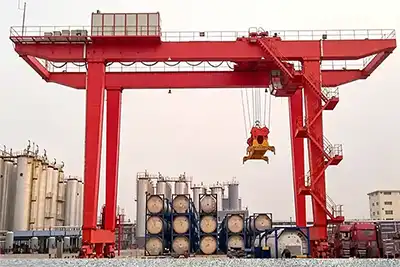
Outdoor gantry cranes work in open environments where the weather can change fast — especially in ports, coastal yards, and large construction sites. Strong winds are one of the biggest natural threats to these machines. Once a gust hits a crane with a wide span and high structure, it creates huge side pressure on the legs and bridge frame. Without proper wind protection systems, the crane can shift, derail, or even topple.
how to choose the right outdoor gantry crane for your needs
Wind protection isn't just about meeting regulations — it's about keeping your equipment, operators, and worksite safe. A single high-wind incident can damage structural parts, deform rails, or destroy electrical systems. Even smaller wind vibrations over time can loosen bolts, cause fatigue cracks, and reduce the lifespan of the crane.
A good wind protection setup helps you:
- Keep the crane firmly anchored during operation and idle periods
- Prevent unexpected movement when the crane is parked
- Reduce long-term stress on structural joints and traveling mechanisms
- Maintain stable operations in regions prone to seasonal monsoons or typhoons
When properly installed and maintained, wind protection devices extend the working life of the crane and cut down on costly repairs.
Outdoor gantry cranes are widely used in:
- Ports and container terminals – exposed to strong sea winds and sudden gusts
- Shipyards – where cranes lift large structures with big surface areas
- Steel and storage yards – where open fields give wind free passage
- Bridge and tunnel projects – often in elevated or coastal zones
In these environments, wind can:
- Push cranes off the track if the travel mechanism is unlocked
- Swing suspended loads, creating side forces on the beam
- Cause contact between the trolley, hoist, or structural parts
- Make operators lose control during lifting or lowering operations
High-wind operation procedures and protective devices are not optional — they're part of safe daily practice.
Over the years, many serious crane incidents have been linked to wind. In several coastal ports, storm gusts exceeding 25 m/s have overturned full gantry cranes, crushing cabins and damaging cargo handling lines. In another case, a rail-mounted crane was blown nearly ten meters off its track during a night storm because the rail clamps weren't locked after work hours.
Even when the crane doesn't fall, damage can still be severe — bent wheels, twisted rails, or cracked welds on the main beam. Most of these accidents happened not because the crane was poorly built, but because windproof systems were missing or not engaged at the right time.
This guide is written for buyers, engineers, and project managers who deal with outdoor gantry cranes in high-wind or coastal areas. It explains what wind protection systems are available, how they work, and where they should be installed.
You'll learn:
- The main types of wind protection devices used on modern gantry cranes
- Installation positions that ensure stable and safe performance
- Practical safety measures to follow during strong winds or typhoons
- Tips for selecting the right system according to your crane type and site environment
Whether you're purchasing a new gantry crane or upgrading an existing one, understanding wind protection systems helps you make safer, smarter, and more cost-effective decisions.
Wind Loads and Crane Stability
Wind is a constant factor for outdoor gantry cranes. Even moderate gusts can shake the crane, swing the load, or push the wheels off alignment. Knowing how wind acts on a crane helps buyers choose the right protection systems.
Wind affects cranes in two main ways:
- Static wind force acts when the crane is parked. Continuous pressure can slowly move or tilt the structure if not properly secured.
- Dynamic wind force happens during operation. When the crane lifts or travels, changing wind direction and speed can cause vibration, load sway, and unbalanced stress.
Static protection keeps a crane stable when idle, while dynamic protection ensures safety during lifting or movement.
Several factors determine how well a crane stands up to wind:
- Crane size and structure – Tall or wide cranes have more surface area exposed to wind. Box girders resist bending better than truss types but catch more wind pressure.
- Load and operation – Lifting wide or light loads increases drag. Even an empty hook can swing like a pendulum in strong gusts.
- Site conditions – Coastal yards face salt, humidity, and typhoons. Open areas offer no windbreaks, while uneven ground can amplify pressure on the rails.
Understanding these conditions helps you select proper clamps, anchors, and alarm systems for your site.
Reliable cranes follow recognized design codes that define safe wind limits:
- FEM (Europe): Design and classification of outdoor cranes under wind loads.
- ISO 8686 / ISO 4301: Global guidelines on load effects and environmental forces.
- GB/T 3811 (China): National design standard for crane wind pressure and safety.
- CMAA (USA): Recommendations for bridge and gantry cranes operating outdoors.
These standards ensure your crane is tested for real working conditions, not just ideal ones.
Main Types of Gantry Crane Wind Protection Systems
Outdoor gantry cranes face sudden gusts, typhoons, and shifting air pressure—especially in ports, shipyards, and open yards. To stay secure, they rely on several kinds of windproof systems. The right choice depends on your crane type, rail size, and site conditions.
Purpose and Principle
Rail clamp systems hold the crane firmly to its track when parked. When the wind tries to lift or push the crane, the clamps lock onto the rail and prevent movement. Most systems use either mechanical or hydraulic force to create a tight grip.
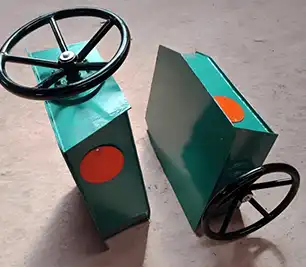 manual gantry crane rail clamp
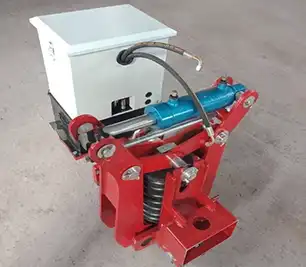 hydrualic type gantry crane rail clamp
 Common Types
- Manual rotating rail clamp – Simple structure, easy to maintain; ideal for small or portable gantry cranes.
- Manual caliper rail clamp – Uses a side grip, better for limited space or uneven rails.
- Electric rail clamp – Activated by motor; suits medium cranes needing quick locking and releasing.
- Electro-hydraulic (spring) rail clamp – Automatically engages when power cuts; standard for large cranes in coastal or typhoon-prone areas.
Pros and Cons
- Manual clamps: low cost, easy to repair, but require operator action.
- Electric clamps: fast and automatic, but need regular maintenance and power supply.
- Electro-hydraulic clamps: most reliable for storm protection, though higher in cost and complexity.
When the wind gets extreme, clamps alone may not hold. That's where track-pressing and iron shoe systems come in. They lock the crane's wheels directly to the rail or ground, providing an extra layer of stability.
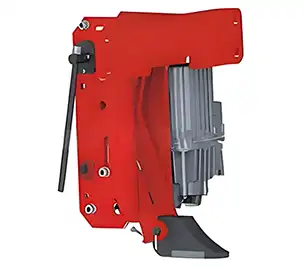 iron wedge brake
 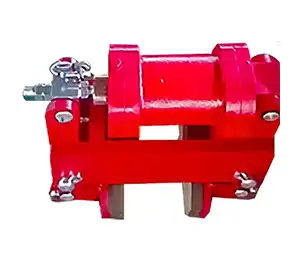 wheel side brade
Common Systems
- Iron wedge brake (manual or electric): simple wedge inserted between wheel and rail; effective for parked cranes.
- Wheel-side brake (track-pressing type): hydraulic or mechanical pad presses the wheel down, keeping it from lifting in strong winds.
Use Cases
- Heavy-duty cranes in coastal terminals or steel yards.
- Cranes parked for long periods or during typhoon season.
- Backup safety when main clamps alone aren't sufficient.
In addition to clamps and brakes, auxiliary systems add smart monitoring and emergency control.
Common Devices
- Wind rope or cable tie-down: steel cables anchor the crane to the ground or columns; common in temporary yards.
- Anemometer: detects wind speed and triggers alarms or automatic shutdown when gusts exceed set limits.
- Anchor systems: long-term parking solution; anchors or embedded bolts secure the crane frame to concrete bases.
These devices don't replace mechanical clamps but provide early warning and extra assurance in unpredictable weather.
Correct Installation Positions and Layout Planning
Even the best windproof devices won't protect your gantry crane if they're installed in the wrong place. Proper positioning ensures that wind forces are evenly absorbed and that all devices work together as one system.
Typically mounted at the four corners of the crane legs. This layout locks the entire frame, preventing the crane from sliding or twisting under gusts.
For large double-girder cranes, each side of the main beam should have at least one clamp.
Installed inside or outside the crane legs, depending on rail width and wheel design.
Inside installation is common for cranes with limited ground clearance, while outside placement makes maintenance easier.
Fixed at the center of the bottom beam or near the bogie area.
Should pull in the opposite direction of prevailing wind for maximum holding force.
Ideal for cranes parked for long periods or during storm warnings.
Mounted on the top beam or operator's cabin, where wind exposure is greatest.
Position it away from obstructions like lighting or cables to ensure accurate readings.
Connect the alarm to the main control system for automatic braking or shutdown when wind limits are exceeded.
Installed directly into the concrete foundation or pier base beneath the crane rail.
Used for long-term or storm-season parking; each anchor should be rated for the full wind load of the crane.
Wind protection works best when the system is symmetrical and connected:
- Devices on both sides of the crane must engage simultaneously to avoid frame distortion.
- Interlock safety circuits ensure that clamps or brakes cannot release during high winds or when alarms are active.
- Always check electrical and hydraulic connections after installation and during regular maintenance cycles.
A well-planned layout not only boosts safety but also extends equipment life. When each system is positioned correctly and linked by interlocks, your gantry crane stands firm—whether in a light coastal breeze or a full-force typhoon.
Operational Safety Measures in High-Wind Conditions
Even with strong windproof systems, a gantry crane's safety depends on how it's operated and maintained during changing weather. Following the right steps before, during, and after high-wind events keeps both the crane and the crew safe.
Under moderate wind (below Level 6, roughly 10–11 m/s), outdoor gantry cranes can operate safely — but only with proper precautions.
Routine Safety Measures:
- Standard parking after operation: Always stop the crane on level track and set travel limit switches before leaving the control panel.
- Use non-slip iron shoes and wheel locks: These small steps prevent slow rolling or rail creep caused by gusts.
- Inspect clamps and ropes daily: Check bolts, cables, and locking pins for wear or corrosion. Replace any part showing rust or loose fit.
Good habits in calm weather build safety for stormy days.
When a typhoon warning or storm alert is issued, quick and organized action is essential.
Pre-Storm Procedure:
- Move the crane to a designated safe pier or anchoring zone. Avoid mid-span parking on open rails.
- Engage all windproof devices — rail clamps, wheel brakes, iron shoes, and anchors must all be locked.
- Secure power cables and disconnect main power to prevent surge damage.
- Activate the anemometer or wind alarm system and verify it's sending alerts correctly.
- Remove loose tools and debris from the crane deck and working area.
Operator and Maintenance Checklist:
- Confirm clamp pressure and hydraulic oil levels.
- Verify that interlock circuits are active.
- Ensure tie-down cables are tight and fixed to rated anchors.
- Record all actions in the safety log before leaving the site.
Taking these steps hours before the storm makes a big difference — last-minute rushing often leads to mistakes.
After a storm, cranes should not return to work immediately. Every system needs to be checked carefully.
Post-Storm Actions:
- Inspect structure and weld joints for deformation, cracks, or corrosion.
- Perform a no-load movement test to check travel alignment and brake performance.
- Recalibrate electrical and hydraulic systems, especially sensors, limit switches, and pressure valves.
- Re-tension anchoring cables and verify foundation bolts for any movement.
Only after all tests confirm normal conditions should the crane resume service.
A calm, step-by-step approach before and after high winds is the best defense against costly downtime or damage. With proper preparation, your gantry crane stays safe, steady, and ready for work — no matter how hard the wind blows.
Buyer’s Checklist: Selecting Wind Protection Systems
Choosing the right wind protection setup isn’t just about buying clamps or anchors — it’s about matching the system to your site, crane, and operation habits. Before you decide, walk through this short checklist.
Start with your site conditions — they determine almost everything else.
- Identify your local wind grade and storm frequency (especially in coastal or typhoon-prone zones).
- Assess terrain and exposure — open yards, sea piers, or mountain valleys experience higher gusts than sheltered areas.
- Note any obstructions or barriers that could alter wind flow.
A good supplier can use this data to recommend proper clamp strength and anchoring capacity.
Your windproof system must fit your crane’s structure and rail type.
- Confirm rail size, span width, and leg type before choosing clamp models.
- For existing cranes, check mounting points and electrical access — retrofitting often needs custom brackets.
- Ask the supplier to provide installation drawings for confirmation before purchase.
Automation saves time, but every added system means more upkeep.
- Manual systems: cheaper, simple, and ideal for smaller cranes or low-wind areas.
- Electric or electro-hydraulic systems: faster, automatic engagement; best for large cranes or frequent storms.
- Review maintenance requirements — hydraulic seals, sensors, and motors need regular service.
Balance automation with reliability and your team’s technical skill.
Always buy from a verified manufacturer with clear documentation.
- Request load test reports, material certificates, and wind pressure test data.
- Look for compliance with standards like FEM, ISO, GB/T, or CMAA.
- A certified clamp or anchor isn’t just safer — it makes future inspections and insurance approval easier.
The cheapest option rarely lasts the longest.
- Consider total cost of ownership (TCO) — including installation, spare parts, maintenance, and downtime.
- A high-quality electro-hydraulic clamp, for example, may cost more upfront but prevent costly storm damage later.
A good system pays for itself the first time it saves your crane from a typhoon.
A wind protection system is more than a safety accessory — it’s a long-term investment in stability and uptime. Use this checklist to make a confident, informed decision before placing your order.
Maintenance and Safety Best Practices
Even the best wind protection systems only work if they're properly maintained. Regular checks, lubrication, and operator awareness are key to keeping your gantry crane safe in high-wind conditions.
Regular inspection catches small problems before they become major hazards. Focus on:
- Clamps: Check for wear, loose bolts, and proper engagement.
- Hydraulic seals and cylinders: Look for leaks or pressure loss that could reduce clamp effectiveness.
- Anchors and tie-downs: Ensure cables, bolts, and ground connections remain tight and corrosion-free.
Document findings and repair or replace worn parts immediately.
Apply grease or oil to moving clamp and brake components to reduce friction.
Use anti-corrosion treatments on exposed metal parts, especially in coastal or high-humidity areas.
Regular lubrication keeps mechanical systems responsive and extends service life.
Test anemometers and alarm systems monthly to ensure accurate readings.
- Simulate high-wind conditions to verify that automatic brakes or shutdowns engage correctly.
- Replace faulty sensors immediately — a false reading could endanger the crane and crew.
Even the best equipment fails without trained operators.
- Teach crews how to engage clamps, brakes, and anchoring systems quickly.
- Train on typhoon or storm protocols, including safe parking and load handling.
- Encourage regular drills so staff reacts efficiently during sudden weather changes.
Regular maintenance and training are just as important as choosing the right wind protection devices.
Together, they ensure your crane stays secure, your operations remain smooth, and your team stays safe — no matter how strong the wind blows.
Conclusion
Outdoor gantry cranes in coastal or high-wind areas face constant challenges from gusts, storms, and typhoons. Relying on a single protection device isn’t enough — a multi-layer wind protection approach is essential. Combining clamps, wheel brakes, tie-downs, anchors, and wind alarms provides the best defense against unpredictable weather.
Proper installation, regular inspection, and trained operator awareness are equally important. Even the strongest systems can fail if bolts are loose, anchors are weak, or crews don’t follow protocols.
Finally, investing in certified, tested wind protection systems pays off in the long run. It reduces the risk of damage, ensures reliable operation during storms, and protects both equipment and personnel. For buyers, this isn’t just safety — it’s smart business planning.