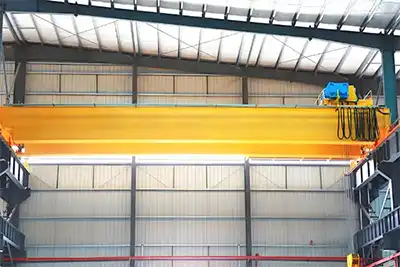
How Indonesian Manufacturers Select Chinese Crane Suppliers
How Indonesian Crane Manufacturers Evaluate Chinese Suppliers – A Comprehensive Guide
Key Takeaway
Indonesian crane manufacturers focus on reliability, cost-effectiveness, and customization when choosing Chinese suppliers. They evaluate product quality, certifications, production capacity, delivery timelines, and after-sales support to ensure cranes are safe, efficient, and suited for local and export projects.
Key Questions This Guide Answers
- What criteria do Indonesian manufacturers use to select Chinese crane suppliers?
- How do certifications and quality assurances affect supplier choice?
- Which logistics and cost factors matter most?
- What role does after-sales service play?
- How to balance price with performance and reliability?
Key Takeaways for Crane Buyers
- Certifications & Quality: Verify CE, ISO, third-party inspections, load capacity, and structural safety.
- Supplier Experience: Prefer suppliers handling single/double girder cranes with varied spans, lifting heights, and attachments.
- Delivery & Logistics: Confirm timelines, shipping, customs, and local transport capabilities.
- Cost vs. Maintenance: Consider total ownership cost, spare parts, and operational efficiency.
- After-Sales Support: Ensure installation help, operator training, troubleshooting, and quick spare parts.
- Communication: Clear, responsive, and transparent communication builds trust.
- Factory Validation: Use on-site or virtual audits to confirm production quality and capability.
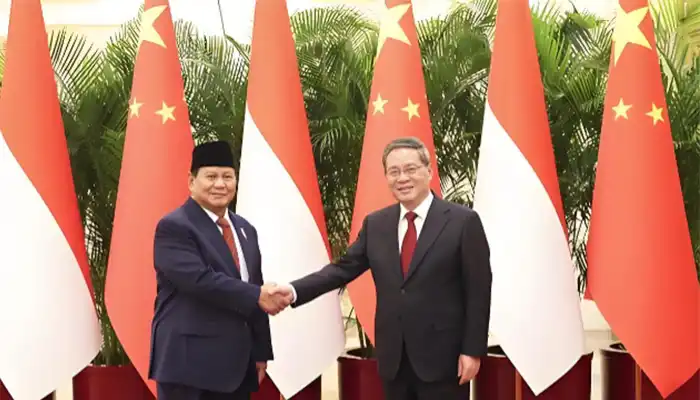
Why Chinese Suppliers Matter for Indonesian Crane Buyers
Chinese crane manufacturers are increasingly important for Indonesia's crane market. They are not just low-cost options; they bring variety, technology, and production flexibility that many local manufacturers rely on.
Key advantages they offer include:
- Wide range of cranes: Overhead cranes, gantry cranes, and crane kits for different industrial applications.
- Competitive pricing: Solutions that fit budget constraints without compromising quality.
- Customization options: Tailored solutions for specific lifting needs, spans, and capacities.
Indonesia's crane industry is growing, with manufacturers handling diverse projects. Local workshops combine imported components with in-house fabrication, so suppliers must provide reliable products that integrate smoothly into local operations.
This ecosystem is supported by:
- Metal fabrication workshops: Producing steel structures and components for industrial projects.
- Steel mills and factories: Requiring cranes for heavy-duty lifting and material handling.
- Construction and industrial projects: Demanding specialized lifting solutions for complex sites.
Selecting the wrong supplier can have serious consequences. It's not just about price—it affects safety, production timelines, and long-term maintenance costs. Manufacturers need to know they are working with a partner who delivers on quality, reliability, and service.
When evaluating suppliers, manufacturers consider:
- Certifications and compliance: CE, ISO, and local standards ensure cranes meet safety and quality requirements.
- Customization experience: Suppliers should handle single/double girder cranes, varied spans, lifting heights, and attachments.
- Delivery timelines and logistics: Reliable suppliers can meet deadlines and handle shipping, customs, and local transport efficiently.
- Cost-effectiveness and long-term maintenance: Total cost of ownership matters, including spare parts availability and operational efficiency.
- After-sales service and technical support: Installation guidance, operator training, troubleshooting, and rapid spare parts supply are critical for smooth operations.
Ensure suppliers provide proper CE, ISO, and third-party inspections. Verification of load capacity, electrical safety, and structural integrity is essential for safe operation in Indonesian conditions.
Suppliers must be capable of handling single and double girder cranes, varying spans and lifting heights, and specialized attachments. Experience with steel mills, factories, and workshop environments is highly valuable.
Reliable delivery and logistics are critical. Suppliers should meet timelines and manage shipping, customs clearance, and local transport efficiently to avoid project delays.
After-sales support makes a difference. Look for suppliers who provide installation guidance, operator training, troubleshooting, and rapid spare parts supply. Factory audits—on-site or virtual—help confirm production capacity, quality, and real capabilities.
Key Evaluation Criteria for Indonesian Crane Buyers
Quality and safety are the top priorities for Indonesian crane manufacturers. A crane must be reliable and safe for both workers and equipment, so buyers pay close attention to certifications, materials, and testing processes.
Key points include:
- Certifications: CE, ISO, and local standards are essential to ensure compliance with international and Indonesian safety regulations.
- Material and component reliability: Components such as girders, hoists, and electrical parts must be durable and suitable for heavy-duty operations.
- Inspection and testing procedures: Rigorous factory tests, load tests, and quality checks help confirm that cranes meet the specified standards.
No two projects are exactly alike, so manufacturers often need cranes tailored to specific operational needs. Suppliers who can provide flexible solutions are preferred.
Key considerations include:
- Ability to produce tailored cranes: Single or double girder, EOT, and gantry cranes customized to project requirements.
- Flexibility in hoist types, capacities, and attachments: Ensuring the crane can handle different loads and materials efficiently.
- Experience with industry-specific requirements: Knowledge of steel mills, workshops, or construction sites ensures practical and safe crane designs.
Even a high-quality crane is of little use if it arrives late. Indonesian manufacturers evaluate suppliers based on their ability to meet both bulk and urgent orders.
Key factors include:
- Factory scale and ability to handle bulk orders: Large production capacity ensures manufacturers can meet project demands without delays.
- Typical production timelines: Understanding how long it takes to manufacture a crane helps plan procurement and installation schedules.
- Ability to meet urgent or staggered delivery needs: Flexibility to deliver cranes in phases or quickly for urgent projects reduces downtime.
Price is always important, but experienced Indonesian crane manufacturers look beyond the initial cost. The focus is on total value over the crane's lifecycle, including operating efficiency, maintenance, and spare parts availability.
Key considerations include:
- Unit price vs. long-term operational costs: A cheaper crane upfront can become expensive if it requires frequent repairs or consumes more energy.
- Shipping, customs, and import duties: Logistics costs can significantly affect the overall budget, so suppliers with streamlined export processes are preferred.
- Cost of spare parts and maintenance: Easy access to replacement parts and predictable maintenance costs ensures smooth long-term operation.
Even the best crane can face challenges during operation. Indonesian manufacturers value suppliers who provide reliable support, quick problem resolution, and practical guidance.
Key factors include:
- Availability of manuals, remote support, and on-site assistance: Clear instructions and timely technical help prevent downtime.
- Warranty terms and spare parts supply: Long-term coverage and fast access to parts reduce operational risks.
- Training for crane operators and technicians: Proper training ensures safe and efficient crane use, minimizing accidents and extending equipment life.
Trust is a critical factor when Indonesian crane manufacturers choose Chinese suppliers. Beyond technical specs and cost, suppliers must prove they can deliver consistently, communicate clearly, and support long-term operations.
Key points include:
- References from other international clients: Positive feedback from previous buyers demonstrates the supplier's credibility and ability to meet diverse project requirements.
- Track record with previous projects: A history of successfully completed projects shows that the supplier can handle technical challenges and deadlines.
- Communication, transparency, and responsiveness: Suppliers who provide clear proposals, timely updates, and open communication build confidence and reduce risks in cross-border transactions.
Common Evaluation Methods for Chinese Crane Suppliers
When selecting a Chinese crane supplier, Indonesian manufacturers rely on several practical evaluation methods. These approaches help reduce risk, confirm capabilities, and ensure quality before committing to a full order.
Before engaging with a supplier, buyers send an RFQ to understand pricing and technical feasibility. Detailed proposals help confirm that the supplier can meet specific crane requirements and provide a clear cost estimate.
- Compare specifications, materials, and performance features.
- Assess whether the supplier understands the project's unique needs.
Seeing the factory firsthand or via live video gives buyers a chance to verify production capacity and quality control processes. It also allows evaluation of staff skills and workflow efficiency.
- Inspect equipment, production lines, and assembly areas.
- Confirm adherence to safety standards and operational procedures.
Testing a smaller crane or a sample unit is a low-risk way to check product quality, delivery timelines, and installation procedures before placing a larger order.
- Identify potential issues early in the process.
- Evaluate ease of installation and operation in real conditions.
References from past international clients and independent audits provide an extra layer of assurance. These checks help validate the supplier's reputation, reliability, and compliance with safety and quality standards.
- Gather feedback on past project performance.
- Review third-party inspection reports for compliance verification.
Challenges Indonesian Manufacturers Face When Working with Chinese Suppliers
Working with Chinese suppliers offers many advantages, but Indonesian crane manufacturers also encounter several challenges. Understanding these issues helps buyers plan better and minimize risks.
Not all suppliers maintain the same level of quality. Differences in materials, fabrication methods, and quality control can lead to inconsistent products, which may affect safety and operational efficiency.
- Verify certifications and compliance with CE, ISO, and local standards.
- Conduct factory audits or request third-party inspections when possible.
Shipping cranes internationally involves multiple steps, including transport, customs clearance, and local delivery. Delays at any stage can disrupt project timelines.
- Plan for lead times and buffer periods in delivery schedules.
- Work with suppliers experienced in Indonesian import regulations.
Cranes must meet local technical and safety standards to operate effectively. Misalignment with Indonesian regulations can result in compliance issues and additional costs.
- Confirm voltage, power supply compatibility, and safety requirements.
- Ensure structural and operational specifications align with local factory conditions.
Building a lasting relationship with a supplier across borders requires ongoing communication and trust. Without proper management, partnerships may weaken over time.
- Maintain regular updates through calls, video meetings, and reports.
- Establish clear agreements on support, spare parts, and service response.
Strategic Tips for Choosing Chinese Suppliers
Choosing the right Chinese supplier is not just about price or availability. Indonesian crane manufacturers benefit from a strategic approach that balances quality, experience, cost, and long-term support.
Certifications and experience are strong indicators of reliability. Suppliers with a proven track record are more likely to deliver cranes that meet safety, performance, and regulatory standards.
- Check for CE, ISO, and other relevant certifications to ensure compliance.
- Review past projects and client references to verify experience in similar crane types and industrial applications.
- Prefer manufacturers who regularly update production technology and quality control processes.
Even high-quality cranes require technical support during installation and operation. Suppliers who provide comprehensive guidance, spare parts, and troubleshooting make the procurement process smoother and reduce operational risks.
- Confirm availability of installation manuals, remote support, and on-site assistance.
- Check response times for warranty claims and spare parts supply.
- Ensure training programs for operators and maintenance personnel are available.
Price alone does not reflect the real cost of a crane. Indonesian manufacturers look at total cost of ownership, including maintenance, energy consumption, spare parts, and reliability.
- Evaluate cranes for durability, energy efficiency, and low maintenance requirements.
- Factor in shipping, customs, and potential downtime costs.
- Compare suppliers based on long-term performance and support rather than just the purchase price.
Successful long-term partnerships depend on trust and transparency. Clear communication reduces misunderstandings, ensures timely delivery, and supports problem-solving during operations.
- Establish regular updates via calls, emails, or video conferences.
- Ensure proposals, contracts, and technical documents are clear and complete.
- Maintain open dialogue for future projects, upgrades, or service requirements.
Selecting the right Chinese supplier is a multi-dimensional decision that combines quality, customization, reliability, cost, and service. Indonesian crane manufacturers succeed by systematically evaluating suppliers, verifying credentials, and building strong partnerships. The result is a supply chain that supports safe, efficient, and cost-effective crane operations, meeting both local and international market demands.